The Difference Between a Set and a Sequence
A finished shoot arrives as a collection of files, but it should never be read as one. The images a design professional receives carry an order, and that order is itself a piece of the work. In architectural photography and interior photography alike, the single frame answers a narrow question: what does this room look like from here. A sequence answers a larger one: what is it like to move through this place, to understand its intentions, to arrive and settle and notice.
Most clients think about photography one picture at a time. They imagine the hero shot, the view that will anchor a portfolio page or a press feature. That instinct is sound, but incomplete. The images around the hero are not filler. They are the sentences that make the headline mean something. A building or interior is experienced in time and motion, and a well-ordered set of photographs is the closest a flat medium comes to restoring that experience.
A single frame shows a room; a considered sequence reveals a project.
How a Space Is Actually Read
We do not encounter buildings all at once. We approach, we pause at a threshold, we enter, we orient, we explore. A sequence that honours this rhythm feels natural because it mirrors the way perception works. When images are ordered to follow a plausible path, the viewer stops looking at pictures and starts occupying a place.
This is why the first image matters disproportionately. It sets the register for everything that follows. An establishing frame, usually wider and more composed, tells the viewer where they stand and what kind of place they are about to enter. It establishes scale, light, and mood before any detail is asked to carry weight.
The Three Movements
Most effective sequences move through three broad movements, though not rigidly:
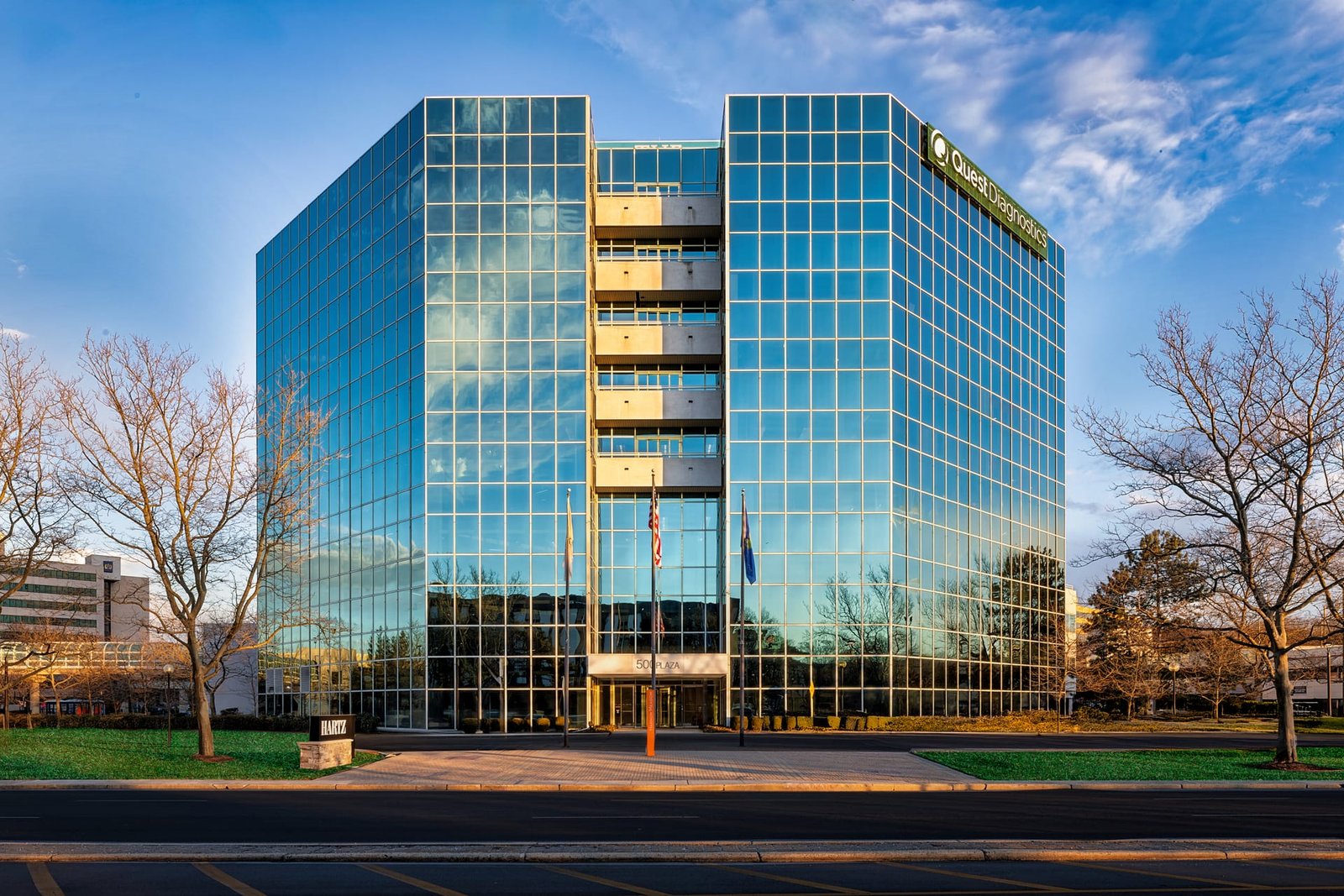
- Arrival. The exterior, the approach, the entry. These frames orient the viewer and establish the character of the project before interiors are shown.
- Inhabitation. The principal spaces, shown at a scale that lets the eye settle. This is where the project does most of its explaining.
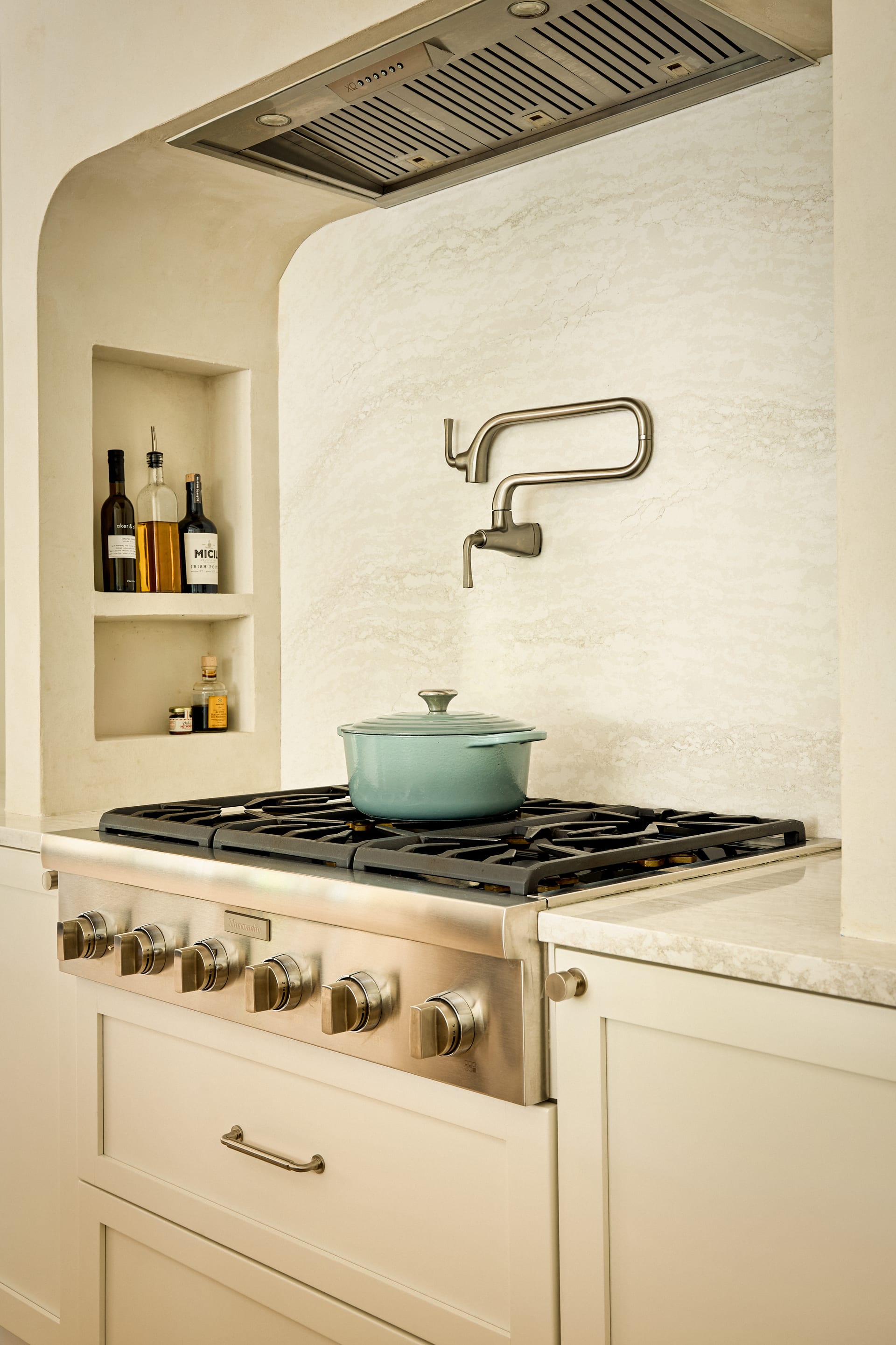
- Attention. The details, the junctions, the material meetings. These reward the viewer who has already been led through the whole and now looks closer.
A sequence that opens on a cabinet pull before showing a single room has reversed the grammar. The detail is meaningless until the viewer knows what it belongs to.
Rhythm and Breath
A good sequence breathes. It alternates between wide and close, bright and shadowed, busy and calm. If every frame is a full room at the same focal length, the eye tires and the project flattens into repetition. If every frame is a tight detail, the viewer loses all sense of the whole. The skill lies in pacing, in knowing when to pull back and when to lean in.
Consider the way a design magazine lays out a feature. A broad spread invites you in. A quieter page lets the eye rest. A detail arrives at the moment curiosity peaks. This is not accident. It is editorial sequencing, and it is as much a part of the craft as the exposure or the composition.
A sequence that never pauses gives the eye nowhere to rest and nothing to anticipate.
The Transitions Between Frames
Adjacent images speak to one another. A wide shot of a living area followed by a detail of the same window reads as a deepening of attention. The same detail dropped between two unrelated rooms reads as noise. When the order respects adjacency, each image hands the viewer gently to the next.
This has a practical consequence on shoot day. Sequencing is not something imposed afterward in the edit. It is anticipated at the moment of capture. Knowing that a wide frame will be followed by a particular detail changes how both are composed, so that the second feels like a natural continuation of the first rather than a jump.
Why This Matters for Design Professionals
For architects and interior designers, a sequence is how a project argues for itself. A portfolio is not a gallery of trophies but a case made over several frames. The order you present work in tells the viewer what you value, how you think, and where your attention goes. A thoughtful sequence signals a thoughtful practice.
For hoteliers, sequence is nearly everything. A guest decides to book based on a scroll through images, and that scroll is a sequence whether or not anyone designed it to be. Arrival, room, amenity, detail, view. When these appear in a considered order, the prospective guest imagines a stay rather than inspecting a product.
For builders, a sequence can tell the story of craft, moving from the completed whole to the junctions and finishes where quality is proven. For realtors, a logical walk through a property, ordered the way a buyer would actually move through it, feels honest and lets the viewer build a mental map rather than a jumble of disconnected rooms.
Common Sequencing Mistakes
- Opening on a detail before establishing context.
- Grouping all exteriors, then all interiors, with no sense of a path connecting them.
- Repeating the same focal length and mood until the project reads as monotone.
- Burying the strongest image so deep that attention has already lapsed.
- Ordering by file number rather than by narrative.
The Edit Is Where the Story Is Found
A shoot may produce many strong frames, but not all of them belong in the final sequence. Restraint is part of the work. Two near-identical views of the same room dilute each other. The stronger one should carry the moment, and the other should step aside. A tight, well-ordered set of twelve images almost always outperforms a loose set of thirty.
This is where the collaboration between photographer and design professional earns its value. The photographer understands how images read in relation to one another. The designer understands what the project is trying to say. Together they can shape a sequence that is both visually fluent and true to the intent behind the space.
The final arrangement should feel inevitable, as though the images could be ordered no other way. That sense of inevitability is the mark of a sequence that has been considered rather than assembled. It is quiet work, easy to overlook, and it is the difference between a set of photographs and a story a space can tell.
If you are preparing to present a project and want the images to read as a considered whole, Matthew Lekker Photography would be glad to hear from you.
Add us as a preferred source on Google
Add as preferred source