The Argument for Working With the Sky
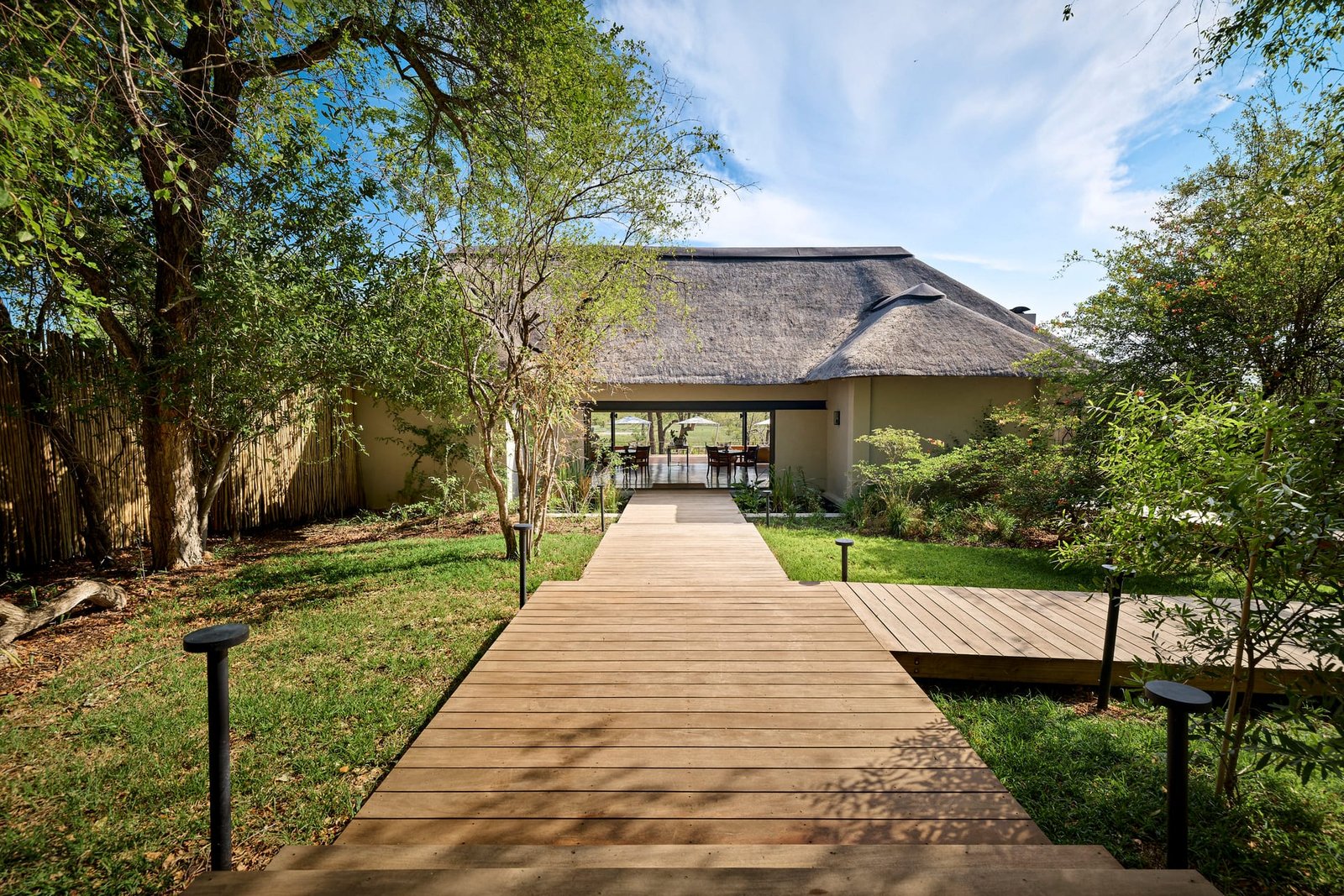
Most briefs assume a clear blue sky is the goal. The reality is more nuanced. In architectural photography, the weather is not a backdrop to be tolerated but a partner that shapes how a building meets its surroundings. A flat overcast morning can render a facade with honesty. A charged, broken sky can give a structure drama it would never possess under relentless sun. Learning to read weather is one of the quietest advantages a photographer brings to a project.
For architects, designers, and hoteliers, the stakes are real. A building photographed under the wrong conditions can look harsh, lifeless, or oddly disconnected from its site. The same building, photographed when the sky serves it, can feel inevitable, as though it had always belonged there.
Weather is not an obstacle to the photograph but a collaborator that decides how the building meets the world.
Reading the Sky as a Light Source
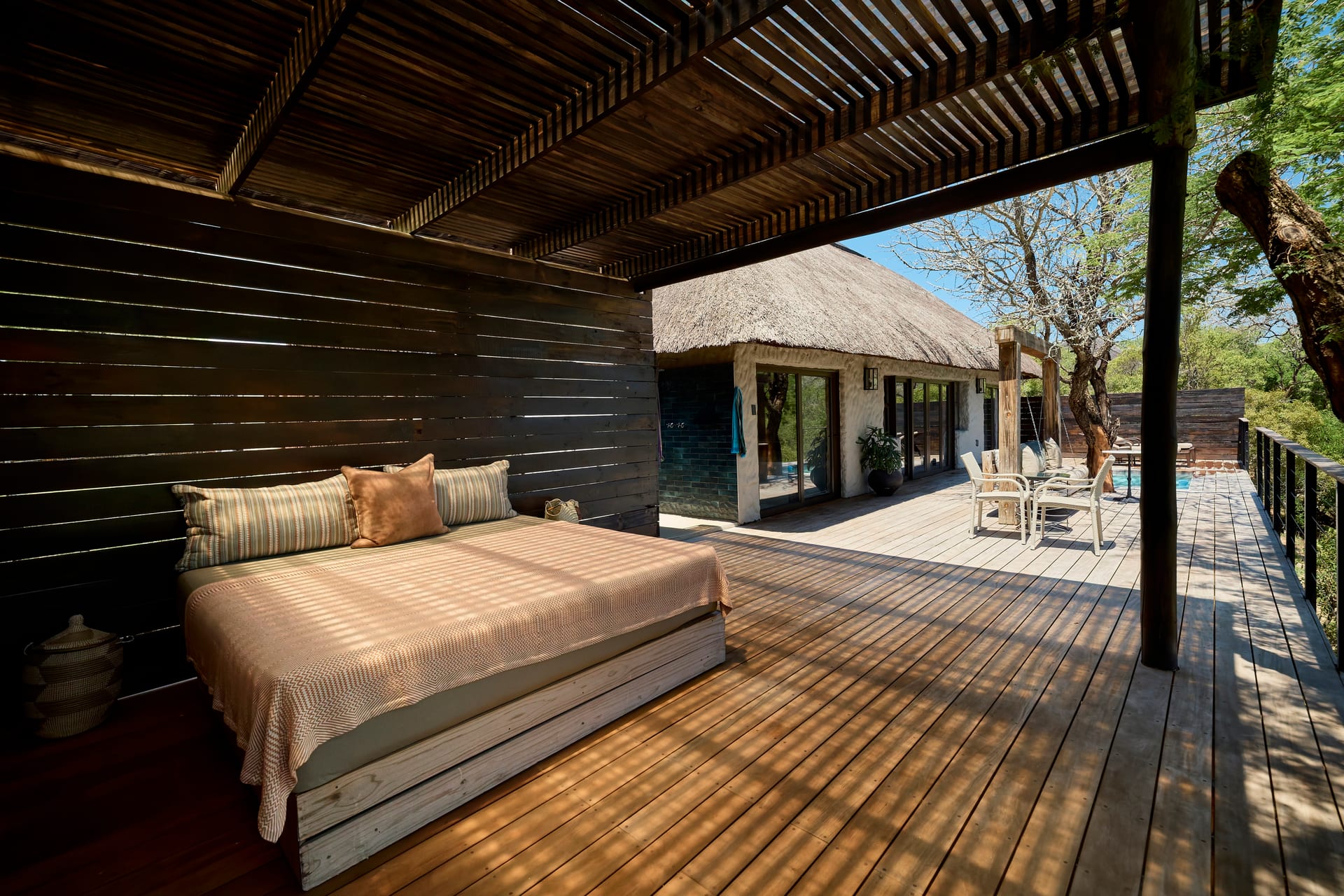
The sky is the largest light source on any exterior shoot, and its character changes everything. Rather than chasing a single ideal condition, it helps to understand what each type of sky offers.
Clear Sky
Bright, cloudless conditions produce strong directional light and deep shadows. This can emphasize form and carve out relief in a facade, but it can also flatten a blue void above the building, leaving the upper frame empty and unconvincing. Clear skies reward buildings with bold massing and strong geometry, and they punish subtle, low-contrast materials.
Overcast Sky
A fully overcast sky acts like an enormous softbox. Shadows soften, contrast drops, and color becomes faithful. For interior photography viewed through large windows, overcast light is often ideal, because it balances the interior and exterior exposures without blowing out the glazing. Materials read truthfully, and the eye travels across a surface rather than snagging on hard shadows.
Broken Sky
Scattered cloud is the condition many architectural photographers quietly hope for. It gives the frame texture above the roofline, directs pockets of light across the structure, and introduces movement without chaos. A broken sky lets you wait for a cloud to shade a distracting element while a shaft of light lands on the entrance.
When Difficult Weather Serves the Image
There is a tendency to pack up when conditions turn. Rain, mist, and heavy cloud are often the most expressive moments a building will offer, and they reveal qualities a clear day conceals.
- Rain darkens stone and timber, deepens color saturation, and introduces reflections on paving and glass that extend a building downward into its setting.
- Mist and fog compress depth, isolate a structure from its neighbors, and lend an atmosphere of quiet that suits hospitality and residential work.
- Storm light, the brief interval when sun breaks beneath a dark cloud bank, can make a facade glow against a bruised sky with a contrast no clear day provides.
These conditions demand patience and a tolerance for uncertainty, but they produce images with mood and specificity. A boutique hotel photographed in soft rain feels like a refuge. The same hotel under flat sun looks like a listing.
Matching Weather to the Building
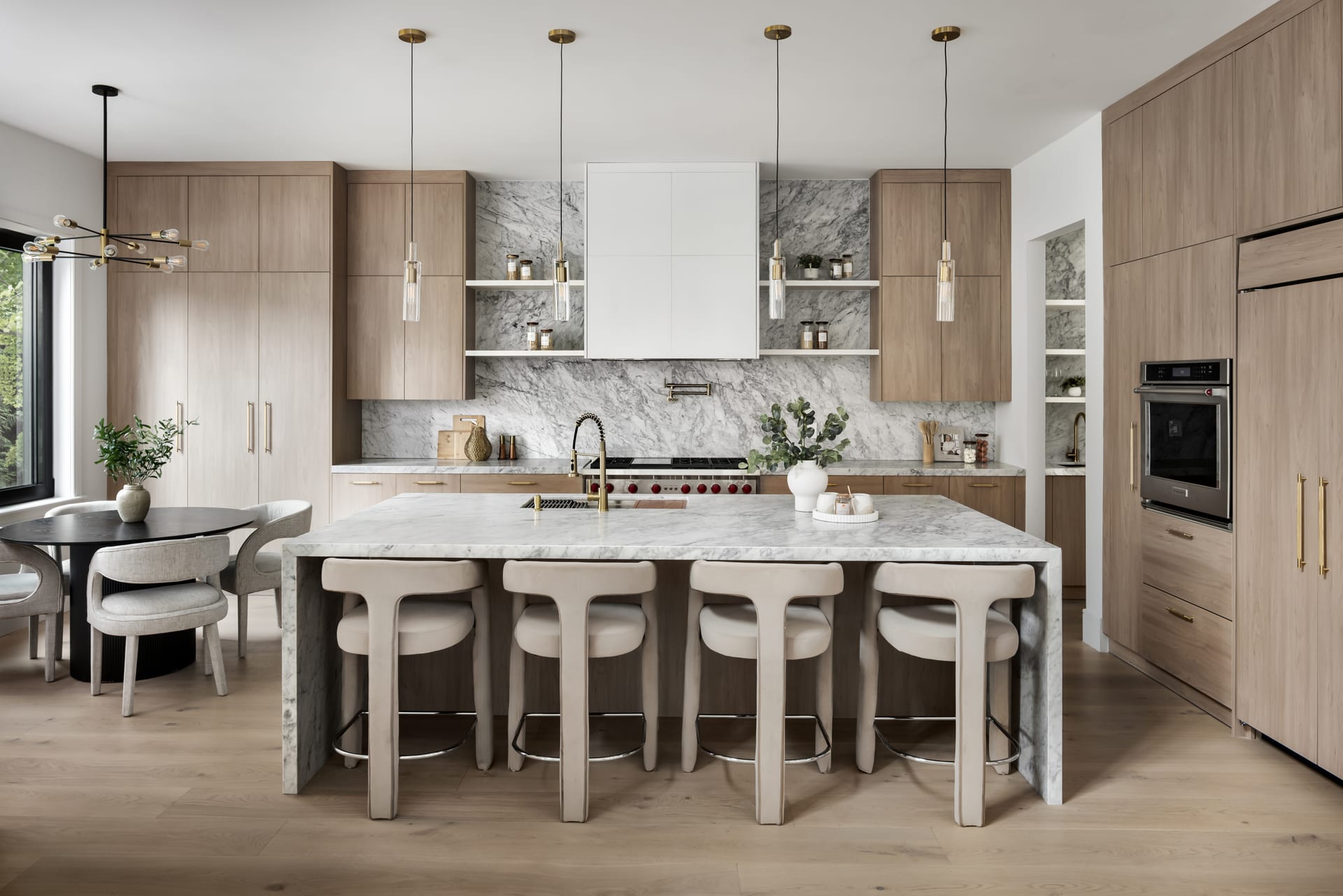
The right sky depends on what the architecture is trying to say. Before a shoot, it is worth considering the character of the design and choosing conditions that reinforce it rather than contradict it.
Material and Surface
Reflective surfaces such as glass curtain walls and polished metal come alive under broken skies, where moving cloud gives them something to mirror. Matte materials such as concrete, lime render, and raw timber are often best in soft, even light that lets their texture speak without glare.
Form and Silhouette
Sculptural buildings with strong profiles can hold their own against a dramatic sky, and benefit from the contrast. Quieter, more horizontal buildings tend to read better under calmer conditions, where a busy sky would compete for attention.
Context and Setting
A rural project set in landscape can absorb weather as part of its story: cloud shadow moving across a hillside, mist settling in a valley. An urban building surrounded by hard surfaces often calls for cleaner conditions, since the environment already supplies complexity.
The right sky is the one that agrees with what the architecture was already trying to say.
Planning Around Conditions
Working with weather is less about luck than about preparation. A considered approach gives you room to respond rather than react.
Build Flexibility Into the Schedule
Where possible, book exterior work with a buffer. A single fixed day leaves you hostage to whatever the sky delivers. A two or three day window lets you select the morning that serves the building. For clients, this flexibility is one of the most valuable things a professional can offer, because it protects the quality of the final image.
Watch the Forecast, Not Just the Day
Hour-by-hour forecasts and satellite cloud maps let you anticipate when a broken sky will arrive or when a front will clear. Knowing that rain will pass at mid-afternoon, leaving wet surfaces and dramatic light, turns a cancelled shoot into the best hour of the week.
Prioritize the Key Shots
Identify which elevations and views matter most and align them with the light each needs. An east-facing entrance wants morning sun; a west-facing terrace comes alive in the evening. Weather and orientation together determine the order of the day.
The Interior Relationship
Exterior conditions shape interior photography more than most expect. On a bright day, windows become blazing white rectangles that fight the room. On a soft, overcast day, the view holds its detail and the interior sits in balance with the world outside. When a project depends on its connection to landscape or city, choosing the right sky is not a cosmetic decision but a structural one for the photograph.
This is why a photographer may suggest shooting interiors on the quieter day and saving exteriors for the day with character in the sky. It is a sequencing decision rooted in how light behaves, and it protects both halves of the story.
Patience as a Method
Ultimately, photographing a building in changing skies is an exercise in attention. It means standing with a composition set and waiting for the cloud to arrive, the shadow to move, or the light to break. It means understanding that the best frame may be a matter of minutes, and being ready when it comes. This patience is not passivity. It is a disciplined reading of conditions that lets the building appear at its most honest and most resolved.
If you are planning a project and want the weather to work in your building’s favor, Matthew Lekker Photography would be glad to begin a conversation.
Add us as a preferred source on Google
Add as preferred source