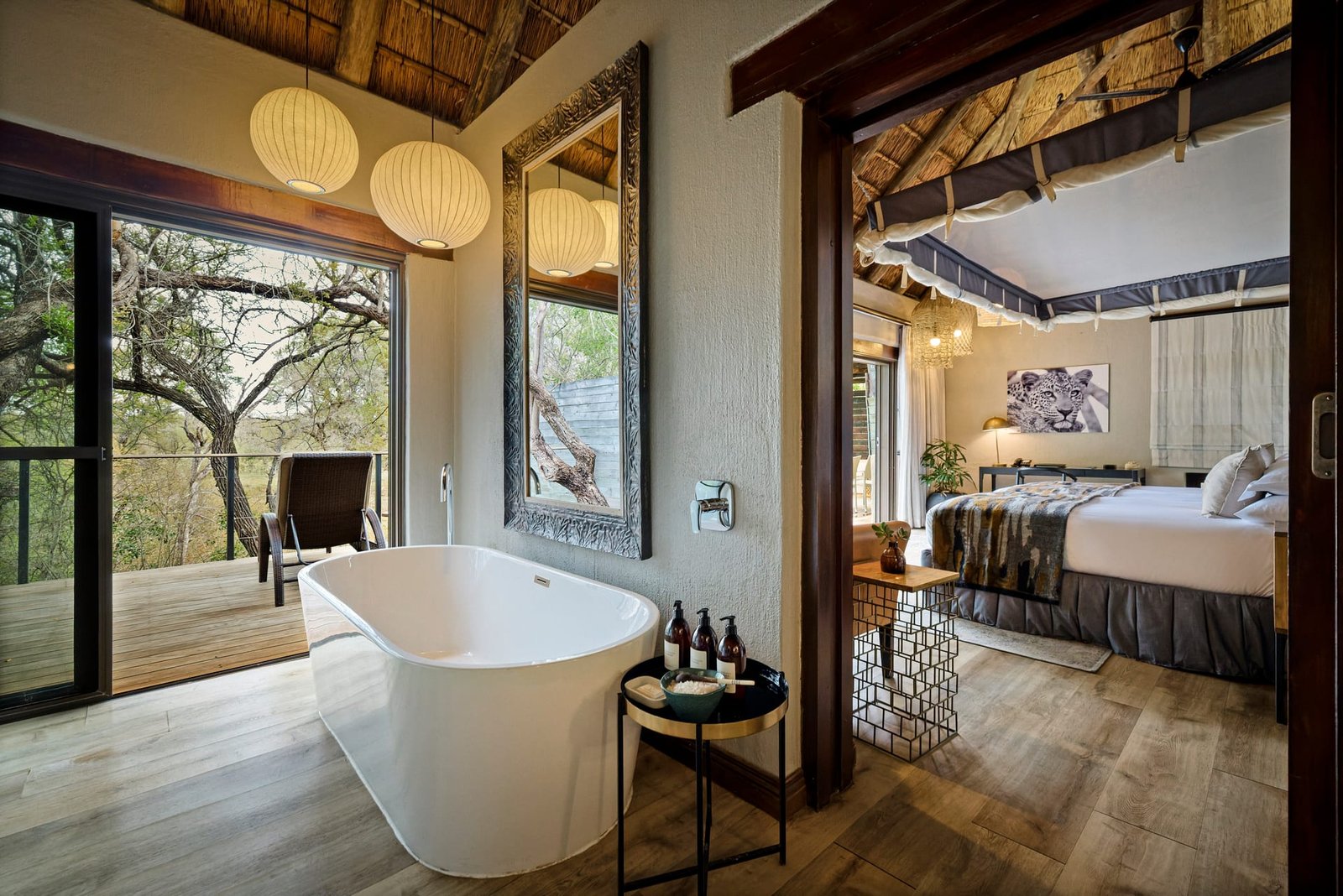
The Sky Is Part of Your Building
Every architectural image carries a silent collaborator: the weather. Long before the shutter opens, atmospheric conditions have already decided how a facade will read, whether a glass curtain wall will glow or glare, and how the light will fall across a courtyard. Design professionals often treat weather as an unpredictable inconvenience, something to be endured rather than planned for. In truth, understanding conditions is one of the most reliable ways to elevate architectural photography from adequate to memorable.
A building does not change from day to day, but the way it is perceived can shift dramatically depending on the sky above it. The same house photographed under flat overcast light and again beneath a clearing afternoon sky can look like two different projects. For anyone commissioning interior photography or exterior work, learning to read these conditions is a practical skill that protects both budget and outcome.
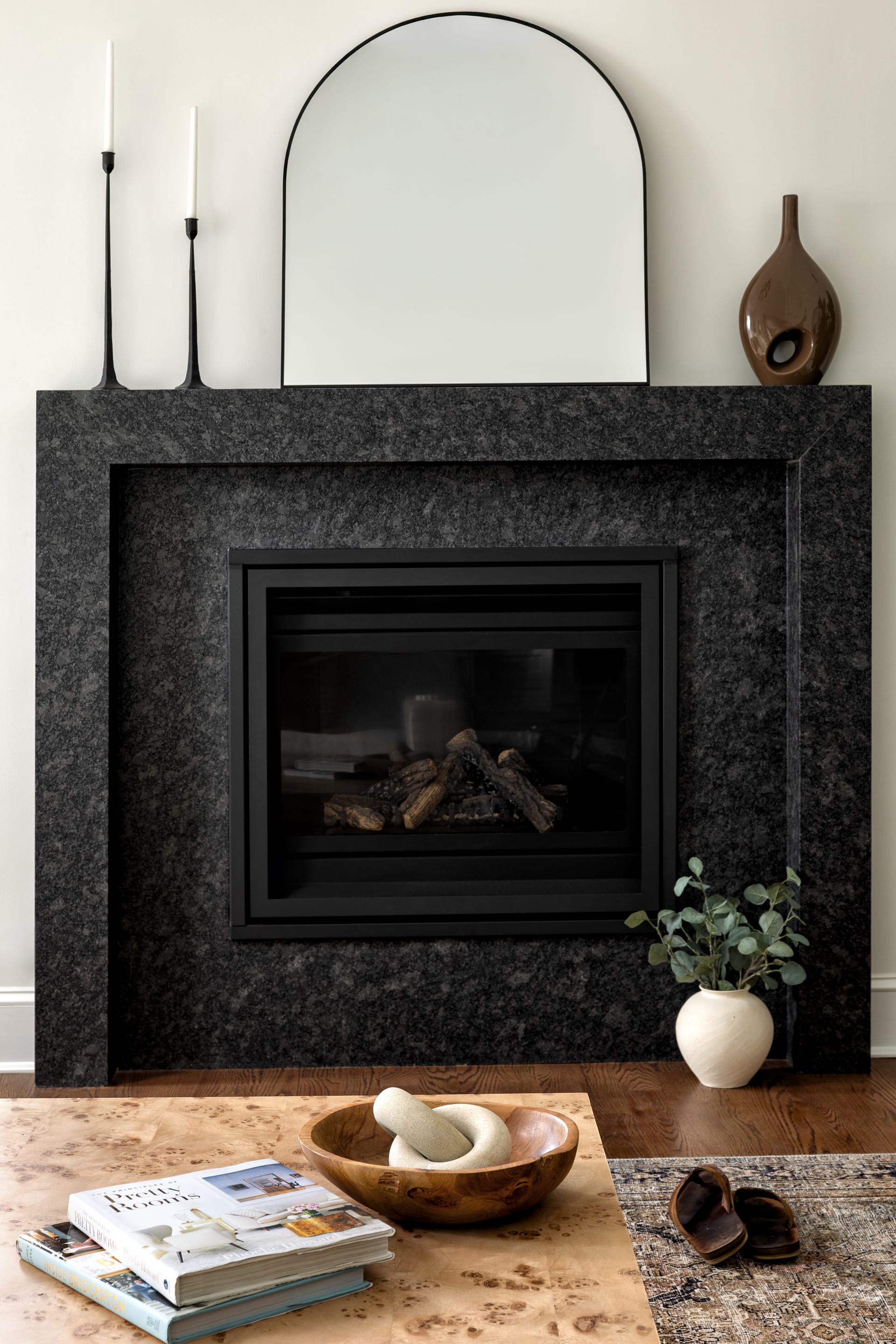
What Different Conditions Give You
There is no universally ideal weather for architectural work. Each condition offers something specific, and the right choice depends entirely on the story a space is meant to tell.
Clear Skies
Bright, cloudless days produce strong directional light and hard shadows. This suits sculptural buildings, bold geometry, and projects where the interplay of light and shadow reveals form. A clear blue sky also photographs cleanly behind a facade, offering an uncluttered backdrop. The risk lies in harshness: midday sun can flatten texture and blow out light-colored surfaces, so timing becomes essential.
Overcast
An even, cloudy sky acts like an enormous softbox. Shadows soften, contrast eases, and colors render with quiet accuracy. Overcast conditions are often ideal for interior photography, where large windows can otherwise create difficult contrast between bright exteriors and shaded rooms. Material photography benefits too, as diffuse light reveals texture in stone, timber, and fabric without distracting glare.
A building does not change from day to day, but the way it is perceived can shift dramatically depending on the sky above it.
Broken Cloud
Partly cloudy skies are the most dynamic and the most demanding. Passing clouds add depth and drama to an image, but they require patience and timing to catch the moment when light lands where it should. For a photographer working deliberately, broken cloud can produce the single strongest frame of a shoot.
Rain and Wet Surfaces
Rain is rarely the goal, yet the moments surrounding it can be valuable. Wet pavement reflects light and color, adding richness to twilight exteriors. A clearing storm often brings dramatic skies and unusually clean air, both of which lend a building presence and mood.
Timing Within the Day
Weather does not act alone. It combines with the time of day to shape the final image, and the two must be planned together.
- Early morning offers soft, low-angle light and quiet surroundings, useful for east-facing facades and calm interior scenes.
- Midday is generally the least flattering for exteriors, though it can work for interiors with balanced daylight.
- Late afternoon brings warmth and longer shadows that model form gracefully.
- Twilight remains the most reliable window for luxury and hospitality exteriors, when interior lighting balances with a deepening sky.
Knowing when the sun strikes a particular elevation is not guesswork. A prepared photographer studies the orientation of a building in advance, identifying which facades catch morning light and which come alive at dusk. This planning turns the weather from a threat into a tool.
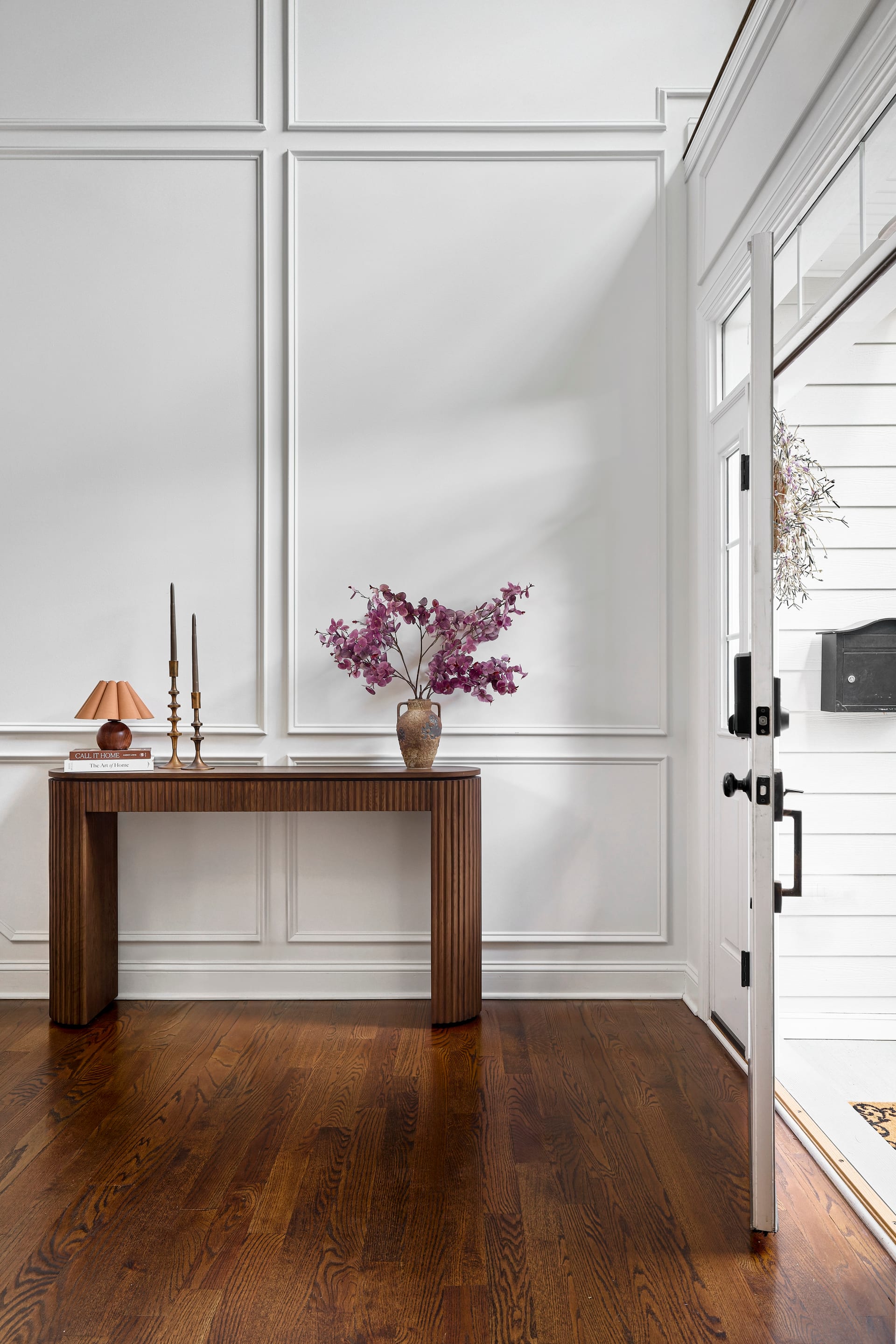
Building Flexibility Into the Schedule
The most common mistake among design professionals is scheduling a shoot for a single fixed day with no contingency. Architecture and its surroundings deserve better. When possible, book with a weather window rather than a single date, allowing the photographer to select conditions that serve the project.
This flexibility matters most for exterior and twilight work, where a poor sky cannot be corrected afterward without compromising integrity. Interior photography is more forgiving, but even indoors, the quality of daylight entering a room changes the entire feel of an image. A short delay of a day or two often makes the difference between a competent result and one that genuinely represents the design.
The most common mistake among design professionals is scheduling a shoot for a single fixed day with no contingency.
Coordinating Interiors and Exteriors
Many projects require both interior and exterior coverage, and these two needs can pull in opposite directions. Bright sun may flatter a stone facade while creating harsh patches across a living room floor. The solution is sequencing. A thoughtful shoot plan moves through a property in step with the light, capturing interiors during softer hours and exteriors when the sun favors each elevation, closing with twilight for the strongest exterior statement.
For hoteliers and larger commercial projects, this often means a full day or more on site. The investment pays off in cohesion: a set of images that feels unified rather than assembled from mismatched conditions.
When Weather Will Not Cooperate
Deadlines exist, and sometimes a shoot must proceed regardless of the sky. In these cases, honesty and craft carry the day. A skilled photographer adapts the plan, favoring compositions and subjects suited to the available light. Overcast days become opportunities for detail and interior work. Flat skies can be minimized through tighter framing that emphasizes the building over its backdrop.
What matters is intention. Weather is not an excuse for a weaker image; it is a variable to be worked with deliberately. The difference between a frustrated shoot and a productive one usually comes down to preparation and the willingness to shift the plan as conditions dictate.
A Shared Responsibility
For architects, interior designers, builders, and hoteliers, understanding the weather question changes the conversation with a photographer. Rather than requesting a date and hoping for the best, you can discuss which conditions serve your project, which elevations matter most, and how much flexibility the schedule allows. That dialogue produces images that reflect the true character of a space.
Great architectural photography is never left to chance. It is the result of reading the sky with the same care a designer brings to reading a site, and planning the shoot so that light, form, and atmosphere arrive together.
If you are planning a project and want to give the conditions the attention they deserve, we would be glad to hear from you at Matthew Lekker Photography.