The Hidden Choreography of Daylight
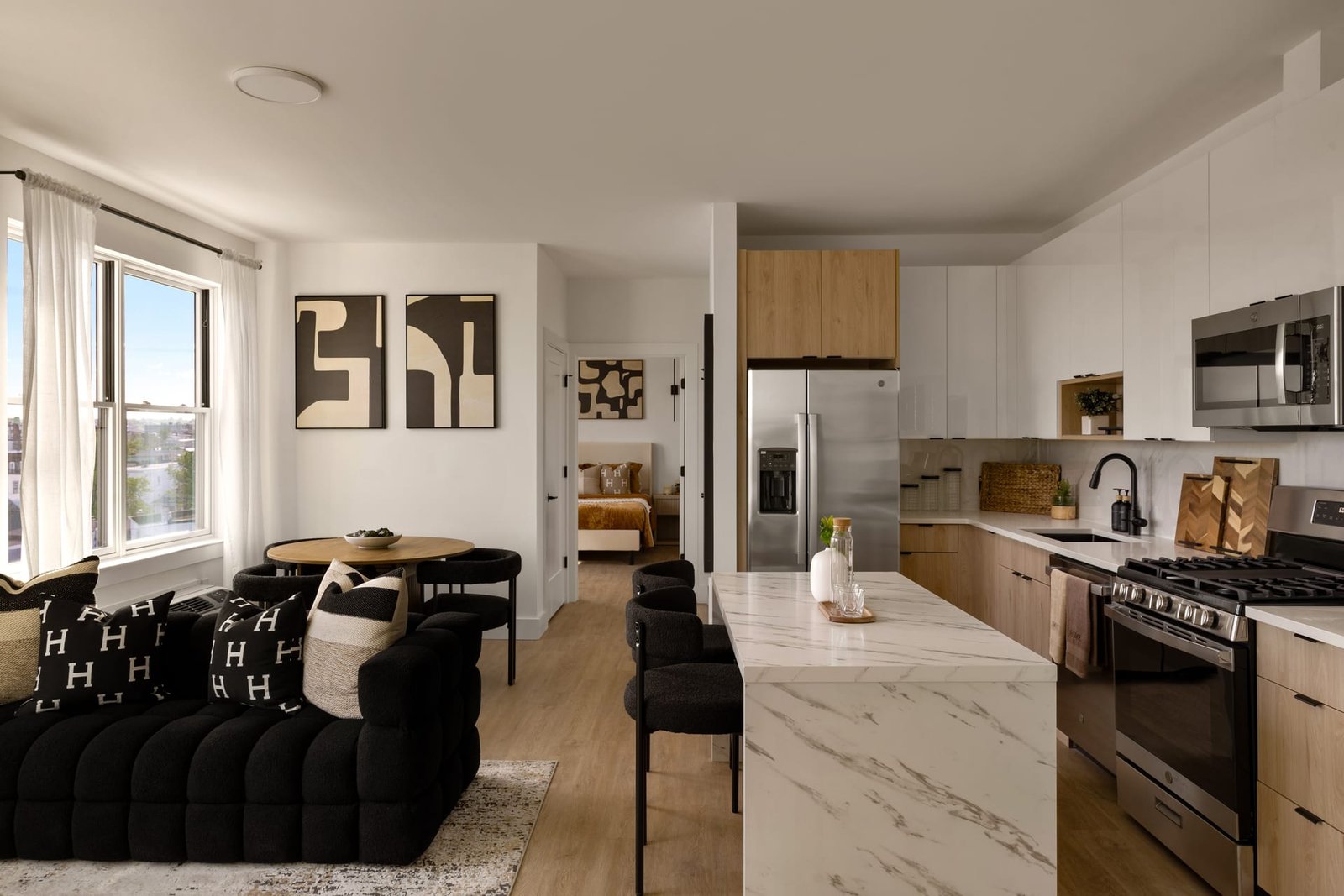
Every room has a rhythm. Long before a camera is set on a tripod, light is already at work: entering through a particular window at a particular hour, sliding across a floor, pooling in a corner, then withdrawing as the sun continues its arc. For design professionals, understanding this movement is not a technical curiosity. It is the difference between an image that merely documents a space and one that reveals how it feels to stand inside it.
Much has been written about natural versus artificial light, but far less about the more subtle question of when light arrives and how it behaves once inside. In architectural photography and interior photography alike, timing is a form of composition. A north-facing sitting room and a west-facing kitchen ask for entirely different hours of the day, and the photographer who reads a room correctly will always produce work with more depth and honesty.
Orientation Is Everything
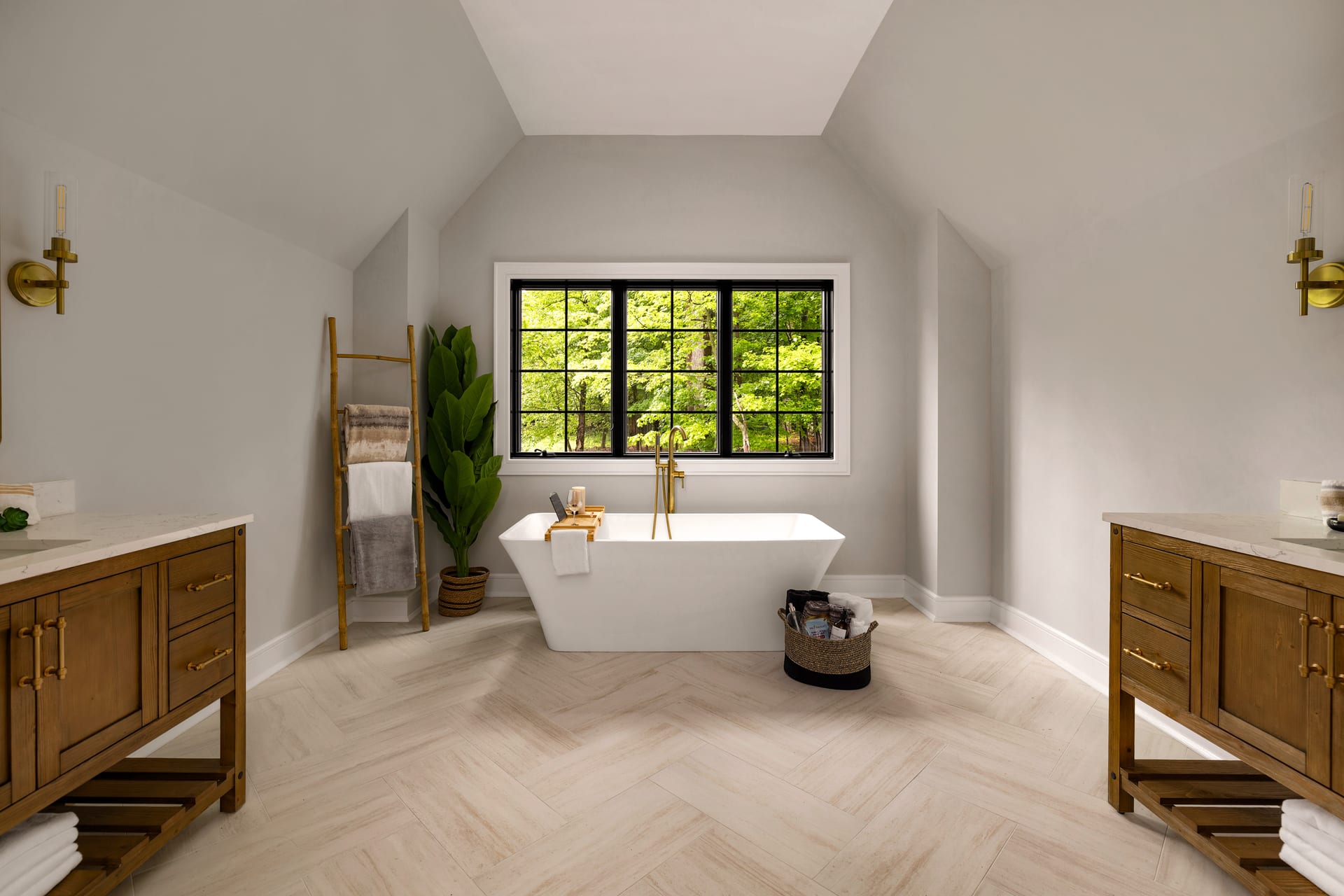
The first thing worth knowing about any interior is the direction its principal windows face. This single fact shapes the entire shooting schedule.
- North-facing rooms receive soft, consistent light for most of the day, ideal for calm, even interiors where texture and material read clearly.
- South-facing rooms gather the strongest, longest light and can shift dramatically from morning to afternoon, rewarding careful timing.
- East-facing rooms come alive early, with warm, low light that flatters bedrooms and breakfast spaces.
- West-facing rooms hold their drama for late afternoon and evening, when golden light rakes across surfaces.
A hotel suite, a residential kitchen, and a gallery-like reception each carry their own optimal window. Designers who share orientation details before a shoot allow the entire day to be planned around the moments when each space performs at its best.
Timing is not a technical afterthought; it is a form of composition as deliberate as any framing decision.
The Difference Between Direct and Indirect Light
Direct sunlight is seductive but unforgiving. It creates strong contrast, blown highlights, and hard shadows that can flatten the subtleties of a finish. Indirect light, by contrast, wraps around objects and renders material with fidelity. A linen sofa reads as linen; a plastered wall shows its faint undulations; a timber floor reveals its grain rather than a glare.
The most convincing interior images often rely on indirect light bounced from a bright sky or reflected off exterior surfaces. This is why an overcast afternoon can sometimes yield more usable frames than a brilliant blue morning. The goal is rarely the most dramatic light available, but the light that describes the room most truthfully.
Watching a Room Across the Day
One of the most valuable exercises a designer can undertake is to observe a completed space at several points throughout a single day. Light that feels serene at nine in the morning may become severe by noon and warm again by four. A room is not one photograph; it is a sequence of possibilities, each tied to an hour.
This is where planning earns its keep. On a shoot, we often move through a property following the light rather than a fixed room order, returning to certain spaces when their moment arrives. A west-facing living room photographed at midday will look competent; the same room at the close of day, with light stretching across the floor, will look inevitable.
The Case for Mixed Moments
Not every image in a set needs to be captured at peak light. A considered collection often benefits from a range of moods:
- Bright, open frames that communicate airiness and volume.
- Softer, shadowed frames that convey intimacy and calm.
- Twilight interiors where artificial and natural light meet in balance.
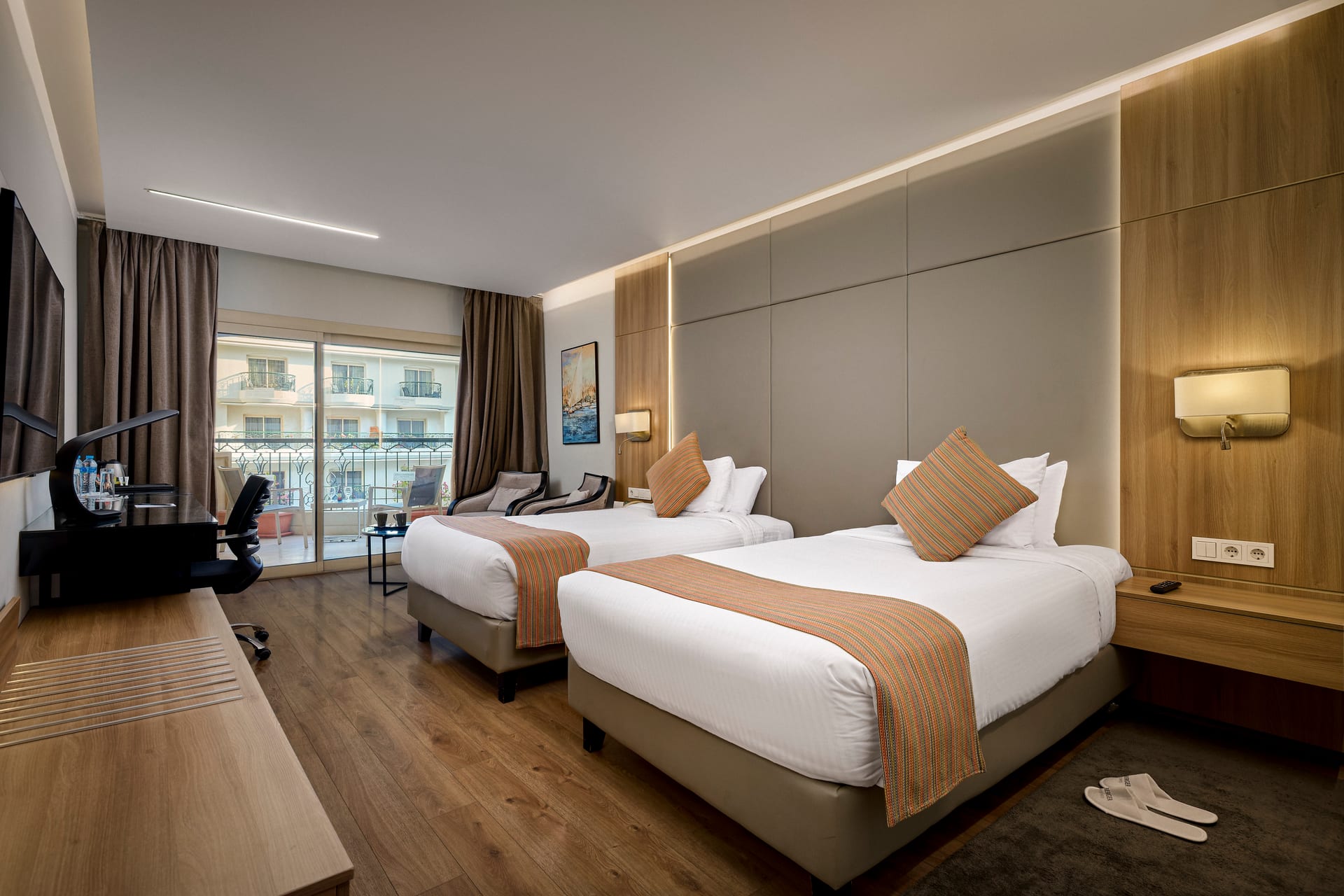
For hoteliers in particular, this variety matters. A guest imagining a stay wants to see both the energy of a sunlit breakfast room and the quiet of a bedroom at dusk. The movement of light across a day becomes a narrative device, helping prospective guests picture the full arc of their time in a space.
When the Light Will Not Cooperate
Not every room is blessed with generous glazing or a favorable aspect. Basements, internal corridors, and rooms hemmed in by neighboring buildings present genuine challenges. Here, the skill lies in supplementing rather than overpowering. Thoughtful artificial light can extend the character of the available daylight, filling shadow without announcing itself. The aim is always to preserve the natural logic of the room, so the final image feels lit by the space itself rather than by equipment.
A room is not one photograph; it is a sequence of possibilities, each tied to an hour.
This restraint is what separates architectural photography from ordinary documentation. The temptation to flatten everything with uniform brightness erases the very quality that makes a space feel considered. Shadow is not the enemy. Shadow gives a room its dimension, its sense of depth, its architecture.
What Designers Can Do to Help
The best results come from a shared understanding between the design professional and the photographer. A few small contributions make a meaningful difference:
- Share the orientation and the hours when each room feels at its best.
- Note any spaces with difficult light so they can be scheduled thoughtfully.
- Allow flexibility in the running order, so the day can follow the sun.
- Trust that a slightly longer schedule often yields far stronger images.
When a room is photographed in sympathy with its light, the resulting work carries a quiet authenticity. Viewers may not be able to name what they respond to, but they feel it. The space reads as real, inhabited, and intentional, precisely because the light behaves as it truly does.
Light as the Truest Portrait of a Space
Materials, proportion, and detail all contribute to how a room is experienced, yet light is the medium through which all of them are revealed. To photograph an interior well is to understand its relationship with the sun, to wait for the right hour, and to let the room show itself on its own terms. For architects, interior designers, builders, and hoteliers alike, this patience is repaid in images that endure rather than merely impress.
The rooms you design already know how to catch the light; the task of photography is simply to be present when they do.
If you would like to plan a shoot that follows the light through your spaces, Matthew Lekker Photography would be glad to hear from you.