The Work That Happens After the Shutter
Much of the conversation around architectural photography focuses on the day of the shoot: the quality of light, the angle of the camera, the careful staging of a room. Yet a significant portion of the craft unfolds later, in quiet hours at the computer, where individual frames become finished images. Post-production is often misunderstood. Some assume it is where photographs are invented; others treat it as a corrective step for images that were not quite right in the first place. The truth sits between these positions. The edit is where an accurate impression of a space is clarified, not fabricated.
For design professionals commissioning interior photography, understanding what happens in the edit is genuinely useful. It shapes expectations, informs how you read a portfolio, and helps you recognize the difference between images that will age gracefully and those that will feel dated within a season.
Why the Camera Cannot Simply Record the Truth
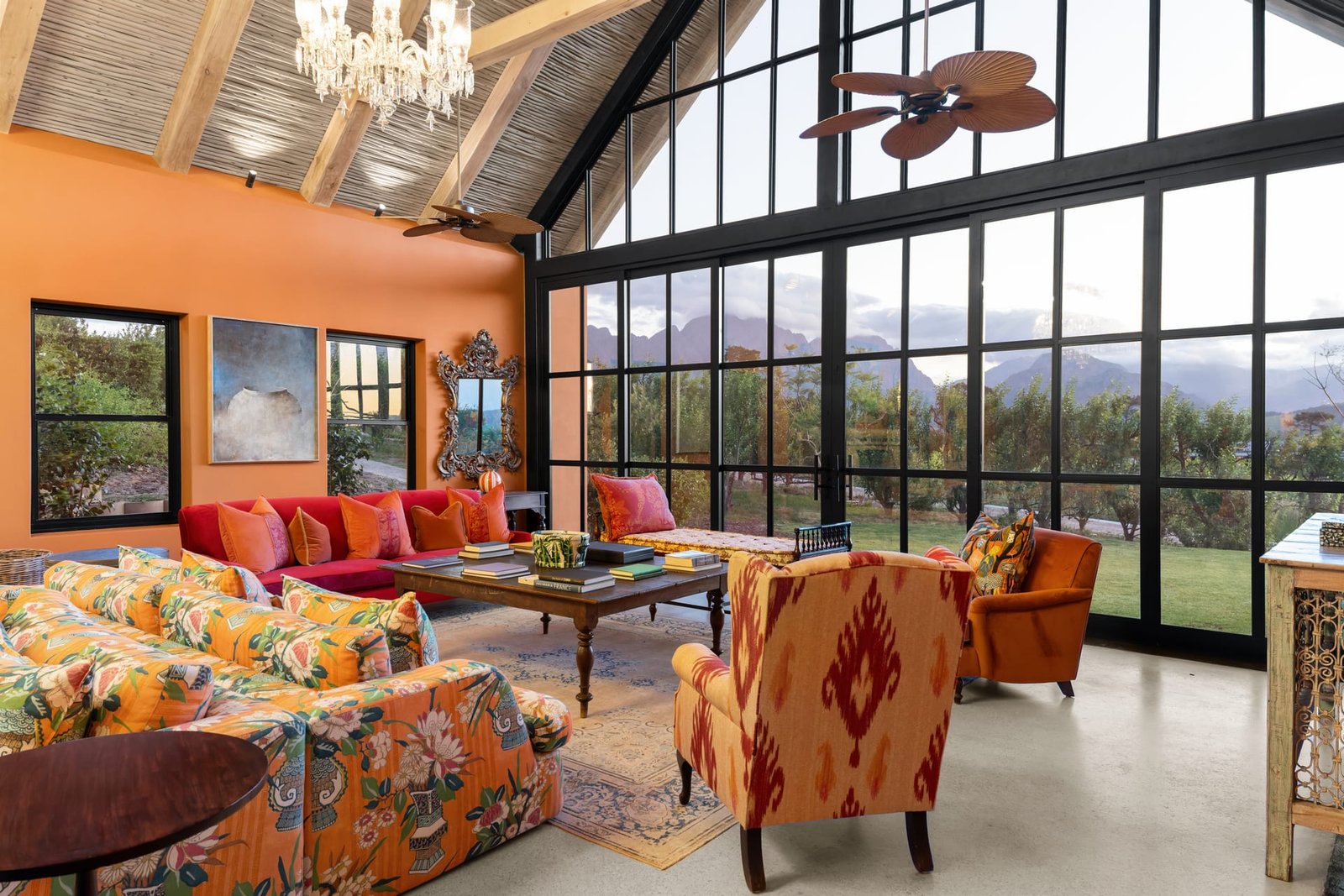
A common misconception is that a photograph, left untouched, represents reality faithfully. In practice, a camera sees the world differently than the human eye. Our eyes adjust continuously as we move through a room, balancing the bright window against the shadowed corner, reading color under mixed light sources without conscious effort. A single exposure cannot do this. It must choose. Either the window blows out to white, or the interior falls into darkness.
The edit exists to reconcile this gap. When a photographer blends exposures or lifts a shadow, the goal is not to embellish but to reconstruct the experience of standing in the space. The measure of good post-production is whether the finished image matches the memory of being there.
The measure of good post-production is not how much was changed, but how little the viewer suspects anything was.
The Discipline of Restraint
Editing tools have never been more powerful, and that power is precisely why restraint matters. It is possible now to remove walls, replace skies, insert furniture, and flatten every shadow into a uniform glow. The capability is seductive, particularly under commercial pressure to make a space look flawless. But images pushed too far betray themselves. The eye registers something artificial even when it cannot name the cause.
Over-processed interior photography tends to share a set of tells:
- Shadows lifted so aggressively that rooms lose their sense of depth and volume
- Colors saturated beyond what any material could reflect in real light
- Skies that belong to a different day, or a different climate entirely
- Perfectly even lighting that erases the natural fall of light through a room
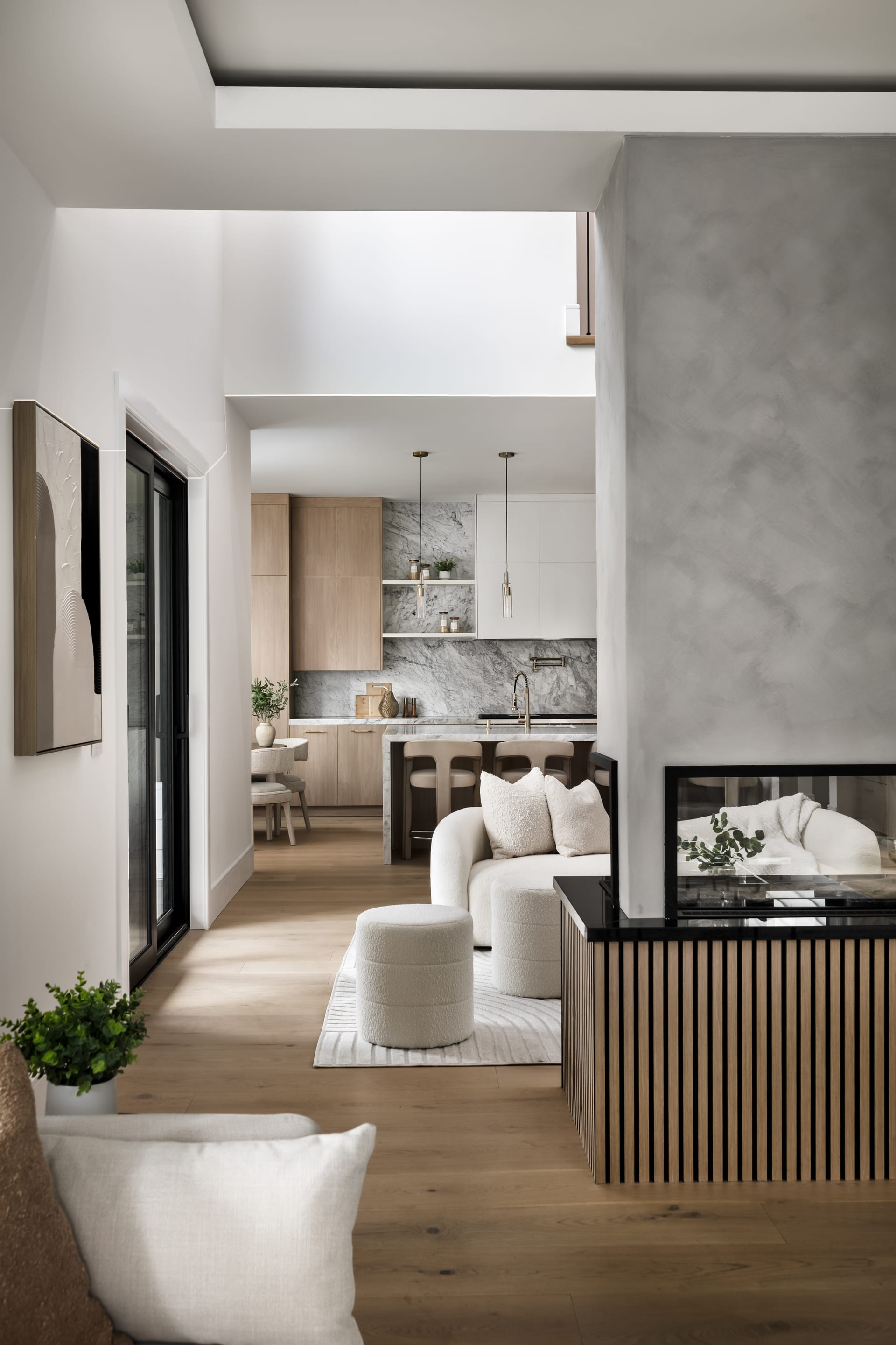
Each of these choices trades credibility for immediate impact, and the trade rarely holds up. A space rendered without shadow reads as a rendering, not a photograph. The most compelling architectural images retain the quiet imperfections that signal honesty: a soft gradient across a wall, a genuine reflection, the warmth of afternoon light where it actually landed.
Correcting Perspective and Line
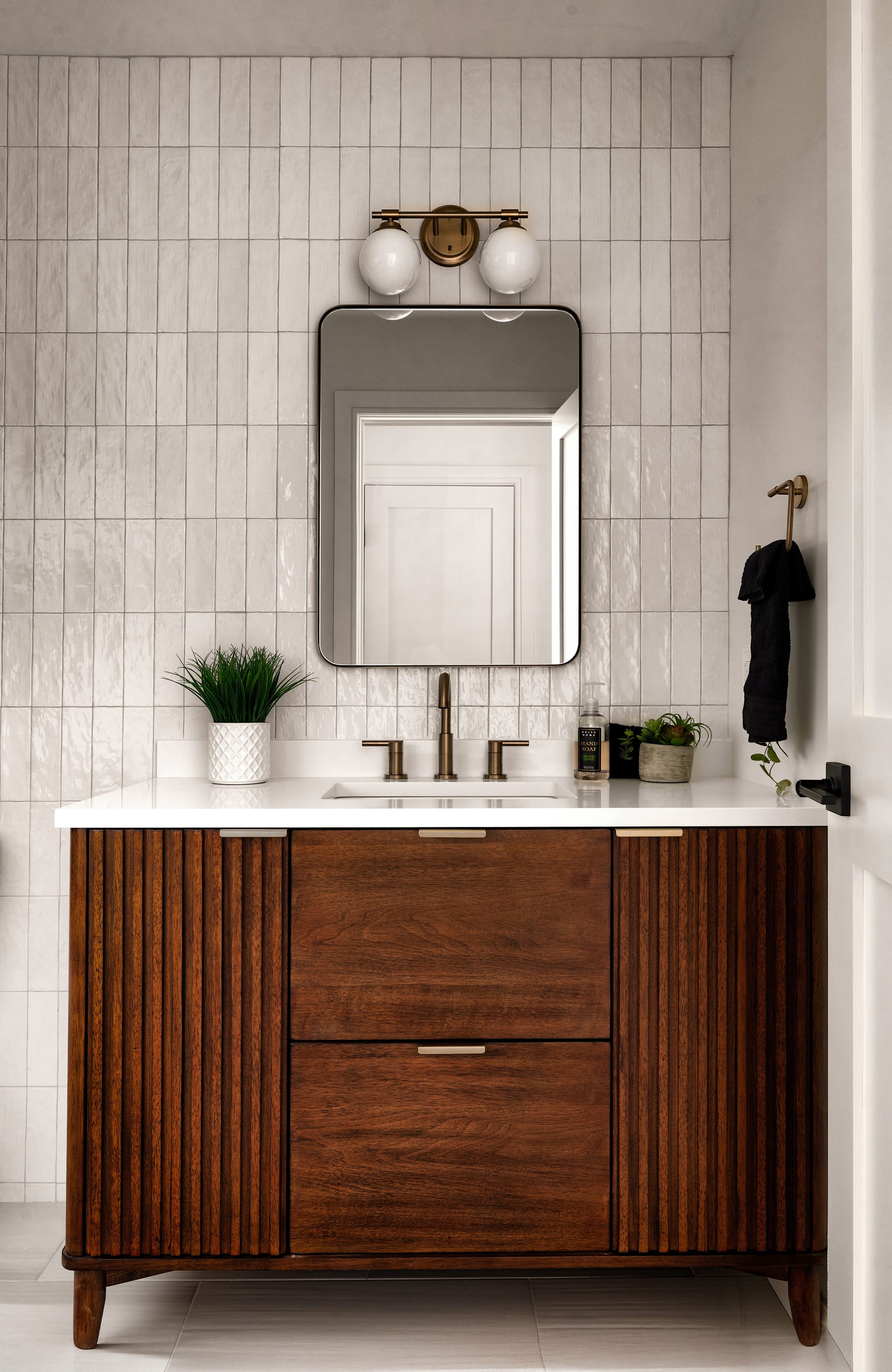
One area where editing is not optional is the correction of vertical and horizontal lines. Architecture is built on structure, and structure demands that verticals stay vertical. When a camera tilts to capture a tall room, walls appear to lean inward. Left uncorrected, this distortion undermines the very sense of order that good design creates.
Careful perspective correction restores those lines to true, allowing the composition to feel stable and deliberate. This is one of the clearest markers of professional work. It is subtle, and most viewers will never consciously notice it, but they will feel the difference between an image that stands upright and one that quietly tilts.
The Question of Small Distractions
Every real space contains elements that pull the eye without adding meaning: a stray cable, a smudge on glass, an exit sign, a reflection of the photographer in a mirror. Removing these is legitimate and expected. They are not part of the design story and their absence does not misrepresent the space. The line is crossed only when removal begins to alter what the room fundamentally is, rather than simply tidying what the eye would have overlooked in person.
Consistency Across a Set
Individual images matter, but design professionals rarely use a single photograph in isolation. A project appears as a sequence across a portfolio, a website, or a printed feature. This is where editing carries a responsibility beyond any one frame.
Color temperature, contrast, and tonal balance must remain coherent from image to image. If one room reads cool and clinical while the next glows warm and golden, the set feels disjointed even if each photograph is fine on its own. A considered edit establishes a visual signature that runs through the entire body of work, so a project feels like a single, intentional narrative rather than a collection of unrelated moments.
A coherent set of images tells one continuous story, while an inconsistent one scatters the viewer’s attention across many.
What This Means When You Commission Work
For architects, interior designers, builders, and hoteliers, a few practical points follow from all of this.
- Ask about the editing philosophy, not just the shooting process. A photographer’s approach to post-production reveals as much about their judgment as their portfolio does.
- Look for images that feel plausible. If a space looks too perfect to exist, guests, clients, or buyers will feel misled when they arrive in person.
- Value consistency. A cohesive set will serve your brand far longer than a handful of individually dramatic frames.
- Allow time. Thoughtful editing is not instantaneous. The care given after the shoot is part of what you are paying for.
The Goal Is Trust
Ultimately, the edit is an act of translation. It takes the limitations of the camera and the complexity of real light and shapes them into an image that feels true to the space it represents. When it is done well, no one thinks about it at all. They simply believe the photograph, and they trust the design it portrays.
That trust is the currency of architectural and interior photography. It is what turns an image into a working tool that wins commissions, drives bookings, and communicates the quality of a designer’s work. Restraint in the edit is not a limitation on creativity. It is the surest path to images that remain convincing and quietly beautiful for years.
If you are planning a project and want photography that reflects your spaces with honesty and lasting craft, Matthew Lekker Photography would welcome the conversation.