The Question of Presence
Most architectural photography is made in silence. Rooms are cleared, corridors emptied, and the space is allowed to speak for itself. This restraint is deliberate and often correct. Yet there are moments when a single figure, quietly placed, changes the entire reading of an image. The decision to include people is not incidental. It is a compositional and editorial choice that deserves the same intention you bring to lighting, framing, and material.
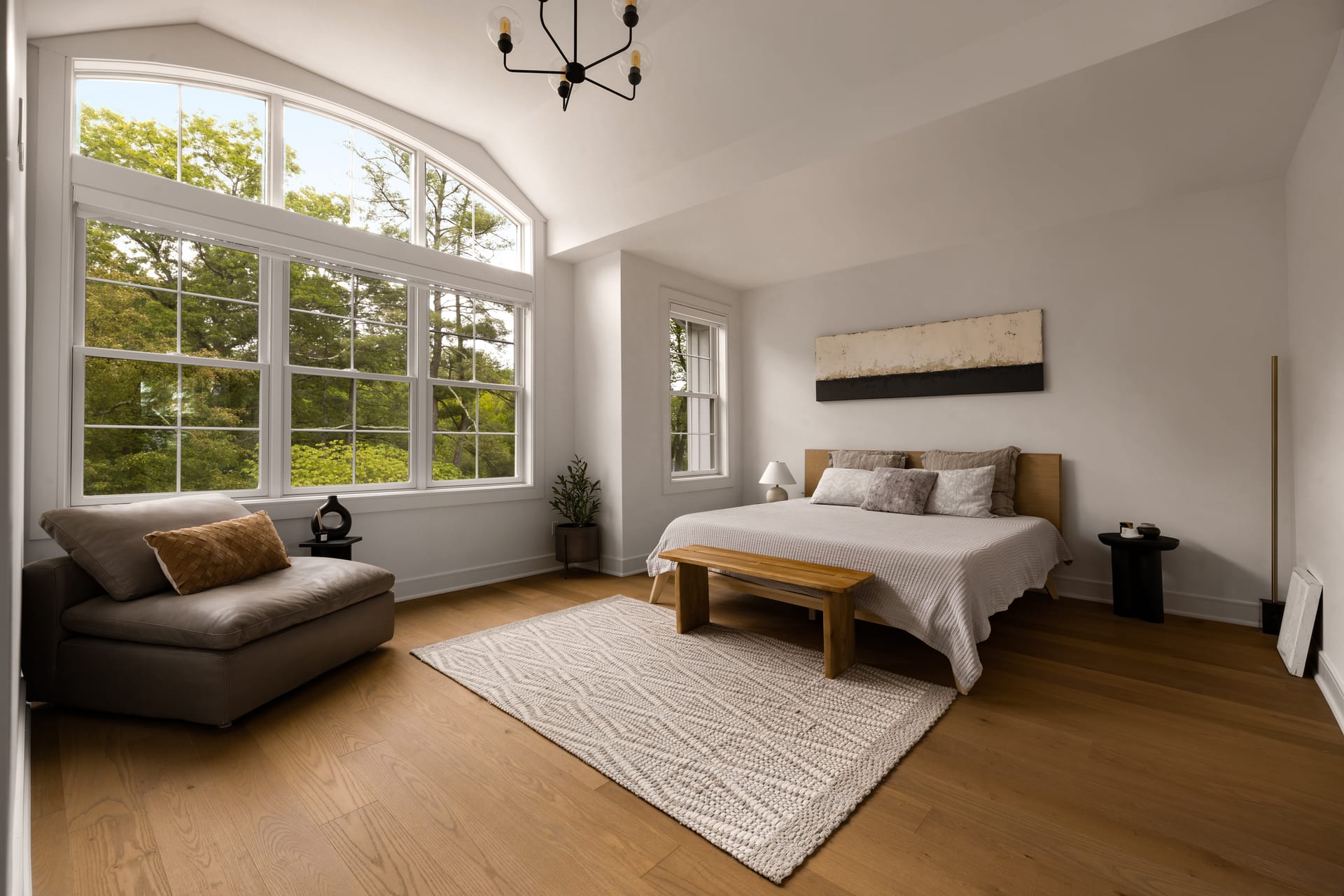
For architects, interior designers, builders, and hoteliers, the presence or absence of people communicates something specific about how a space is meant to be understood. An empty room invites the viewer to imagine themselves within it. A room with a figure tells the viewer how the space is used, at what scale, and with what feeling. Both are legitimate. The skill lies in knowing which story you are trying to tell.
What People Bring to an Image
A human figure introduces three things at once: scale, activity, and warmth. Each has practical value depending on the project.
Scale that the eye can trust
Architectural images often struggle to convey true dimension. A soaring atrium or an intimate reading nook can read ambiguously without a familiar reference. The human body is the most instinctive measure we have. A person seated at a long dining table instantly clarifies its generosity. A figure standing beneath a double-height ceiling makes the ambition of the volume legible in a way no wide-angle lens can.
The human body is the most instinctive measure we have, and a single figure can settle every question the eye is silently asking about scale.
A sense of life and use
Interior photography that includes people answers a question the viewer is already asking: what happens here. A guest reading by a window, a chef at a pass, a family gathered in a kitchen. These moments convey purpose. For hospitality clients in particular, this is often the difference between a photograph that documents a room and one that sells an experience.
Emotional temperature
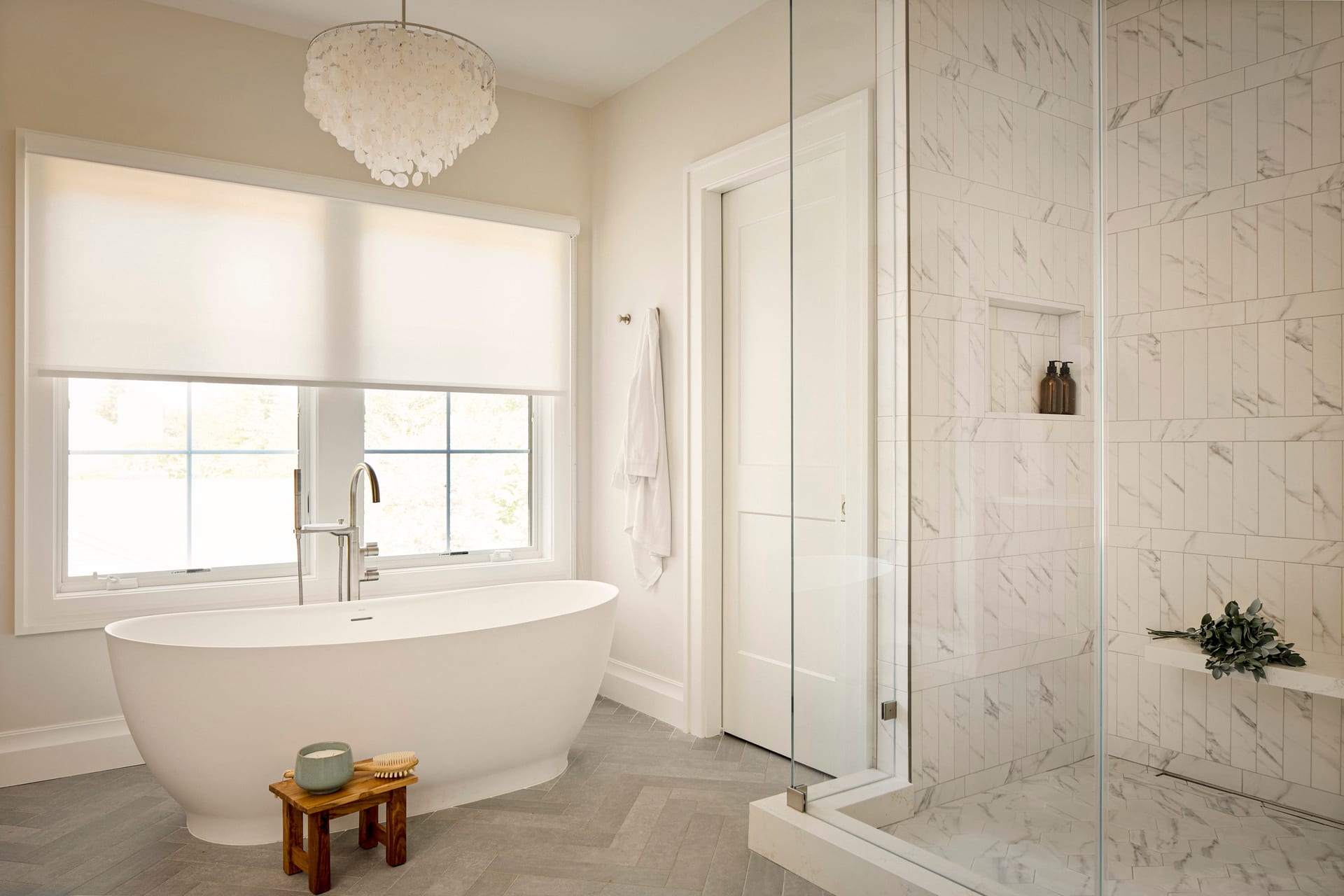
Even a distant, softly focused figure warms an image. It signals occupancy, comfort, and belonging. Spaces designed for gathering, whether a hotel lobby or a residential great room, can feel austere when photographed empty. A person restores the intended mood.
When to Keep the Space Empty
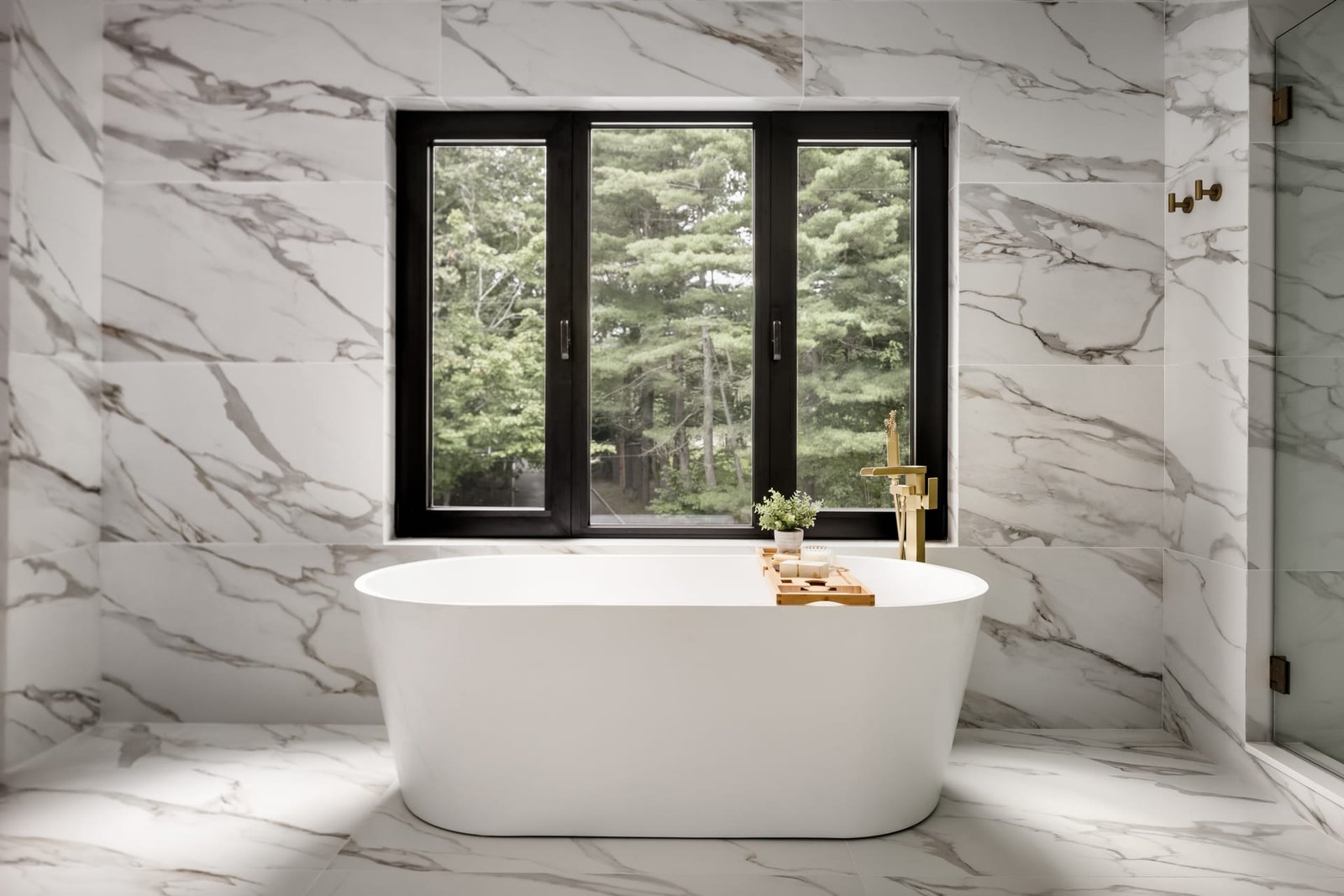
Restraint remains the default for good reason. Architecture and interiors are frequently best understood without distraction. When the subject is the geometry of a staircase, the joinery of a bespoke cabinet, or the way light falls across a plaster wall, a figure competes for attention that belongs to the design itself.
Consider keeping the frame empty when:
- The image is intended for a design portfolio or awards submission, where the work must stand alone
- Craftsmanship and detail are the primary subject
- The composition depends on clean lines and uninterrupted sightlines
- The space is meant to feel calm, contemplative, or timeless
- You want the viewer to project their own presence into the room
Empty rooms also age more gracefully. Clothing, hairstyles, and posture date an image quickly, while an unoccupied interior tends to remain current for years. For architects building a lasting body of work, this longevity matters.
The Craft of Placing a Figure
When people do belong in the frame, the difference between a considered image and an awkward one comes down to execution. A poorly handled figure looks staged, self-conscious, and false. A well-handled one feels inevitable.
Favor the unposed
The most convincing figures are engaged in something plausible and are rarely looking at the camera. A person mid-conversation, mid-step, or absorbed in a task reads as authentic. Direct eye contact turns architectural photography into portraiture and shifts the subject away from the space.
Keep them subordinate to the architecture
The figure should serve the room, not dominate it. This often means placing the person smaller in the frame, at a distance, or partially turned away. Soft motion blur can suggest life without pinning the viewer’s focus to a single face. The architecture remains the protagonist.
A figure should serve the room and never dominate it, present enough to bring life but restrained enough to keep the architecture as the protagonist.
Dress and style with intention
Wardrobe should be neutral and timeless, avoiding logos, bold patterns, and trend-driven silhouettes. The goal is a figure that supports the palette of the room rather than interrupting it. In hospitality work, staff and guests should reflect the brand’s tone without appearing costumed.
Mind the light
People introduce practical complications. They cast shadows, they move, and they must be lit in harmony with the space. Capturing figures often means shooting in natural motion and selecting the frame where posture, expression, and composition align. Patience matters more than direction.
Different Clients, Different Needs
The right approach shifts with the audience for the images.
- Architects and designers generally benefit from a mix: a body of clean, unoccupied images for portfolio and publication, with a smaller selection of occupied frames to convey use and scale.
- Hoteliers often need people to sell atmosphere, though the flagship architectural and interior photography of the property itself is usually strongest empty.
- Realtors almost always favor empty spaces, allowing prospective buyers to imagine their own lives within the rooms.
- Builders tend to want the work itself foregrounded, with figures used sparingly to demonstrate proportion.
A thoughtful photographer will plan the shoot to deliver both registers where the project warrants it, sequencing the day so that clean architectural frames are captured first and occupied variations follow once the space is documented.
A Decision Worth Making Early
Whether or not to include people is best decided in the planning stage, not improvised on the day. It affects scheduling, casting, wardrobe, and the number of setups required. Discussing intended use up front, whether the images are destined for a website, a print campaign, an awards entry, or a booking platform, allows the entire shoot to be shaped around the outcome.
The presence of a figure is neither a gimmick nor a shortcut to warmth. Used with discipline, it clarifies scale, conveys purpose, and brings a room to life. Used carelessly, it distracts from the very work you want to celebrate. The measure of good architectural and interior photography is not whether people appear, but whether every choice, including this one, serves the space.
If you are planning a shoot and weighing how presence might shape your images, we would welcome the conversation at Matthew Lekker Photography.