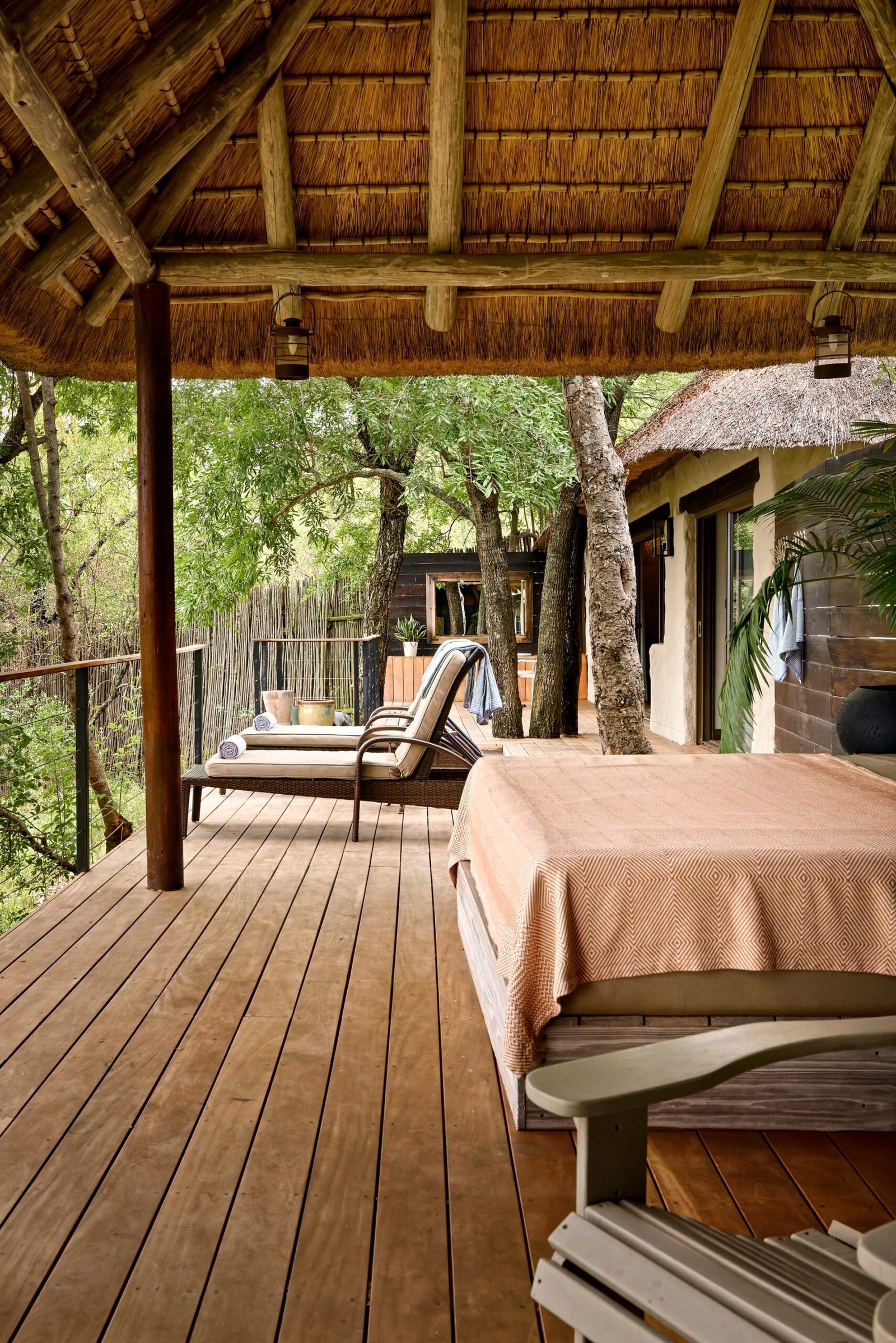
Long before the shutter opens, a photograph is decided. Not by the camera, and not by the light alone, but by the quiet work of preparing a space to be seen. The styling pass is the stage most clients overlook and most experienced photographers treat as essential. It is the difference between a room that happens to be in front of a lens and a room that has been readied for it.
For architects, interior designers, builders, and hoteliers, understanding this process is practical knowledge. It affects your schedule, your budget, and ultimately the strength of the images that will represent your work for years. Here is how a space becomes photograph-ready, and how you can contribute to that outcome.
Why a Room Rarely Photographs as It Lives
A lived-in room and a photographed room are not the same thing, and they are not meant to be. The eye forgives clutter because it moves, blinks, and ignores. The camera does none of this. It holds a single frame still and renders every object within it with equal attention. A phone charger on a console, a slightly crooked cushion, a visible cable behind a lamp: the eye skips past these, but the lens records them as permanent facts.
The eye forgives clutter because it moves; the camera holds everything still and judges nothing kindly.
This is why architectural photography and interior photography depend on a deliberate reset of the space. The goal is not to falsify how a room functions, but to clarify it. A styling pass removes the visual noise that competes with the design decisions you want seen. It lets the millwork, the proportion, the material palette, and the light carry the image without distraction.
What the Styling Pass Actually Involves
There is a rhythm to preparing a space, and it tends to move from the large and obvious to the small and nearly invisible. The work compounds. Each layer removed or adjusted reveals the next thing that needs attention.
The Subtraction Phase
Most styling begins with taking things away. Rooms are almost always improved by removal before anything is added. A surface holding six objects usually reads better with two. This phase addresses the practical residue of daily use:
- Remote controls, chargers, and visible cables
- Waste bins, cleaning supplies, and personal toiletries
- Excess furniture that crowds circulation or blocks sightlines
- Promotional materials, branded packaging, and paperwork
- Refrigerator magnets, sticky notes, and small adhesive clutter
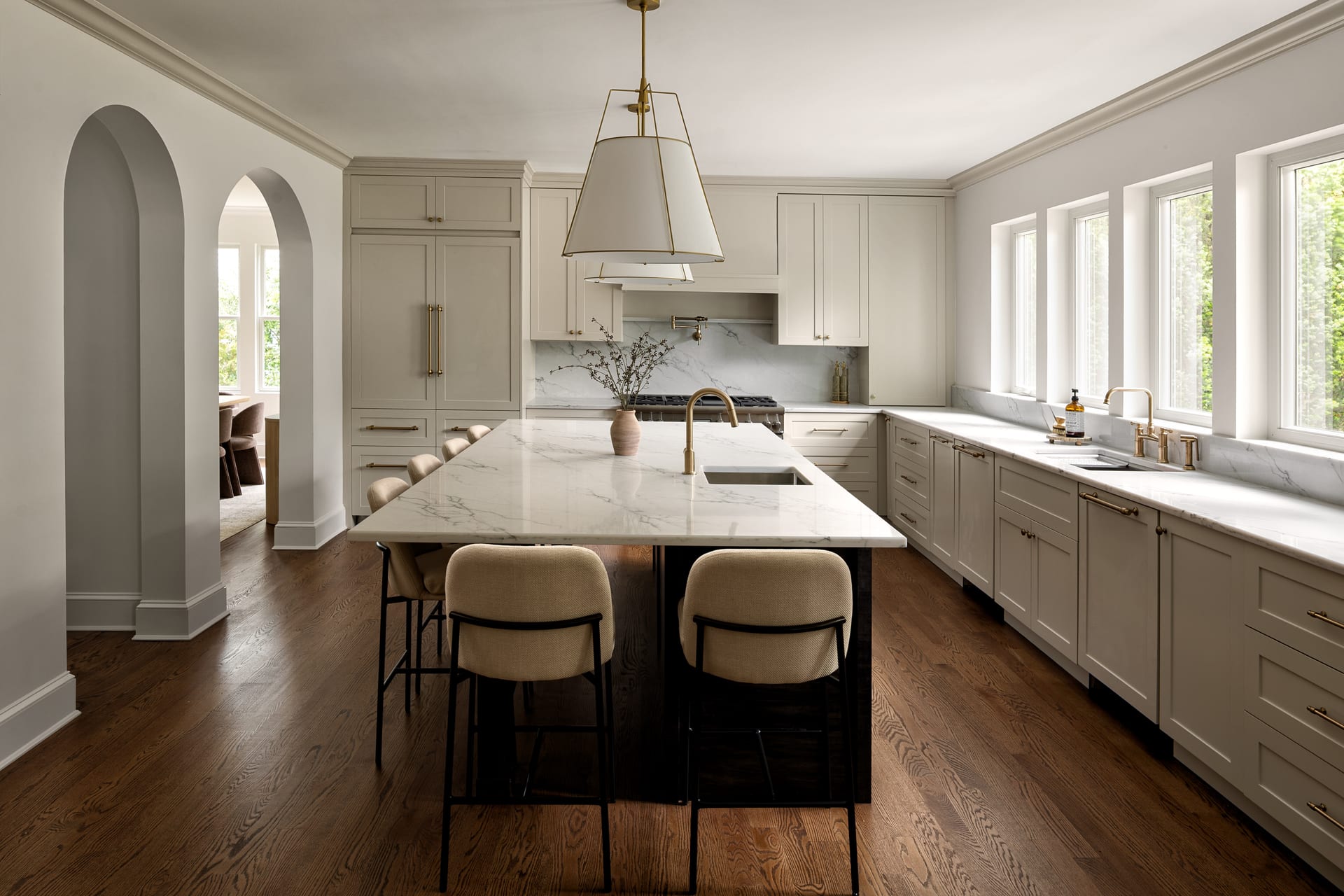
For hospitality interiors in particular, subtraction matters enormously. A guest room reads as calm and considered only when the operational elements of hotelkeeping are tucked away. The same is true of a kitchen a builder wants to present: clear the countertops, and the cabinetry and stone finally have room to speak.
The Correction Phase
Once a space is cleared, the small misalignments become visible. This is the slow, patient part of the work, and it is where a photographer’s eye earns its place. Cushions are angled rather than squared. Drapery is dressed into even folds. Chairs are pulled a precise distance from the table. Books are straightened or deliberately layered. A rug is nudged into parallel with the room’s dominant lines.
None of this is arbitrary. Each adjustment responds to how the frame will read. A cushion that looks fine standing in the doorway may look tilted through a specific lens from a specific height. Styling and composition are not separate tasks; they inform one another continuously throughout a shoot.
The Addition Phase
Only after subtraction and correction does anything new enter the frame. Additions are measured and intentional: a bowl of fruit for color, a folded throw for texture, fresh stems for life, a tray that gives a surface purpose. The aim is to suggest that a space is inhabited by someone with taste, not to stage a fiction. A single well-chosen object can warm an entire room; three poorly chosen ones can cheapen it.
Styling is not decoration added to a room, but the removal of everything that keeps the room from being seen clearly.
How Design Professionals Can Prepare in Advance
The most productive shoots begin with preparation on the client’s side. You know your project more intimately than anyone, and an hour of readiness before the photographer arrives protects the entire day. A few guidelines consistently pay off.
Clean Thoroughly and Early
Glass, mirrors, and polished surfaces reveal every fingerprint and streak under directional light. Floors show dust the eye never notices. A deep clean the day before, rather than the morning of, gives surfaces time to settle and gives everyone margin before the first frame.
Gather, Don’t Discard
When clearing a space, resist the urge to hide items permanently out of reach. Place removed objects in a nearby staging area. Styling is iterative, and an object that leaves one room may return to serve another. Having the project’s furnishings and accessories accessible gives the photographer options.
Address the Overlooked
- Replace burnt-out bulbs and ensure all fixtures match in color temperature
- Hide or route cables before the shoot rather than during it
- Confirm that blinds and drapery operate smoothly and evenly
- Check that any visible exterior view is tidy, as it will appear in the frame
For realtors working on tighter timelines, even a partial version of this preparation lifts the final images considerably. You will not always have the luxury of a full styling kit, but subtraction costs nothing and returns the most.

The Collaboration Between Stylist and Photographer
On larger projects, a dedicated stylist and the photographer work as a pair, moving through the space together. The photographer frames, the stylist refines, and the two trade small observations until the composition resolves. On smaller projects, the photographer carries both roles, which is why many of us arrive with a modest kit of our own and a willingness to spend time getting a room right.
What matters for the design professional is understanding that this time is not wasted. A frame that takes forty minutes to style and five seconds to capture is a frame that will serve your portfolio, your publications, and your clients for a decade. The styling pass is where a good photograph of a space quietly becomes a lasting one.
If you are preparing a project for photography and would like a thoughtful, collaborative approach to readying your space, I would be glad to hear from you.
Add us as a preferred source on Google
Add as preferred source