Rethinking a Borrowed Rule
Golden hour has become one of photography’s most repeated pieces of advice. In landscape and portrait work, the low, warm light of early morning and late afternoon flatters nearly everything it touches. Designers and architects often arrive at a shoot expecting that same window to serve their spaces. Sometimes it does. Often it does not. Architectural photography and interior photography operate under constraints that landscape work never encounters, and the golden hour rule, borrowed uncritically, can quietly work against the very qualities you want to show.
The question is not whether warm light is beautiful. It is whether warm light tells the truth about your space, and whether it arrives at an angle that reveals rather than distorts. A room is not a mountain range. It has walls that block light, finishes that shift color, and interiors designed to be experienced from within. Understanding how light actually behaves inside a building is more useful than inheriting a rule written for the outdoors.
What Golden Hour Does Well
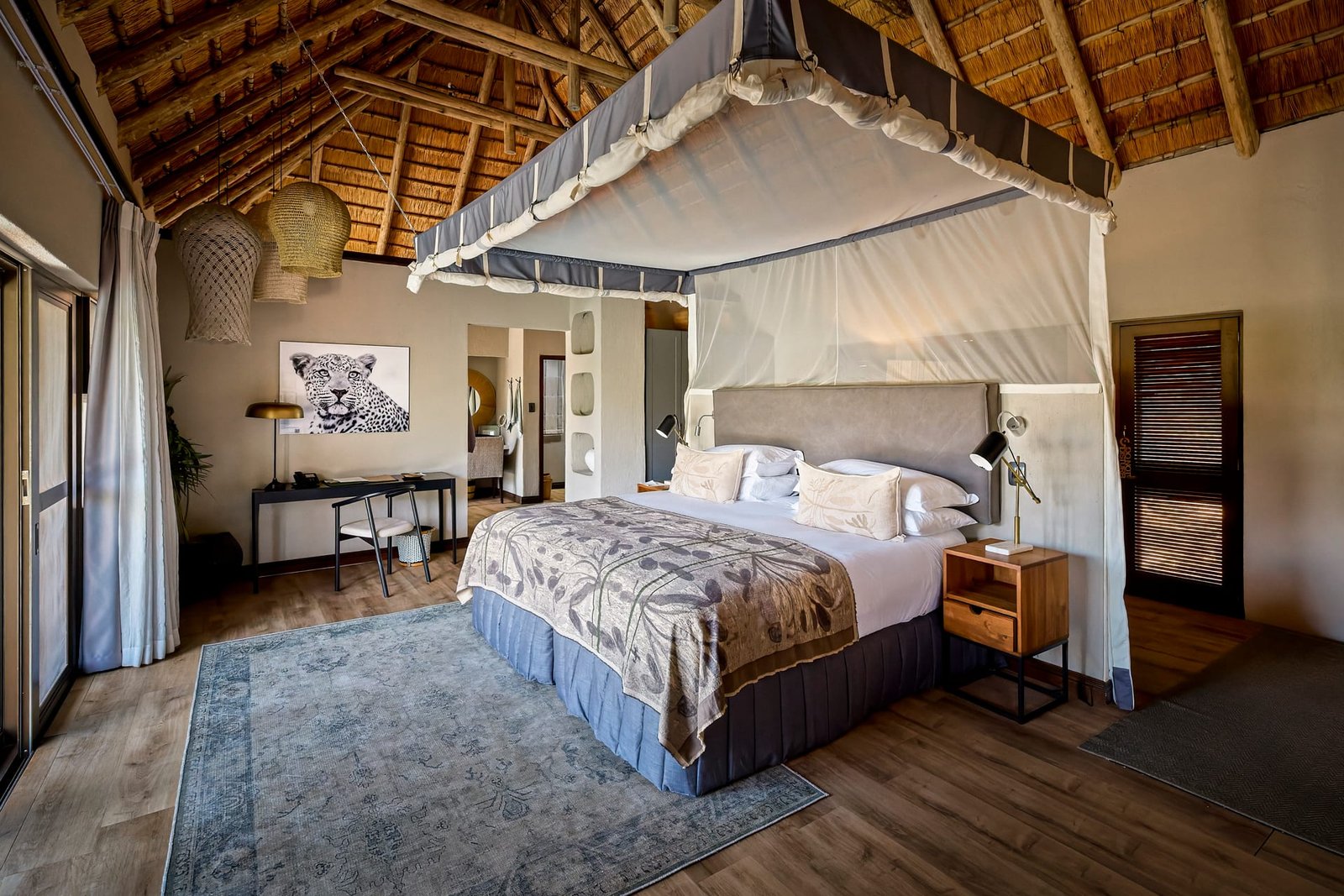
There are moments when the golden hour reputation is entirely earned. A west-facing living room with generous glazing, photographed as the sun lowers, can fill with a directional warmth that feels lived-in and gracious. Long rakes of light across a timber floor describe texture and grain better than any midday exposure. For exteriors, the low angle models form, carves shadow into facades, and gives stone and brick a depth that flat overhead light flattens away.
Golden hour excels when the architecture is designed to capture it. Deep overhangs, clerestory windows, courtyards, and thoughtfully oriented openings all come alive when the sun sits low and the sky warms. In those cases, timing the shoot to the light is not indulgence; it is accuracy. You are photographing the building performing as intended.
Golden hour serves a space only when the architecture was designed to receive it.
Where It Belongs
- West or east-facing rooms with large, unobstructed glazing
- Exterior elevations that benefit from raking, directional sun
- Spaces where warmth is central to the intended mood
- Outdoor terraces, pools, and transitional thresholds between inside and out
Where the Myth Breaks Down
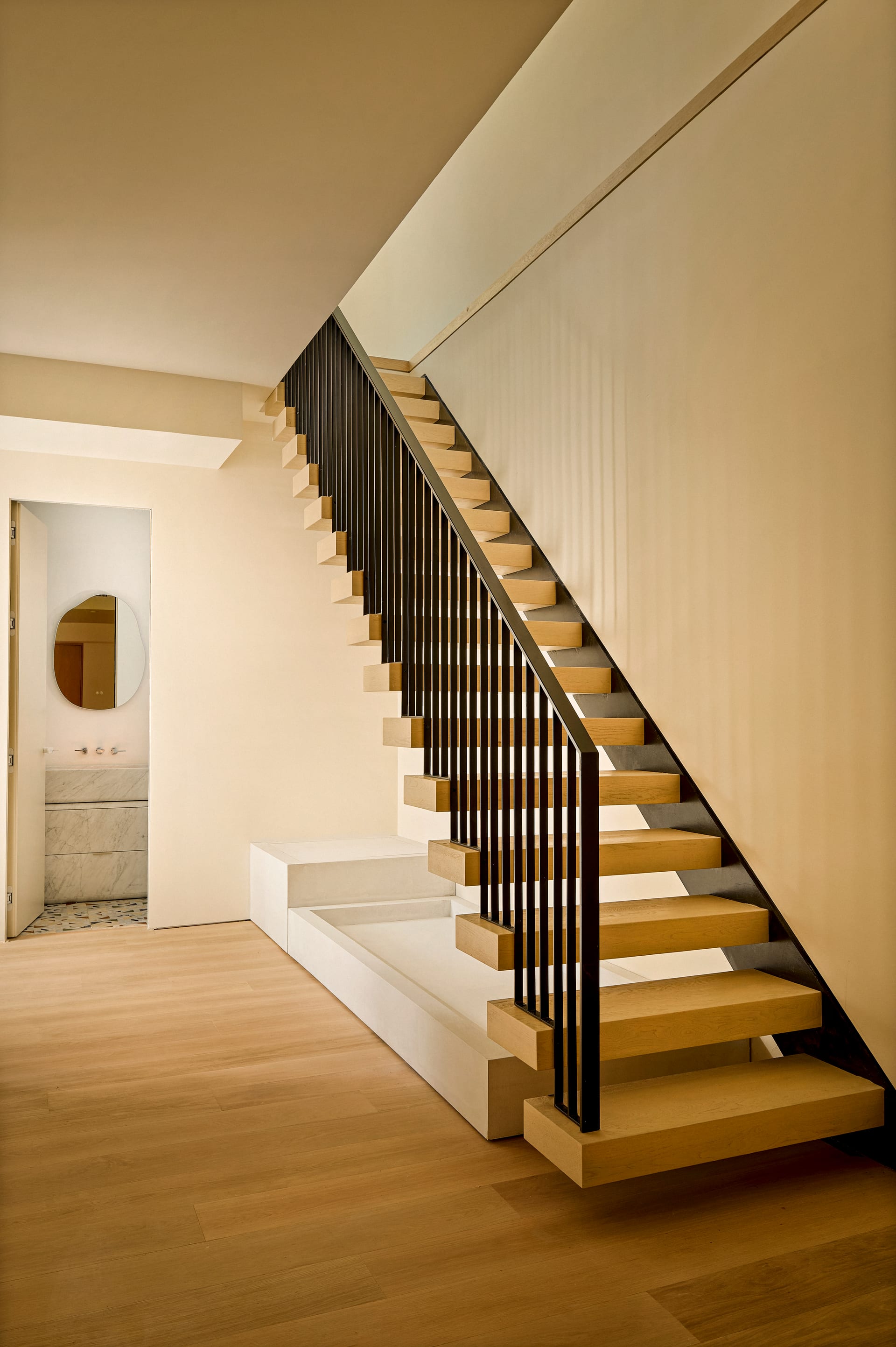
The trouble begins when golden hour is treated as universal. Many interiors receive no direct sun at the end of the day, or receive it only through a single window that leaves the rest of the room in deepening gloom. As the sun drops, the dynamic range between a bright window and a shadowed corner widens dramatically. What the eye forgives, the camera exaggerates. You end up with blown highlights at the glass and muddy, underexposed depths across the plan.
Color is the second casualty. Golden light is, by definition, warm, and it pushes every finish toward amber. A carefully chosen cool grey can read as beige. Crisp whites turn cream. For designers who have agonized over a precise paint selection or a specific stone, a photograph that renders everything golden is not flattering. It is inaccurate. The image fails its single most important job, which is to represent material decisions honestly.
There is also a practical cost. Golden hour is brief, perhaps forty minutes of usable quality, and it moves fast. Building an entire shoot of ten or fifteen rooms around that narrow window is simply not feasible. The light will have changed before you reach the second space, and chasing it leads to rushed, inconsistent work.
The Case for Soft, Ample Daylight
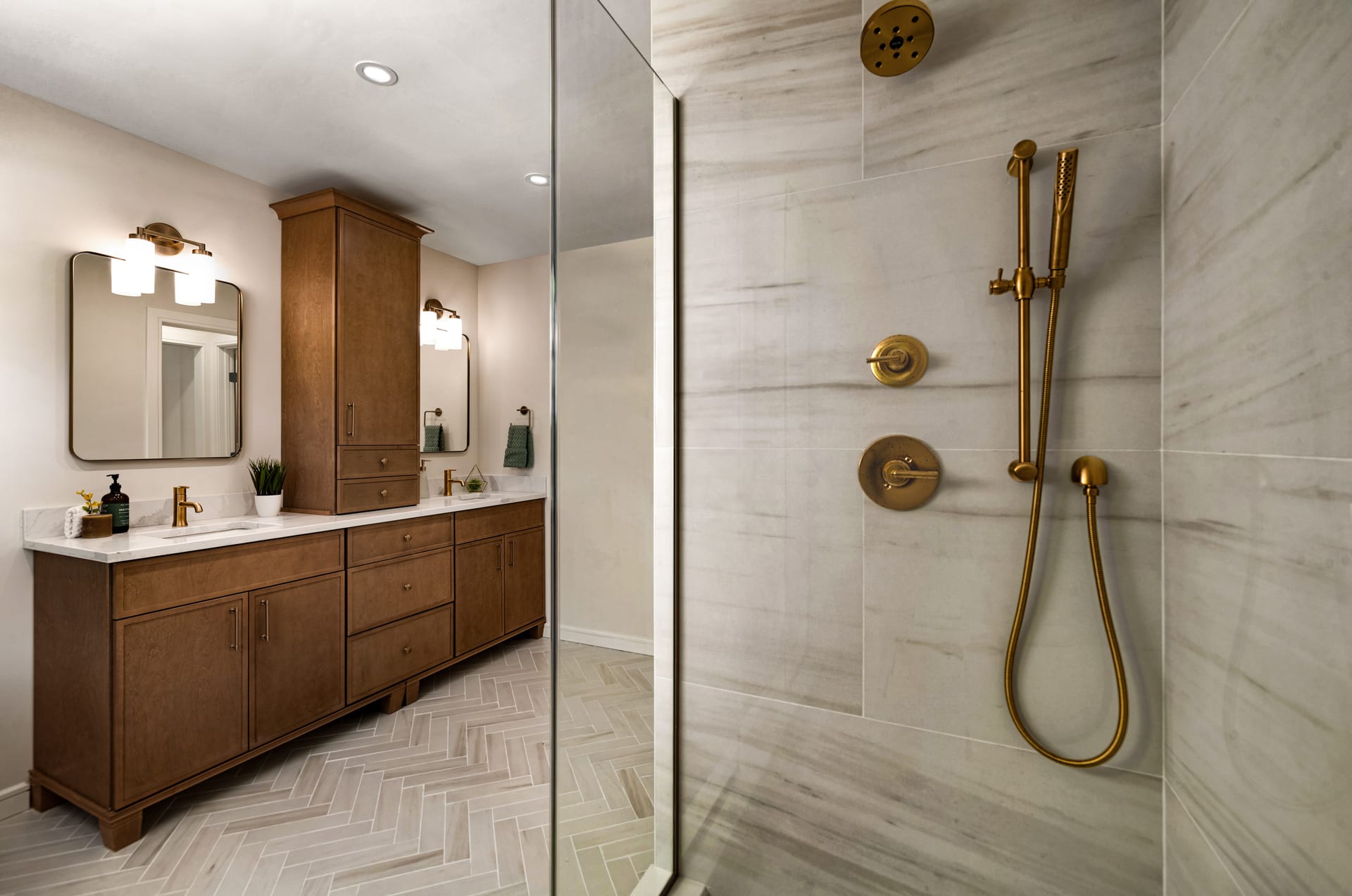
For most interiors, the more reliable ally is bright, even daylight, often through the middle of the day when a space is fully illuminated. Overcast conditions, frequently dismissed, are among the most forgiving for interior photography. A high, soft sky acts as an enormous diffuser, lifting shadows, balancing the range between window and interior, and rendering color with fidelity. Finishes read true. Rooms feel open rather than theatrical.
This does not mean abandoning mood. It means building mood deliberately, through composition, styling, and controlled supplementary light, rather than surrendering it to whatever the sky happens to be doing at six in the evening. A well-made interior image often combines ambient daylight with careful management of the artificial fixtures a designer specified, so that lamps and pendants register as intentional glows rather than hot spots.
Even daylight does not flatten a room; it lets the room’s own decisions speak for themselves.
Questions to Ask Before Timing a Shoot
- Which direction do the main windows face, and when does usable light enter?
- Is warmth essential to this space, or would it distort the palette?
- How many rooms need to be covered, and can one light window serve them all?
- Does the exterior benefit from low sun while the interior prefers soft, higher light?
Planning Light Room by Room
The most practical insight is that a single building rarely has one correct hour. A good shoot schedule maps light to spaces. East-facing bedrooms are photographed in the morning while the sun is on that side. Living areas facing west are saved for later. North-facing rooms, which receive steady, cool, indirect light all day, can be photographed almost any time and often look their best under that quiet consistency. Exteriors are slotted into the low-sun windows at either end of the day.
This room-by-room approach replaces the myth of a single magic hour with a more honest truth: every space has its own best moment, and the photographer’s job is to find it. For hoteliers and realtors in particular, where a property must feel both accurate and inviting across many rooms, this disciplined sequencing matters far more than chasing a sunset.
A Note for Builders and Realtors
In faster-paced property and marketing work, the instinct is often to book late-day sessions for that warm glow. For a hero exterior, this can be right. But interiors photographed in the same window frequently come back dim and uneven. Scheduling interior coverage for the brightest, most even part of the day, and reserving golden hour for a single exterior or twilight image, produces a stronger, more consistent set.
The Rule Behind the Rule
Golden hour is not wrong. It is simply specific. Treated as one tool among several, it earns its place for the right room, the right facade, the right intended feeling. Treated as a mandate, it narrows your options and often misrepresents the work. The deeper principle is that light should serve the space and the design decisions within it, not the other way around. In architectural photography, the question is never what time looks prettiest in the abstract, but what light tells the truth about this particular building.
If you would like help planning a shoot around the way light actually moves through your spaces, Matthew Lekker Photography would be glad to hear from you.
Add us as a preferred source on Google
Add as preferred source