The Case for a Human Trace
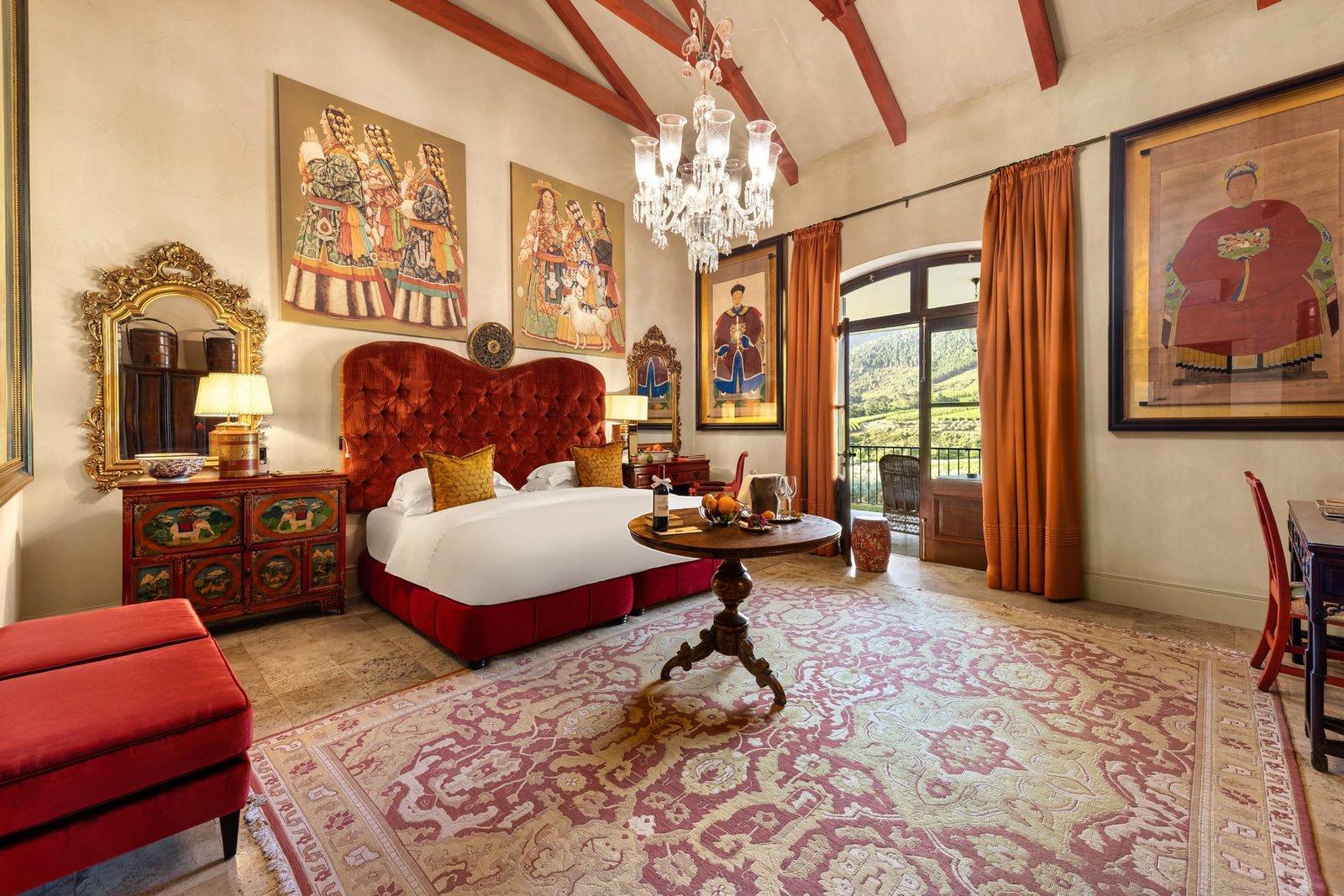
Most architectural photography is made in rooms emptied of people. This is deliberate. A space photographed without occupants reads clearly, its geometry undisturbed, its design decisions legible. Yet the most memorable interior photography often carries something softer underneath the precision: the quiet suggestion that someone belongs here. Not a model mid-stride, not a staged family at the kitchen island, but a trace. A sign that the room is meant to be used, and used well.
For architects, interior designers, builders, and hoteliers, this distinction matters. A space that looks too perfect can read as sterile, more showroom than home, more rendering than reality. The human trace is the gentle counterweight. It keeps a beautiful image honest, and it invites the viewer to imagine themselves inside the frame.
A room without people can still feel occupied, if the photograph remembers that someone lives there.
What a Trace Actually Looks Like
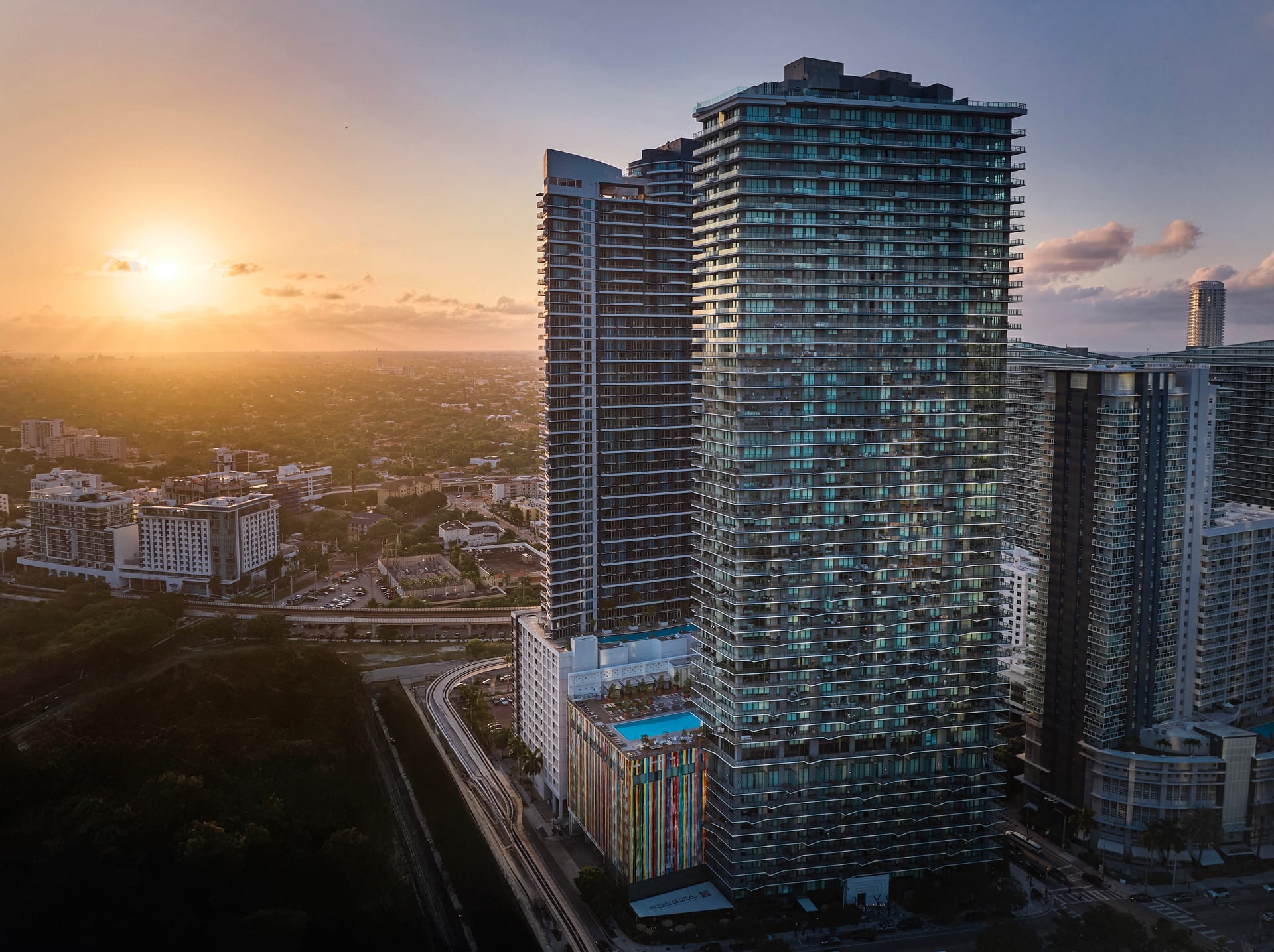
The human trace is rarely a person. It is the evidence of one. It works precisely because it is subtle enough to suggest rather than announce. The viewer’s eye registers it almost without noticing, and the room warms by a degree.
- An open book resting face-down on the arm of a chair
- A throw slightly askew, as though recently set aside
- A single cup on a saucer, steam optional but implied
- Reading glasses folded on a stack of monographs
- A coat on a hook near the threshold
- Fresh produce on the counter, or a board with a knife laid down
Each of these carries a story that is pleasantly incomplete. The viewer finishes it. That act of completion is what makes the image feel inhabited, and it is the same instinct designers rely on when they stage a room to feel generous rather than merely finished.
Restraint Is the Whole Discipline
The failure mode here is clutter. A trace stops working the moment it becomes a scene. One book reads as a pause in someone’s day; five books fanned across a table read as styling. The skill lies in knowing when to stop. A single, well-chosen object placed with intention will always outperform a surface crowded with props trying to manufacture life.
In practice, this means editing on set with discipline. We often add an element, photograph it, and then remove half of what we added. The goal is a frame that feels natural, not arranged, even though every object in it was placed by hand.
Where the Trace Belongs in the Frame
Placement is as considered as everything else in architectural and interior photography. A human trace should support the composition, not fight it. Dropped into the center of a frame, a coffee cup becomes the subject. Set quietly into the foreground or along a leading line, it becomes depth, scale, and warmth at once.
Using the Foreground
Objects placed near the camera anchor the image and pull the viewer into the room. A hat on a bench in the near field, slightly soft, tells us the space is entered and left. It gives the eye a place to begin before it travels into the architecture beyond.
Reading the Light
A trace often works best where light already gathers. A glass catching a window’s glow, a book lit by a lamp, a kettle on a stove under directional afternoon light. Pairing the human element with the strongest light in the room doubles its effect: it feels both intentional and incidental, which is exactly the balance we are after.
The most convincing warmth in a photograph is the kind that looks like no one arranged it at all.
The Trace by Project Type
How much human presence a project can bear depends entirely on what the photograph is meant to do.
Residential Interiors
Homes invite the most generous use of the trace. A lived-in residence should feel like someone’s actual life, refined but real. This is where throws, books, half-finished cups of coffee, and open doors earn their place. For interior designers presenting a completed home, these touches communicate that the design functions day to day, not just under studio conditions.
Hospitality
For boutique hotels, the human trace becomes aspirational. A robe left over a chair, a book on the nightstand, a tray with two glasses on the terrace at dusk. These suggest the guest experience without ever picturing a guest. They let the viewer step into the room in their imagination, which is precisely what a hotelier wants a prospective visitor to do.
Architecture and New Builds
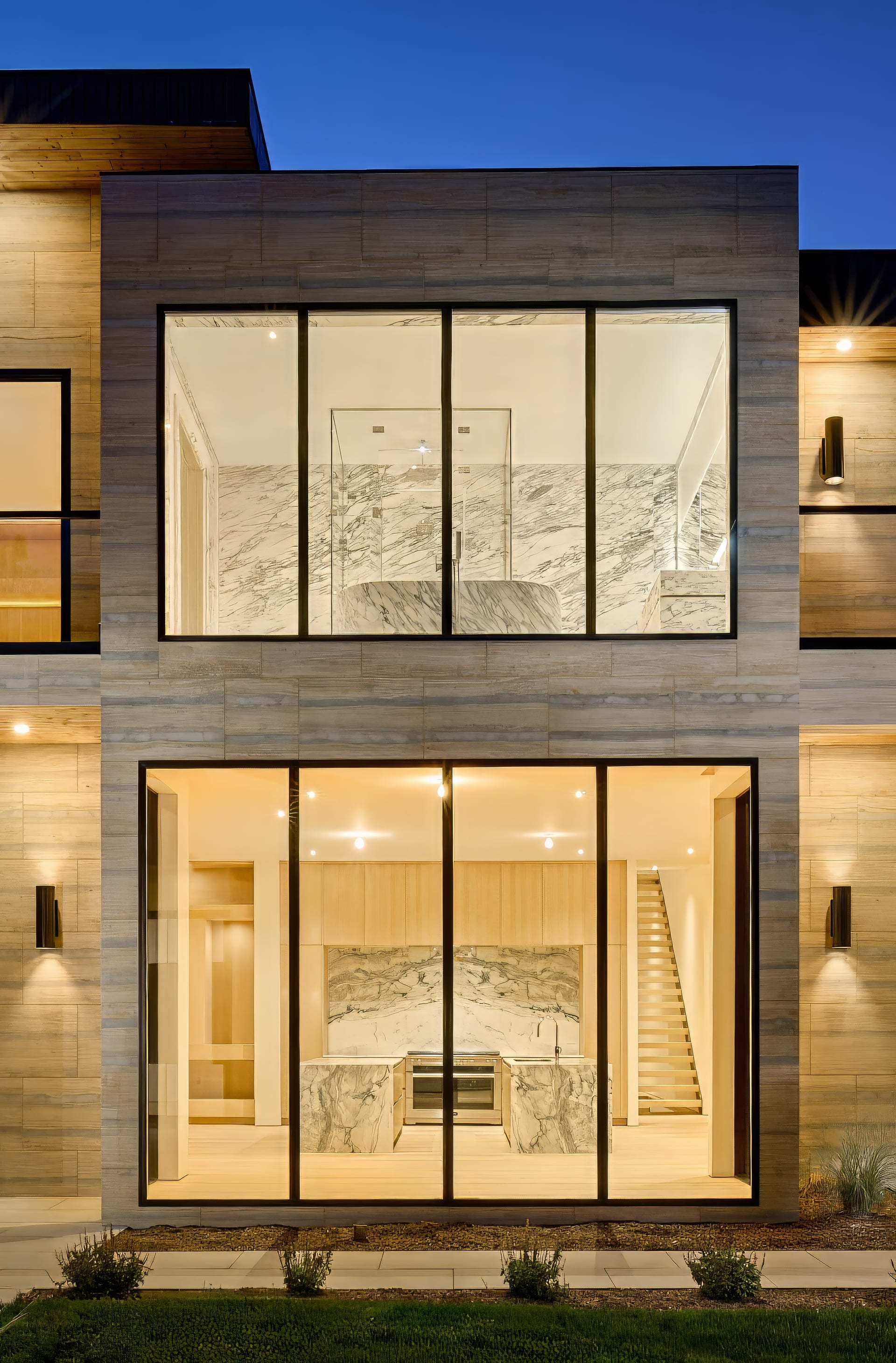
Here, restraint tightens considerably. An architect’s work often wants to be read as pure form, and too much domestic clutter undermines that reading. Yet even a stark, powerful building benefits from one quiet sign of occupation to establish scale and purpose. A single chair angled toward a view, or a pair of shoes at a threshold, can humanize a bold structure without diminishing it.
Real Estate
For realtors, the balance leans toward neutral aspiration. The trace should suggest a life the buyer might lead, not the life of the current owner. Light, generic warmth works best: a bowl of fruit, a folded newspaper, a vase of simple greenery. Personal and specific details are removed so the buyer can project freely.
How to Prepare a Space for the Trace
Much of this is decided before the camera comes out. When we walk a space with a client, we are already noting which surfaces can hold a story and which should stay clean. A few principles guide the work.
- Choose objects that belong to the space’s intended life, not borrowed props that feel foreign
- Favor natural materials and muted tones that recede rather than compete
- Keep anything branded, dated, or overly specific out of frame
- Let one element carry the story per image, and let others rest
- Photograph the clean version and the traced version, so the edit has options
That final point is worth emphasizing. We nearly always capture both. Some images in a set want the quiet of an empty room to let the architecture speak; others want the warmth of a trace. A well-sequenced gallery moves between the two, and the contrast gives the whole story rhythm.
The Quiet Goal
The human trace is ultimately an act of generosity toward the viewer. It acknowledges that spaces exist to be lived in, worked in, rested in, and it invites the audience to picture themselves doing exactly that. Done with restraint, it never reads as styling. It reads as truth: a room that is ready, that is cared for, that waits for someone to arrive.
For the design professional, this is the difference between a photograph that documents a space and one that makes a viewer want to stand inside it.
If you have a project that deserves this kind of considered, lived-in storytelling, we would be glad to hear from you at Matthew Lekker Photography.
Add us as a preferred source on Google
Add as preferred source