The Case for Arriving Early
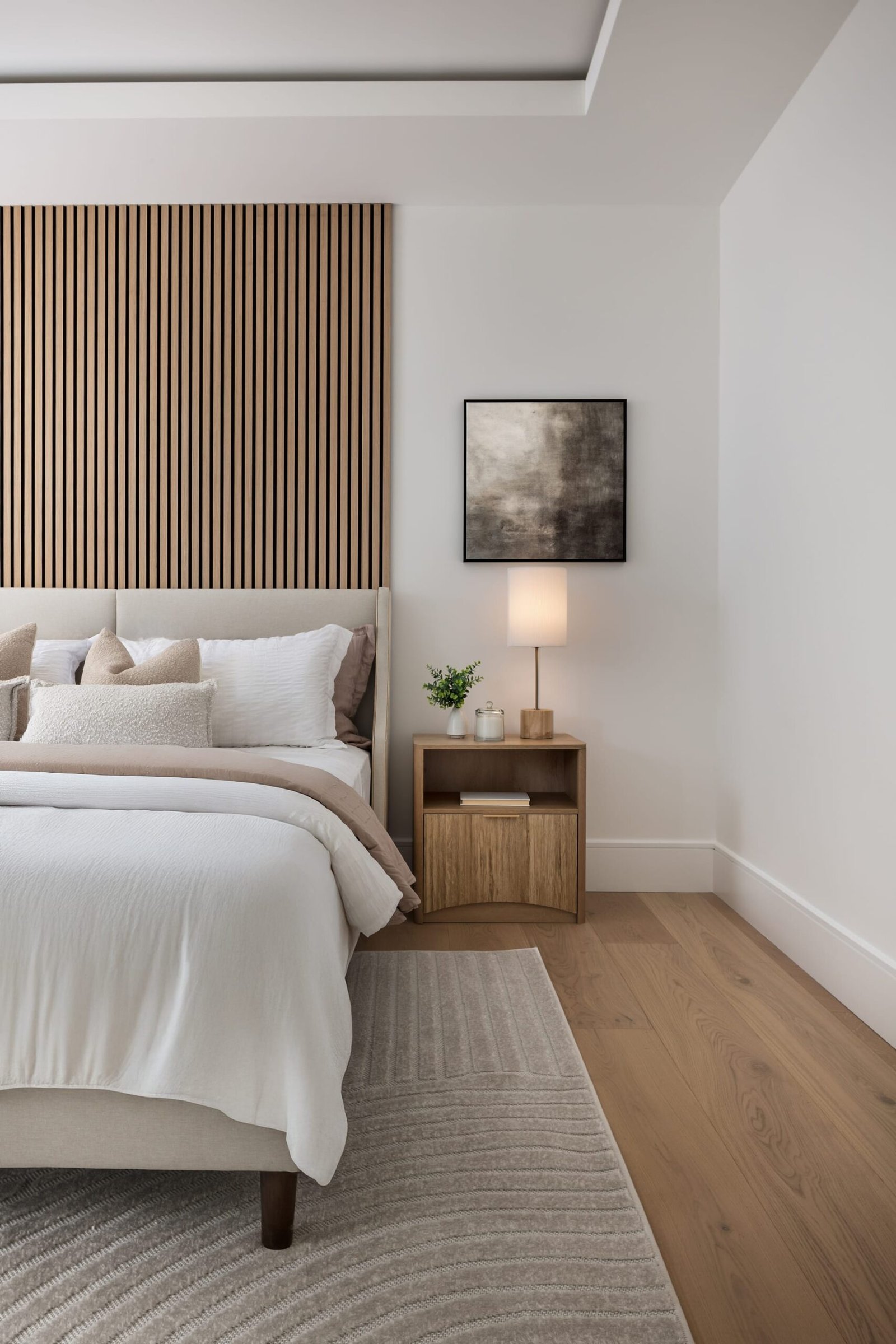
Every strong photograph begins long before the shutter is pressed. In architectural photography, the quality of a final image owes as much to preparation as to execution. A scout, whether conducted days ahead or in the quiet hour before a shoot, is where decisions are made calmly, without the pressure of a ticking schedule or a crew waiting on direction.
For design professionals, the scout is often the most undervalued part of the process. It is tempting to treat it as logistics, a quick walk-through to confirm access and parking. In truth, it is the moment the photograph is designed. The angles, the sequence, the light, the small corrections a space will need, all of these are understood during the scout and simply confirmed on the day.
A scout is not preparation for the photograph; it is the first draft of the photograph.
Reading the Space as a Whole
When I walk into a space for the first time, I resist the urge to lift the camera. The eye works differently when it is not framing. I move through the rooms the way a guest or an occupant would, following the natural path of circulation, noticing where the space opens and where it compresses. This is how the building wants to be understood, and often how it wants to be photographed.
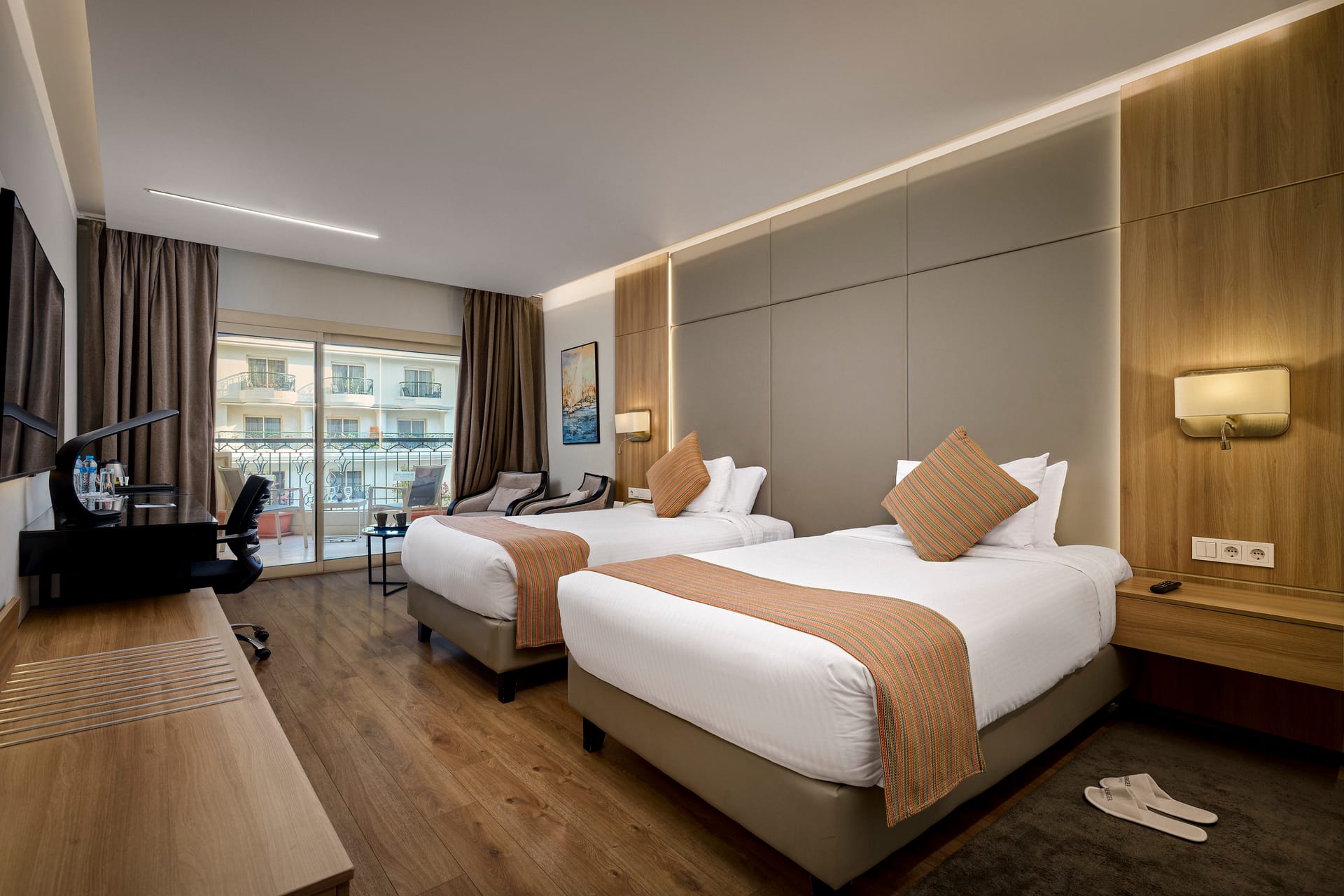
For interior photography in particular, the first pass is about hierarchy. Which room carries the identity of the project? Which view will become the image a client returns to? A boutique hotel lobby, a kitchen island, a stair that anchors a home, these hero moments deserve the most consideration, and the scout is where they declare themselves.
Questions Worth Asking on the First Pass
- Where does the space feel most itself, and from which position is that legible in a single frame?
- What is the natural sequence a visitor experiences, and can the images honor that order?
- Which elements are permanent, and which are temporary clutter that will clear before the shoot?
- Where do sightlines carry the eye deeper into the space, and where are they interrupted?
Tracking the Light Across the Day
Light is the single variable that cannot be moved, only waited for. A scout allows me to map how daylight travels through a space, which is impossible to improvise on the day. A west-facing living room that falls flat at nine in the morning may become extraordinary at four in the afternoon. A hotel courtyard may hold its best light for only twenty minutes.
When possible, I scout at or near the hour I intend to shoot. When that is not possible, I read the orientation of the windows and the position of the sun to predict behavior. Knowing where light will fall, and where it will leave a plane in shadow, lets me build a shooting order that chases the best conditions room by room rather than fighting them.
You cannot reposition the sun, so the scout is where you learn to arrive in step with it.
Building a Shot Order Around Light
The scout produces something practical: a sequence. Rather than moving through a project geographically, floor by floor, I order the shots by when each space looks its best. An east-facing breakfast room is captured first, a shaded study held until midday when its light is even, an exterior reserved for the softer end of the afternoon. This rhythm protects the day from wasted hours and gives both photographer and client a shared plan.
Noticing What Will Need to Change
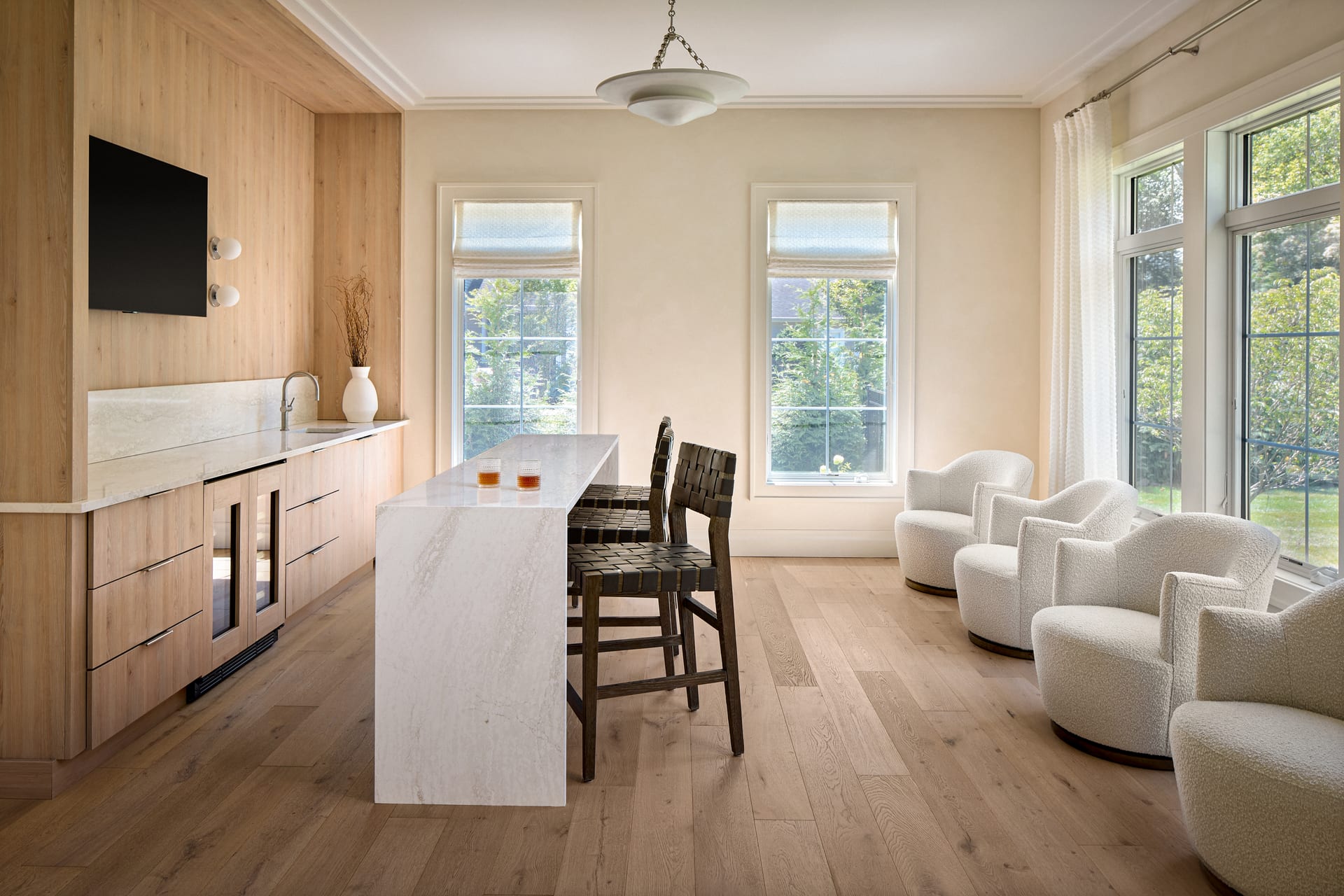
Spaces as they are lived in or built are rarely camera-ready. The scout is where I take quiet inventory of what will distract the frame. A trailing cable, a thermostat at an awkward height, a chair that blocks a sightline, a stack of mail on a console. None of these are problems if they are anticipated. All of them cost time if discovered through the viewfinder.
For builders and realtors, this attention matters commercially. A room photographed with a cluttered worktop reads as unfinished, regardless of the quality of the construction. For interior designers, it is a matter of authorship, the difference between a space that looks styled with intention and one that looks merely occupied. I note these items on the scout and share them, so corrections can be made before the shoot rather than during it.
A Short List for the Walk-Through
- Visible cords, remotes, and switch plates that break a clean surface
- Furniture positioned for daily use rather than for the frame
- Reflective surfaces that may catch unwanted gear or glare
- Fresh flowers, linens, or finishing touches that elevate without overwhelming
The Scout as a Shared Language
A scout is also a conversation. When an architect or designer joins the walk-through, we align on what the project is about before a single image exists. They tell me the intent behind a material choice, the proportion they fought to protect, the view they designed a window to capture. That knowledge directs the camera more surely than any aesthetic instinct of mine alone.
This is especially true in hospitality work, where a space carries a brand as much as a design. A hotelier may want the warmth of the bar to read above all else, or the calm of a guest room to feel unhurried. Understanding these priorities during the scout means the photographs will serve the business, not merely document the architecture.
When a Scout Is Not Possible
Not every project allows a separate visit. Distance, budget, and timing sometimes mean the scout and the shoot happen on the same day. In these cases, the principles still hold, compressed into the first hour on site. I arrive early, walk the space without the camera, read the light, flag the corrections, and build the sequence before setting up. The discipline matters more than the calendar.
What I avoid is beginning to photograph the moment I arrive. The images made in the first ten minutes of a rushed, unscouted shoot are almost always the ones later discarded. The time spent looking is never lost; it is repaid in every frame that follows.
The Quiet Advantage
A considered scout changes the character of a shoot day. It replaces improvisation with intention. It gives everyone involved, from the designer to the crew to the photographer, a clear and shared understanding of what the day is for. The resulting architectural and interior photography feels composed rather than captured, because the thinking happened before the pressure arrived.
If you are planning a project and would like it photographed with this kind of considered care, I would welcome the chance to talk with you.
Add us as a preferred source on Google
Add as preferred source