The Quiet Authority of the Corner
Every room is defined by the meeting of its planes, but the corner is where those planes announce themselves most plainly. It is the point at which two walls agree on the shape of the space, and it carries more visual responsibility than most people notice. In interior photography, the corner is rarely the subject, yet it governs how the entire frame is understood. Handle it well, and a room reads as composed and intentional. Handle it carelessly, and the same room feels tilted, cramped, or vaguely wrong in ways a viewer cannot articulate.
For architects and interior designers, the corner is a familiar concern. It is where cabinetry resolves, where a skirting line turns, where a plaster return meets a window reveal. In photography, those same corners become the structural spine of the image. Understanding how the lens treats them is a practical advantage for anyone commissioning architectural photography of their work.
Why the Corner Anchors a Frame
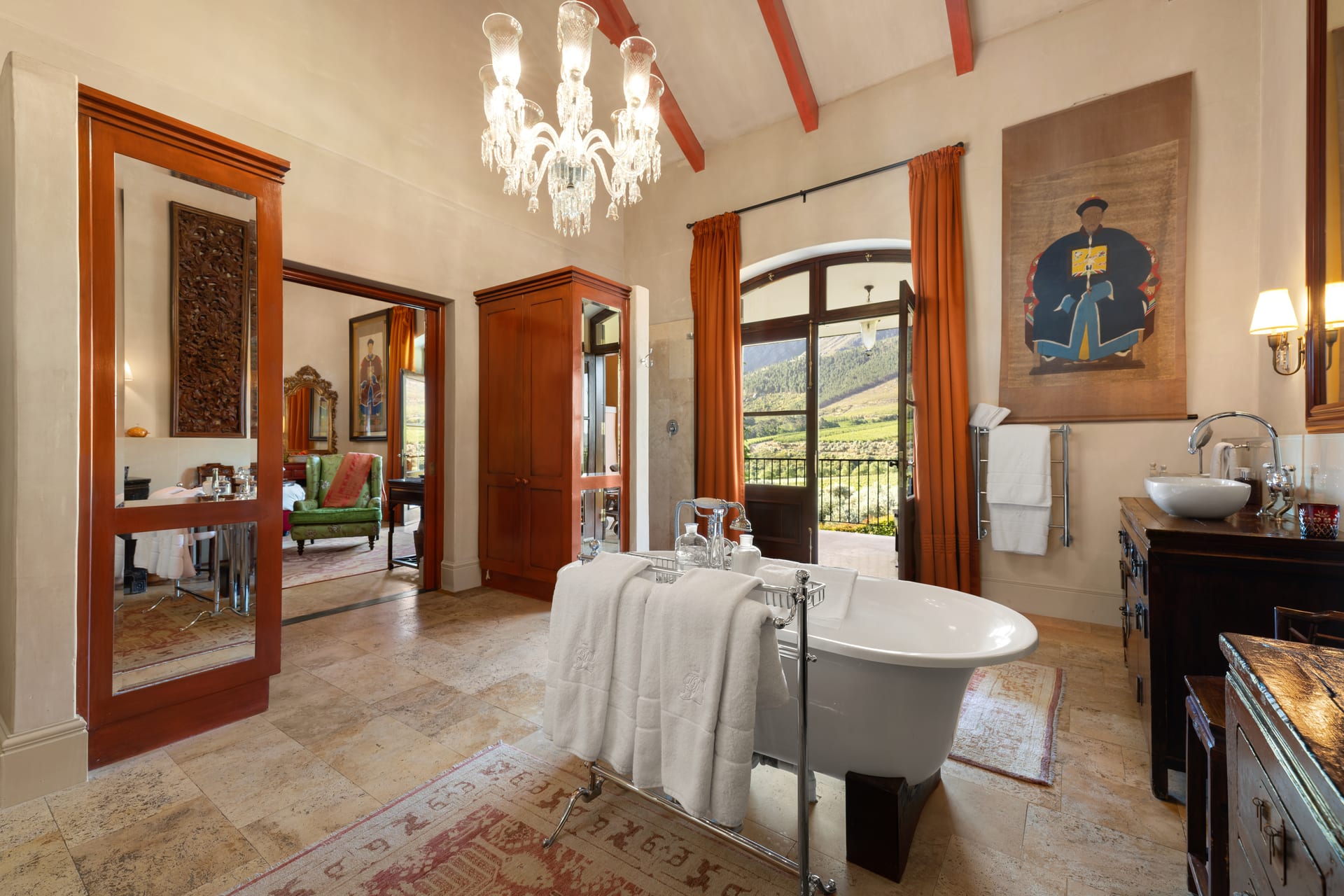
A photograph flattens three dimensions into two, and the corner is what keeps volume legible after that flattening. When a viewer sees two walls converging, they instinctively reconstruct the depth of the room. The angle of that convergence tells them how large the space is, where they are standing, and how the room is proportioned. Remove or obscure the corner, and the eye loses its footing.
The corner is where a photograph keeps its promise that a room is real and inhabitable rather than merely decorated.
This is why a straight-on wall, photographed without any visible corner, so often feels lifeless. It offers no cue for depth. The corner, by contrast, gives the frame a hinge. It lets the room open toward the viewer rather than press flat against the picture plane. In the best interior photography, that opening feels natural and unforced, as if the space were simply extending an invitation.
The One-Corner and Two-Corner Views
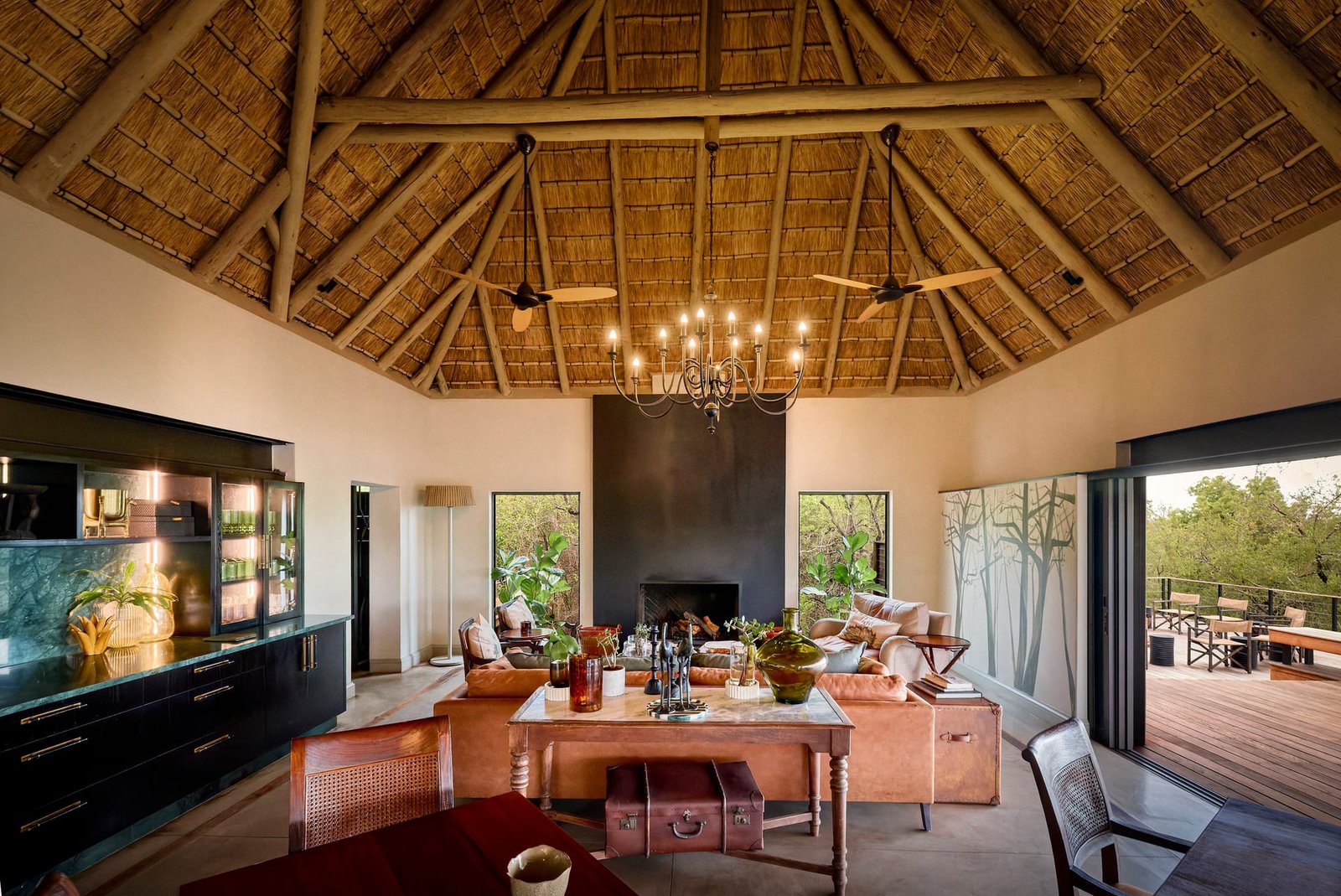
Compositionally, most interior frames resolve into one of two approaches. The one-corner view places a single vertical intersection in the frame, usually off to one side, allowing one wall to lead the eye into the space while another closes it. This produces a calm, directional image with a clear sense of travel through the room.
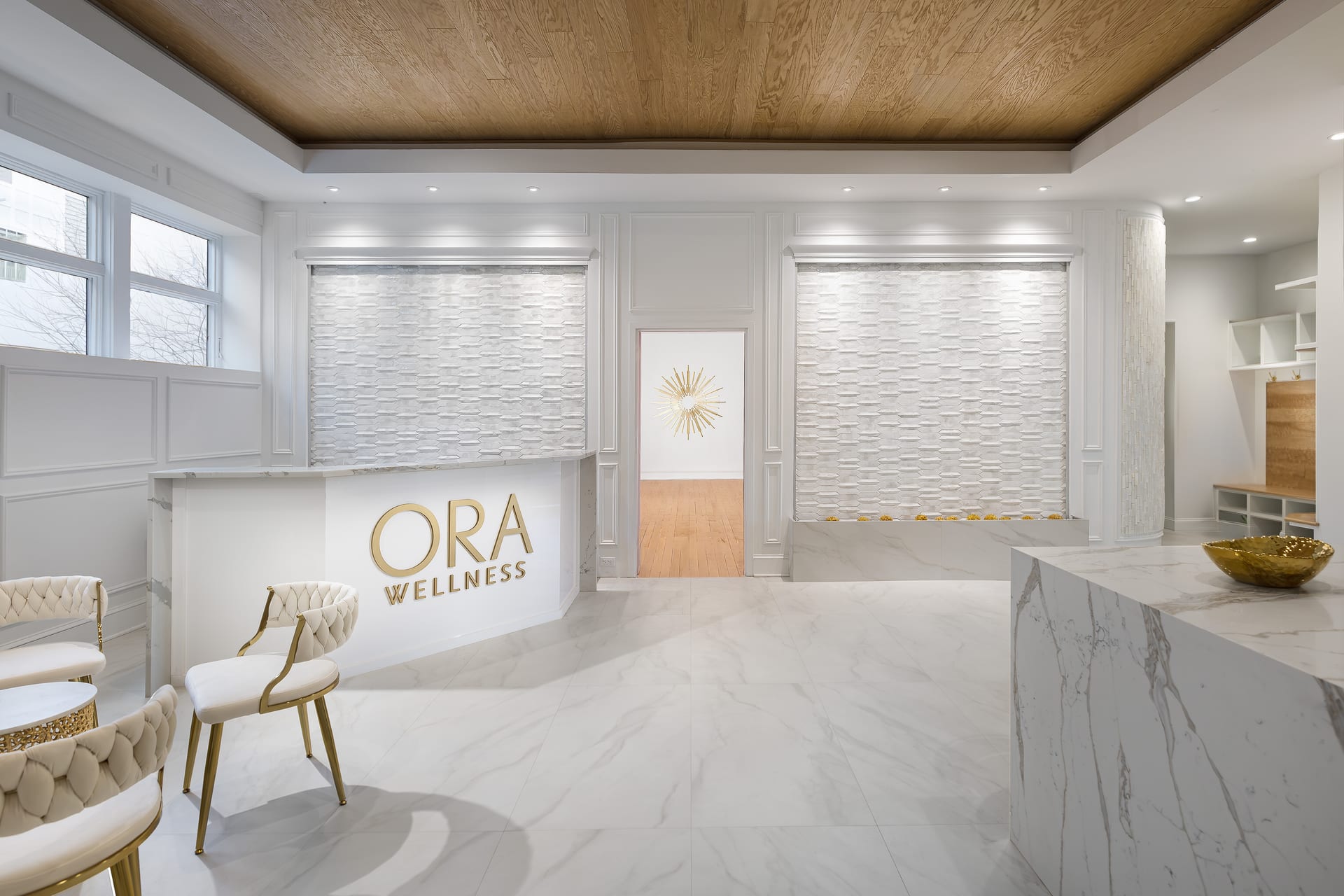
The two-corner view, often achieved from closer to the center of a room, captures a wall bracketed by two corners. This is a more formal, symmetrical treatment that emphasizes containment and balance. It suits rooms with strong axial design, such as a hotel lobby or a considered dining space. Each approach has its place, and choosing between them is one of the first decisions made when composing a room.
- One-corner: movement, depth, a sense of continuing beyond the frame.
- Two-corner: stillness, symmetry, a room presented whole.
Keeping the Corner True
A corner that leans is one of the fastest ways to undermine an otherwise strong interior image. Because the corner is a vertical line meeting the horizontal planes of floor and ceiling, any distortion there is immediately visible. Wide lenses, tilted cameras, and careless perspective all conspire to bend that line, and the eye registers the error even when it cannot name it.
The discipline of keeping verticals plumb matters everywhere in architectural photography, but the corner is where it is tested most severely. A corner rendered truly vertical signals control. It tells the viewer that the photographer respected the geometry the architect built. This is not pedantry; it is fidelity to the design. A designer who has agonized over a clean plaster return deserves to see that return standing straight in the final frame.
The Corner as a Test of Craft
There is a reason experienced photographers watch their corners so closely. A corner reveals whether the camera is level, whether the lens is behaving, and whether the composition is honest. If the two walls converge at a believable angle and the vertical stands true, the rest of the frame tends to fall into place. If the corner is off, no amount of styling or light will rescue the image.
Get the corner right and the room will forgive many smaller sins; get it wrong and nothing else can save the frame.
Working With Difficult Corners
Not every corner cooperates. Some rooms present awkward junctions where an angled wall meets a square one, where a bulkhead intrudes, or where services have been boxed into a column. These are the corners that separate a competent interior photograph from a considered one.
The solution is rarely to hide the difficulty entirely. Instead, the aim is to position the camera so the corner resolves cleanly, giving each plane enough room to be understood. Often this means moving only a few inches, or raising the tripod slightly, until the awkward junction reads as deliberate rather than accidental. For builders and developers, this care matters: a well-handled corner can make a compact or irregular room feel generous and resolved.
Light and the Corner
Corners also do quiet work with light. The place where two walls meet is where tonal gradation lives. One wall catches more light, the other falls into shade, and the corner becomes the seam between them. This gradation is not a flaw to be flattened; it is the very thing that gives a room dimension. A corner where both walls sit at identical brightness looks artificial and hollow. A corner with a gentle shift in tone from one plane to the next feels alive.
For hoteliers and hospitality clients, this is worth remembering. The warmth guests feel in a well-photographed room often comes from these subtle tonal shifts at the corners, which suggest depth, comfort, and the honest behavior of natural light.
The Corner in the Wider Composition
Beyond individual frames, corners help structure a sequence of images. A series that alternates between one-corner and two-corner views gives a portfolio rhythm, moving the viewer through a property with variety and pace. Corners become the transitions, the moments where one room turns into another. For realtors and designers presenting a complete space, this thoughtful use of corners builds a narrative that feels continuous and considered.
The corner, then, is far more than a technical detail. It is where a photograph decides whether a room will feel true. It anchors depth, tests craft, carries light, and shapes the story a set of images tells. Design professionals who understand its quiet importance will find they can read their own spaces, and the photographs made of them, with a sharper and more discerning eye.
If you are preparing to photograph a completed project and want every corner to hold its ground, I would welcome the chance to talk with you.
Add us as a preferred source on Google
Add as preferred source