
The Case for Looking Closely
Most architectural and interior photography begins with the wide frame. It is the establishing view, the image that lets a room breathe and shows how a space holds together. But the wide shot alone tells an incomplete story. It describes the whole while overlooking the decisions that made the whole worth photographing. The detail shot exists to correct that omission.
A detail is not a smaller version of the room. It is a different kind of statement. Where the wide view answers what a space is, the close view answers how it was made and why it feels the way it does. For architects, interior designers, and builders, this is often where the real argument lives. The junction of a stair rail and a wall. The return of a stone countertop. The way a joint was hidden rather than expressed. These are the moments that separate considered work from ordinary work, and they rarely survive at wide scale.
The wide shot tells the viewer what a room is; the detail shot tells them why it was worth the effort.
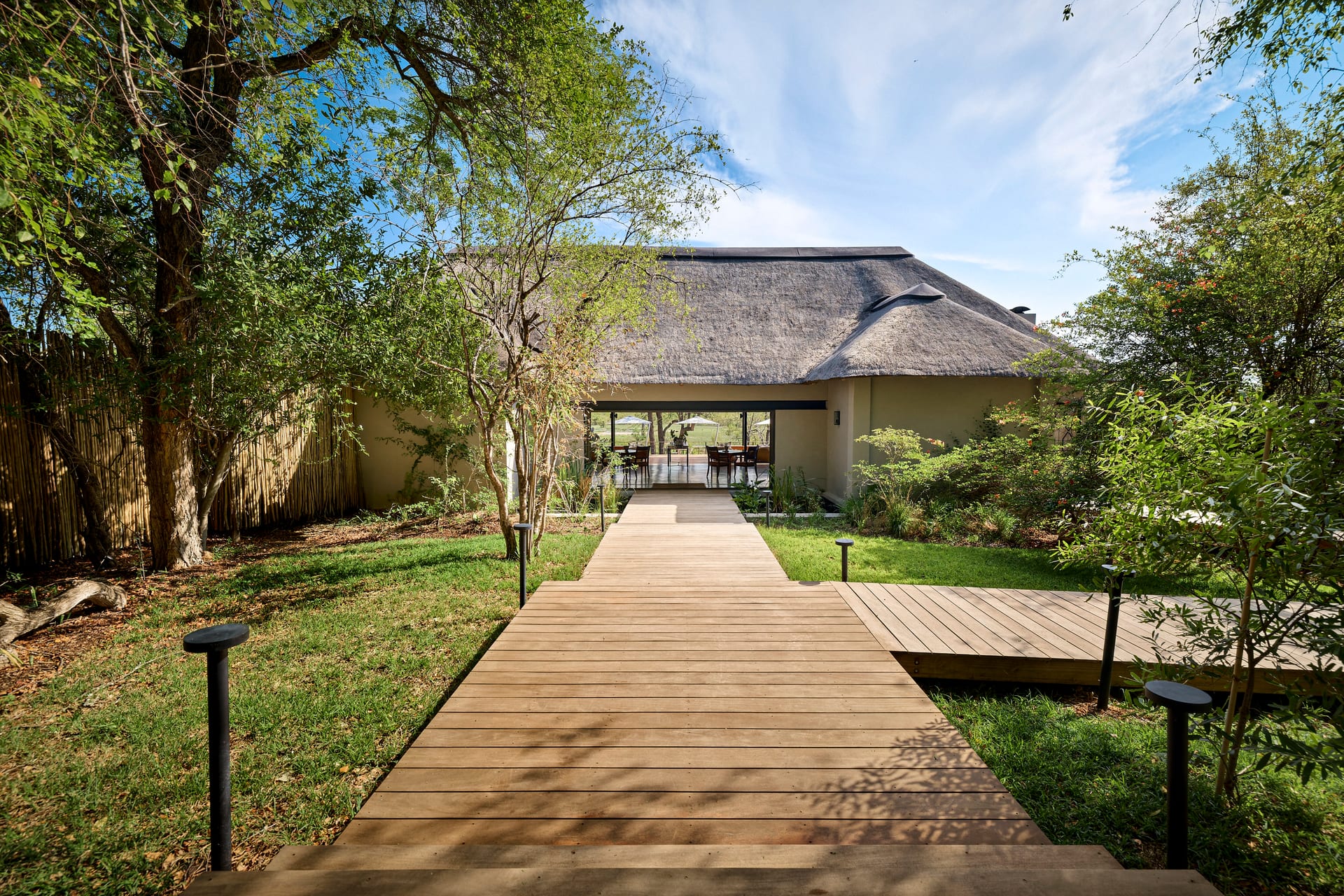
What a Detail Actually Communicates
A well-made detail image carries information that no caption can replace. It communicates material honesty, level of finish, and the intentionality behind a design. When a client scrolls past a portfolio, the wide frames earn attention, but the details earn trust. They signal that the work rewards inspection, and by extension that the professional behind it can be trusted with the parts no one else notices.
Consider what different audiences read in a detail:
- An architect sees the resolution of a tricky junction and recognizes competence.
- An interior designer sees restraint, proportion, and the discipline of a limited palette.
- A builder sees tolerances held and craft respected.
- A hotelier sees the tactile promise of a guest experience.
- A prospective client sees care, and reads it as reliability.
This is why detail photography is not decorative. It is evidence. In a body of work meant to win commissions, the close view often does the quiet, persuasive labor that the hero shot cannot.
Choosing the Right Detail
Not every detail deserves a frame. The temptation is to photograph anything that looks interesting up close, but a strong detail image is selective. It should either reveal a decision that defines the space or express a quality the wide shot cannot hold.
Detail as Design Argument
The most valuable details are the ones that carry the logic of the project. If a design is built around a single material, the frame that shows that material meeting another surface becomes a thesis statement. If the work is defined by a joinery approach or a lighting strategy, the detail that isolates it makes the idea legible. Ask what the project is fundamentally about, then photograph the place where that idea becomes visible.
Detail as Texture and Sense
Some details serve a more sensory purpose. The grain of oiled timber, the chalky matte of lime plaster, the cool weight of brass. These frames do not explain a design decision so much as they convey how a space would feel to the hand. In interior photography and hospitality work especially, this tactile register is essential, because it invites the viewer to imagine occupancy.
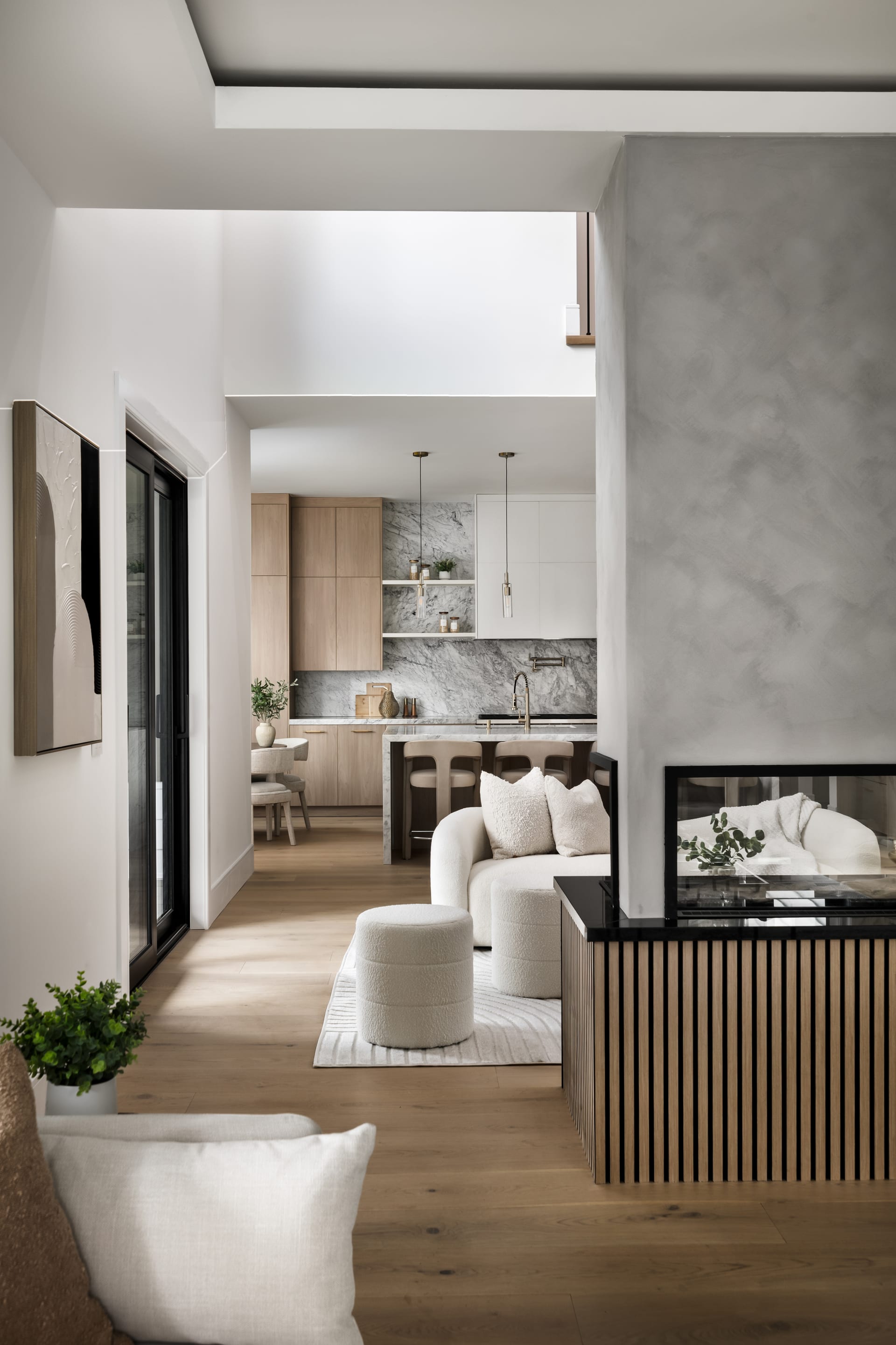
The Craft of the Close Frame
Detail photography demands a different technical discipline than the wide view. At close range, depth of field collapses quickly, and small compositional errors become glaring. The margin for imprecision narrows.
Light Becomes Everything
At the scale of a detail, light stops being general and becomes specific. A raking light that grazes a surface reveals texture that flat, frontal light would erase. The angle of a single beam can be the difference between a stone that reads as living and one that reads as inert. Working the detail often means waiting for the light to move, or shaping it deliberately, so that the surface tells the truth of its material.
Focus and Precision
Where the plane of focus falls determines what the image is about. A detail shot with soft edges and a single sharp point directs the eye with authority, but only if that point is chosen with intent. There is no room for the near-miss at this range. The discipline of precise focus, careful alignment, and deliberate framing is what elevates a detail from a snapshot to a considered image.
At the scale of a detail, there is no room to hide a careless decision, and that is precisely the point.
Composition Without a Room
The wide shot borrows its structure from the architecture itself. The detail has to build its own composition from limited elements. This is where negative space, line, and balance do the heavy lifting. A single well-placed edge, a diagonal of shadow, a patch of quiet ground against a rich texture. The best detail images are compositions in miniature, complete on their own terms and not dependent on the room around them.
How Details Function in a Set
A detail image rarely works alone. Its power comes from context. Placed after a wide establishing frame, a detail rewards the viewer who wanted to look closer. It answers a question the previous image raised. This rhythm, moving between the whole and the part, is how a strong set of architectural photography holds attention and builds a sense of depth.
For design professionals assembling a portfolio or a project story, the ratio matters. Too many wide shots and the work feels distant. Too many details and it feels fragmented, with no place to stand. A considered edit alternates scale, letting each register do what it does best. The details punctuate. They give the eye a place to rest and the mind a reason to trust.
The Discipline of Restraint
The final craft of detail photography is knowing when to stop. A project does not need a detail of everything. It needs the few frames that carry the most meaning, made with the most care. A single, perfectly resolved detail of the one junction that mattered will always do more than a dozen incidental close-ups. Restraint is what turns a collection of images into a coherent statement about the work.
This is, in the end, the same discipline that defines good design. The decisions that matter are made in the small places, resolved quietly, and left to speak for themselves. Detail photography simply gives those decisions a frame worthy of the attention they deserve.
If you would like your next project photographed with equal attention to the whole and the small decisions that define it, Matthew Lekker Photography would be glad to talk.
Add us as a preferred source on Google
Add as preferred source