The Plane We Forget to See
Walk into a well-considered room and something happens before you can name it. The volume feels right. The proportion settles. Often the reason lives overhead, on a surface no one looks at directly: the ceiling. In architectural photography, the ceiling is the plane most frequently cropped away, flattened, or reduced to a strip of white above the furniture. Yet it is the surface that governs how tall a room feels, how light behaves, and how the eye understands the space as a whole.
For architects, interior designers, and builders, the ceiling is rarely an afterthought. Coffers, beams, coves, exposed structure, plaster detailing, timber slatting, a considered lighting layout. These are decisions made early and paid for dearly. When a photograph ignores them, it quietly erases a portion of the work. Learning to read and frame the overhead plane is one of the more reliable ways to raise the quality of interior photography without adding a single prop.
Why the Ceiling Reads the Way It Does
The ceiling is unusual among interior surfaces because we almost never look at it head on. We sense it in our peripheral vision, we register its height as a feeling rather than a measurement. A photograph has to translate that felt experience into something visible on a flat frame. That translation is where most images fail.
Three things determine how a ceiling reads in a photograph:
- Camera height. The lower the camera, the more ceiling enters the frame and the taller the room appears. Raise the camera and the ceiling recedes, compressing the sense of volume.
- Tilt. Any upward tilt introduces converging vertical lines, which the eye reads as instability. Keeping the sensor plane vertical preserves the honesty of the space.
- Light gradient. Ceilings are rarely evenly lit. The fall of light across an overhead plane tells the viewer where the windows are and how the room breathes through the day.
The ceiling is the surface most rooms are designed around and most photographs quietly ignore.
Deciding How Much to Include
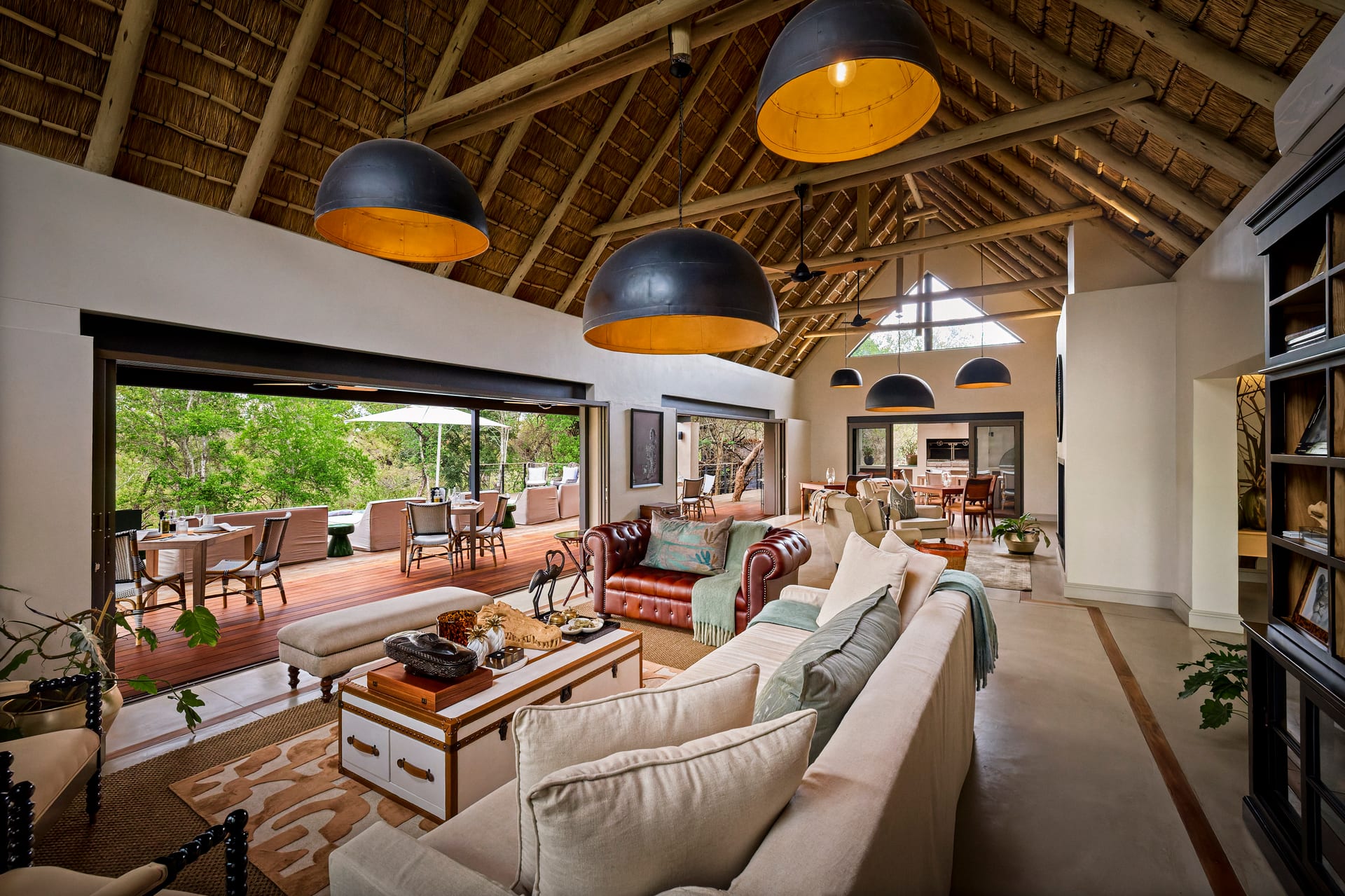
The first question is not how to photograph the ceiling but whether to feature it at all. Not every room rewards the attention. A flat white ceiling in a modest bedroom contributes little and can leave the frame feeling top heavy. A double-height entry with exposed rafters, or a hospitality space with a sculpted plaster cove, is a different matter entirely. There the ceiling is the argument, and the photograph should let it speak.
When to give the ceiling room
- When the overhead plane carries genuine detail: beams, coffers, timber, ornament, or a distinctive lighting design.
- When ceiling height is a selling point, as it often is for realtors and hoteliers.
- When the structure overhead explains the character of the building, common in adaptive reuse and industrial conversions.
When to let it retreat
- When the ceiling is plain and the interest lives at eye level.
- When including it would force an awkward camera position that distorts the rest of the room.
- When a lower ceiling would make the space feel confined rather than intimate.
The discipline is in choosing. A photographer who includes the ceiling in every frame, or excludes it from all of them, is not composing so much as defaulting.
Framing the Overhead Plane
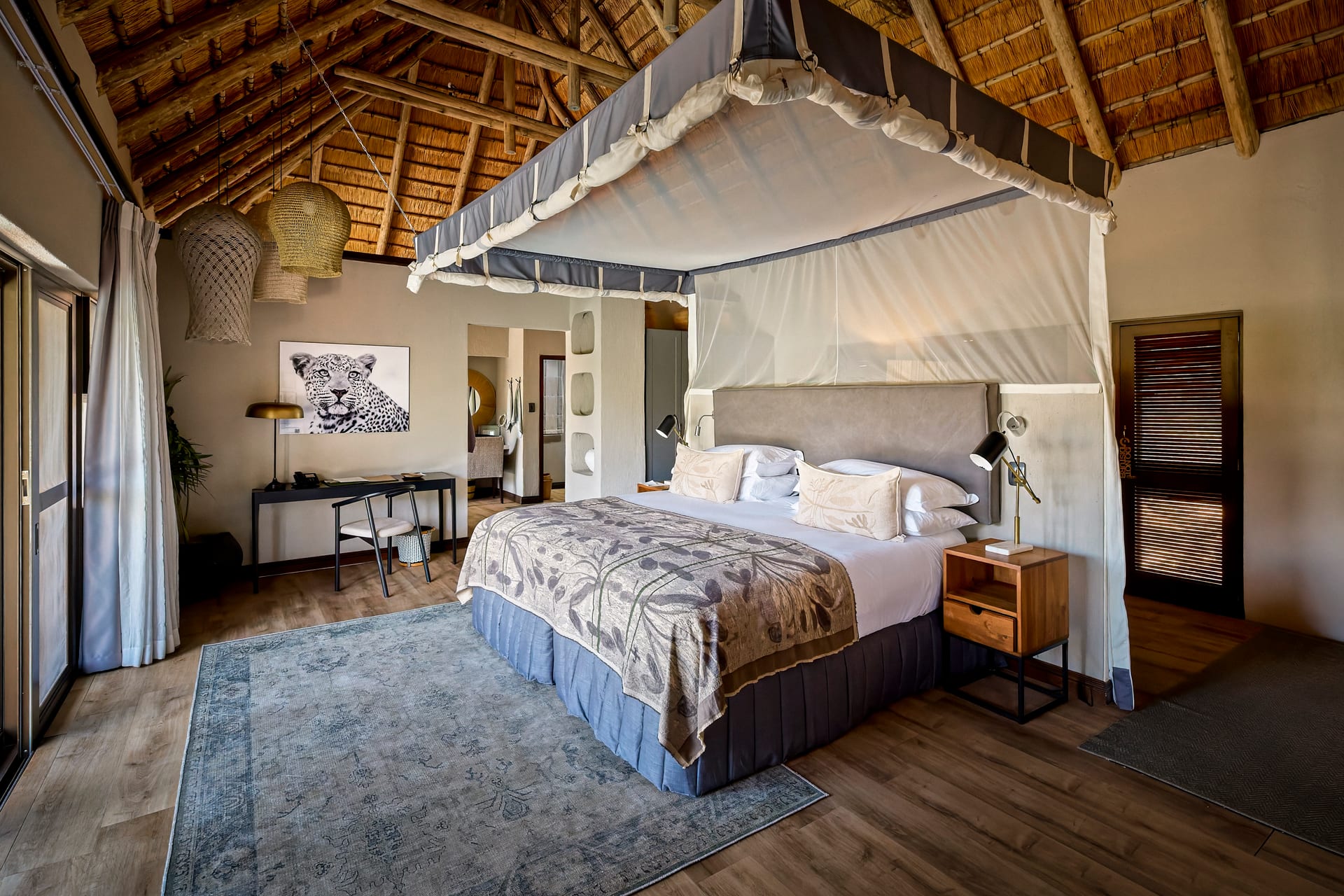
Once you have decided the ceiling belongs in the image, the craft is in giving it a role without letting it dominate. The most common approach is the standing frame with the camera positioned to hold roughly a third of the ceiling above the horizon line. This gives the viewer a clear read of the overhead detail while keeping the furniture and floor grounded.
For rooms where the ceiling is the subject, a lower camera and a wider view can pull the eye upward, following beams or a cove as they draw toward a vanishing point. Convergence used deliberately, rather than by accident, becomes a compositional tool. The lines of a timber ceiling leading to a far window can carry the whole image.
The straight-up shot, camera pointed at the ceiling itself, has its place, particularly with ornate plaster, a dramatic light fixture, or a graphic pattern of slats. It works best as a supporting image within a sequence rather than a hero frame. Used sparingly, it gives an editor or design professional a detail they can place beside the wider views to complete the story of the space.
A photographer who includes the ceiling in every frame is not composing so much as defaulting.
Light Across the Top of a Room
Ceilings are unusually revealing about light. Because they sit above the windows, they catch and diffuse daylight in ways the floor never does. A ceiling that glows softly near the glass and deepens toward the interior gives a room dimension that no amount of styling can replace. Watch for this gradient and time the shoot to catch it at its most graceful, often mid-morning or late afternoon when the light rakes rather than floods.
Artificial light complicates things. Recessed downlights can create harsh bright discs against the ceiling plane, and cove lighting can blow out to pure white if left unchecked. The considered approach is to balance the ambient daylight against the fixtures so the ceiling holds tone and detail throughout. Where a lighting design is itself the feature, as in many hospitality interiors, the photograph should honor the designer’s intent by showing the layered effect rather than flattening it into glare.
The Ceiling in a Sequence
No single image has to carry the ceiling on its own. In a well-ordered set, the overhead plane can appear across several frames: established in a wide view, examined in a detail, and referenced again from a different angle. This layering lets a viewer assemble the room in their mind, understanding how the volume overhead connects to the space they occupy on the floor.
For a builder documenting craftsmanship, or an architect presenting a completed project, this sequencing matters. It shows the ceiling as an integrated decision rather than a backdrop. For a hotelier, it communicates the atmosphere a guest will feel on arrival, much of which is set by the volume above their head before they consciously register anything else.
A Quiet Discipline
The ceiling asks for the same attention any surface deserves, and rewards it in proportion. It sets the volume of a room, shapes its light, and often holds some of the most demanding work in the entire project. To photograph it well is to acknowledge that a room is not a set of walls but a bounded volume, understood as much by what sits overhead as by what stands underfoot.
If you have a space whose overhead plane deserves the attention it rarely receives, we would be glad to talk with you about it.
Add us as a preferred source on Google
Add as preferred source