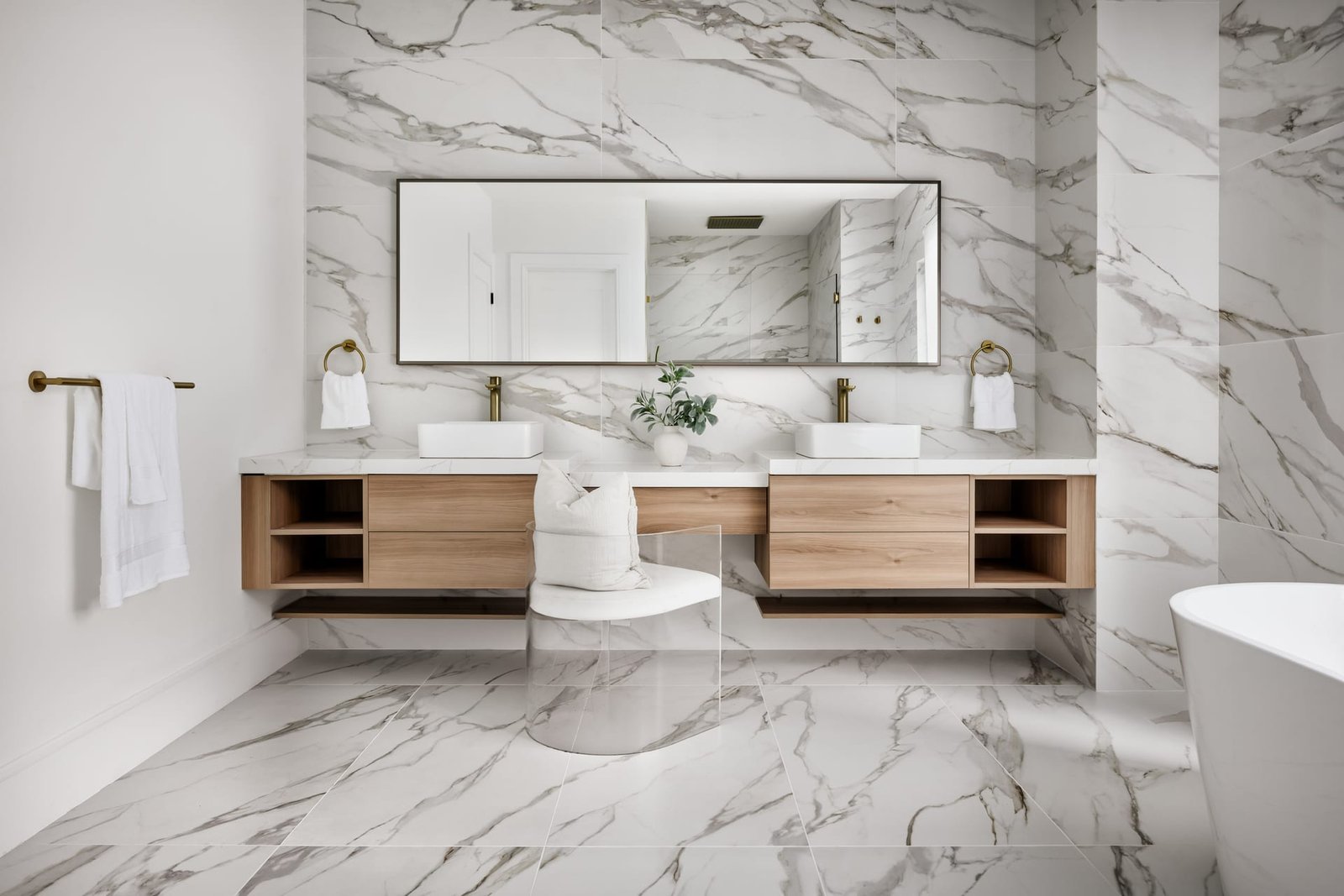
Every design practice communicates who it is long before a proposal is signed. That communication happens visually, and increasingly it happens through photography. For architects, interior designers, and builders, the images that represent your work are not simply documentation of finished projects. They are the most public expression of your taste, your discipline, and your point of view. A studio’s brand is built, quietly and cumulatively, through the images it chooses to share.
Yet many practices treat photography as a final task rather than a strategic asset. A project wraps, a few photos are commissioned or captured casually, and they are scattered across a website, a social feed, and an awards submission without any unifying logic. The result is a brand that feels fragmented, even when the underlying work is exceptional.
Photography as the Voice of a Visual Brand
A design studio deals in the visual. It follows that the imagery representing that studio should carry the same rigor as the work itself. When a potential client encounters your architectural photography, they are forming judgments in seconds: about your sensibility, your attention to detail, and whether your aesthetic aligns with their aspirations.
Interior photography and architectural imagery function as shorthand for everything a studio stands for. A body of images that shares a consistent tonal range, a considered approach to light, and a recognizable sense of composition signals a practice that is deliberate in all things. Inconsistency signals the opposite.
A studio’s brand is built, quietly and cumulatively, through the images it chooses to share.
What consistency actually means
Consistency is not about making every photograph look identical. It is about establishing a visual language and returning to it across projects and over time. That language might include:
- A characteristic relationship to natural light, whether soft and diffused or crisp and directional
- A repeated approach to framing, such as favoring symmetry or a particular vantage height
- A stable color and contrast treatment that reads as intentional across a portfolio
- A recurring attention to how people, or the absence of people, animate a space
When these choices recur, a viewer begins to recognize your work without needing a logo. That recognition is the foundation of a durable visual brand.
Aligning Imagery With Positioning
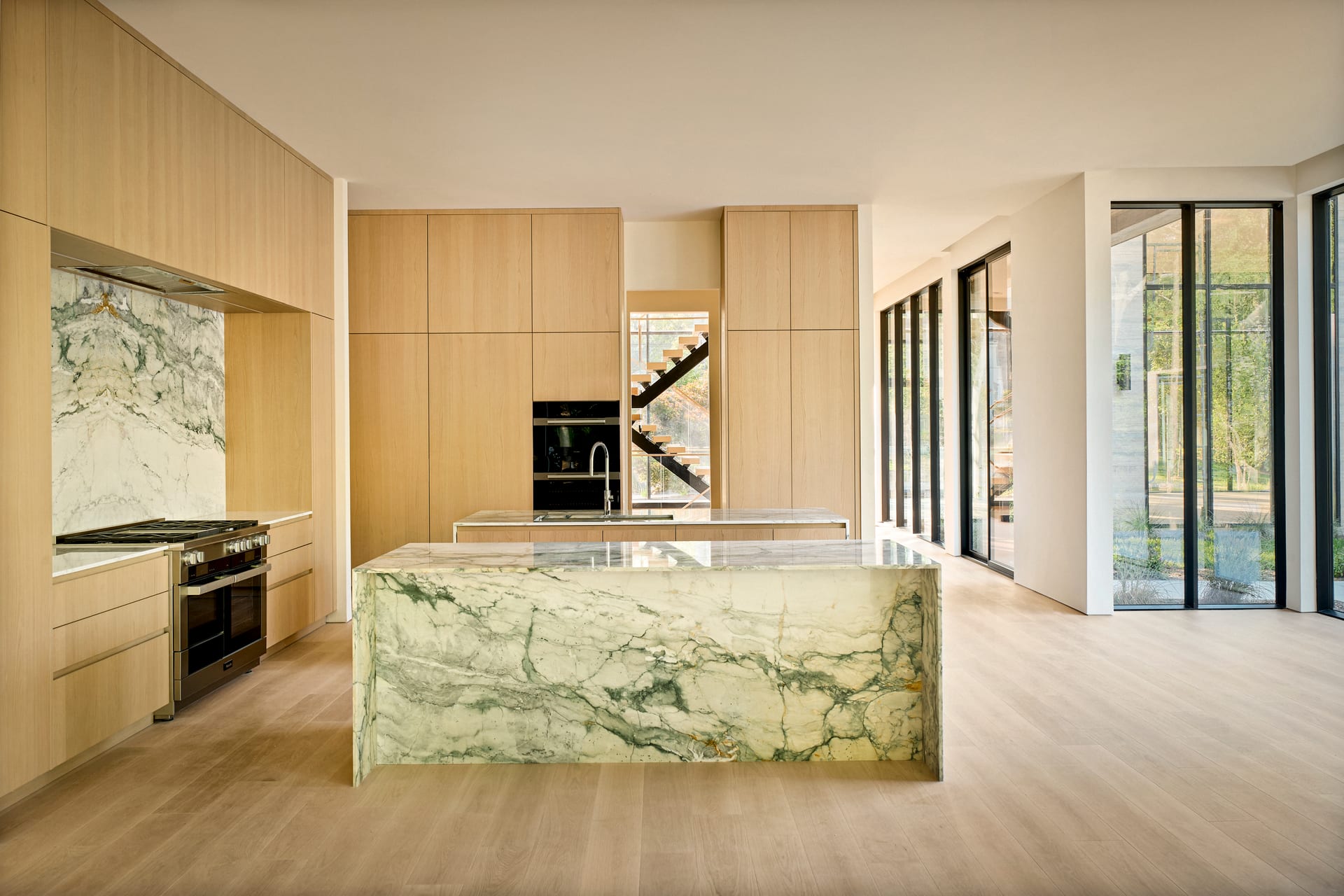
Before commissioning photography, it helps to articulate how you want the practice to be perceived. A firm that positions itself around warmth and livability should not present cold, clinical interiors. A studio known for restraint and precision should not lean on cluttered, over-styled scenes. The imagery must reinforce the positioning, not contradict it.
This is where a close working relationship with an architectural photographer becomes valuable. A photographer who understands your intentions can translate the atmosphere you design into images that feel true to it. The goal is not merely to record a room accurately but to convey how it feels to stand within it.
Questions worth answering first
Before a shoot, design professionals benefit from clarifying a few things internally:
- Who is the audience for these images, and what do they value?
- Which projects best represent the direction you want to grow toward, not only where you have been?
- What emotional register should the images strike: serene, dramatic, understated, generous?
- Where will the images live, and what proportions and crops will those platforms demand?
Answering these before the camera arrives ensures the resulting library serves the brand rather than sitting idle.
Building a Coherent Image Library
A strong visual brand is rarely the product of a single shoot. It is assembled over years, project by project, as a practice matures. This is why it is worth thinking of photography as an ongoing investment in a library rather than a series of isolated transactions.
A well-maintained library gives a studio flexibility. It provides material for the website, for social media, for press features, for award entries, and for pitch documents. When those channels draw from the same considered source, the brand reads as unified wherever it appears.
The goal is not merely to record a room accurately but to convey how it feels to stand within it.
Working with a consistent photographer over time compounds this benefit. Each new project extends a visual conversation already in progress, rather than starting a new one. The photographer learns the practice, and the practice gains a body of work that grows more coherent with every addition.
Curating with discipline
A common mistake is to publish everything. A generous edit undermines a brand more often than it strengthens it. Fewer, stronger images carry more authority than a sprawling gallery of variable quality. When curating, favor the photographs that most clearly express your sensibility, and set aside those that merely fill space. The studios that appear most assured are usually the ones willing to show less.
How Different Professionals Benefit
The principle holds across the disciplines this studio serves, though the emphasis shifts.
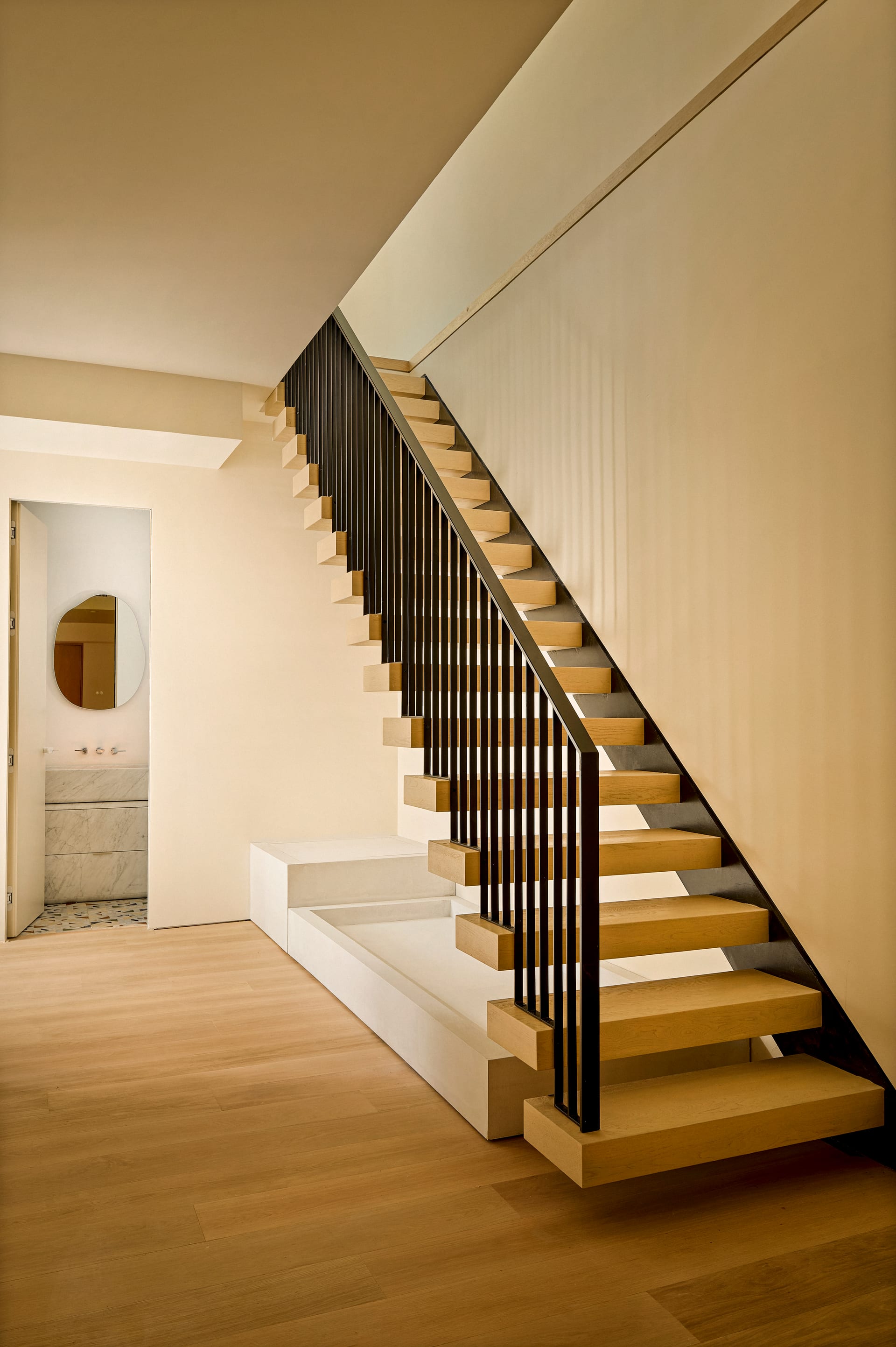
For architects, photography carries the intellectual argument of the work: how a building meets its site, how light moves through a section, how material and structure resolve. Consistent architectural photography allows a firm’s ideas to be legible across a portfolio.
For interior designers, the imagery must communicate atmosphere, texture, and the human quality of a space. Interior photography that shares a coherent mood helps prospective clients trust that the feeling they admire in one project can be delivered in their own.
For builders and developers, photography demonstrates the quality of execution, and a consistent visual standard reassures clients that care extends from concept to construction.
For hoteliers and realtors, imagery is often the first and sometimes only impression a guest or buyer receives. A coherent set of photographs shapes expectation and, ultimately, decision.
Treating Photography as Strategy
The shift required is one of mindset. Photography is not the closing chapter of a project. It is a continuous strand of brand-building that deserves the same intention a studio brings to its designs. That means budgeting for it deliberately, planning it in advance, and choosing a photographer whose eye complements the practice.
When approached this way, images stop being an afterthought and become one of the most persuasive tools a design studio possesses. They work quietly and constantly, representing the practice in rooms you will never enter and to clients you have not yet met.
A brand, in the end, is a promise made visually before it is made in person, and photography is where that promise first takes form.
If you would like to build a coherent body of imagery that reflects your practice with intention, we would welcome a conversation at Matthew Lekker Photography.