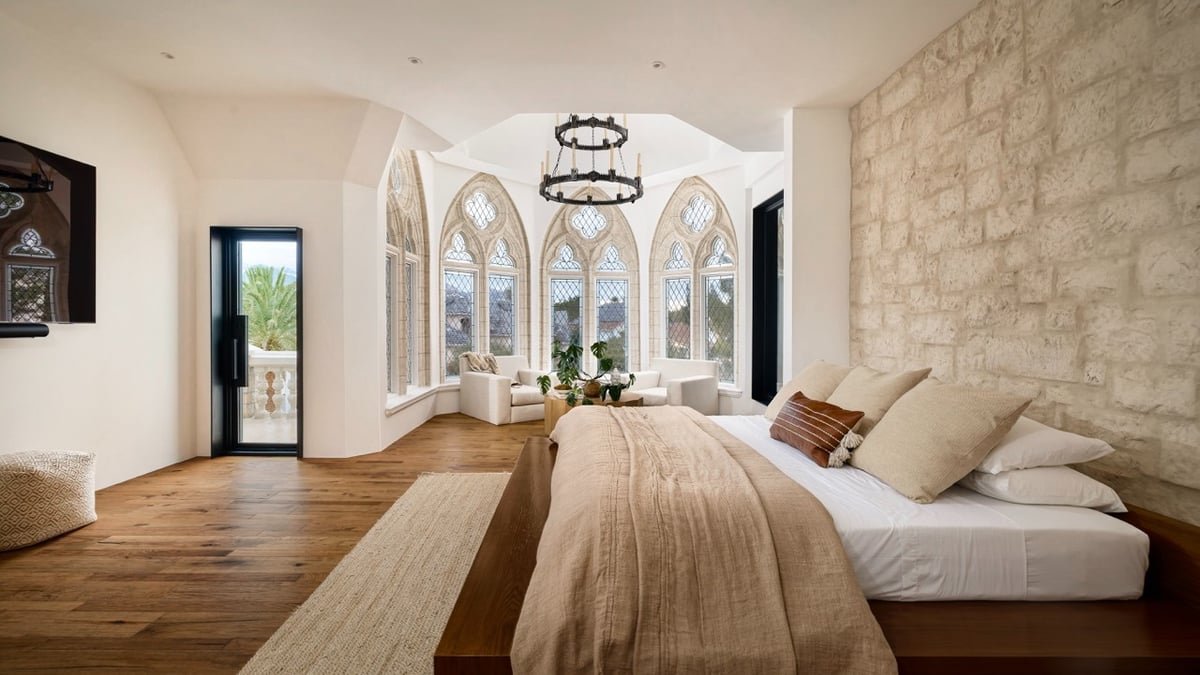
Every design practice reaches a point where the work is good, the portfolio is growing, and yet the calibre of incoming enquiries doesn’t quite match the quality of the projects behind them. More often than not, the gap is not in the design itself. It is in how that design is seen. For interior designers, architects, and the studios who build alongside them, professional interior photography is the medium through which prospective clients form their first, most lasting impression.
A client rarely walks through a finished space before deciding to hire you. They meet your work through images. Those images do the persuading, the reassuring, and the storytelling long before a conversation begins. When they are considered and precise, they invite the right people to reach out. When they are careless, they quietly turn them away.
The First Meeting Happens Before You Speak
Design is a trust business. A client is asking you to interpret their life, their brand, or their investment, and to make decisions on their behalf about how a space will feel. That is an intimate ask, and it requires confidence. Professional architectural photography establishes that confidence early by demonstrating that you understand not only how to design a room, but how to read one.
Consider what a well-photographed project actually communicates. It shows proportion and how volumes relate to one another. It shows the discipline of your material choices. It shows how light moves across a surface at a particular hour, and how you anticipated that movement. These are the very qualities a discerning client is trying to gauge, and they are almost impossible to convey through a phone snapshot taken in passing.
A client rarely walks through a finished space before deciding to hire you; they meet your work through images.
When your imagery reflects the same intention you bring to your design work, it signals a coherent practice. It tells prospective clients that nothing in your process is left to chance, which is precisely the reassurance they need before committing to a significant engagement.
Why Amateur Images Undermine Strong Work
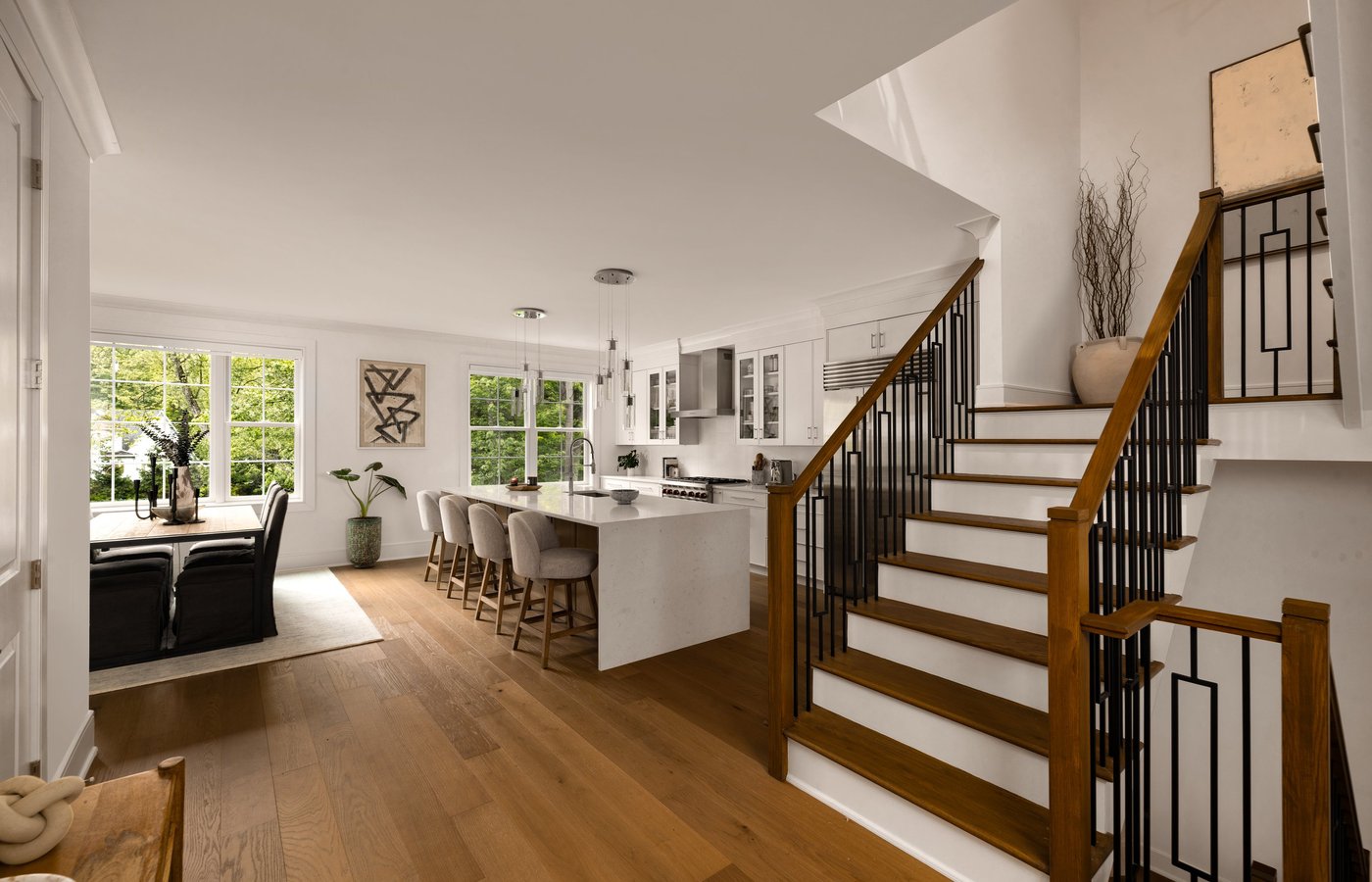
There is a particular frustration in seeing exceptional interior design flattened by weak photography. The work deserved better, and the client who sees it will never know what they missed. Poor images introduce doubt at the moment you most need to inspire certainty.
Common problems that quietly erode a portfolio include:
- Distorted vertical lines that make walls appear to lean and rooms feel unstable
- Mixed colour temperatures that muddy carefully chosen palettes
- Clutter and styling oversights that pull the eye away from the design
- Flat, even lighting that removes the depth and atmosphere you worked to create
- Framing that ignores sightlines and the logic of how a space is meant to be experienced
Each of these is invisible to the untrained eye in isolation, yet collectively they register as a lack of polish. A potential client may not be able to name what feels off, but they feel it. And feeling is what drives the decision to enquire or move on.
Photography as a Marketing Asset, Not an Expense
It helps to reframe interior photography as an investment that continues to return value long after the shoot concludes. A single considered set of images can serve your website, your social channels, print features, award submissions, and client presentations for years. The work is done once and deployed everywhere.
Editorial Reach and Publication
Design magazines and respected online platforms hold their contributors to a high visual standard. Publications will not run images that fail to meet their technical and aesthetic thresholds, regardless of how remarkable the project is. Professional architectural photography opens the door to editorial coverage, and editorial coverage places your name in front of exactly the audience you hope to attract.
A Consistent Visual Language
When every project in your portfolio is photographed with the same care, your body of work begins to read as a recognisable signature. Consistency builds authority. A prospective hotelier or developer scanning your website should sense a single guiding sensibility across ten projects, not ten different photographers and ten different moods.
Photography is not the record of the work; for most clients, it is the work.
What Professional Interior Photography Actually Captures
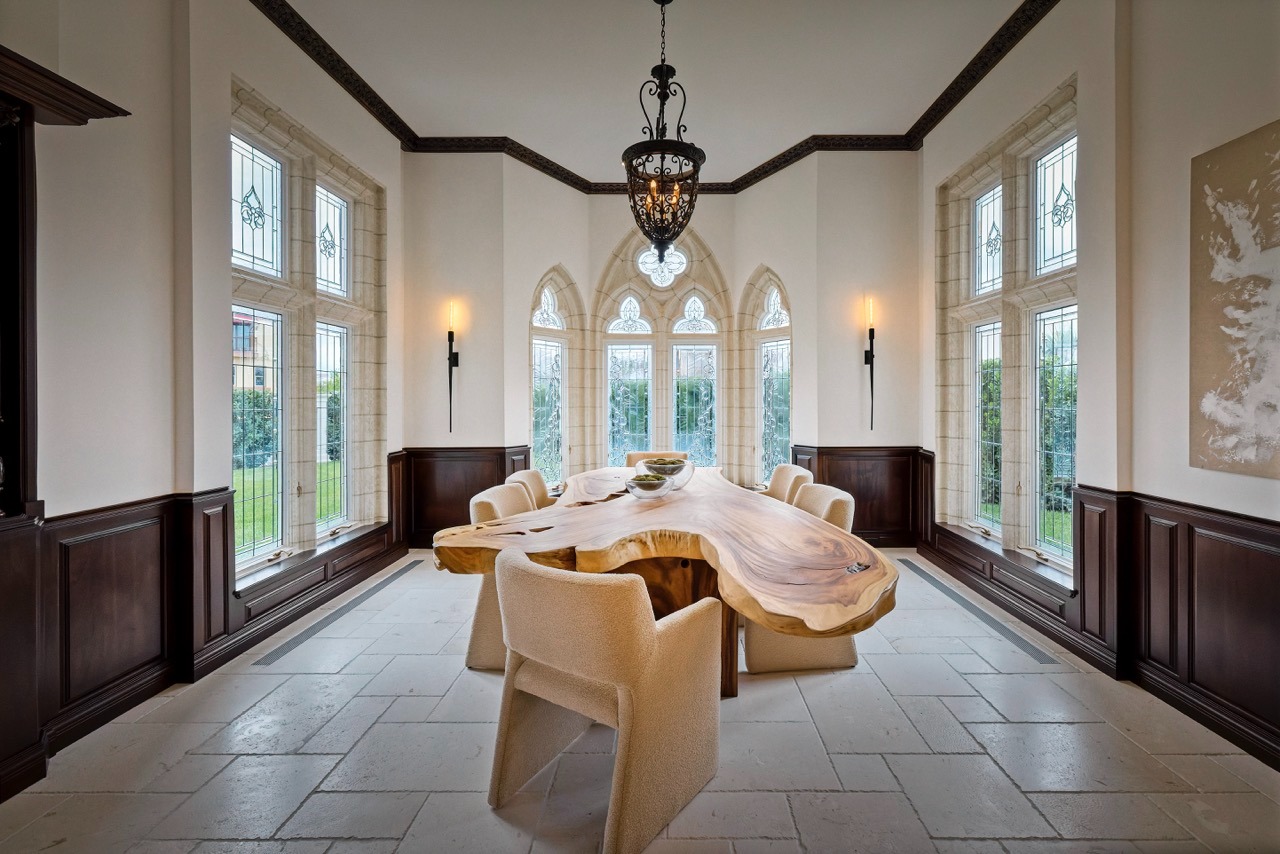
The difference between documentation and interpretation lies in intention. A professional does not simply record that a room exists. They translate the experience of standing in it into a two-dimensional frame that still carries feeling.
This involves decisions that reward experience:
- Timing the light. Knowing when a space is at its most expressive, and being present for that narrow window.
- Composing for the design. Choosing angles that honour the architect’s or designer’s intent rather than defaulting to the widest possible view.
- Refining the styling. Removing distraction and adding the small, lived details that make a space feel considered and human.
- Controlling perspective. Keeping lines true so the geometry reads as it was designed.
These choices are what allow interior photography to persuade. They are also what separate images that merely inform from images that convince.
How Better Images Change the Enquiries You Receive
There is a compounding effect that many practices underestimate. The quality of your imagery does not just win more clients. It wins better clients. Prospective clients tend to assume that the ambition of your visual presentation reflects the ambition of your practice. Elevated photography attracts people seeking an elevated result, and it gently filters out those who are not the right fit.
For a boutique hotelier, this means bookings and brand perception shaped by imagery that conveys atmosphere and hospitality. For a builder, it means demonstrating craftsmanship in a way that a specification sheet never could. For a realtor, it means a listing that holds attention and communicates value at a glance. In each case, the photography is doing quiet, continuous work on your behalf.
Positioning and Pricing
How your work is presented also influences what you can charge. A practice whose portfolio looks considered and editorial commands the confidence to price accordingly. Clients rarely question the value of a studio whose work already looks like it belongs in the pages they admire. In this sense, professional photography does not only market your services; it supports the perceived worth of everything you do.
An Investment in How You Are Understood
Design professionals spend months, sometimes years, resolving a space to the last detail. It is worth ensuring that the record of that effort communicates its full quality. Photography is not the final flourish of a project. It is the enduring representation of it, the version most people will ever encounter, and the one that continues to work for you long after the keys are handed over.
Treat your imagery with the same seriousness you bring to your practice, and it will return that seriousness in the form of clients who already understand and respect what you do.
If you are ready to give your work the presentation it deserves, we would be glad to hear from you at Matthew Lekker Photography.