Why Scale Is the Hardest Thing to Photograph
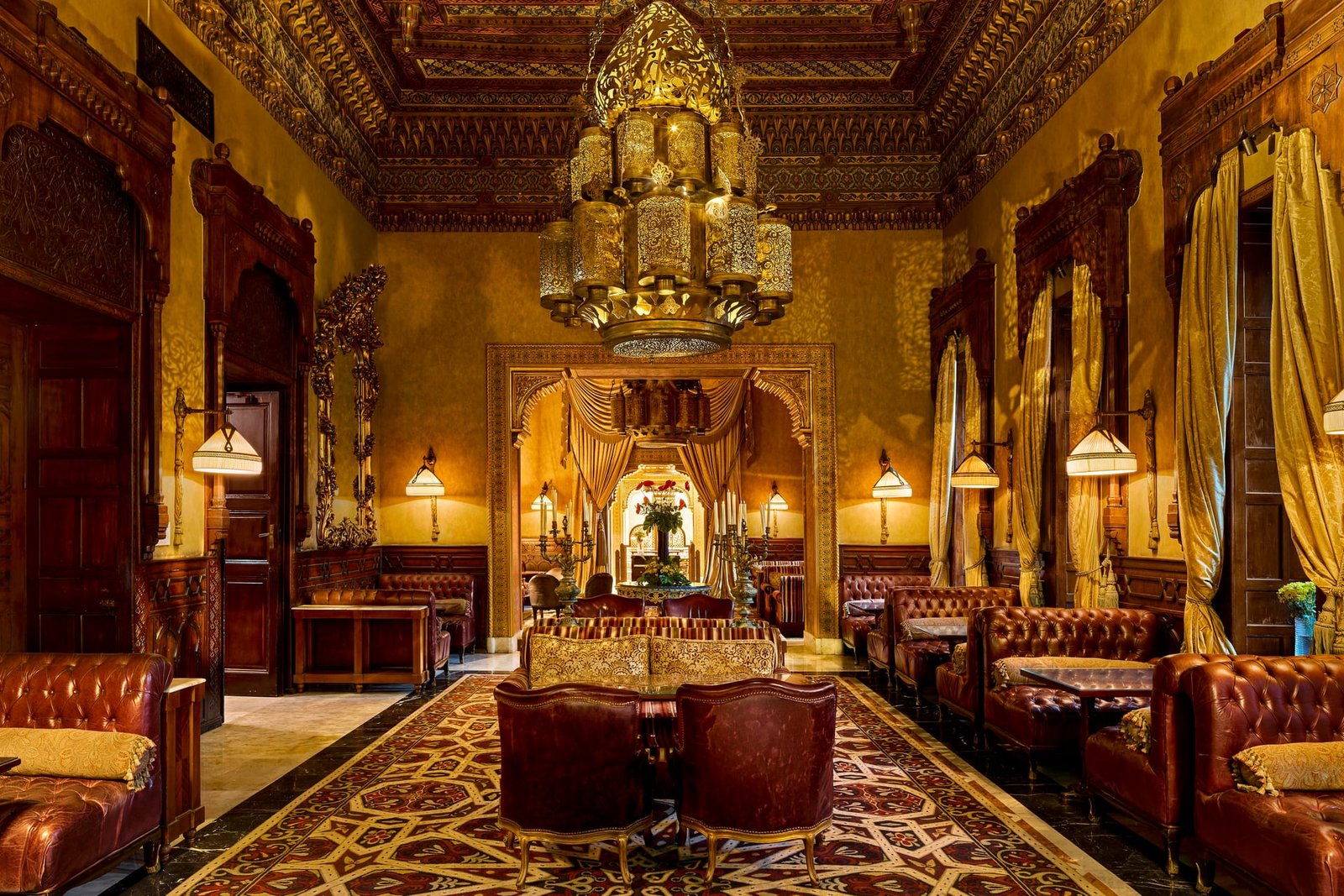
Of all the qualities a photograph must carry, scale is the most slippery. A room can be measured in square meters, but it is felt in proportion, in the distance between a hand and a ceiling, in whether a doorway invites or looms. In architectural photography, the camera flattens the world into two dimensions, and with that flattening it quietly strips away the body’s instinct for size. A generous lobby can read as cramped. A modest study can appear palatial. The difference between the two is rarely the space itself. It is the decisions made behind the lens.
For architects, interior designers, builders, and hoteliers, scale is not a technical footnote. It is often the entire point. A client has worked for months to make a room feel expansive, or intimate, or grounded. If the photographs misrepresent that feeling, the record of the work is wrong, no matter how sharp or well-lit the image.
How the Eye Reads Size
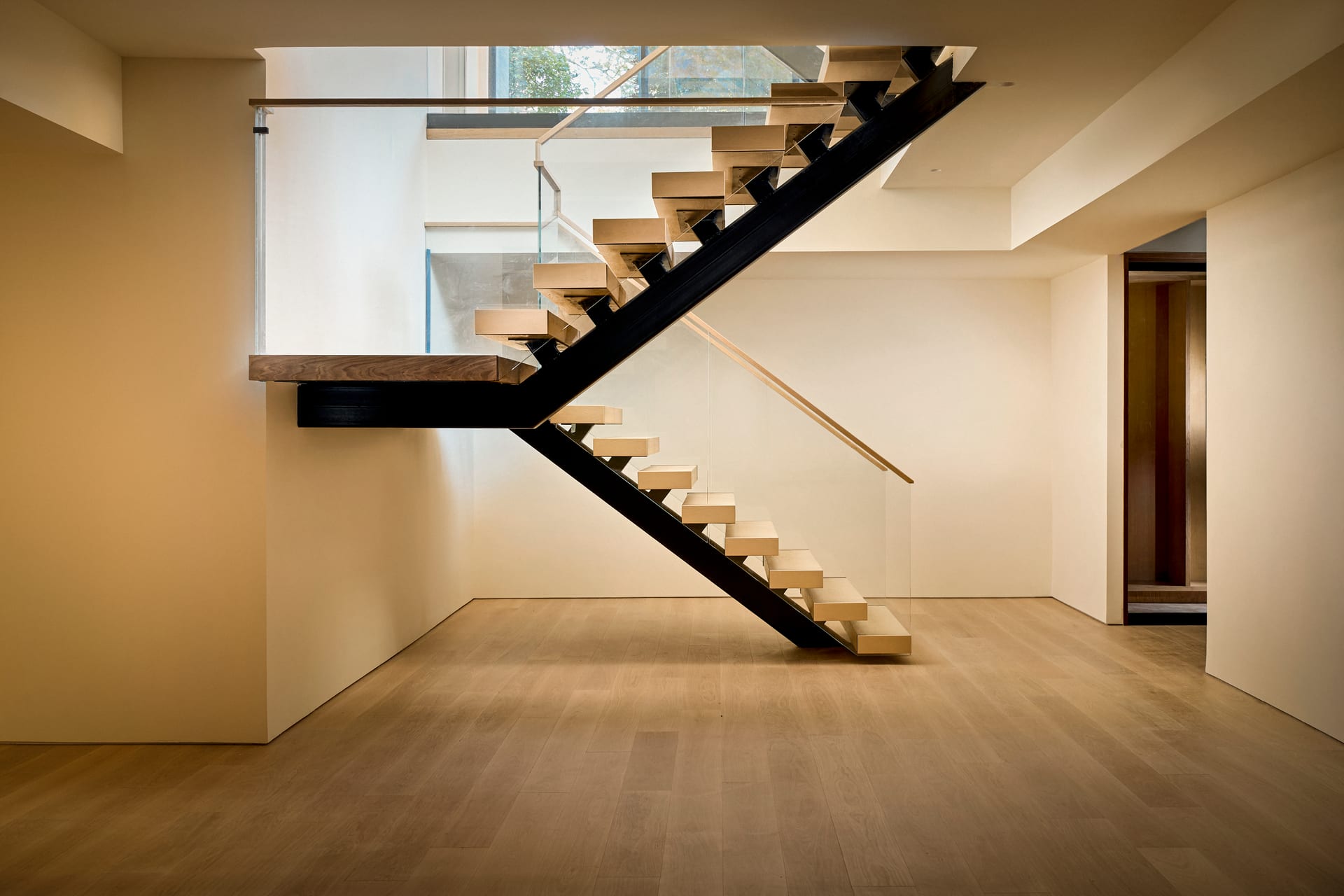
The human eye does not measure. It compares. We understand that a ceiling is high because we know roughly how tall a door is, how deep a sofa sits, how wide a stair tread runs. These familiar objects act as silent rulers scattered through a space. When a photograph includes them clearly, the viewer’s body recalibrates and the scale becomes legible.
This is why the most convincing interior photography almost always contains a reference the eye already knows. A dining chair, a stack of books, a pendant light hung at a familiar height. These elements are not clutter. They are the vocabulary the viewer uses to read the room.
Scale is not something the camera captures; it is something the photographer chooses to let the viewer feel.
The Role of the Figure
The most direct reference of all is a person. In classical architectural drawing, the scale figure exists for exactly this reason: to give the human body a place in the composition so proportion becomes instinctive. In photography, a figure does the same work, and it does it with warmth. A person standing at the far end of a gallery tells us precisely how far that distance is. A guest seated by a hotel window tells us the ceiling soars above them.
A figure need not be literal to function. The implication of a body works just as well:
- A coat draped over a chair
- A half-read book left open on an arm
- A single place setting at a long table
- A pair of shoes near a threshold
These traces give the viewer a sense of the body’s position in the room without requiring an actual person in the frame. They establish scale and intimacy at once.
Lens Choice and the Honesty of Proportion
No single decision affects perceived scale more than focal length. A very wide lens pushes the walls apart and stretches the foreground, making a small room appear generous and a generous room appear vast. This temptation is everywhere, particularly in real estate work, where the instinct is to make every space look larger. But a lens that exaggerates eventually betrays the viewer. The room they walk into will not match the room they were shown, and that gap erodes trust.
The more honest approach is to photograph closer to the way the eye actually sees. A moderate focal length preserves the true relationships between near and far, between a chair and the wall behind it. The space may look slightly smaller than a wide lens would suggest, but it will look correct, and correctness is what sustains a professional reputation.
A photograph that flatters the measurements but betrays the feeling has failed the space twice.
Standing Height and the Camera’s Point of View
Where the camera sits also shapes how large a space feels. Placed too low, a room can feel grand but disorienting, with ceilings ballooning upward. Placed too high, the same room collapses into a floor plan, losing all sense of volume. A camera positioned near standing eye level, or slightly below, tends to render scale as a person would experience it walking through the door. This is the most trustworthy vantage for communicating how a space actually feels to inhabit.
Using Layers to Build a Sense of Depth
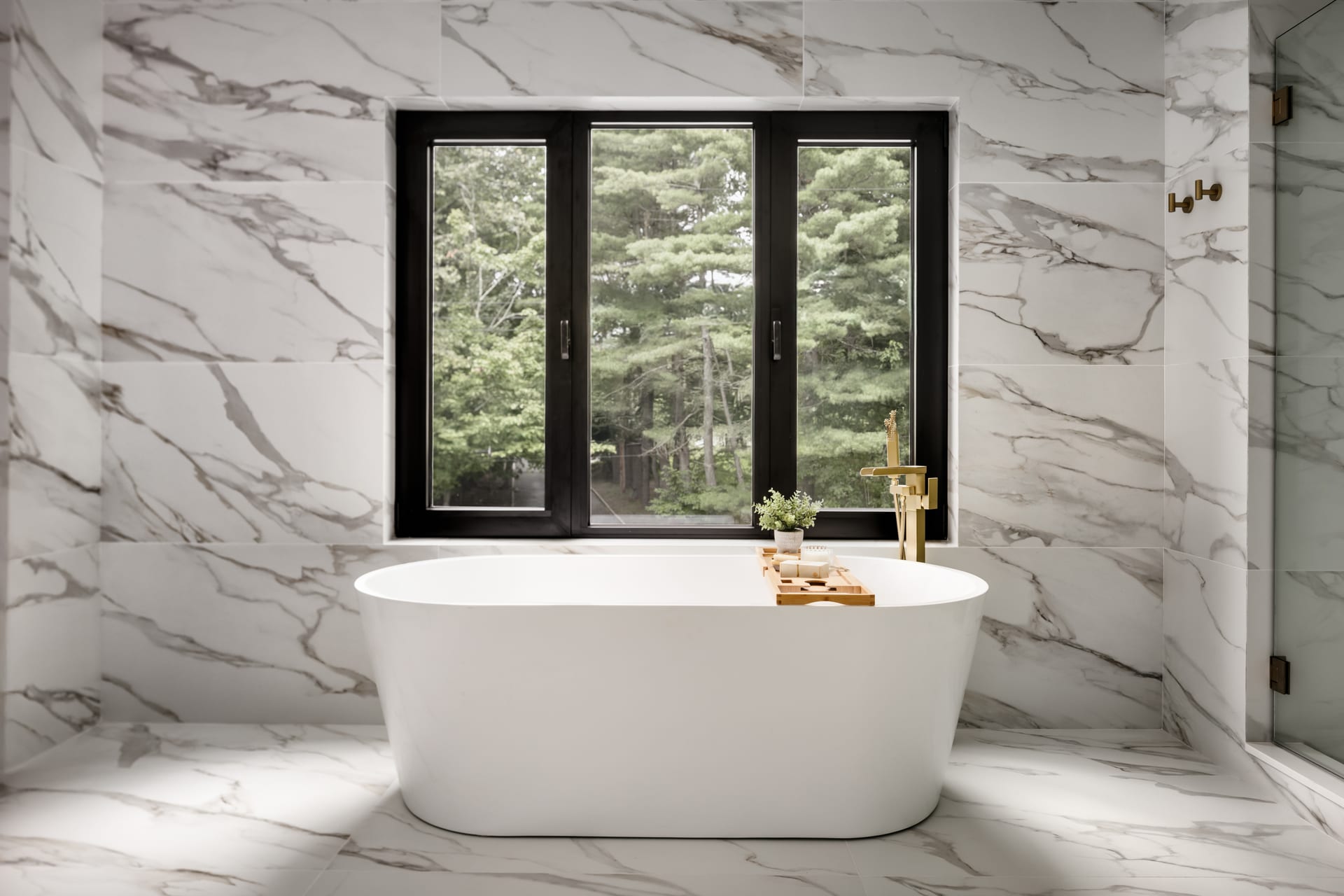
Scale is also a matter of depth, not only width and height. A photograph with a clear foreground, middle ground, and background gives the eye a journey to travel, and that journey translates into distance. A single plane of furniture against a wall tells us little. The same furniture arranged so the eye moves from a nearby object, past a middle element, toward a distant window reveals the full extent of the room.
For interior designers and hoteliers in particular, this layering also demonstrates how a space is meant to be moved through. It shows the choreography of the room, the way one zone gives way to the next, and in doing so it communicates both scale and intention.
Intimacy Is a Scale Too
It is worth remembering that scale does not only mean large. A reading nook, a snug, a well-proportioned bathroom all have a quality of enclosure that is central to their success. Here the task reverses. The photograph must preserve the sense of being held by the room rather than exaggerate its size. A tighter composition, a closer camera, and an emphasis on reachable surfaces can convey intimacy as deliberately as a wide view conveys grandeur.
The best architectural and interior photography treats intimacy and expansiveness as equally worthy outcomes. The question is never how large can this look, but how large should this feel, and how do we tell the truth of that feeling.
A Practical Checklist for Scale
Before committing to a frame, it is worth asking a few quiet questions:
- Does the image contain at least one object the viewer already knows the size of?
- Is the focal length representing the space honestly, or inflating it?
- Does the camera sit at a height that matches how the room is experienced?
- Is there a foreground, a middle, and a distance for the eye to travel?
- Does the frame serve the intended feeling, whether that is generous or intimate?
When these answers align, the photograph does something a floor plan never can. It lets the viewer stand inside the proportion of the room and feel its size in their own body.
If you would like your spaces photographed so their true scale and character are felt rather than merely measured, Matthew Lekker Photography would be glad to hear from you.
Add us as a preferred source on Google
Add as preferred source