The Case for Watching the Sky
Every element in architectural photography can be controlled to some degree. Staging can be adjusted. A vantage point can be reconsidered. Light inside a room can be shaped with patience. The weather cannot. It arrives on its own schedule, indifferent to the calendar, and it quietly determines a great deal about how a building will read on the day of the shoot. For design professionals who commission photography, understanding the sky is not meteorology for its own sake. It is a way of protecting the investment in a space and the work that went into it.
A clear blue sky feels, instinctively, like the ideal. In practice it is only one of several conditions worth wanting, and often not the most flattering. Light has a temperament. It can be harsh or diffuse, warm or cool, direct or wrapped. The weather is the instrument that sets that temperament, and learning to read it is part of the discipline of making considered images.
What Different Conditions Do to a Building
Clear Skies and Hard Light
A cloudless day delivers strong, directional sun. For certain subjects this is a gift. Sharp shadows articulate relief, deep reveals, and the rhythm of a facade. A brise-soleil or a run of columns becomes legible precisely because the light carves them. The trade is contrast. Shadows fall dense and detail inside them can collapse. On an interior, hard sun through a window creates bright patches that fight with the rest of the room for attention.
Clear skies do not guarantee a flattering photograph; they simply offer light with a strong opinion.
The deeper value of a clear day often arrives at its edges. The hour after sunrise and the hour before sunset bring the same direct light at a low angle, warmer and gentler, with shadows that lengthen rather than stab. This is when a south-facing facade or a courtyard tends to look its most composed.
Overcast and Soft Light
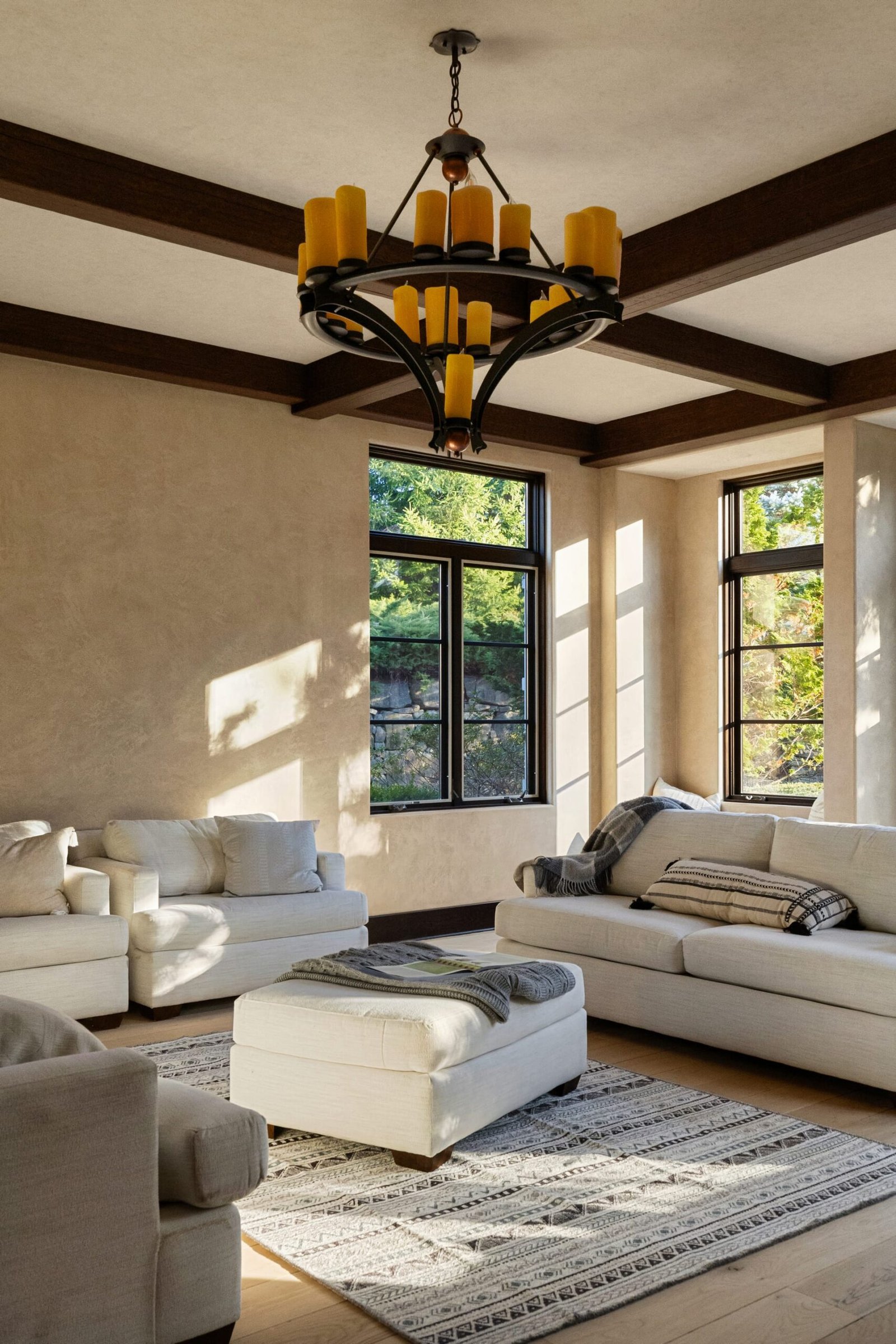
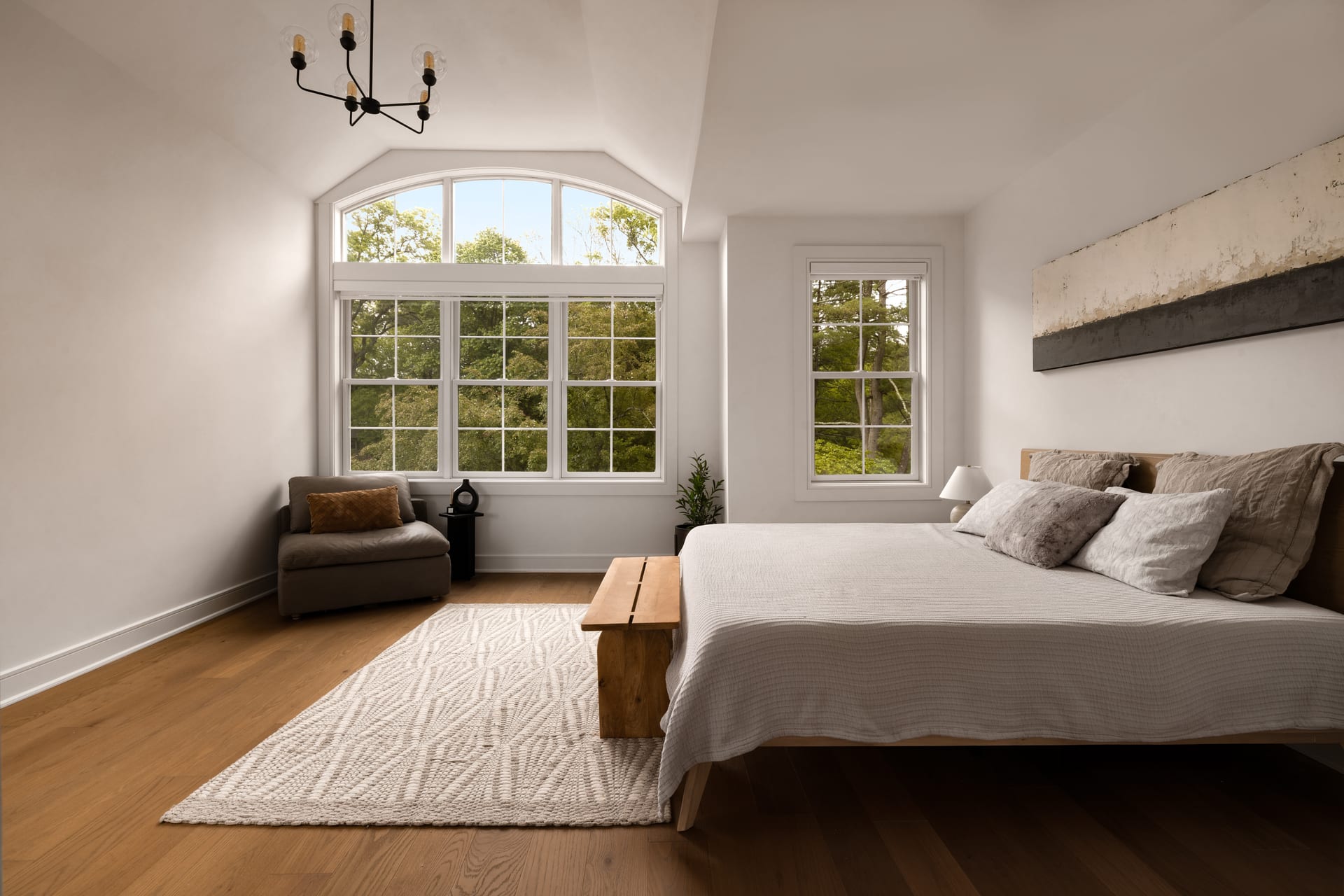
An even grey sky is one of the most underestimated conditions in interior photography. Cloud becomes an enormous diffuser, spreading light evenly and removing the harsh contrast that complicates a room. Materials read honestly under this light. The grain of timber, the tooth of plaster, the depth of a stone floor all hold their detail because nothing is blown out and nothing is lost to shadow.
The limitation is the sky itself. A flat white expanse behind a building offers nothing. For exteriors that depend on the sky as backdrop, heavy overcast can leave the composition feeling weightless. The solution is usually to reframe, giving the sky less room and letting the structure or the landscape carry the image.
Broken Cloud and the Moving Sky
A sky of drifting cloud is the most dynamic condition and the most demanding. Light comes and goes. A facade can sit in shade one moment and burst into sun the next. This is where patience earns its keep. A passing cloud can soften an interior just enough to balance a bright window, and a sudden break can rake light across a textured wall at exactly the right moment. The images that result often have a vitality that neither a cloudless nor a solid grey day can produce.
Reading the Forecast as a Design Brief
A forecast is not a verdict. It is a set of possibilities to plan around. When preparing for a shoot, a few practical questions turn weather data into working decisions.
- Which facades face which direction, and when does the sun reach each one?
- Does the building rely on its interior light, its exterior form, or both?
- Are there materials that need soft light to read their true colour and texture?
- Is the sky itself part of the composition, or merely a frame around the subject?
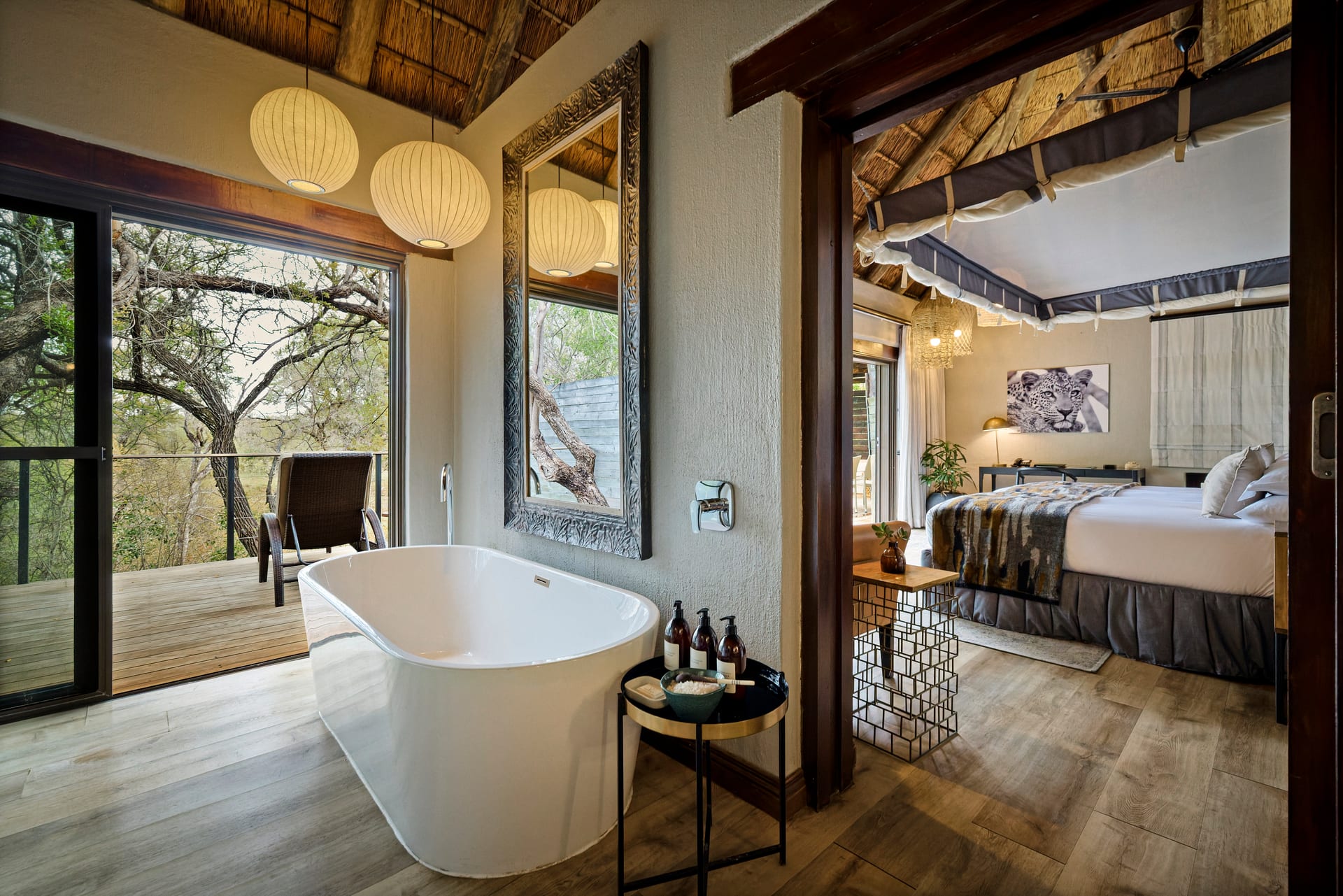
A hotel exterior that depends on a dramatic approach may want the drama of broken cloud and a low sun. An interior suite, where the goal is to convey calm and the honest tone of the finishes, is often better served by even cloud. A realtor working to a tight timeline may need to accept the day they are given and shoot in a way that makes the most of it. In each case the condition is not good or bad in isolation. It is suited or unsuited to the intention.
Working With the Day You Are Given
Flexibility is the quiet skill that separates a frustrating shoot from a productive one. A well-planned session has a sequence that can be reordered on the fly. If the morning arrives overcast, interiors and detail shots come first, reserving the exteriors for a hoped-for break later. If the sun is unexpectedly fierce, the schedule shifts toward north-facing rooms and shaded aspects until the angle softens.
The strongest sessions are not the ones with perfect weather but the ones flexible enough to meet whatever the day delivers.
Rain deserves particular mention, because it is too often treated as a cancellation rather than an opportunity. Wet surfaces gain depth and reflection. A paved forecourt becomes a mirror for the architecture above it. A window streaked with rain lends an interior a sense of shelter and intimacy that a dry day cannot manufacture. Mist and fog, when they appear, can isolate a building from a cluttered surrounding and lend it a quiet, almost drawn quality. These conditions ask for a willingness to adapt, and they reward it generously.
When to Reschedule
There are moments when the honest decision is to postpone. If a project lives or dies on a twilight exterior and the sky is a solid ceiling of grey, pushing ahead serves no one. A good photographer will say so, and a good client will trust the judgement. The aim is always the finished image, not the convenience of a single date. Rescheduling is not a failure of planning. It is a sign that the work is being held to its proper standard.
The Longer View
For design professionals, the lesson of the weather is really a lesson about intention. A space is designed to perform in particular light, at particular times, for particular reasons. Photography that respects those conditions tells the truth about the architecture. It shows the building as it was meant to be experienced rather than as it happened to appear on an arbitrary afternoon. Reading the sky is one more way of taking the work seriously, from the first sketch to the final frame.
If you are planning photography for a project and want it timed to the light that suits it best, I would welcome a conversation.
Add us as a preferred source on Google
Add as preferred source