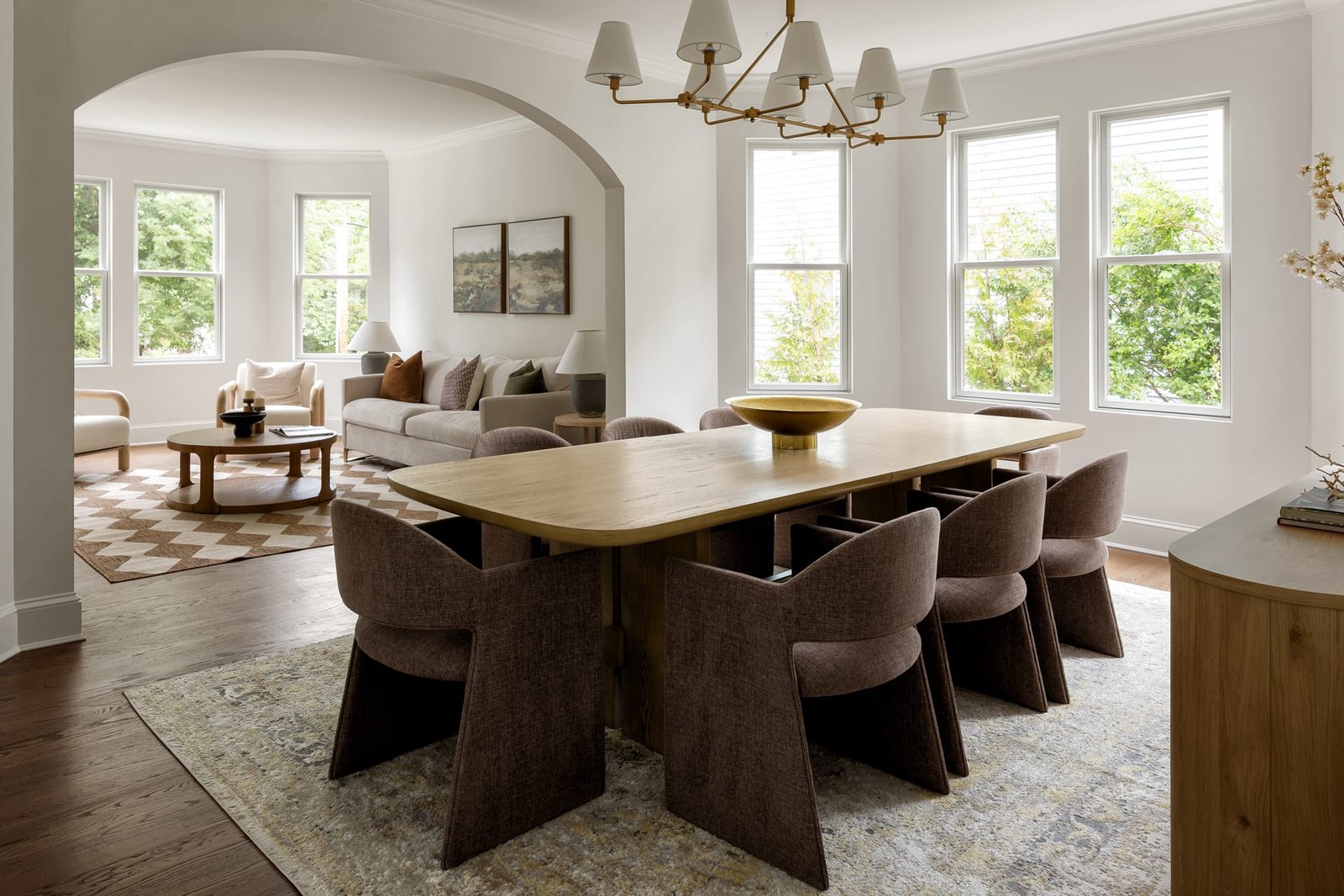
What Shadow Does for a Space
We tend to speak about photography as the pursuit of light, and rightly so. Yet every photograph is also a record of where light does not fall. Shadow gives a room its structure, its weight, and much of its atmosphere. In architectural photography and interior photography alike, the areas left in darkness are not failures of exposure. They are decisions, as deliberate as the placement of a sofa or the height of a window.
For design professionals, this is a familiar truth expressed in a different medium. An architect understands that a deep reveal reads differently from a flush edge because of the shadow line it casts. An interior designer knows that a lamp placed low creates a pool of warmth precisely by leaving the rest of the room in soft dark. The camera inherits these intentions and renders them permanent. Reading shadow well is how we photograph a space as it was meant to be felt.
Every photograph is also a record of where light does not fall.

Shadow as Structure
The most useful thing shadow does is describe form. A wall lit evenly from every side flattens into a plane with no information. The same wall, raked by light from one direction, reveals its texture, its joints, and the subtle undulations a trowel or a mason left behind. Shadow is what turns a surface into a material.
This matters most where craft is the point. Consider the elements that depend on shadow to be understood:
- The coffer in a ceiling, which exists only as a pattern of light and the darkness between its beams.
- A stone or brick wall, whose character lives entirely in the small shadows cast by its irregularities.
- The profile of a stair, where each tread earns its depth from the shade beneath its nosing.
- A pleated drape or a boucle upholstery, where softness is communicated through gradual falloff into dark.
When these features are photographed under flat, shadowless light, they lose the very quality that made them worth specifying. The photograph becomes accurate and lifeless at once. Shadow is the difference between recording that a material is present and showing what that material is.
The Direction That Reveals
Because shadow describes form, its direction decides what we see. Light that strikes a surface nearly parallel, grazing across it, throws long shadows from every ridge and makes texture unmistakable. Light that arrives head-on erases those same shadows and with them the texture. Neither is correct in the abstract. The question is always what the space is trying to say.
A rough plaster wall usually wants raking light to honor its hand-made surface. A sheet of polished marble may want softer, more frontal light so its figuring reads without harsh contrast breaking up the pattern. Learning to anticipate how directional light will behave on a given material is one of the quieter skills in interior photography, and it rewards patience on site.
Shadow as Mood
Beyond structure, shadow carries emotion. A room with generous dark corners feels intimate, grounded, and still. The same room lit to uniform brightness feels clinical and busy, with the eye given nowhere to rest. Hoteliers understand this instinctively, because the atmosphere of a bar or a guest suite depends on restraint with light. The photograph should protect that restraint rather than flood it away.
There is a persistent temptation, especially in real estate and some commercial work, to lift every shadow until the image is bright from edge to edge. The intention is generosity, a wish to show everything. The result is usually the opposite of generous. When nothing is in shadow, nothing is emphasized, and the viewer cannot tell what the space wanted them to notice.
When nothing is in shadow, nothing is emphasized, and the viewer cannot tell what the space wanted them to notice.
Allowing darkness to hold part of the frame is an act of confidence. It trusts the viewer to understand that a room continues into the shade, that not every surface needs to announce itself. The dark areas give the lit areas their value, the way silence gives shape to a phrase of music.
Preserving the Deepest Tones
Technically, the discipline is to let blacks be black. A photograph with no true dark point tends to look washed and uncertain, as if a veil has settled over it. Anchoring the image with a genuine shadow, even a small one, lends it clarity and depth. This does not mean crushing detail into featureless pits. It means deciding which darkness is meant to hold information and which is simply meant to be dark, and then honoring both.
On site, this often involves resisting the urge to add fill light into every recess. A doorway leading to an unseen room can remain dim. The underside of a cantilever can stay in shade. These pockets of dark are what make a space feel dimensional rather than cut out and pasted flat.
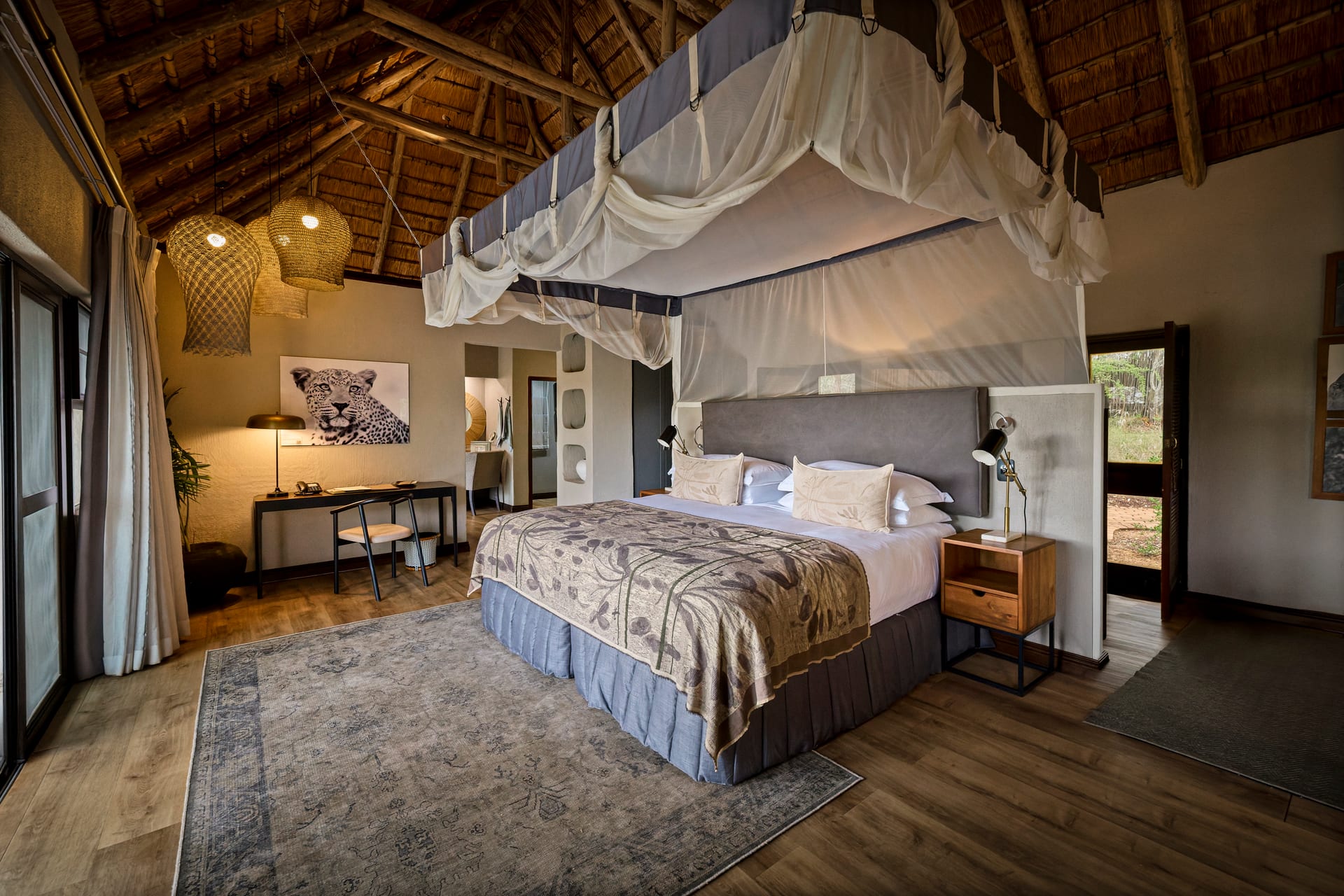
Reading Shadow Before the Shot
Much of this work happens before the camera is even set. Walking a space slowly, at different times, teaches how its shadows move. A courtyard that is a grid of hard shade at noon becomes soft and layered by late afternoon. An interior with east-facing glass holds crisp window shadows in the morning that dissolve by lunch. Knowing these rhythms lets you choose the hour when the shadows do the most for the design.
For professionals briefing a shoot, a few habits help the photography honor shadow well:
- Note which features depend on texture, and flag them so the light can be timed or shaped to reveal it.
- Resist the request to brighten uniformly; describe instead the mood the space is meant to hold.
- Trust that dark corners and soft falloff will read as depth, not as error.
- Think of shadow as part of the composition, with its own weight and placement in the frame.
When shadow is treated as a collaborator rather than a problem, the photographs begin to feel like the spaces themselves: considered, atmospheric, and quietly alive. The darkness stops being what the image lacks and becomes part of what it offers.
The Quiet Authority of Dark
The finest architectural and interior images are rarely the brightest. They are the ones that understand balance, that let light arrive with purpose because it has somewhere dark to arrive from. A photograph that respects shadow respects the intention behind a design, because so much of good design is itself a study in restraint.
To read shadow is to read the space more completely. It is to see not only the surfaces that catch the light but the volume between them, the depth that gives a room its presence. For those who shape spaces for a living, this way of seeing is already native. The photography only needs to keep faith with it.
If you would like your spaces photographed with this kind of attention to light and shadow, I would be glad to hear from you at Matthew Lekker Photography.
Add us as a preferred source on Google
Add as preferred source