
The Space That Connects Everything
Every building is a sequence of rooms, but the rooms themselves are only half the story. The other half lives in the openings between them: the doorway, the arch, the cased passage, the moment where one space releases you into the next. In architectural photography, these thresholds are among the most quietly powerful compositions available, and they are also among the most overlooked. We photograph rooms as destinations. We rarely photograph the act of moving from one to another.
Yet the threshold is where a building reveals its intentions. It is where an architect decides how much to disclose and how much to withhold, where an interior designer choreographs the shift from public to private, from formal to relaxed. When you photograph through an opening, you are not documenting a single room. You are documenting a relationship.
Why Thresholds Read So Well
A threshold gives the viewer a place to stand. The framing edge of a doorway or the curve of an arch creates an immediate foreground, and foreground is what gives a photograph depth. Without it, an interior photograph can flatten into a pleasant but airless record of surfaces. With it, the eye understands that space extends beyond the frame, that there is somewhere to go.
This layering is the essence of interior photography that feels lived in rather than staged. A frame within a frame invites the viewer inward. It suggests movement, sequence, and the natural rhythm of how a person actually experiences a building, one room unfolding into the next.
The threshold is where a building reveals its intentions, and where the camera can show a room belonging to something larger than itself.
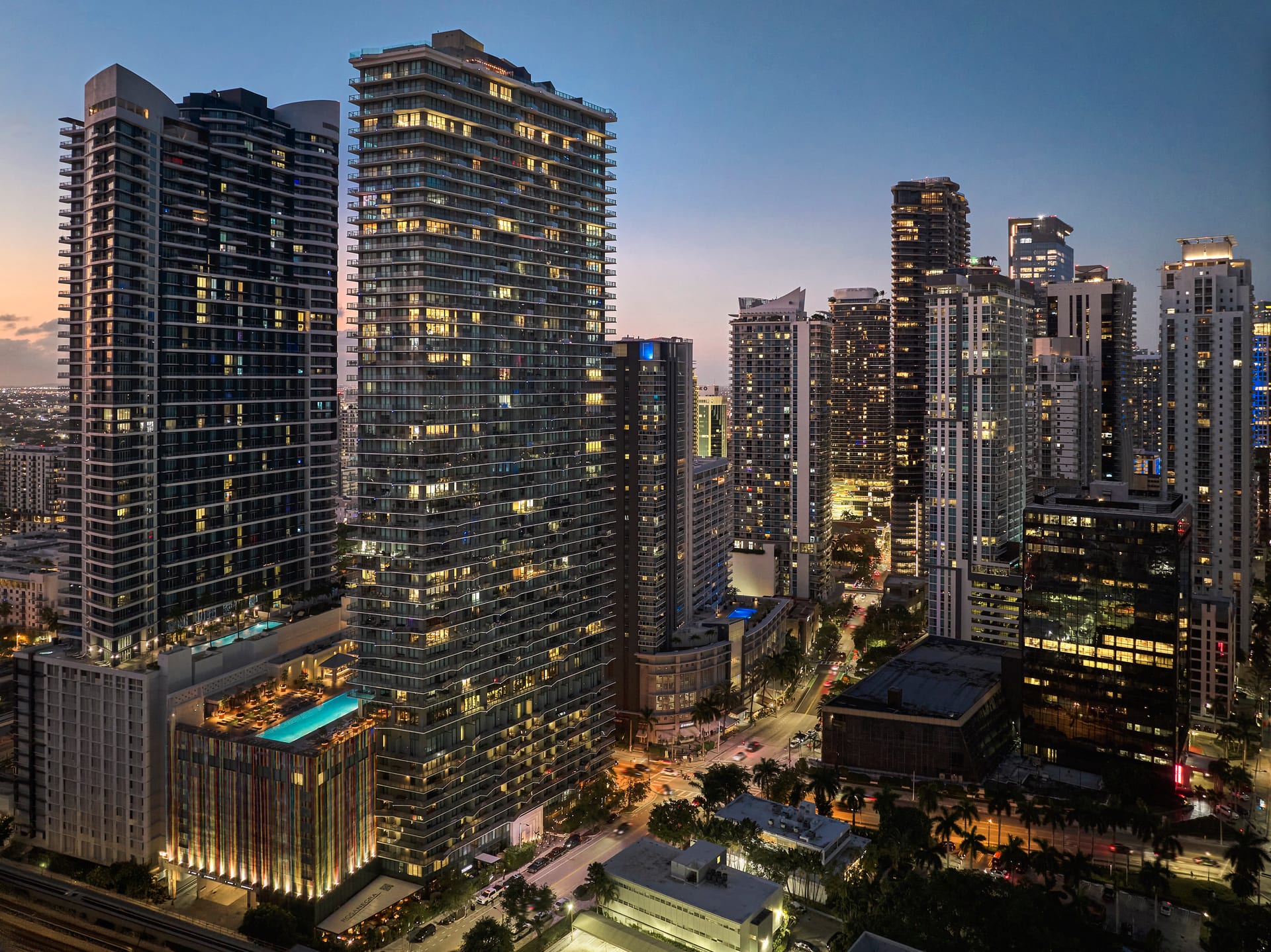
Finding the Frame Within the Frame
The most rewarding threshold compositions rarely announce themselves. They ask you to walk the space slowly, watching for the moment when two rooms align through an opening. Here is what to look for.
Alignment and Overlap
Stand back far enough that the doorway or arch becomes an intentional border rather than an accidental obstruction. The framing element should sit cleanly at the edges of your composition, its lines squared and true. A threshold caught halfway, with a sliver of the near room clinging awkwardly to one side, reads as a mistake rather than a decision.
Pay attention to how the far room is revealed. You are choosing how much to show. A generous opening can present most of the adjoining space, while a narrow passage offers only a tantalising fragment. Both are valid, but they say different things. The fragment creates curiosity. The full reveal creates connection.
Layering Light Across Rooms
Thresholds almost always cross a boundary of light. The near room may sit in soft shade while the far room glows with window light, or the reverse. This gradient is a gift. It separates the planes, deepens the sense of distance, and draws the eye through the opening toward the brighter space beyond.
Managing this contrast is the central technical challenge. The human eye adapts effortlessly between a dim hallway and a sunlit kitchen, but the camera does not. Photographing through a threshold usually means balancing two or more distinct pools of light within a single frame.
- Meter for the space you want the viewer to move toward, then judge whether the foreground still holds enough detail to read.
- Watch for windows in the far room that can blow out and pull attention away from the architecture.
- Let some shadow remain in the framing room. A threshold that is evenly lit on both sides loses the depth that made it worth photographing.
What Thresholds Do for Different Professionals
The value of a strong threshold image shifts depending on who is looking at it, which makes these compositions unusually versatile in a finished set.
For Architects and Builders
Thresholds demonstrate spatial planning in a way that single-room images cannot. They show flow, sightlines, and the considered progression from one volume to another. When a client can see how a corridor releases into an open living space, or how a low passage heightens the drama of the room beyond, they understand the design decisions rather than merely the finishes. Architectural photography that captures these transitions communicates the intelligence of a plan.
For Interior Designers
An opening between two rooms lets a designer show relationships in palette, material, and mood. The restraint of an entry hall can be photographed alongside the warmth of the room it leads into, telling a story of contrast and continuity in a single frame. This is interior photography working at the level of narrative, not just decoration.
For Hoteliers and Realtors
In hospitality, the threshold sells arrival. The passage from lobby to lounge, from corridor to suite, is where a guest first feels the character of a place. For property marketing, threshold images help a viewer imagine walking through, which is precisely the feeling that turns interest into intention.
A frame within a frame does not simply record a room, it invites the viewer to walk into it.
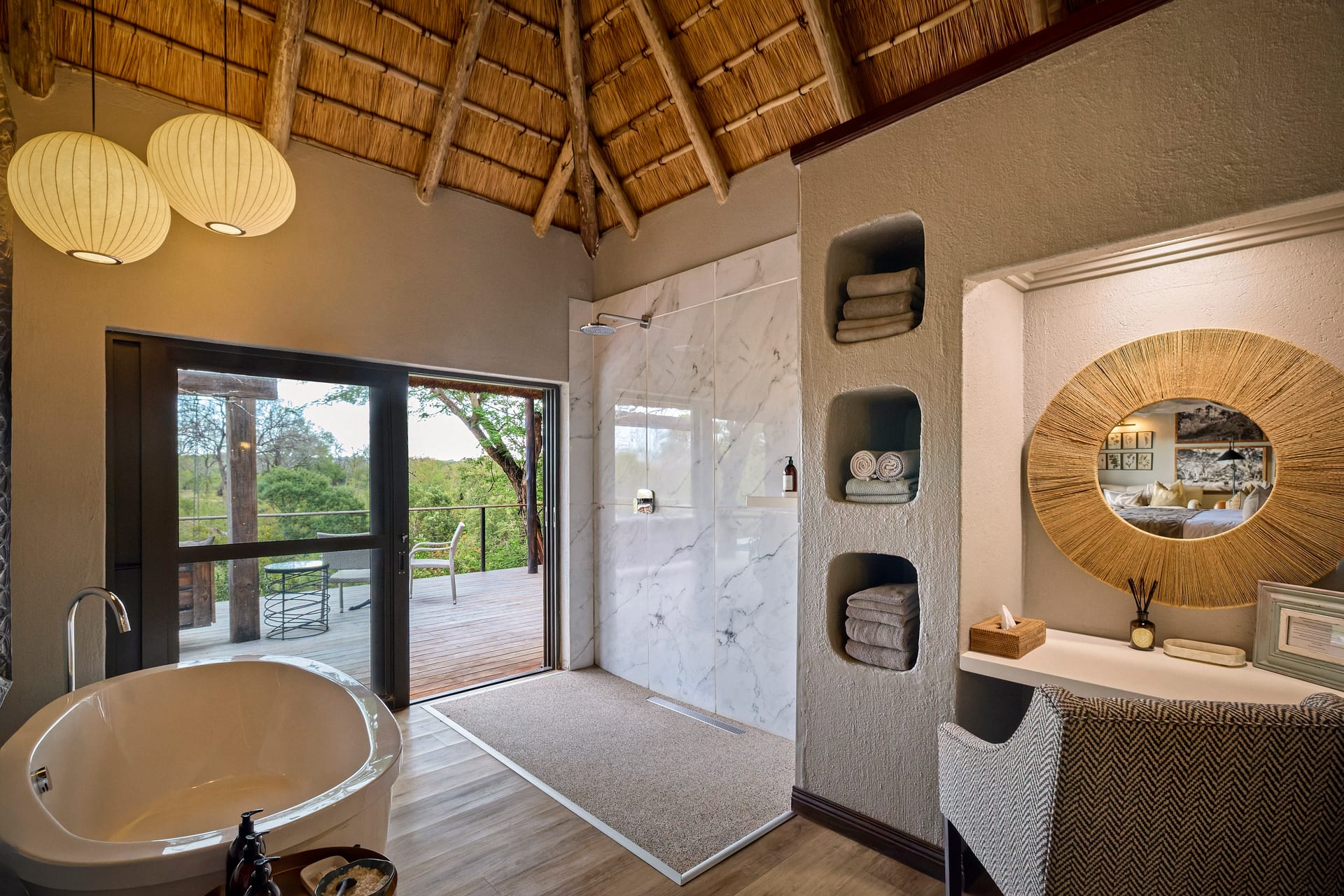
Common Mistakes at the Doorway
Because thresholds seem simple, they invite a few predictable errors. Being aware of them sharpens the work considerably.
Standing Too Close
When you crowd the opening, the framing element dominates and the far room shrinks to a distant peephole. Step back until the threshold occupies a supporting role and the destination room has room to breathe.
Ignoring the Foreground Room
A doorway seen from within a cluttered or poorly composed near room undermines the whole image. The framing space needs the same care as the space beyond it. Even a bare foreground should have a considered floor line, a clean edge, a deliberate quality.
Losing the Verticals
Threshold compositions are unforgiving with alignment. The vertical lines of the door casing, the walls, and the far room must remain true. A tilted frame turns an elegant passage into something disorienting. Level the camera carefully and correct any convergence in editing.
The Threshold as a Sequence Tool
Beyond the single image, thresholds are essential connective tissue when ordering a set of photographs. A threshold image placed between two room images tells the viewer how those rooms relate, giving a gallery the coherence of a walkthrough rather than a scattered collection. It answers the quiet question every viewer asks: how do these spaces fit together.
Used this way, the threshold becomes a kind of grammar. It links, it transitions, it establishes rhythm. A well-placed passage image can carry the viewer from the calm of a bedroom into the energy of a living area without a single word of explanation.
To photograph a threshold well is to respect the truth that no room exists alone. Every space is shaped by what lies on either side of its openings, and the camera that honours those connections tells a more complete and more honest story of a building.
If you would like to bring this attention to passage, flow, and connection to your next project, we would be glad to hear from you at Matthew Lekker Photography.
Add us as a preferred source on Google
Add as preferred source