The Surface That Sees Back
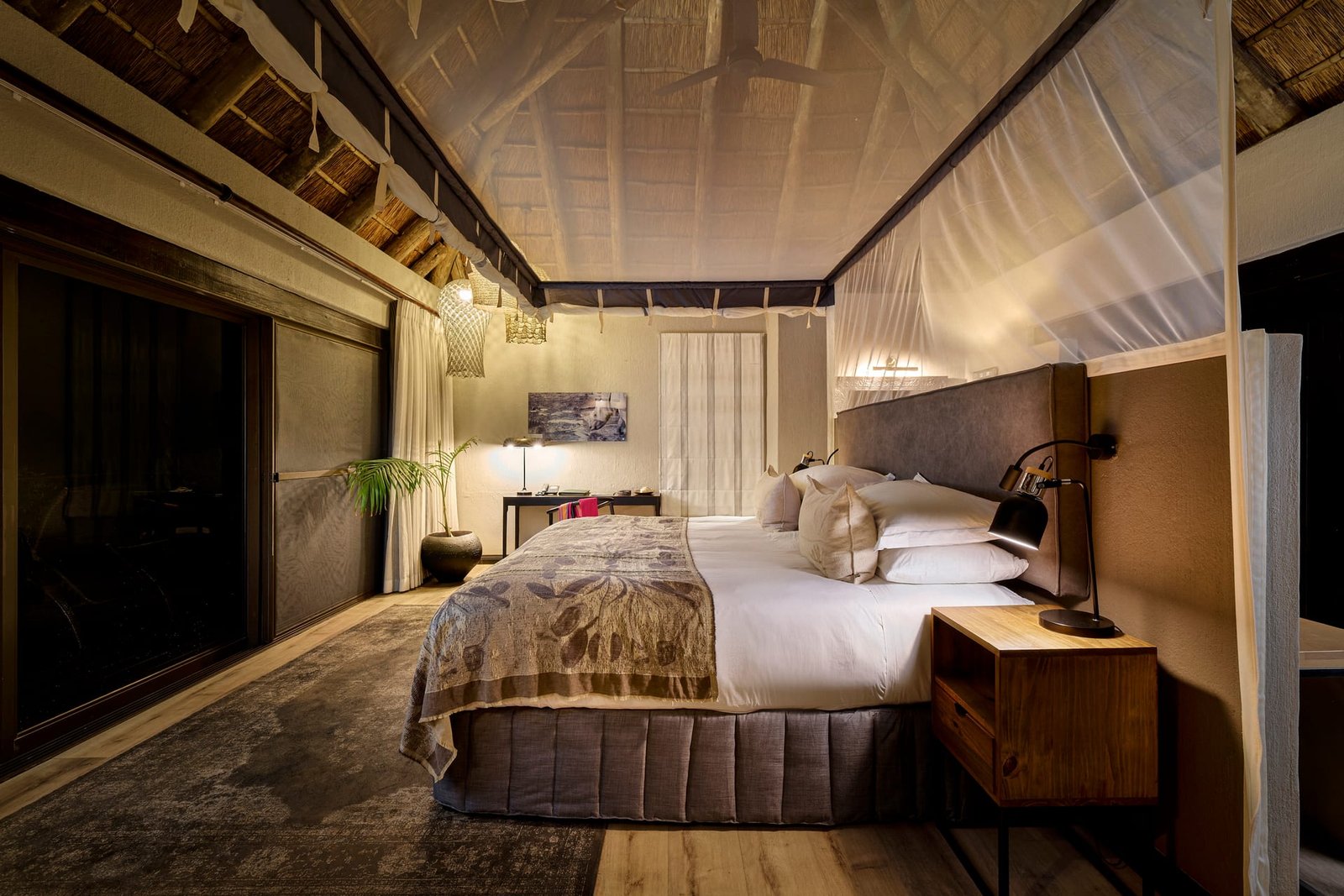
Every space contains surfaces that return an image. A mirror above a console, a window wall facing a garden, a polished floor, the lacquered face of a cabinet, the still water of a courtyard pool. These reflective planes are among the most demanding elements in architectural photography, because they do not simply occupy space. They gather it, double it, and occasionally betray it. A single unmanaged reflection can place a tripod in the middle of an otherwise composed room, or drop a gray sky into a pane meant to frame a landscape.
For design professionals, reflection is rarely incidental. A mirror is chosen to expand a room. A glass partition is specified to share light between two zones. A glossy stone is selected precisely because it holds the light differently than a matte one would. Photographing these decisions well means treating reflection not as an obstacle but as part of the material argument the space is making.
What a Reflection Actually Records
A reflective surface records two things at once: the object itself and the world in front of it. The camera cannot separate these the way the eye does. When we stand in a room, our attention moves and our brain quietly edits out the clutter caught in a mirror. The lens has no such discretion. It fixes both layers with equal weight, which is why a reflection that reads as elegant in person can look confused in a photograph.
The photographer’s task is to decide which layer should lead. Sometimes the surface matters most, and the reflection should recede into a soft, unobtrusive wash. Sometimes the reflection is the point, borrowing a view or amplifying daylight, and it should be given room to speak.
A reflective surface records two things at once, and the photograph must decide which of them is the subject.
Reading Glass in Interiors
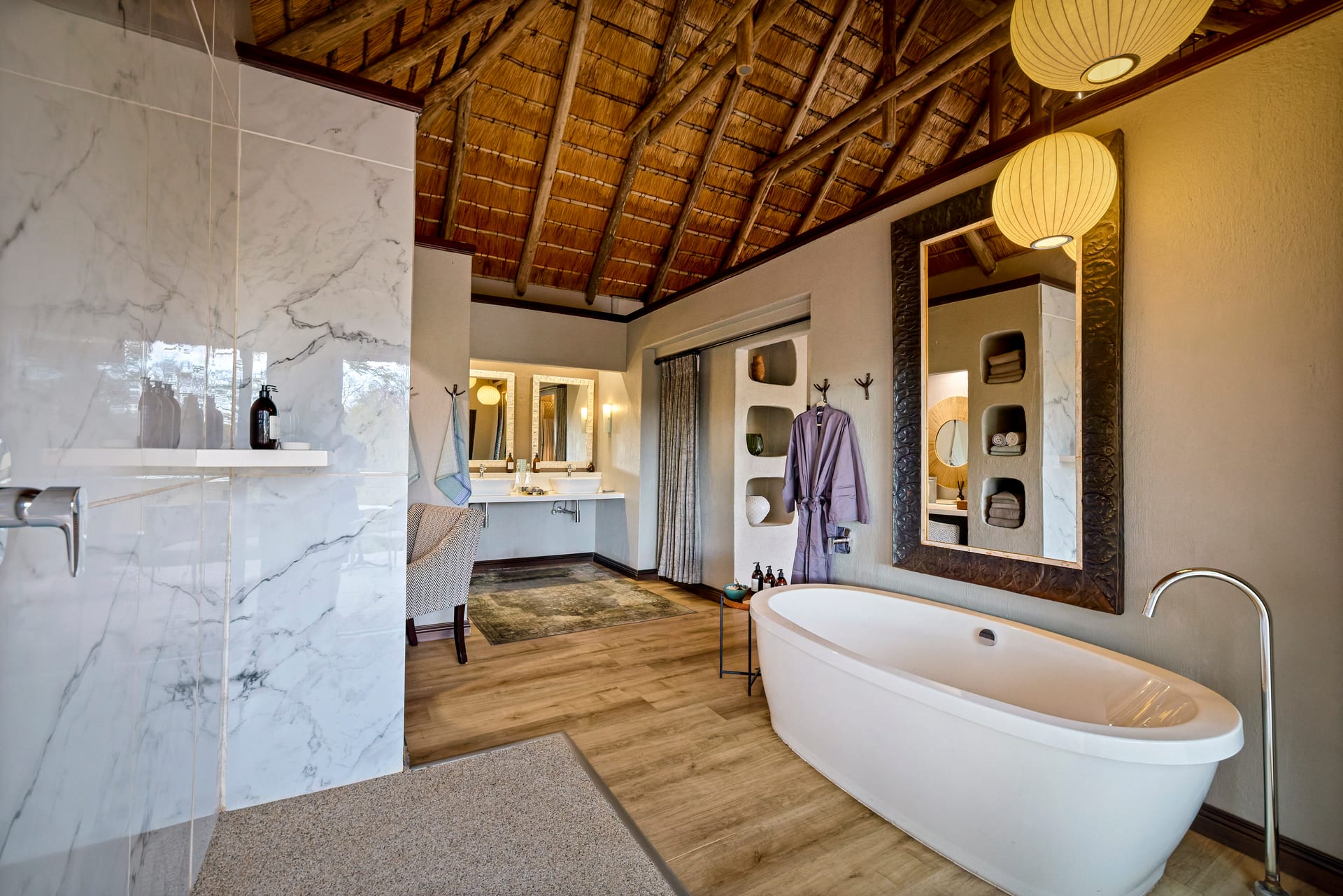
Interior glass appears in more forms than we tend to count: framed art under glazing, glass-fronted cabinets, shower enclosures, partition walls, and the windows that connect a room to the world outside. Each behaves differently depending on the angle of the camera and the light behind it.
Framed Art and Cabinet Fronts
Glazed pictures and glass cabinet doors are the quiet saboteurs of interior photography. A window across the room, a bright wall, or the camera itself can appear ghosted across their surface. The remedy is usually angular rather than technical. A slight shift in camera position, often only a matter of degrees, moves the reflection off the important part of the frame. Where the surface must be shown head-on, the light in the room can be arranged so that nothing bright sits in the path of the reflection.
Partitions and Enclosures
Glass partitions and shower enclosures ask a different question. Here the glass is meant to read as glass, present but nearly invisible, and the challenge is to show it without either losing it entirely or filling it with distracting highlights. A thin, controlled reflection along an edge can actually help the plane read, giving the eye enough information to understand that a surface exists at all.
Windows and the Borrowed View
Windows are where reflection and transmission compete. During bright daylight, a window can behave like a mirror, throwing the interior back at the camera and hiding the view beyond. The balance between inside and outside is one of the defining problems of interior photography, and it is usually solved through careful attention to the relationship between interior light levels and exterior brightness, along with the time of day. When it resolves, a window stops being a bright rectangle and becomes what the architect intended: a frame around a landscape.
Reading Mirror in a Composition
Mirrors are placed with purpose. In a compact entry, a mirror doubles the sense of depth. In a dining room, it carries candlelight and movement. In a bathroom, it is often the visual center of the entire scheme. Photographing a mirror means accepting that whatever it faces will become part of the picture.
The discipline here is to compose the reflection as deliberately as the primary frame. Before the shutter, it is worth asking what the mirror is showing. If it returns a considered view, a well-styled shelf, a shaft of light, a glimpse of an adjoining room, it deepens the image. If it returns a light stand, an open door, or the photographer, it undermines everything else.
- Position the camera so the mirror reflects something intentional, not the equipment or the operator.
- Let the mirror carry light from a window it faces, reinforcing the room’s brightness.
- Use the doubled geometry to reinforce symmetry rather than fight it.
- Watch the edges, where a mirror often catches the one element you meant to keep out.
A mirror will show whatever you point it toward, so point it toward something worth seeing.
The Floor as a Reflective Plane
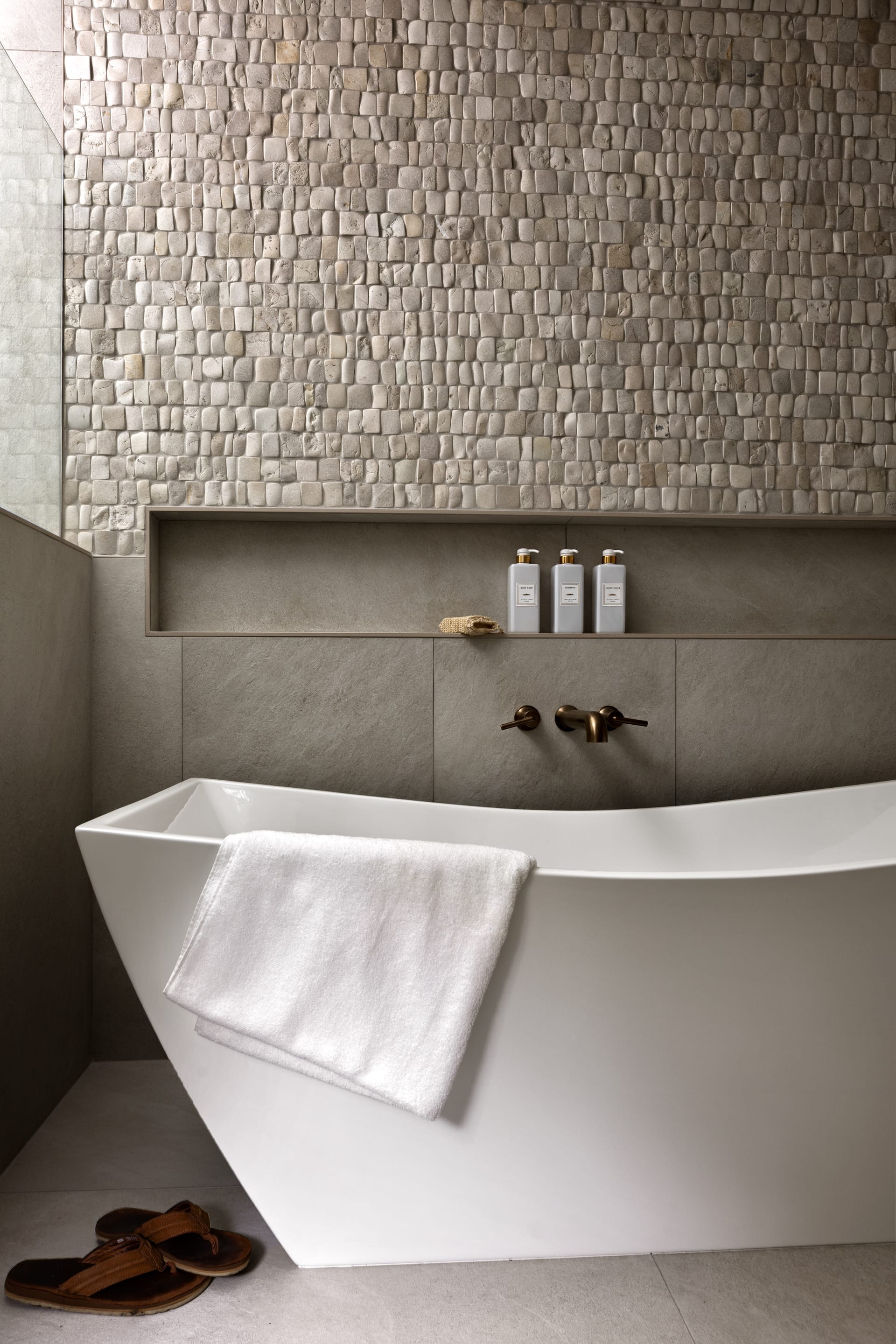
Polished concrete, honed marble, lacquered timber, and high-gloss tile all behave, to some degree, like water. They pick up the soft shapes of furniture and the glow of windows, and when handled well they add a quiet luminosity to the lower third of a frame. A reflection in the floor can anchor a room, lending weight and continuity between the furniture and the surface it stands on.
The risk is overstatement. A floor reflection that competes with the objects above it splits the viewer’s attention. The goal is usually a suggestion rather than a mirror image, enough to register the quality of the material without turning the floor into a second, upside-down room.
Working With, Not Against, the Surface
The most useful shift in thinking is to stop treating reflection as error. In hospitality interiors especially, gloss, glass, and mirror are deliberate instruments of atmosphere, chosen to make a space feel expansive, luminous, and layered. To photograph them flatly, or to fight every highlight into submission, is to miss what the designer built.
Instead, the photographer reads each surface for its intent. A mirror asks to expand. A glass wall asks to connect. A polished floor asks to glow. When the camera position, the light, and the styling all respect that intent, reflection stops being a technical hurdle and becomes one of the more expressive tools available in interior and architectural photography.
A Short Checklist Before the Shutter
- Identify every reflective surface in the frame, including the ones at the edges.
- Decide, for each, whether the surface or its reflection should lead.
- Remove or reposition anything the surface returns that does not belong.
- Confirm the camera and equipment are not visible in any glass or mirror.
- Check that window reflections are not hiding the view the room was designed around.
If you are preparing to photograph a space where glass, mirror, and polished surfaces carry the design, we would welcome the conversation at Matthew Lekker Photography.
Add us as a preferred source on Google
Add as preferred source