The Quiet Conflict of Two Lights
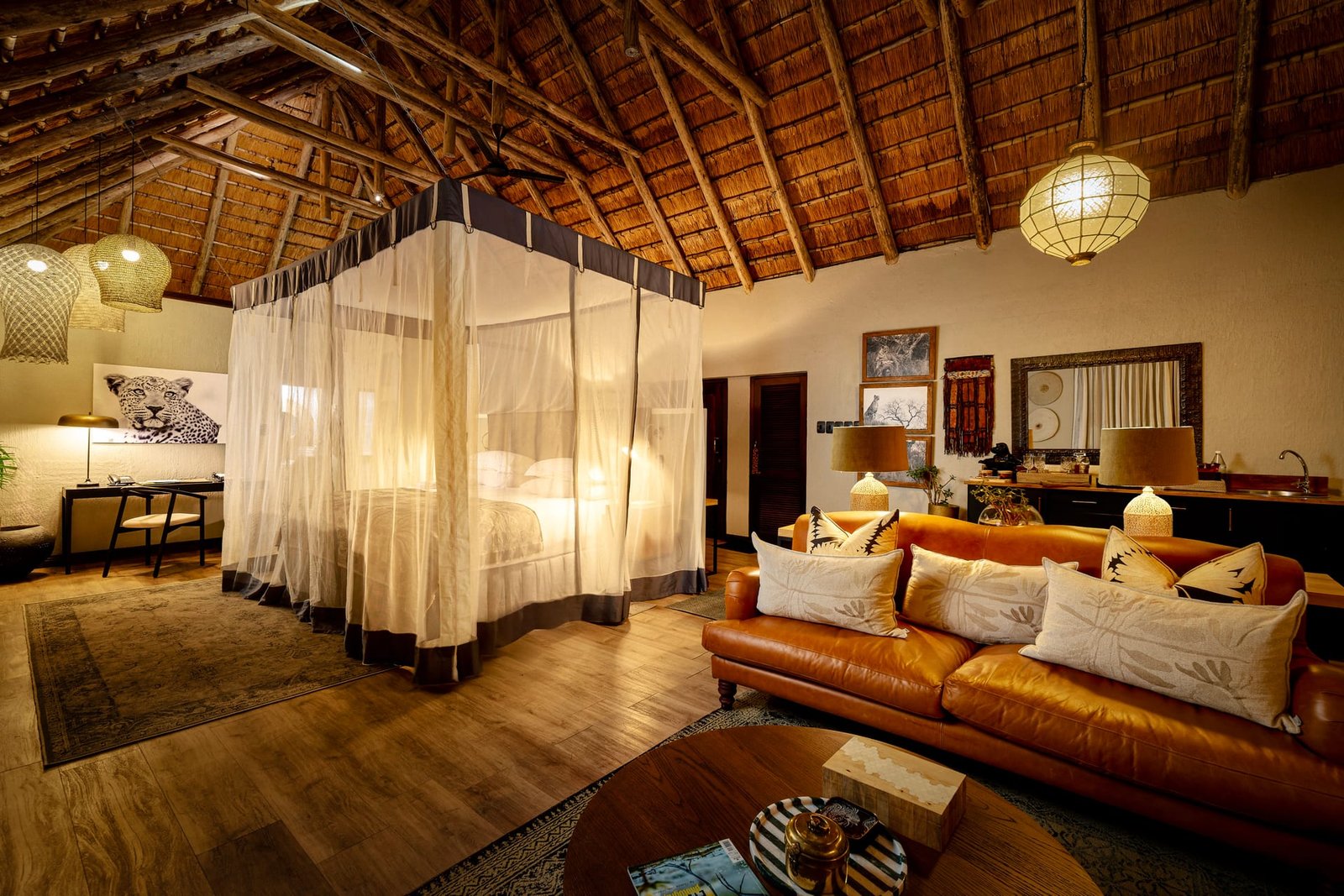
Every interior holds two competing sources of light. Daylight arrives through windows, cool and shifting, indifferent to the room it enters. Artificial light rises from lamps, pendants, and recessed fittings, warm and deliberate, placed by a designer with intent. In the eye, these two coexist without complaint. The brain adjusts, reconciles, and moves on. A camera is far less forgiving. It records what is actually there, and what is actually there is a room lit by two different colours of light at two different intensities.
This tension sits at the heart of interior photography. Handle it poorly and a space reads as muddy, uncertain, or clinical. Handle it well and the photograph carries the warmth a designer worked to create while preserving the clarity daylight brings. For architects, interior designers, and hoteliers, understanding how these two sources behave is one of the most practical things you can learn before commissioning a shoot.
Why the Eye Forgives and the Sensor Does Not
Human vision is adaptive. Step from a sunlit street into a lamplit lobby and within moments the amber glow feels neutral. The eye continuously rebalances, editing out the difference so that white surfaces appear white regardless of the light falling on them. A camera fixes a single interpretation the instant the shutter opens. Set it to render daylight accurately and the lamps turn orange. Set it for the lamps and the windows turn a cold, oceanic blue.
The eye forgives the collision of two lights the instant it happens, but a photograph must decide, and that decision is where the mood of a room is either found or lost.
This is why a phone snapshot of a beautifully lit space so often disappoints. The device makes an automatic choice, usually the wrong one, and the result flattens the careful layering a designer built. Considered architectural photography treats this not as a technical nuisance but as a creative decision with real consequences for how the space feels.
Reading the Room Before the Camera
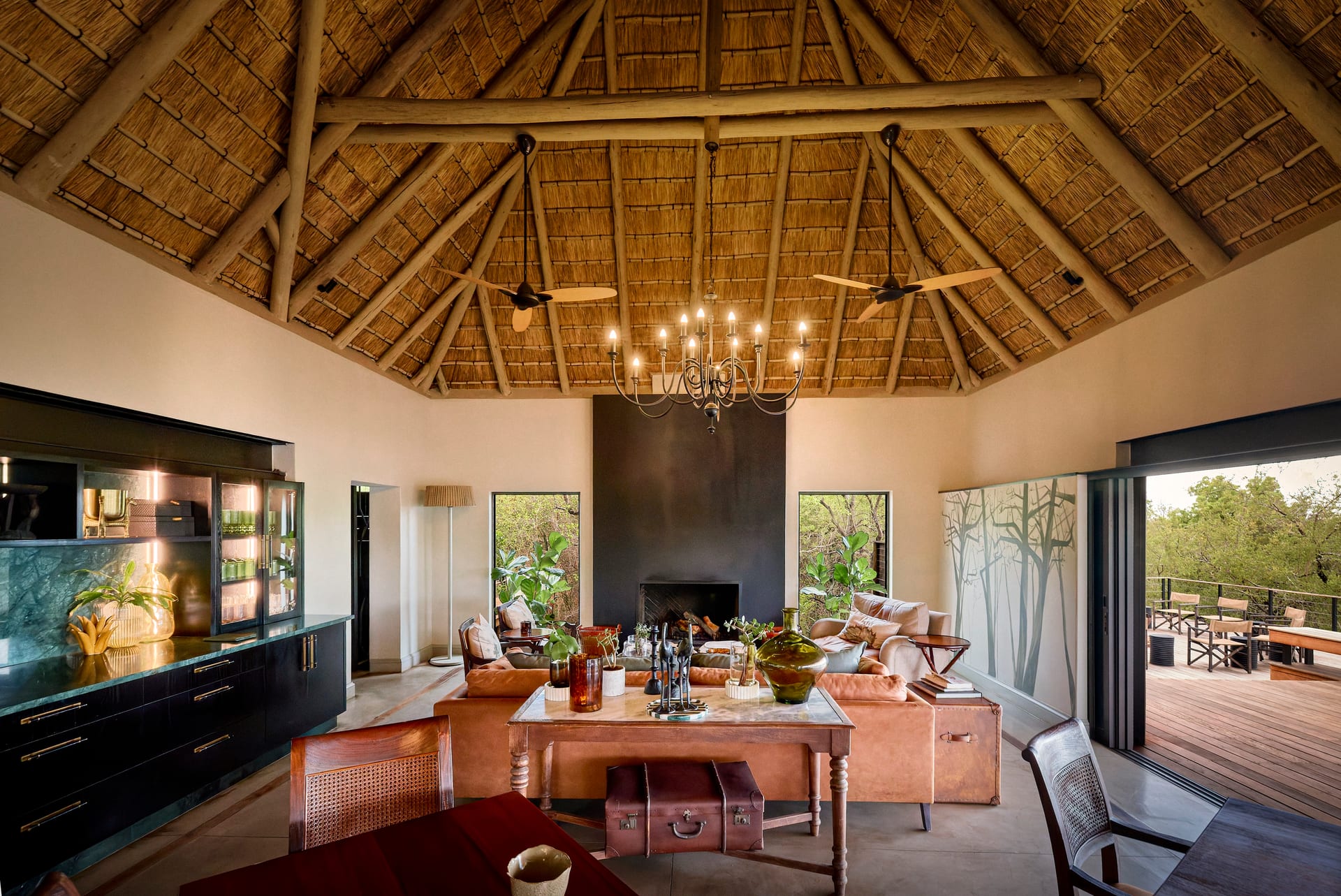
The first step happens before any equipment appears. It is a matter of observing how the two light sources relate to each other at a given hour. In a north-facing room at midday, daylight is soft and dominant, and the interior fittings barely register. In the same room at dusk, the balance inverts. The warm interior glow now leads, and the windows recede into deep blue. Neither is correct in isolation. The right moment depends entirely on the story the image is meant to tell.
Questions Worth Asking
- Is the room meant to feel bright and open, or intimate and enclosed?
- Do the light fittings themselves matter to the design, or are they incidental?
- Is the view through the windows an asset to preserve, or a distraction to soften?
- What time of day best expresses how the space is genuinely used?
A hotel bar photographed for its evening atmosphere calls for a different balance than a residential kitchen sold on morning light. Answering these questions early lets the photograph honour the intention behind the design rather than fighting it.
The Craft of Balancing Sources
Once the intention is clear, the work becomes one of measured reconciliation. There are several approaches, and the skill lies in choosing the right one for the room rather than applying a single formula everywhere.
Letting One Source Lead
The cleanest results often come from allowing one light to lead and treating the other as a supporting accent. In daylight-driven interior photography, the windows set the tone and the interior fittings warm the shadows without dominating. At twilight, the roles reverse. Committing to a hierarchy prevents the flat, sourceless look that undermines so many interior images.
Shaping the Colour of the Light
Where the difference between daylight and artificial light is severe, the two can be brought closer. This might mean adjusting the interior lighting itself, dimming certain fittings, or shaping the daylight with what the room already offers. The goal is never to erase the difference entirely. A little warmth against a little coolness gives a photograph depth and honesty. Total uniformity looks synthetic.
A room lit by a single, perfectly even colour of light looks less like a home and more like a diagram of one.
Blending Across Time
Some of the most convincing interior images are not a single instant at all. They are built from several frames captured as the light shifts, then reconciled in the edit so that the bright interior and the last colour in the sky can coexist without either being lost. This is where restraint matters most. The aim is a photograph that feels like a moment you could have stood in, not a composite that announces itself.

The Twilight Window
The most demanding balance, and often the most rewarding, occurs in the narrow window at dusk when interior and exterior light reach parity. For perhaps twenty minutes, the warmth spilling from a building matches the deepening blue of the sky. Windows read as glowing panels rather than dark voids or blown-out rectangles. This is the moment that sells a boutique hotel, a restaurant, or a landmark facade, and it cannot be rushed or repeated on demand.
Because the window is brief, preparation is everything. Fittings should be tested, dimmed to their most flattering levels, and any unwanted light sources switched off well in advance. When the moment arrives, there is no time to problem-solve. The reward is an image in which the two lights no longer compete but complete one another.
What This Means for Your Space
For design professionals, the practical takeaway is straightforward. The way a space is lit determines how it must be photographed, and small preparations make a disproportionate difference:
- Ensure every fitting works and that bulbs match in colour temperature across a room. A single mismatched lamp reads as an error in the final image.
- Consider dimmers, which give a photographer far more control over the balance between artificial and natural light.
- Share how and when the space is genuinely used, so the shoot can be timed to the light that suits it.
- Trust that imperfect balance is sometimes the point. A trace of warmth against cool daylight is what makes a room feel lived in.
Light is not a background condition to be corrected. It is the material a photograph is made from, and reconciling its two natures is what separates a record of a room from a portrait of one.
If you have a space whose light deserves to be understood rather than corrected, I would be glad to talk it through with you.