
The Case for Looking Closely
Most conversations about architectural photography begin with the wide shot: the sweeping frame that captures a room in full, or the exterior that situates a building in its landscape. These images matter. They orient the viewer and establish the scale and ambition of a project. But a portfolio built entirely on wide views tends to feel strangely hollow, as though the work has been described but never truly experienced.
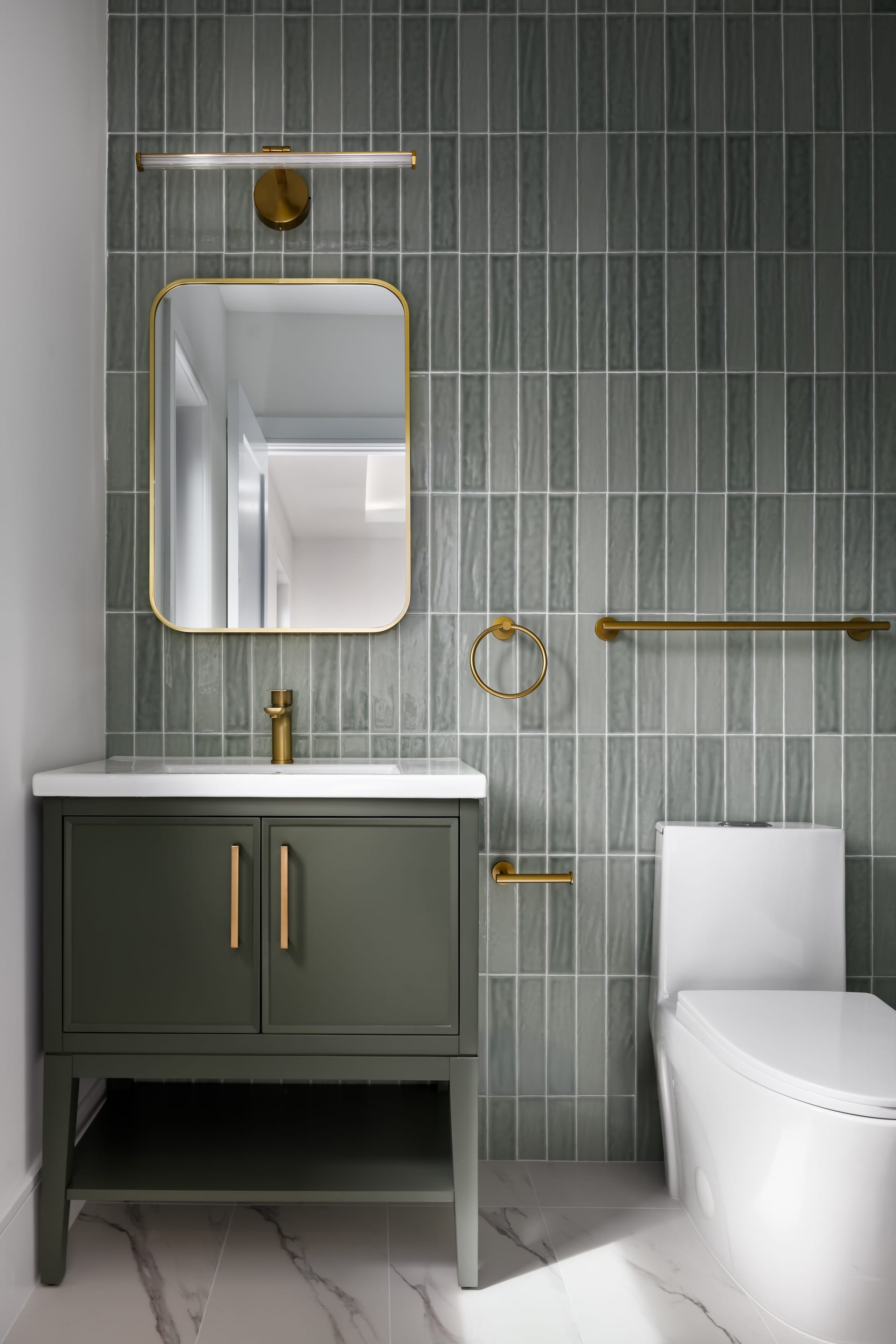
The detail shot is what fills that space. It is the close study of a brass handle, the meeting of two materials at a corner, the way a shadow falls across a plaster wall in late afternoon. These images do not summarize a project. They reveal it. And for design professionals whose reputations rest on the quality of their execution, the detail shot is often where the argument for excellence is quietly won.
What a Detail Shot Actually Does
A good detail photograph performs several tasks at once. It documents craftsmanship, communicates material honesty, and gives the eye a place to rest between larger compositions. In interior photography especially, the detail is where texture becomes tangible: the grain of oak, the weight of linen, the cool precision of a stone threshold.
There is also a psychological effect. When a viewer sees a carefully considered close-up, they infer that the same care extends everywhere, including the parts of the project the camera never reached. The detail shot becomes a kind of proof of intention.
A detail photograph is not a fragment of a space; it is evidence that every fragment was considered.
This is why detail work rewards architects and interior designers so directly. The wide shot shows what you designed. The detail shows how well you designed it.
Craft made visible
Much of the finest work in a building lives in its transitions: how a wall meets a floor, how a cabinet door aligns with its neighbor, how a joint is resolved rather than hidden. These are the moments that separate competent construction from considered architecture, and they are almost invisible in a wide frame. A dedicated detail shot brings them forward, giving builders and fabricators a way to show the quality of their trade.
Material as language
Materials speak differently up close. A honed marble reads as calm and matte; a polished one reads as reflective and formal. Brushed metal, aged leather, hand-glazed tile, raw concrete each carry associations that only register when the camera moves near enough to describe their surface. For interior designers, detail photography is often the clearest way to communicate a material palette to future clients.
Choosing What Deserves a Frame
Not every detail merits its own image. The discipline of detail photography lies in selection. A cluttered close-up of an ordinary corner adds nothing; a precise study of a genuinely resolved moment can anchor an entire set.
When identifying candidates for detail shots, consider elements that meet at least one of these criteria:
- A junction where two materials meet with evident care
- A custom element that will not appear elsewhere in the market
- A texture that defines the mood of the space
- A hardware or lighting choice that reflects the overall design language
- A play of light that only exists at a certain hour
The goal is not quantity. Three or four decisive details will do more for a project than a dozen generic ones. Each should feel deliberate, as though it was chosen because it says something the wide shots cannot.
The Technical Considerations
Detail photography asks for a slightly different technical approach than room-scale work. Depth of field becomes a deliberate tool rather than a constraint. A shallow focus can isolate a single element and lend it quiet emphasis, while a deeper field keeps an entire surface crisp when the texture itself is the subject.
Light is equally decisive. Where wide interior shots often benefit from even, ambient illumination, details frequently come alive with directional light that rakes across a surface to reveal its grain and dimension. A flat, frontal light can render even a beautiful material lifeless. The right angle of light turns the same material into something worth photographing.
The difference between a flat surface and a rich one is often nothing more than the angle at which the light arrives.
Composition still matters at this scale. The same principles that govern the wide frame, balance, alignment, restraint, apply to a photograph of a doorknob. A detail is not an excuse to abandon rigor; it is an invitation to apply it more precisely, within a smaller field.
How Details Serve the Larger Sequence
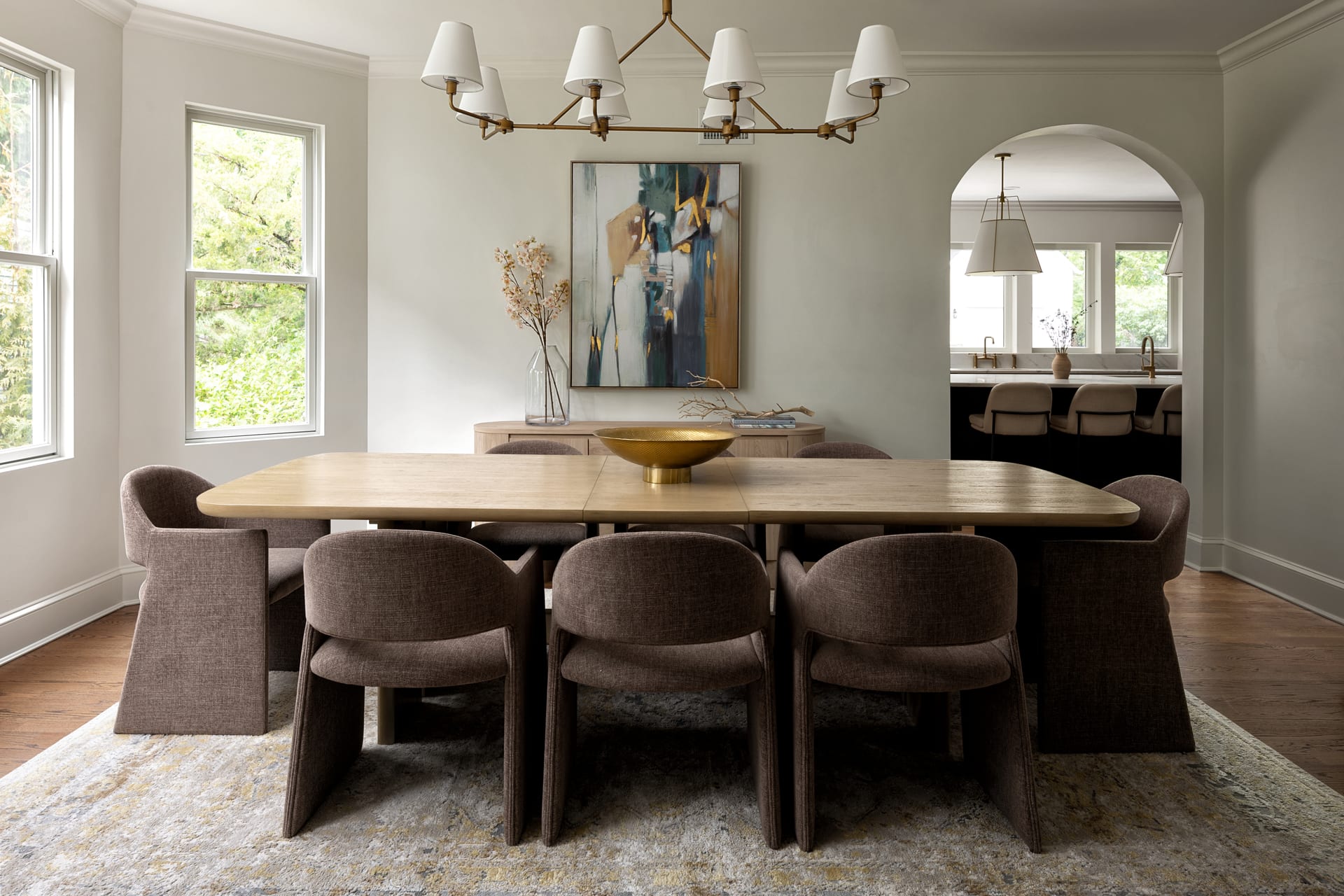
Detail shots rarely stand alone. Their power grows in relationship to the wider images around them. A well-built photo set moves between scales: the establishing view, the room, the vignette, the detail. This rhythm mirrors how people actually experience a space, first taking in the whole, then drawing closer to the parts that hold their attention.
For a design studio presenting a project, this movement between scales tells a more complete story. It lets a prospective client understand both the concept and the execution, the idea and the evidence. A page of wide shots can feel like a brochure. A thoughtfully paced set that includes details feels like a considered account of the work.
For hospitality and real estate
In hotel photography, details do particular work: they promise an experience. The texture of a folded towel, the finish on a nightstand, the light through a carafe of water, these images sell atmosphere in a way that a wide lobby shot cannot. They tell a potential guest how the space will feel to inhabit.
For real estate, restraint is essential. A few well-chosen details can elevate a listing and signal quality, while an excess of close-ups can feel like an attempt to distract from something. The best detail shots in property photography are the ones that reinforce genuine value.
A Quiet Discipline
The detail shot asks the photographer to slow down and the designer to look again at what they made. It is a practice of attention. In an image economy that rewards the dramatic and the immediate, the close study of a small, well-resolved moment is a quieter proposition, but often a more persuasive one.
For architects, interior designers, builders, and hoteliers, these images are more than supporting material. They are the record of the decisions that defined the project, held still and made visible. The wide shot may draw the eye, but the detail is what earns trust.
If you would like to discuss how considered detail work could strengthen the story your next project tells, we would welcome a conversation.