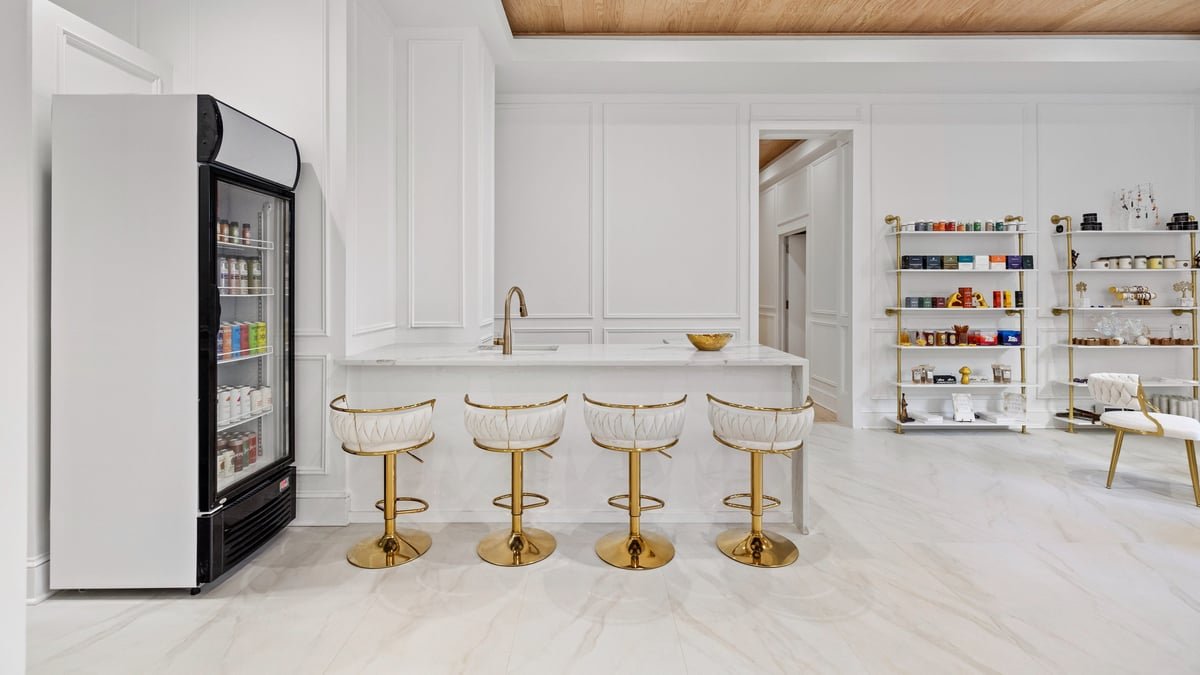
Light is the true subject of every interior. Before form, before finish, before the careful placement of a chair against a window, there is the quality of light that gives a room its atmosphere. In interior photography, the decision between natural and artificial light is not a matter of preference alone. It is a considered response to the space, the hour, and the story a design professional wishes to tell.
For architects, interior designers, builders, and hoteliers, understanding how these two sources behave â and how they can work together â clarifies what to expect from a shoot and how to prepare a space for it. This is not a technical manual. It is a way of thinking about light as a design tool in its own right.
The Case for Natural Light
Natural light carries a truthfulness that is difficult to imitate. It reveals materials as they were intended to be seen: the grain of oak, the depth of a plaster wall, the cool restraint of polished concrete. When sunlight enters a room, it describes texture and volume with a subtlety that flatters considered design.
In architectural photography, daylight also honors the relationship between a building and its site. A window is not merely an opening; it is a frame that connects interior and landscape. Photographing with available light preserves that conversation, allowing the outdoors to remain a legible presence within the frame rather than an overexposed void.
Natural light does not decorate a room; it explains it.
Daylight is also directional and ever-changing, which is both its gift and its discipline. The soft, even wash of an overcast morning suits minimalist interiors and pale palettes. The long, raking light of late afternoon lends warmth and drama to richer spaces. Reading these conditions â and scheduling around them â is central to producing images with genuine mood.
When Natural Light Serves the Space Best
- Residential interiors where warmth and lived-in atmosphere matter
- Rooms with generous glazing, skylights, or a meaningful view
- Boutique hotels and hospitality spaces marketed on ambience
- Material-forward design where texture and finish are the story
- Any project where the connection to the outdoors is architecturally significant
The limitation of daylight is that it cannot be commanded. A north-facing room may never receive direct sun. Winter afternoons close early. A tight shoot schedule may not align with the two hours a particular space looks its finest. This is where a considered approach to artificial light becomes indispensable.
The Case for Artificial Light
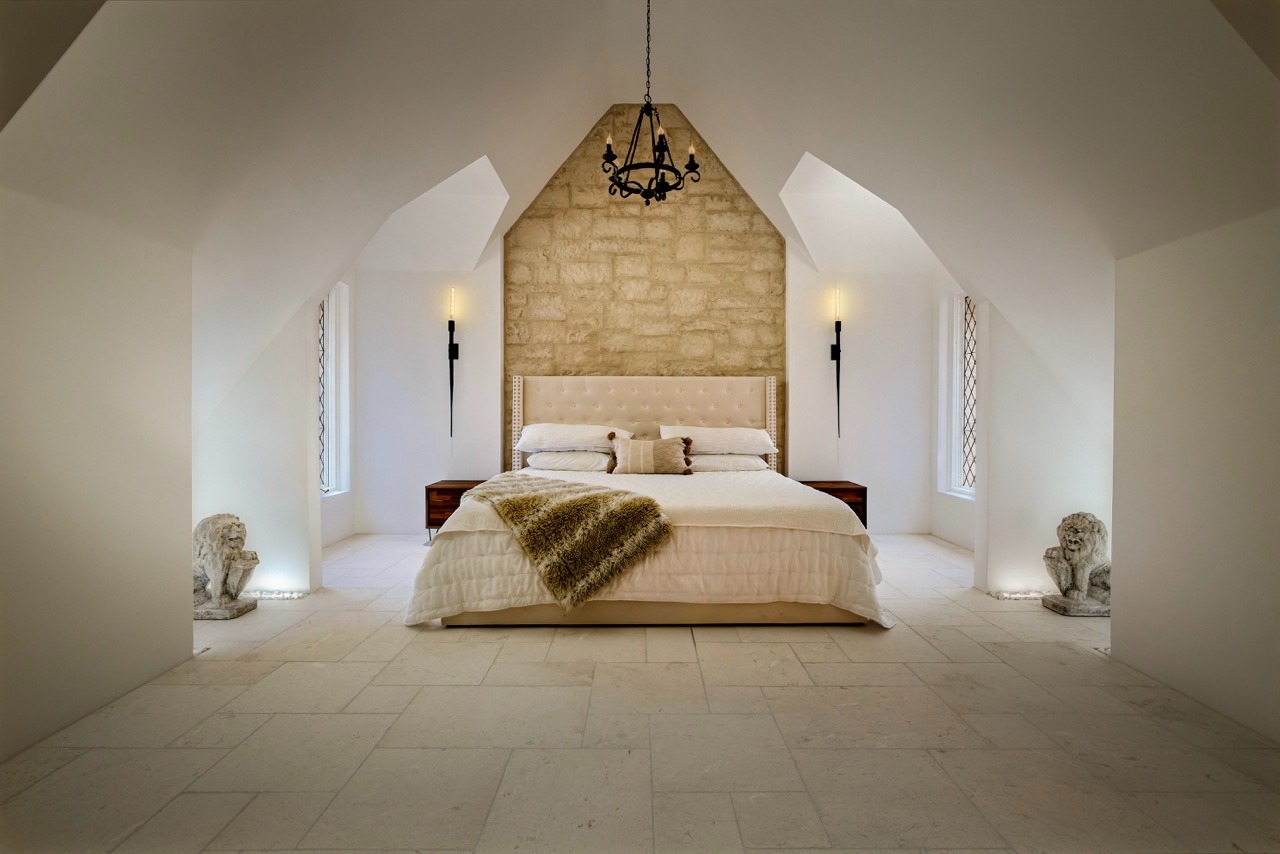
Artificial light offers control, and control is often what a professional shoot demands. Where daylight arrives on its own terms, introduced light can be shaped, balanced, and repeated with precision. It allows a photographer to lift shadows that would otherwise fall too deep, to reveal a corner the sun never reaches, and to maintain consistency across a full sequence of rooms photographed over many hours.
In interior photography, artificial light rarely means flooding a room with harsh flash. The refined approach is far more restrained. Light is added quietly, often bounced or diffused, to supplement what is already present rather than to overwhelm it. The goal is an image that reads as naturally lit even when it has been carefully constructed.
There is also the practical reality of the fixtures within the space itself. Pendant lights, sconces, and lamps are design decisions, and a room photographed with them switched off can feel incomplete. Managing these warm interior sources against cooler daylight is one of the quiet crafts of the discipline.
The finest artificial lighting is the kind no one notices at all.
When Artificial Light Serves the Space Best
- Windowless or low-light spaces such as bathrooms, cellars, and interior corridors
- Evening and twilight images where fixtures are meant to glow
- Commercial and retail interiors requiring bright, even consistency
- Detail shots where precise control of highlight and shadow is essential
- Tight schedules that cannot wait for ideal daylight conditions
The Reality: They Work Together
In practice, the most compelling interior images are seldom purely one or the other. The distinction is useful for planning, but the craft lives in the blend. A room might be anchored by soft window light, gently supplemented with introduced light to open the shadows, while its own lamps are allowed to warm the composition. The result feels effortless precisely because several sources have been reconciled with care.
This balancing act is most visible at twilight. The so-called blue hour, when the sky holds a deep, even glow and interior fixtures come alive, produces some of the most evocative architectural photography. Achieving it requires patience and timing: the exposure for the exterior sky and the exposure for the warm interior must be married so that neither dominates. When done well, a building appears to breathe.
For hoteliers and hospitality clients in particular, this combined approach is often the difference between a room that looks merely clean and one that feels genuinely inviting. Ambience sells experience, and ambience is a matter of light.
What This Means for Your Project
Design professionals do not need to master lighting technique, but a shared understanding sharpens the collaboration and the results. A few considerations are worth holding in mind before any shoot.
Consider the orientation of the space
Knowing which rooms receive morning or afternoon light allows a shoot to be sequenced intelligently, capturing each space when it is naturally at its best and reserving darker rooms for supplemented light.
Decide what the images must communicate
A realtor may prioritize brightness and clarity to help a property read well online, favoring even, controlled light. A designer presenting a portfolio may prefer the atmospheric restraint that natural light and twilight provide. Neither is superior; they answer different questions.
Prepare the space for light
Clean glazing, functioning fixtures with consistent bulbs, and considered styling all allow light to perform. A single mismatched bulb or a smudged window can undermine an otherwise flawless composition.
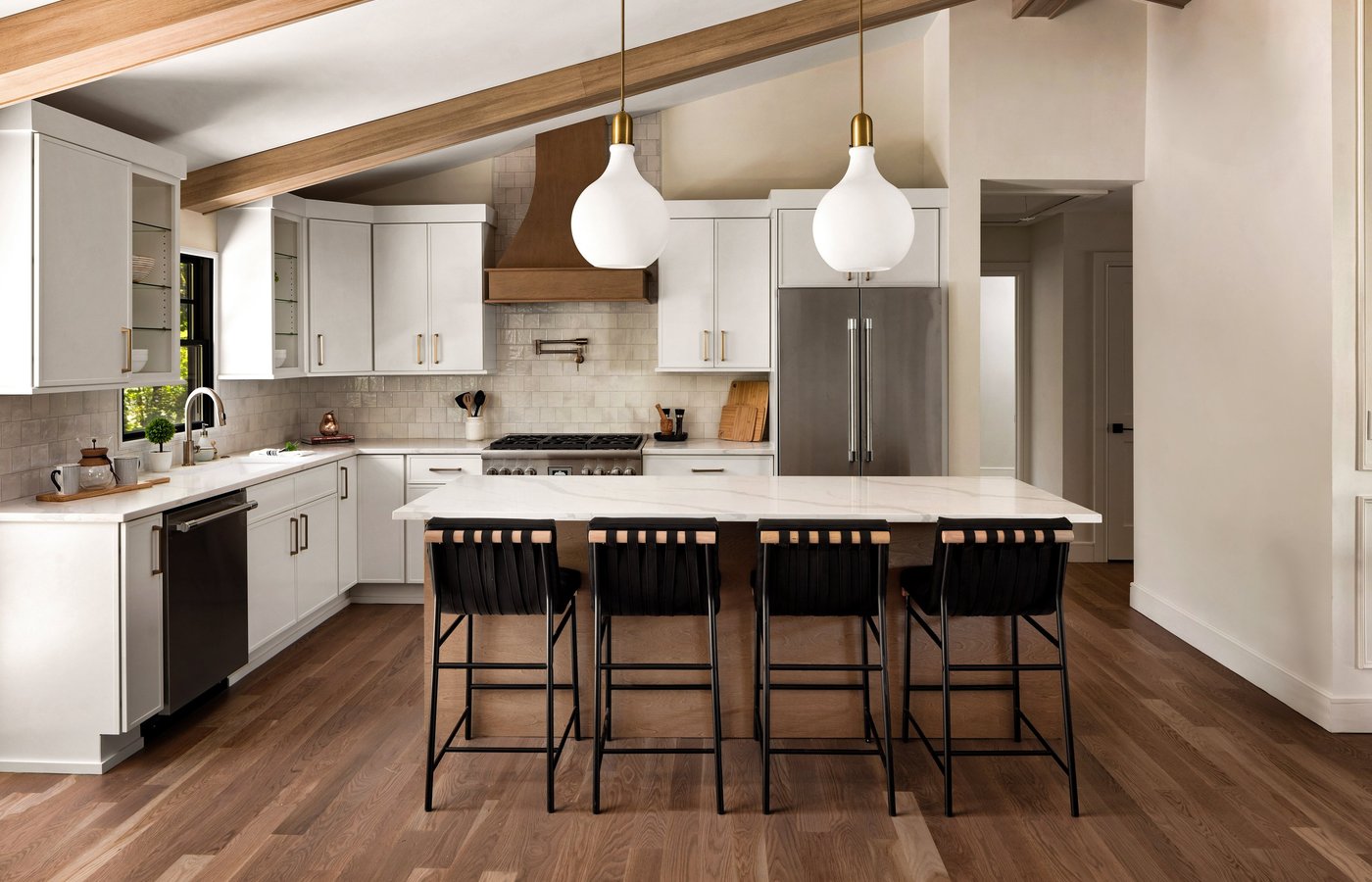
Ultimately, the choice between natural and artificial light is a design decision as much as a photographic one. It should follow the intention behind the space itself. A sunlit family kitchen and a moody hotel bar ask for entirely different treatments, and the strongest interior photography respects that difference rather than imposing a single formula upon it.
The photographer’s role is to read each room honestly and to bring whatever light it needs â borrowed from the sky, shaped by hand, or a quiet marriage of both â so that the finished image feels true to the place and worthy of the work that made it.
If you are preparing a space and would like to discuss how light might best serve it, I would welcome the opportunity to speak with you at Matthew Lekker Photography.