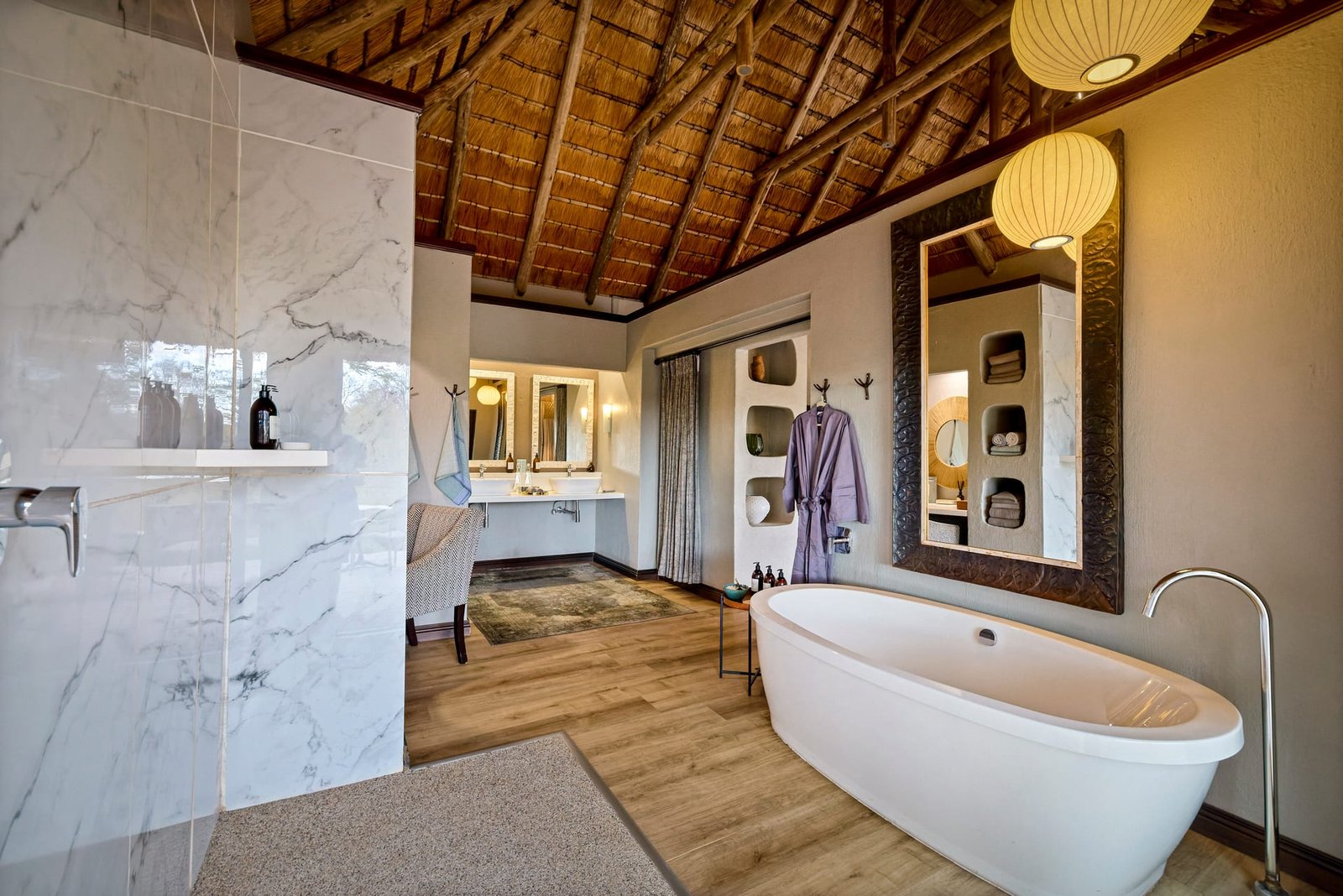
Beyond the Single Frame
Most conversations about architectural photography focus on the individual image: the composition, the light, the moment a room is at its best. Yet the way a project is experienced by editors, clients, and prospective customers rarely comes down to one frame in isolation. It comes down to a set, and specifically to the order in which those frames unfold. A well-sequenced collection of images does something a single photograph cannot. It creates movement, builds anticipation, and delivers a sense of place that feels inevitable rather than assembled.
For architects, interior designers, and hoteliers, this is a quiet but decisive advantage. A thoughtfully sequenced photo set guides the eye and the mind through a project the way you would guide a visitor in person, revealing the building or interior in a considered rhythm rather than dumping everything at once.
A sequence turns a folder of photographs into an argument for the space.
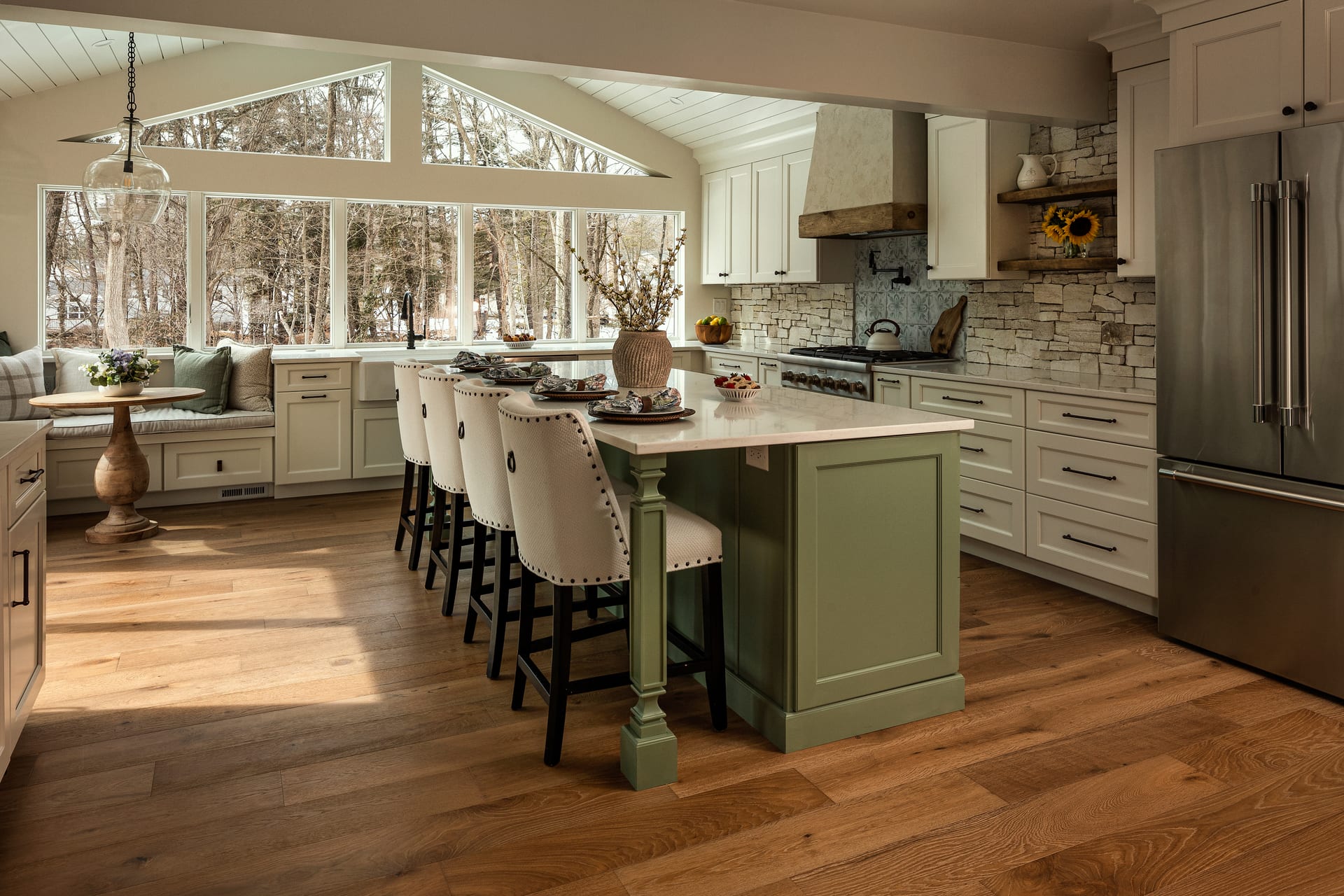
Why Order Carries Meaning
When someone encounters your work on a website, in a portfolio, or across a magazine spread, they read the images in the order presented. That order becomes a narrative whether you intend it to or not. Two identical sets of interior photography can leave entirely different impressions depending on which frame opens the story and which one closes it.
The principle is borrowed from how we actually move through architecture. You do not experience a building as a simultaneous flood of rooms. You approach, you enter, you pause, you turn a corner, you discover. Sequencing lets photography honor that lived experience, translating spatial choreography into a visual one.
The Difference Between a Gallery and a Story
A gallery presents images as equals, each competing for attention. A story assigns roles. Some frames establish, some transition, some reward. When every image is treated as a hero shot, the set flattens and the viewer loses their footing. Restraint in sequencing is what allows the strongest images to land with weight.
The Anatomy of a Strong Sequence
While every project is different, most compelling photo sets share a recognizable structure. Understanding these roles helps you brief a photographer, edit a delivery, or lay out a portfolio with intention.
The Establishing Image
Every sequence needs an opening frame that sets context. In architectural photography this is often an exterior or a wide view that answers the viewer’s first question: where am I. The establishing image should be confident and generous, offering enough information to orient without giving everything away. It is the equivalent of arriving at the front of a building and taking it in before stepping inside.
The Transitions
Transitions carry the viewer from one space to the next. These are the images of thresholds, corridors, stairwells, and sightlines that connect rooms. They are frequently underused, yet they are what makes a set feel continuous rather than disjointed. A photograph looking through a doorway into the next room quietly promises there is more to see, and the viewer follows.
- Doorways and framed views that lead the eye forward
- Stairs and landings that suggest movement between levels
- Overlapping vantage points that let one room reappear from a new angle
The Reveals
Reveals are the payoff frames: the room the whole project builds toward, the detail that expresses the concept, the moment of light you waited for. Because they carry the most weight, they benefit most from what precedes them. A reveal placed after a slower transition feels earned. The same image placed first is simply pretty.
The Details
Detail shots of joinery, hardware, texture, and material transitions function like punctuation. They give the eye a place to rest and reinforce the craftsmanship a wide shot only implies. Interspersed thoughtfully, they add rhythm. Grouped carelessly at the end, they become an afterthought.
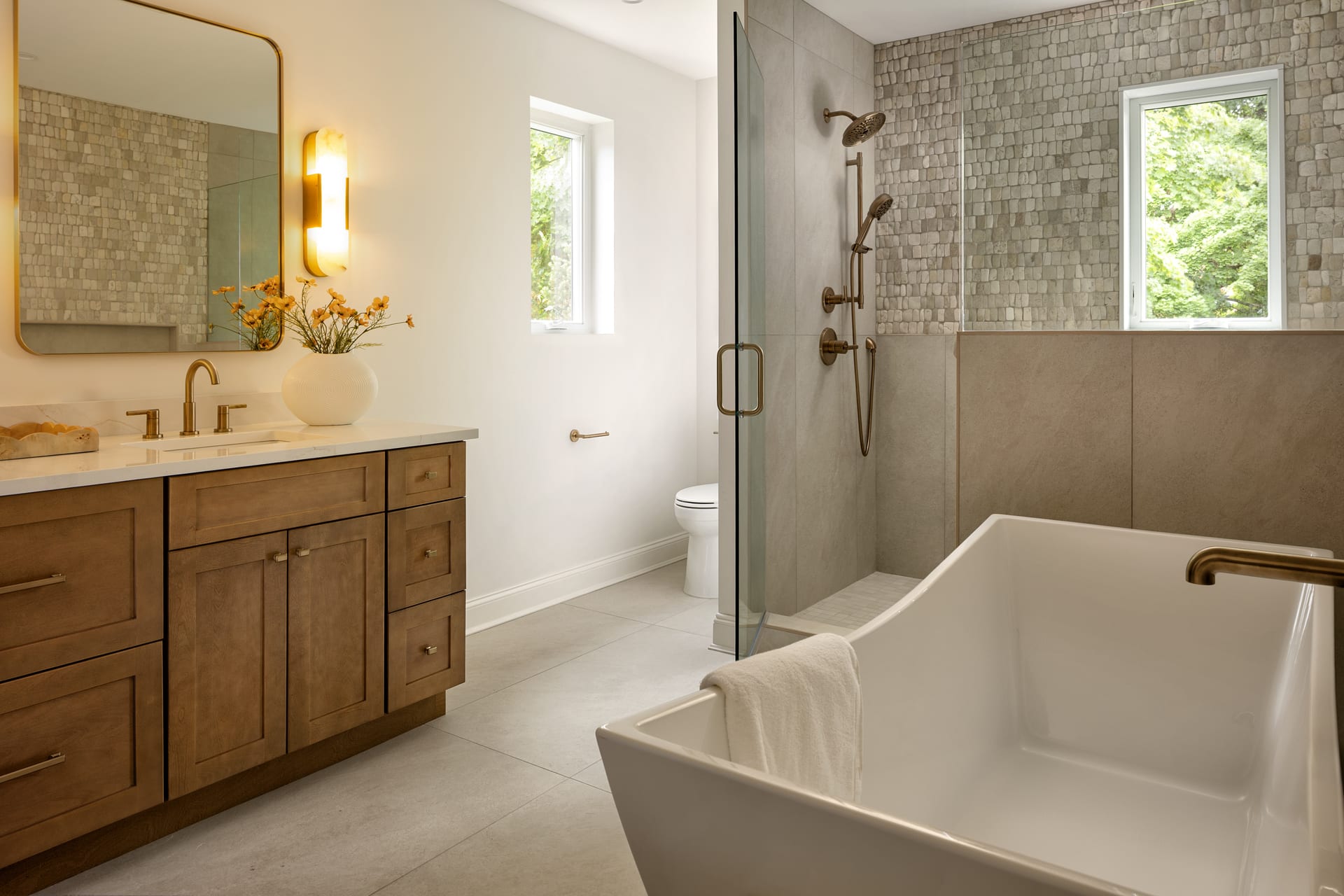
Rhythm, Pace, and Breathing Room
A good sequence has pace. It alternates between wide and tight, bright and shadowed, busy and calm. Placing two wide interiors side by side can feel repetitive, while following a sweeping room with an intimate detail creates contrast that keeps attention alive. Think of it as editing music rather than lining up slides.
Pacing also involves knowing when to slow down. A single quiet frame with negative space can act as a pause before a more complex image. This breathing room is what prevents a rich project from feeling overwhelming.
Contrast between frames is what keeps a viewer moving from one image to the next.
Sequencing for Different Purposes
The ideal order is not fixed. It shifts with the platform and the goal, and design professionals benefit from thinking about the destination before the delivery.
For a Portfolio
A portfolio sequence should demonstrate range and resolution. Open with your most assured image, sustain interest through the middle with transitions and details, and close on a frame that lingers. The last image is what a prospective client carries with them, so it deserves as much thought as the first.
For a Hotel or Hospitality Set
Hospitality photography often follows the arc of a guest’s stay: approach, arrival, public spaces, the room, the amenities, the view. Sequencing this way lets a prospective guest imagine themselves moving through the property, which is precisely what turns interest into a booking.
For an Editorial Submission
Magazines think in spreads. When preparing images for publication, consider which frames pair well across a two-page layout and which can hold a full page alone. Providing a photographer or editor with a set that already reads as a sequence makes your project far easier to feature.
Practical Steps for Building Your Set
You do not need to be a photographer to sequence well. You need a clear intention and a willingness to edit ruthlessly.
- Choose your opening and closing images first, then build the middle between them.
- Cut any frame that repeats information already delivered by a stronger image.
- Alternate scale and mood so no two adjacent images feel the same.
- Use transitions deliberately to connect rooms rather than jumping abruptly.
- Review the set as a continuous scroll, the way most people will actually see it.
This kind of editing is where collaboration with an architectural photographer pays dividends. A photographer who understands sequencing will shoot with the eventual order in mind, capturing the connecting frames and details that make a narrative possible rather than delivering a collection of unrelated highlights.
The Story Is the Strategy
Sequencing is often treated as an afterthought, something done quickly once the images arrive. Yet it is one of the most powerful tools available for shaping how your work is understood. A project photographed beautifully but presented as a scattered gallery underdelivers. The same project, sequenced with intention, becomes a persuasive account of what you designed and why it matters.
If you would like help planning and sequencing a photo set that carries your next project as a complete story, we would welcome a conversation at Matthew Lekker Photography.