The Work That Happens Before the First Frame
Most conversations about architectural photography focus on what happens behind the camera. Yet some of the most consequential decisions are made hours before a lens is ever raised, in the quiet work of preparing a space to be seen. A room that has been thoughtfully readied photographs with an ease that no amount of post-production can replicate. The camera is honest, and it records whatever is present, including the details we stop noticing after living or working in a space.
For architects, interior designers, builders, and hoteliers, this preparation is not decoration for its own sake. It is an act of editing, a way of ensuring the photograph communicates the intent of the design rather than the accidents of daily use. Preparing a space is the discipline of removing everything that competes with the story you want the image to tell.
The camera is honest, and it records whatever is present, including the details we stop noticing after living or working in a space.
Begin by Subtracting
The single most reliable improvement to any interior photograph is the removal of clutter. This sounds obvious, but the standard for a photograph is far higher than the standard for a comfortable room. Objects that read as ordinary in person often become visual noise in a frame, drawing the eye away from the architecture and the material palette.
Before a shoot, walk each room slowly and ask what earns its place. Consider removing:
- Cables, remote controls, and charging cords
- Kitchen appliances left on countertops
- Refrigerator magnets, sticky notes, and paperwork
- Toiletries and cleaning products in bathrooms
- Excess cushions, throws, and decorative pieces that crowd a surface
- Personal items that date or clutter a scene
Subtraction is not about creating an empty, lifeless space. It is about clearing the frame so the intentional elements of the design can breathe. A single considered object on a console will always read better than five arranged out of habit.
The Rule of Restraint
When in doubt, take it out and evaluate. It is far easier to add a considered accessory back into a composition than to explain away a distraction later. Interior photography rewards editing at every stage, and the earliest edits are the most powerful.
Attend to Surfaces and Light Sources
Surfaces tell the truth under a camera. Smudges on glass, fingerprints on stainless steel, and dust on dark cabinetry become far more visible in a photograph than they appear to the eye. Time spent cleaning glass, polishing fixtures, and wiping down reflective surfaces pays dividends in the final images.
Lighting requires equal attention. Replace any burnt-out bulbs and, where possible, ensure that all bulbs within a fixture or a room share the same color temperature. Mixed warm and cool sources create an uneven cast that undermines the calm consistency good architectural photography depends upon. If a space relies on layered lighting as part of its design, note which fixtures matter most so they can be featured intentionally rather than fought against.
Prepare the Textiles and Soft Elements
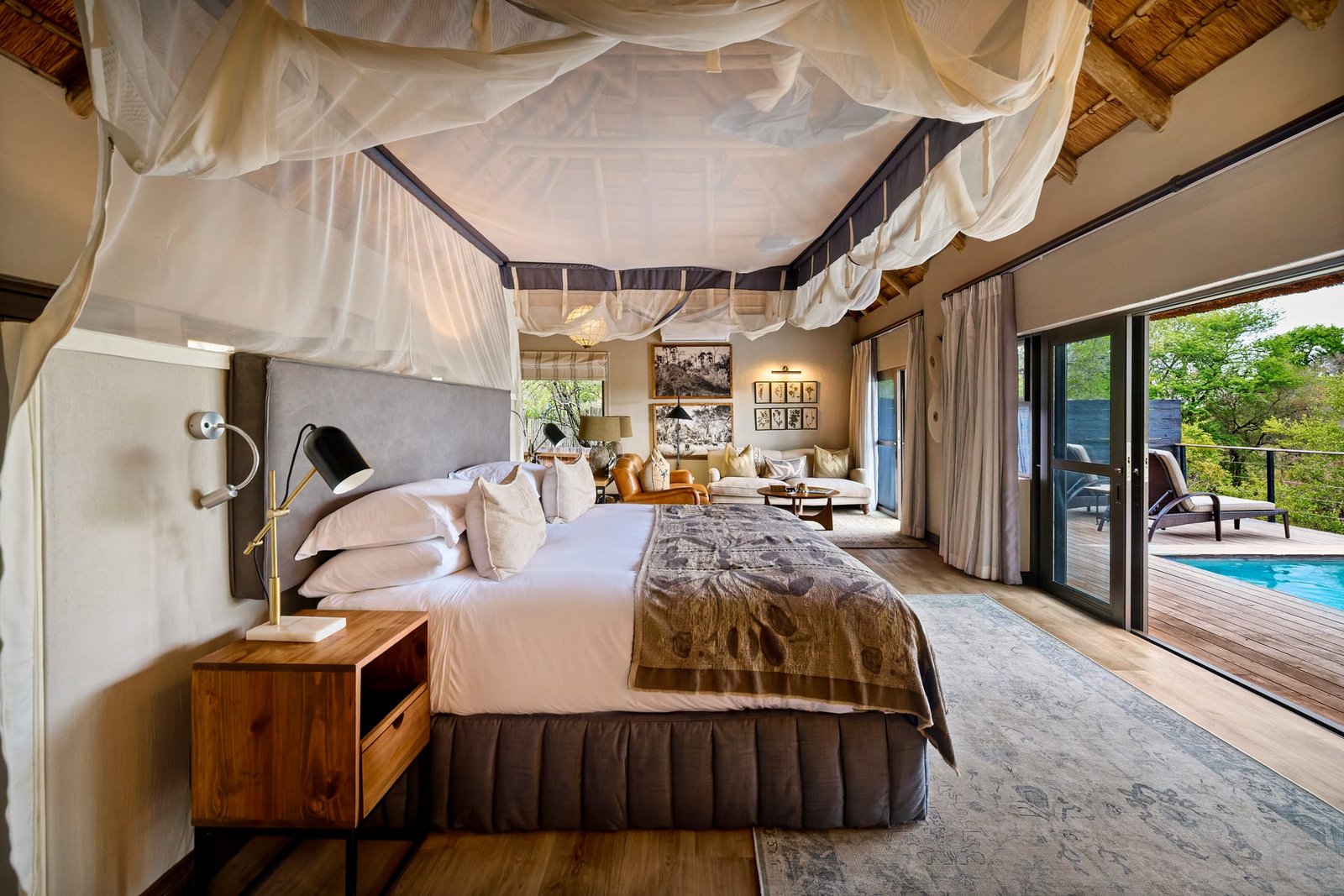
Fabric holds memory, and the camera notices. Beds, sofas, and drapery should be crisp and deliberate. In hospitality settings especially, freshly pressed linens and neatly made beds signal the quality a boutique hotel wants its photography to convey.
- Steam or iron bedding, drapery, and table linens
- Fluff and align cushions with intention rather than symmetry alone
- Straighten rugs and check that edges sit flat
- Angle chairs and stools consistently around a table
Small alignments accumulate. A room in which every textile has been attended to feels considered before a single frame is captured, and that sense of care carries directly into the image.
Think About Staging With Purpose
Styling is where preparation becomes storytelling. The goal is not to make a space look staged, but to suggest a life lived beautifully within it. A few well-chosen elements can warm a room and give the eye a place to rest.
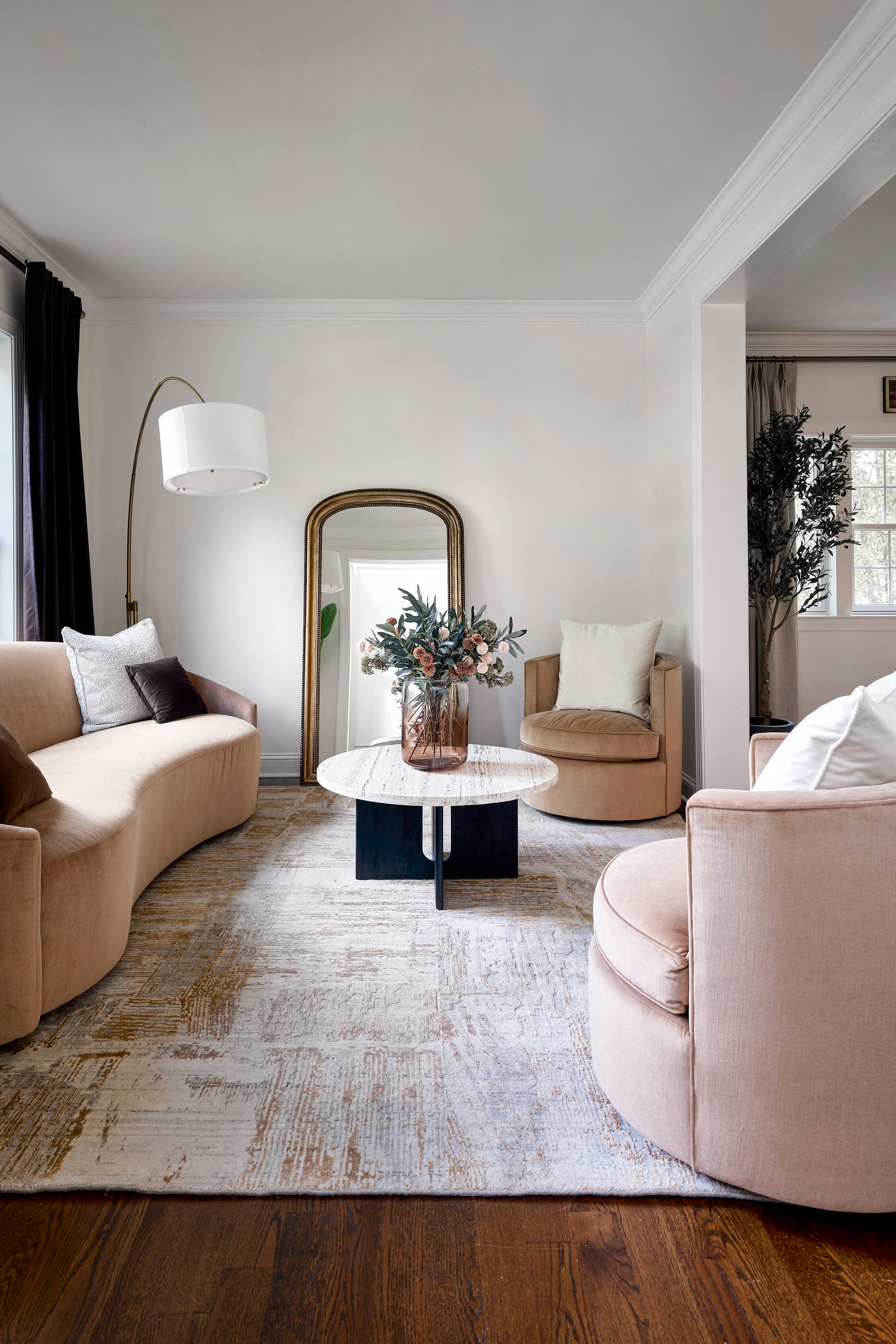
Consider fresh flowers or greenery, a stack of books with quiet spines, a bowl of fruit, or a throw folded across an armchair. These props introduce human presence without human clutter. For hospitality and residential work, a set table or a tray with two coffee cups can imply hospitality and intimacy far more effectively than an empty surface.
The goal is not to make a space look staged, but to suggest a life lived beautifully within it.
Match the Styling to the Purpose
A realtor listing, an architectural monograph, and a hotel booking page each call for a different register of styling. Marketing images for a property may benefit from a lived-in warmth, while a portfolio piece for an architect might call for a more austere presentation that foregrounds form and structure. Decide the purpose of the images before you decide how to dress the space, and let that intention guide every choice.
Coordinate the Practical Details
Preparation extends beyond the rooms themselves. The smoothest shoots are those where logistics have been anticipated in advance.
- Confirm access, keys, and timing well ahead of the shoot day
- Clear parking and staging areas for equipment
- Turn off ceiling fans and note any automated systems
- Adjust thermostats so occupants are comfortable during long sessions
- Identify which exterior views and sightlines matter for scheduling around the sun
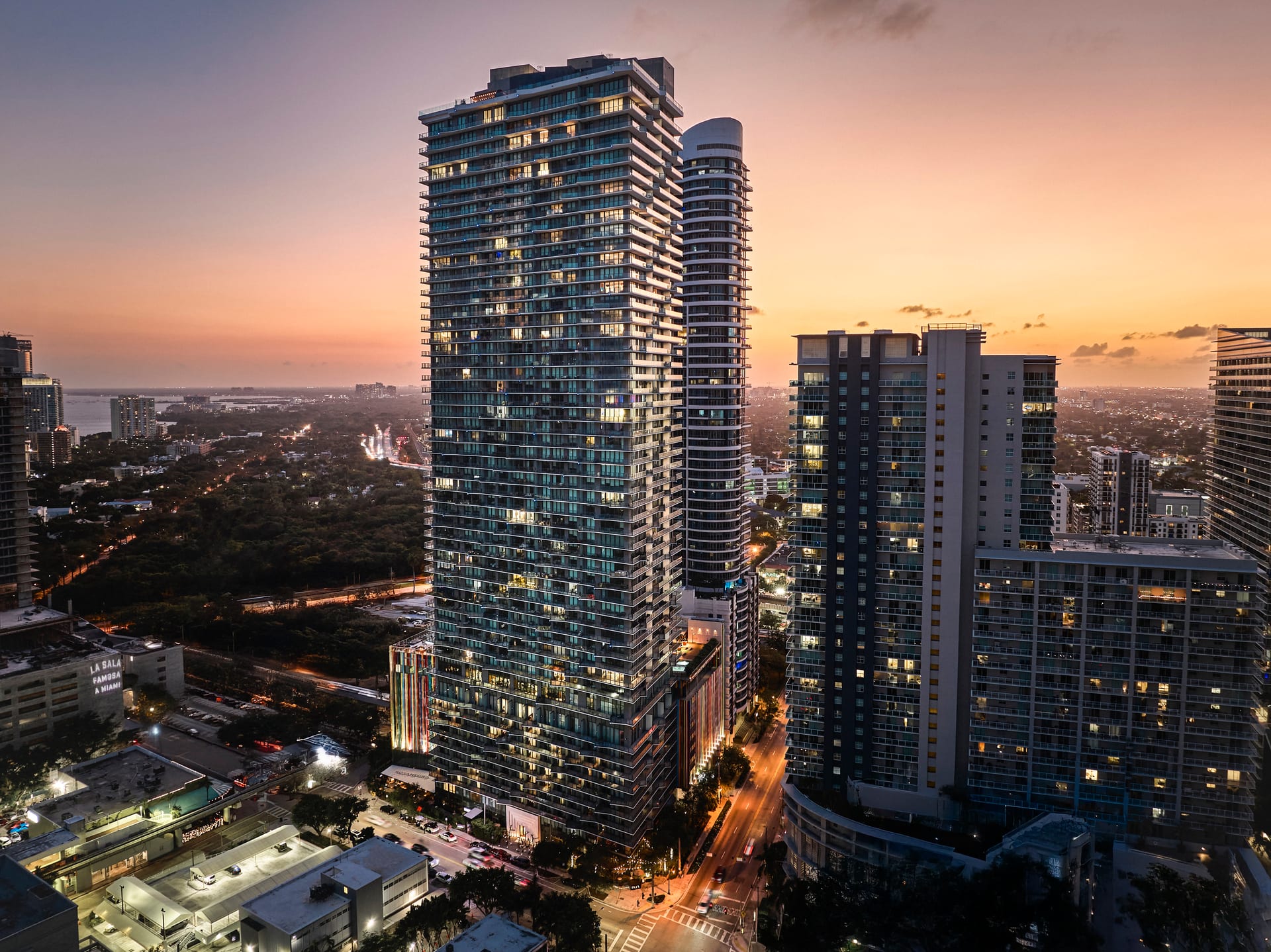
For exterior architectural photography, tidy the approach to the building. Move vehicles, coil garden hoses, sweep entryways, and trim any overgrowth that obscures the facade. The exterior is the first impression, and it deserves the same rigor applied indoors.
Trust the Collaboration
A photographer will always refine and adjust on the day, moving objects, testing compositions, and responding to the light as it shifts. But that refinement begins from a far stronger position when the groundwork has been laid. Preparation is a shared endeavor between the designer who knows the space intimately and the photographer who knows how it will translate to an image.
The best results come when both parties agree on the story before the shoot begins. When a builder, designer, or hotelier arrives with a clear sense of what each room should communicate, the session becomes a matter of realizing a shared vision rather than discovering it in real time. That clarity saves hours and produces images with a coherence that is felt even by viewers who could never name its source.
If you are preparing a project for the camera and would like a considered partner in that process, we would welcome a conversation at Matthew Lekker Photography.