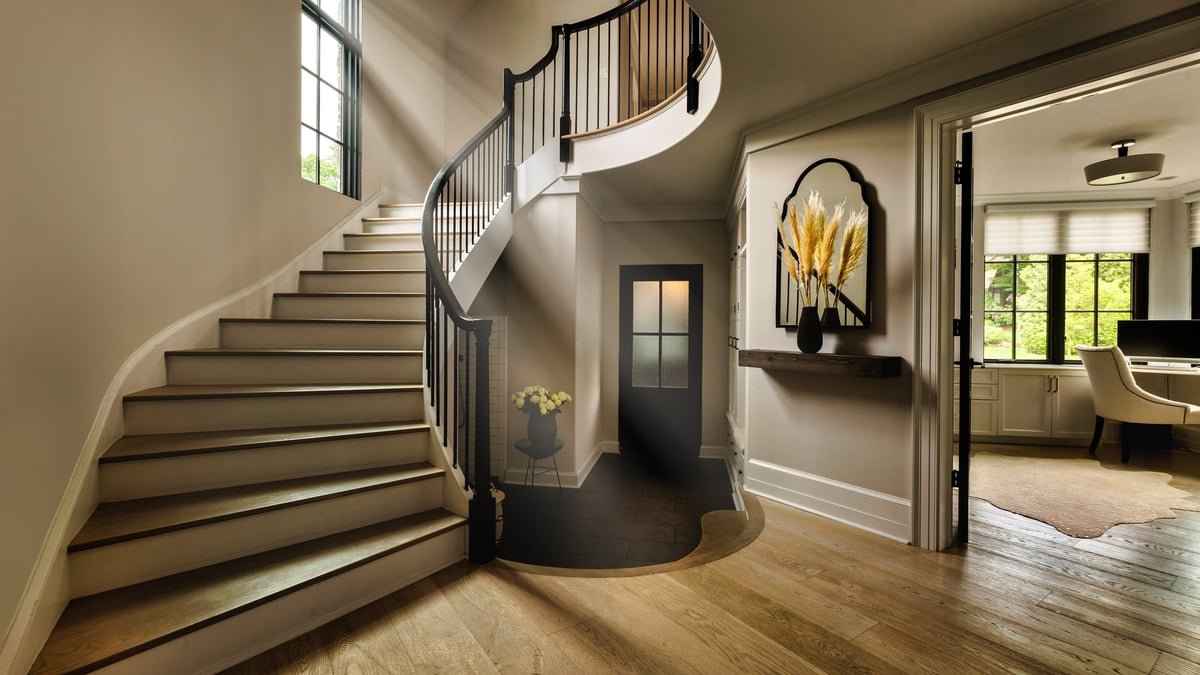
A hotel booking is rarely a rational decision. It is a projection. Long before a guest walks through the lobby, they have already imagined themselves in the space, unpacking a bag, opening the curtains, ordering the first coffee. Photography is the instrument through which that imagining happens. When it is done with intention, it does more than document rooms. It builds the feeling of a stay that has not yet occurred.
For hoteliers, designers, and the architects who shape these spaces, this matters commercially. Guests scroll quickly and decide fast. The images that hold attention are not the ones with the most saturation or the widest lens. They are the ones that answer the quiet questions a traveler is asking without knowing they are asking them.
The Questions Guests Ask Without Words
When someone considers a hotel, they are assessing far more than the price and the star rating. They are trying to understand whether the space will hold up to expectation. Interior photography that drives bookings is really a form of reassurance. It confirms that the promises implied by the brand are kept in the details.
Consider what a prospective guest is genuinely evaluating as they move through a gallery:
- Will the room feel as calm and generous as it looks, or is the angle hiding something
- Is the light warm and inviting, or clinical
- Does the property understand texture, comfort, and the small pleasures of arrival
- Is there a sense of place, or could this be anywhere
Great architectural photography answers these questions honestly and flatteringly at the same time. Honesty builds trust, and trust converts.
Photography does not sell the room; it sells the feeling of already being there.
The Details Guests Actually Notice
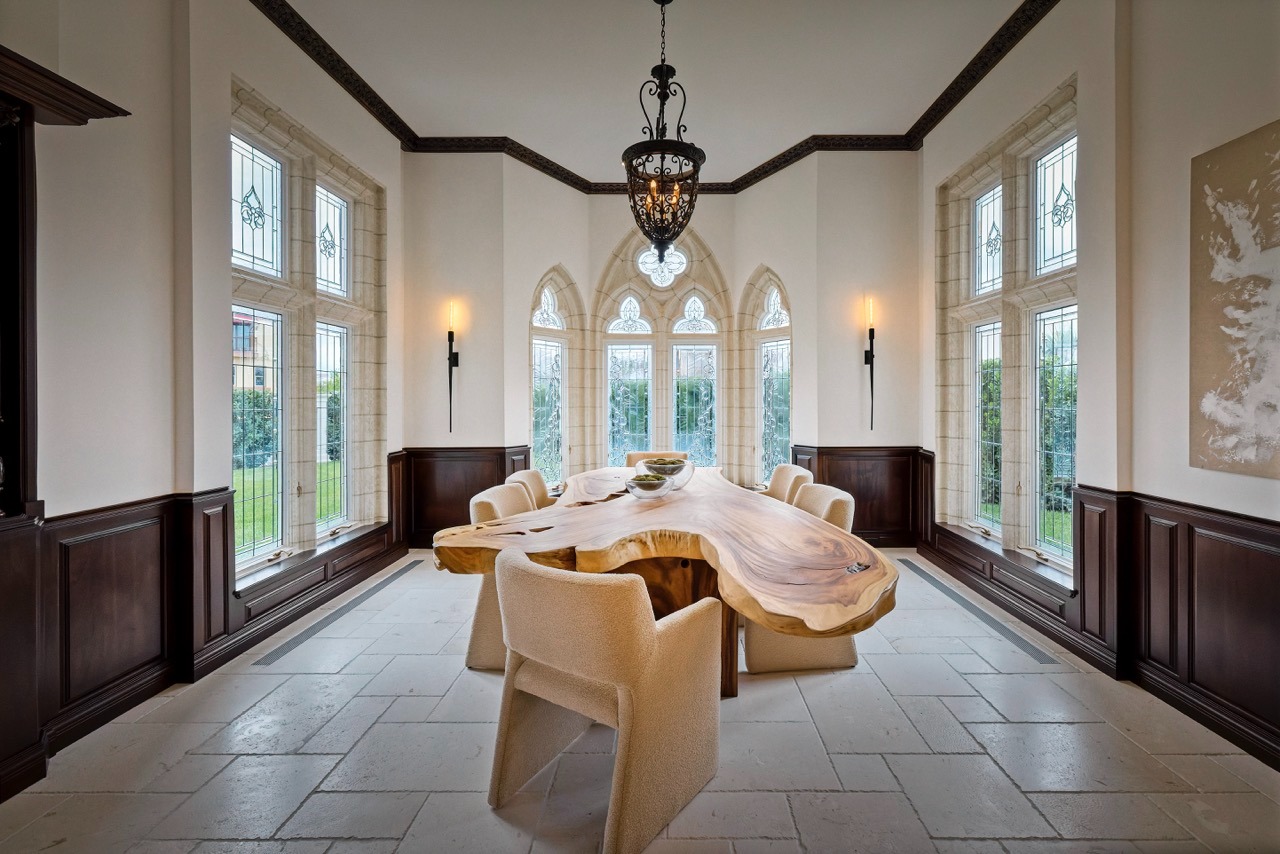
There is a persistent myth that hotel photography is about showing the whole room from corner to corner. In practice, the frames that move people are often the intimate ones. Guests read a property through its details, and a well composed detail carries disproportionate emotional weight.
Light and Time of Day
Nothing communicates atmosphere faster than light. The same suite photographed at harsh midday and again at golden hour tells two entirely different stories. Considered interior photography treats light as the primary material, shaping when and how each space is captured. Morning light for a breakfast terrace, low warm light for a bar, soft diffused daylight for a spa. The time of day is not incidental. It is the mood.
Texture and Tactility
Guests notice whether a space feels good to touch, even through a screen. Linen with a natural weave, a stone basin, brushed brass, an oak headboard with visible grain. These tactile cues signal quality and care. A photograph that renders texture faithfully invites the viewer to imagine the sensory experience of the stay, which is precisely what a booking is built on.
The Human Scale
Empty rooms can feel sterile. The suggestion of life, a half open book, a robe laid across a chair, a tray with two cups, gives the viewer a way in. These are not props for their own sake. They establish scale, warmth, and the implication that someone has lived well in this space and so might you.
Sightlines and Thresholds
Architects understand that a building is experienced as a sequence of moments, not a single view. Photography that respects this reveals how one space opens into another. A doorway framing a garden, a corridor leading toward light, a window that borrows a view. These transitions communicate the intelligence of the design and give the property a sense of depth that a flat frontal shot never can.
Where Amateur Hotel Imagery Fails
Most underperforming hotel galleries share the same faults, and they are avoidable. Recognizing them is the first step toward imagery that earns its place.
- Over wide lenses that distort proportions and make rooms feel warped rather than spacious
- Flat, even lighting that erases atmosphere and flattens the mood into blankness
- Cluttered frames where nothing is prioritized, so the eye has nowhere to rest
- Inconsistent color across a set, which quietly undermines confidence in the brand
- A missing sense of place, where nothing in the frame roots the property to its city or landscape
The last of these is the most overlooked. Travelers are increasingly choosing hotels for a distinct experience, not a generic one. Interior photography that ignores context leaves the most persuasive argument unspoken.
Consistency as a Commercial Asset
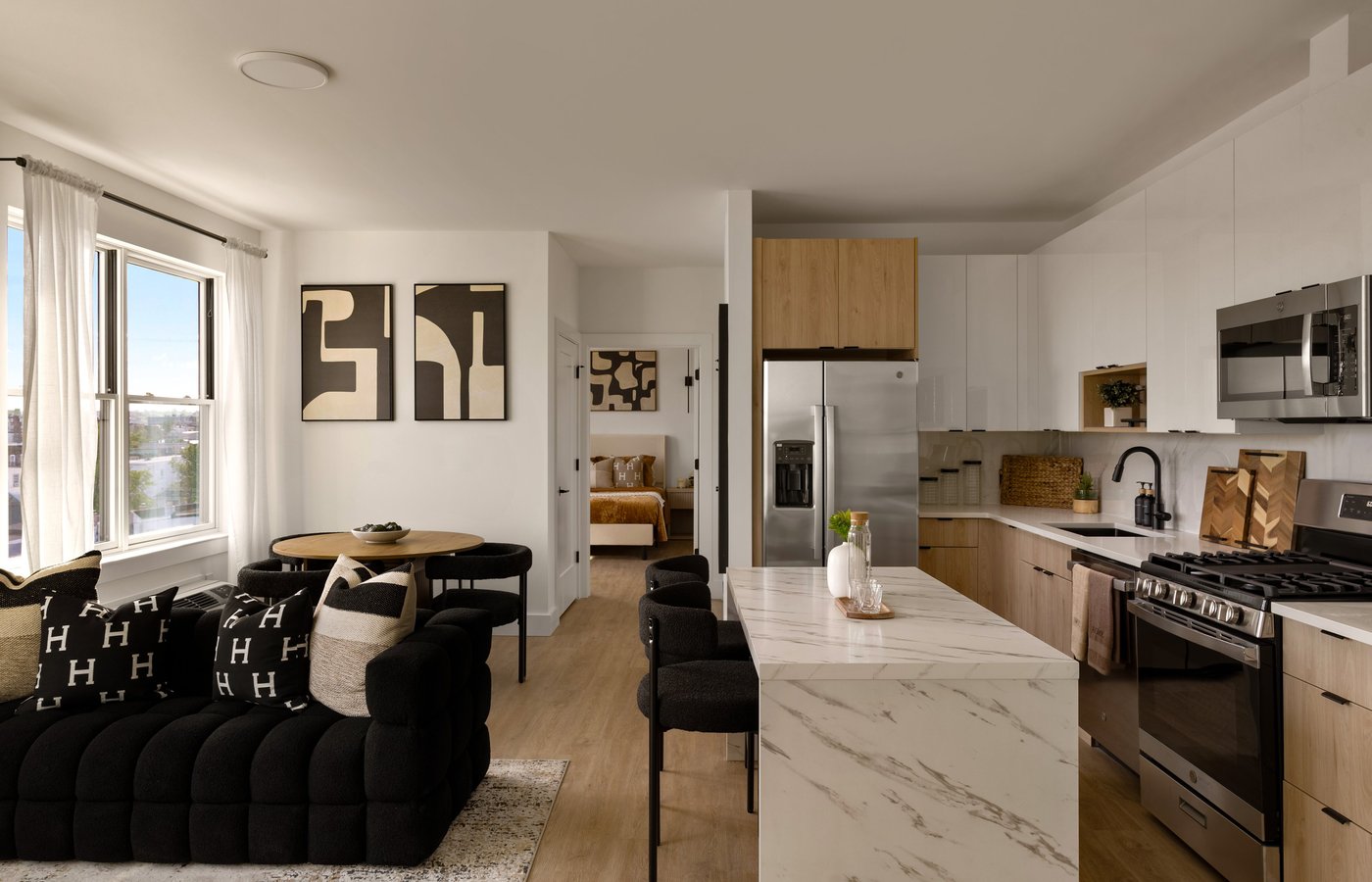
A single beautiful image is pleasant. A coherent body of images is persuasive. When every frame across a website, an online travel agency listing, and a social feed shares the same tonal discipline, the property reads as considered and trustworthy. This consistency is a design decision, not an accident of editing.
For hoteliers working with distribution partners, this matters practically. Booking platforms reward properties whose imagery holds attention and reduces uncertainty. A gallery that guides the eye deliberately, from the arrival experience through the rooms to the amenities, mirrors the way a guest would actually move through the property. That narrative structure quietly does the work of persuasion.
A coherent set of images tells the truth about a property more convincingly than any single perfect frame.
Photographing the Experience, Not Just the Space
The strongest hotel photography treats a property as a story rather than an inventory. This is where architectural photography and interior photography meet hospitality strategy. The goal is not to catalogue every square meter but to convey the rhythm of a stay.
In practice, this means thinking in sequences:
- The arrival, where the facade and entrance set expectation and establish the sense of place
- The public spaces, where the personality of the hotel is most visible
- The rooms, photographed for comfort and light rather than for measurement
- The details, which carry the emotional close
- The context, the view, the neighborhood, the landscape that only this property offers
When these elements are captured with a consistent eye, the result is a gallery that feels less like a real estate listing and more like an invitation. That distinction is the difference between images that are looked at and images that are acted upon.
What Design Professionals Should Ask For
If you are commissioning photography for a hospitality project, whether as the architect, the interior designer, or the operator, clarity of intent produces better results. Come to the work with a point of view on what the property is meant to feel like. Identify the moments that define the experience. Prioritize atmosphere over coverage. Insist on natural, faithful light and honest proportions. And plan for a coherent set rather than a scattering of individual shots.
Photography is often the last element considered and the first thing a guest encounters. Reversing that hierarchy, treating the imagery as an extension of the design itself, is what allows a property to convert attention into bookings.
If you are preparing to photograph a hotel or hospitality project and want imagery that reflects the care already built into the space, I would be glad to talk it through with you.