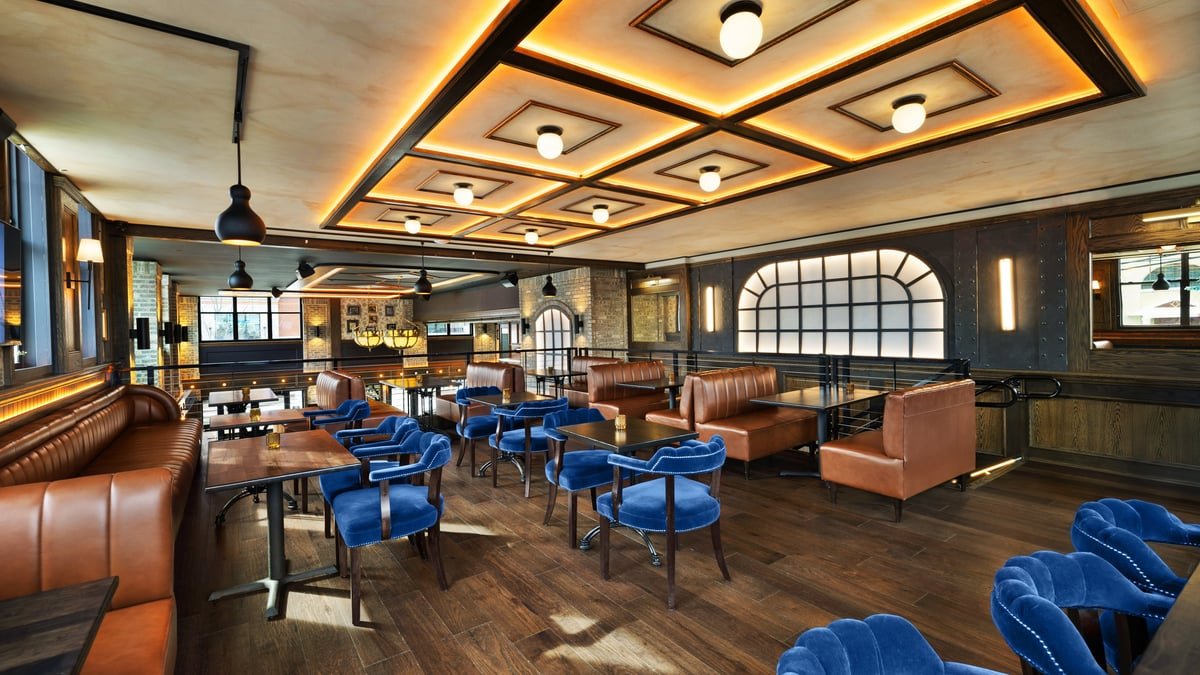
A portfolio is not a catalogue of completed work. It is an argument. For architects, it makes the case that your practice understands proportion, light, material, and the quiet decisions that separate competent buildings from memorable ones. Yet many practices treat their portfolio as an afterthought, populating it with snapshots taken on handover day or images pulled hastily from a phone. The result is a body of work that fails to represent the intelligence behind it.
The gap between the building you designed and the way it is perceived online is almost always a photography gap. Strong architectural photography closes that gap. It translates spatial ideas into images that a prospective client, an awards jury, or a journalist can grasp in seconds. This is a guide to assembling a portfolio that does justice to your work and earns the attention it deserves.
Start With the Story You Want to Tell
Before commissioning a single photograph, decide what your portfolio is meant to say. A practice known for restrained residential work should not present the same visual argument as one pursuing large civic commissions or boutique hospitality projects. Clarity of positioning shapes everything that follows: which projects you feature, how many images each receives, and the sequence in which they appear.
Consider the client you most want to attract. If your ambition lies in hospitality, then interior photography that conveys atmosphere, texture, and guest experience will matter more than exterior drone sweeps. If you serve developers, images that communicate scale, efficiency, and market appeal deserve prominence. The portfolio is a filter as much as a showcase; it should attract the right inquiries and gently discourage the wrong ones.
A portfolio is not a catalogue of completed work; it is an argument for the intelligence behind the practice.
Curate Ruthlessly
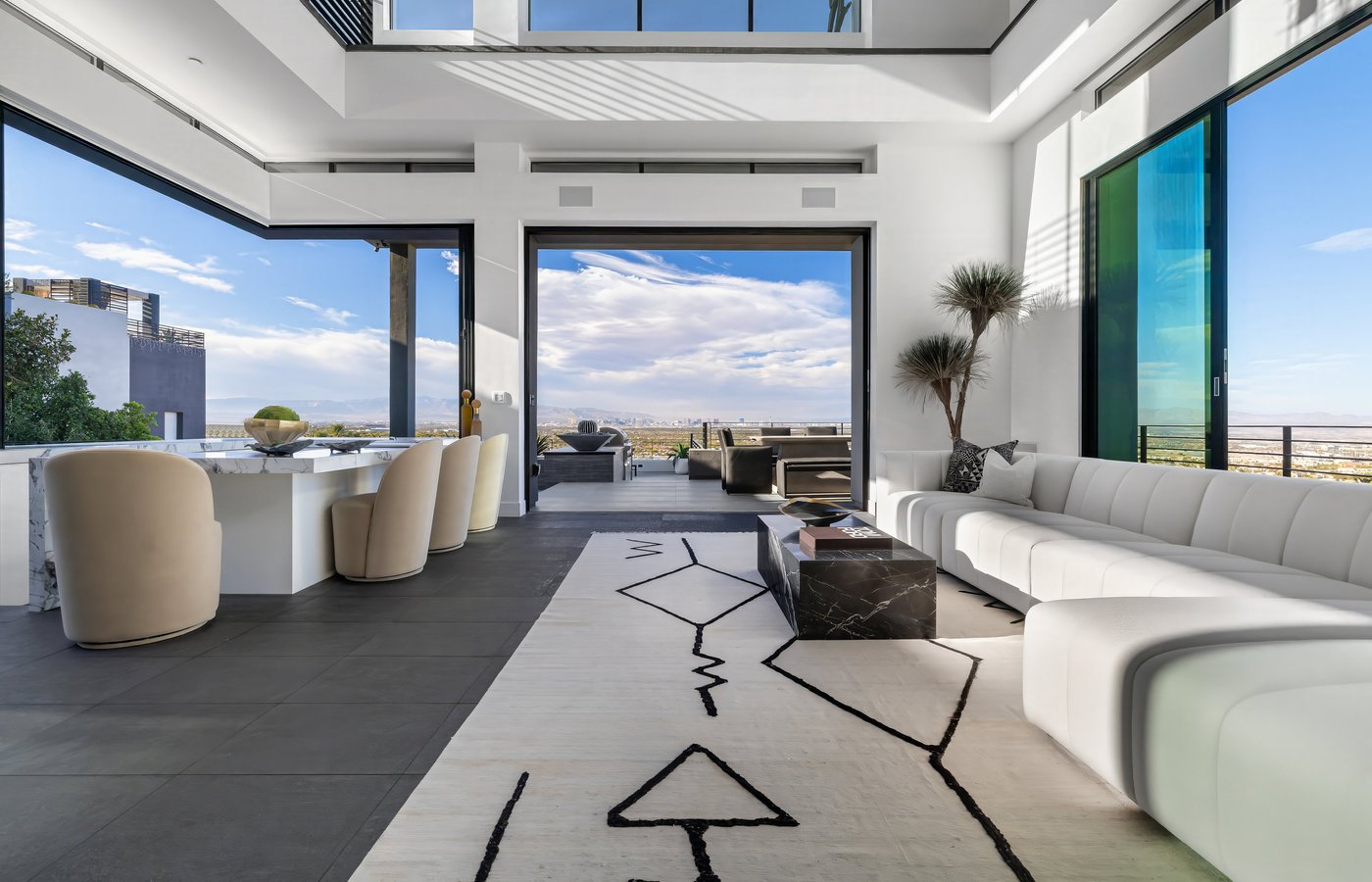
The instinct to include everything is the enemy of a compelling portfolio. Ten exceptional projects, each represented by a tight edit of strong images, will always outperform thirty projects diluted by mediocre coverage. Prospective clients rarely study a portfolio exhaustively. They form impressions quickly, and a single weak image can undo the goodwill built by several strong ones.
When editing, apply a consistent standard:
- Does this image reveal a design decision, or merely document a room
- Is the light considered, or accidental
- Would this photograph hold its own beside the best work in the field
If an image cannot answer these questions confidently, it weakens the whole. Removing it strengthens everything that remains.
Consistency Over Quantity
A coherent visual language signals a coherent practice. When images share a consistent approach to light, colour, and composition, the portfolio reads as the work of a single, assured sensibility. This consistency is difficult to achieve when projects are photographed by different people over many years, each bringing their own habits. Working with one photographer, or at least a defined visual standard, gives your portfolio the unity that distinguishes established practices from emerging ones.
Invest in Photography That Understands Architecture
Not all photography serves buildings well. Architectural photography is a specialised discipline. It requires an understanding of how vertical lines should be corrected, how a space reads at different times of day, and how a single frame can communicate the relationship between a building and its surroundings. A photographer fluent in this language will notice things you may take for granted: the way morning light rakes across a textured wall, the sightline that reveals a plan’s logic, the reflection that either flatters or distracts.
Interior photography demands its own expertise. Interiors are governed by mixed light sources, reflective surfaces, and the delicate task of making a space feel both inhabited and composed. A skilled interior photographer balances these variables so that materials read truthfully and the atmosphere you intended survives the translation to a screen.
The distinction matters because a building or interior can be genuinely excellent and still photograph poorly in the wrong hands. The photographer is not documenting your work; they are interpreting it. Choose someone whose interpretation elevates rather than flattens.
Photograph With the Whole Story in Mind
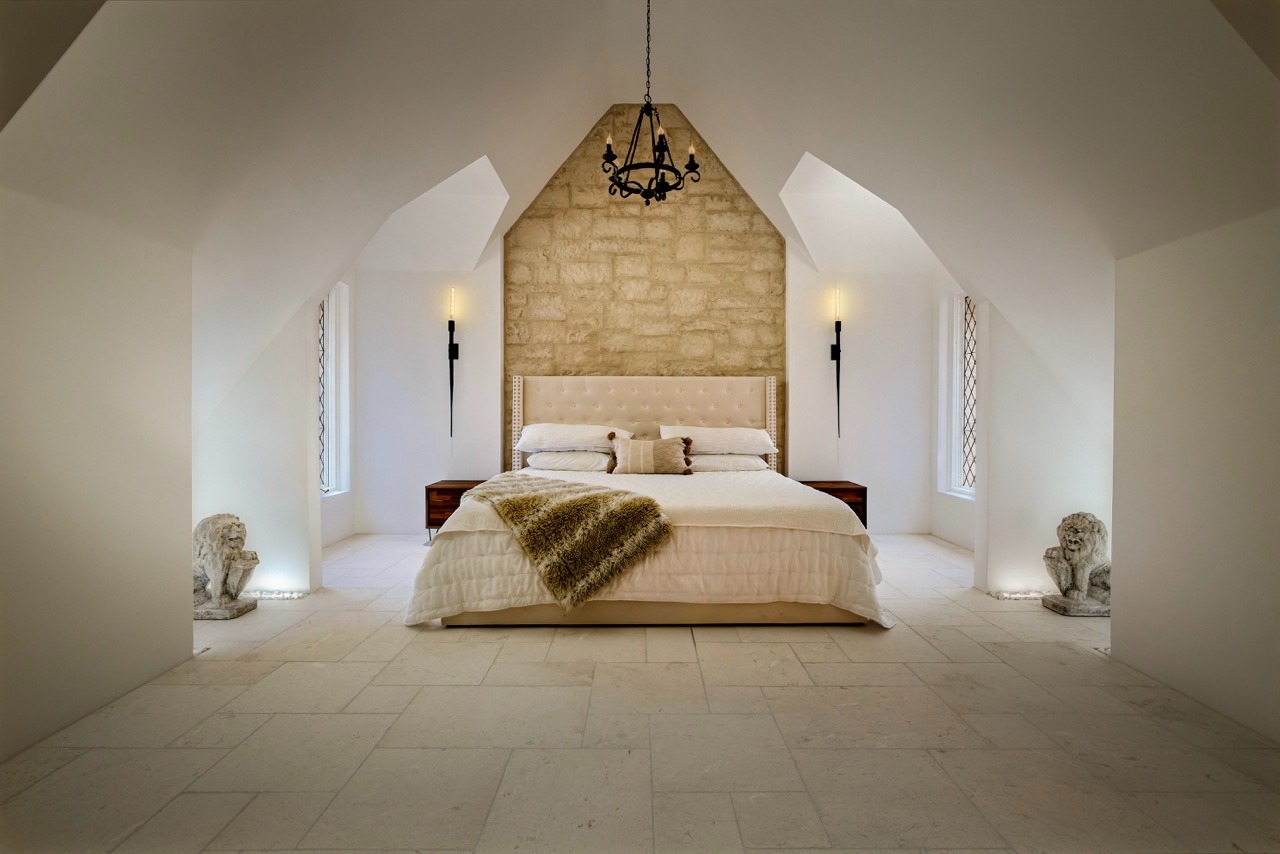
A single hero image rarely conveys a project fully. The most persuasive portfolios present each project as a short narrative, moving from context to detail. A considered sequence might include:
- An establishing exterior that situates the building
- A wider interior that reveals the spatial concept
- Detail shots that show material and craft
- A closing image that leaves a lasting impression
This structure guides the viewer through the project as you experienced designing it. It rewards attention and demonstrates depth of thinking, which is precisely what discerning clients and juries look for.
The photographer is not documenting your work; they are interpreting it.
Respect Timing and Preparation
The finest architectural photography depends on conditions that cannot be improvised. Light changes throughout the day, and the ideal moment for an east-facing facade differs from that of a west-facing courtyard. Planning a shoot around the light, rather than around convenience, transforms results. Similarly, a space must be prepared with care. Styling, cleaning, and the removal of clutter are not cosmetic afterthoughts; they allow the design itself to be seen without distraction.
Coordinate with your photographer well before the shoot. Share drawings, discuss the ideas you want emphasised, and identify the views that matter most. This collaboration ensures the images capture intent rather than accident, and it makes the day itself efficient and calm.
Present the Work With the Same Care You Design It
How you display your portfolio is part of the argument. Generous white space, restrained typography, and images allowed to breathe communicate confidence. Cramming images into small grids or compressing them until quality degrades undermines the very work you are trying to celebrate. Whether your portfolio lives on a website, in a printed monograph, or within an awards submission, treat its presentation with the discipline you bring to a building’s detailing.
Keep the Portfolio Alive
A portfolio is not a monument to be finished and forgotten. As new projects complete and your practice evolves, revisit the selection. Retire older work that no longer reflects your ambitions. Add projects that advance the story you want to tell. A portfolio that grows deliberately signals a practice in confident motion.
The Long View
Photography is one of the few investments in a practice that continues to return value for years. A well-photographed project can appear in your portfolio, in publications, on social platforms, and in submissions long after the building opens. Considered against the cost of the work it represents, professional photography is modest, and its influence on how your practice is perceived is considerable. The images become the durable record of what you built and why it mattered.
To discuss photographing your next project with the care and precision it deserves, we would be glad to hear from you at Matthew Lekker Photography.