Why One Photoshoot Is Rarely the Whole Story
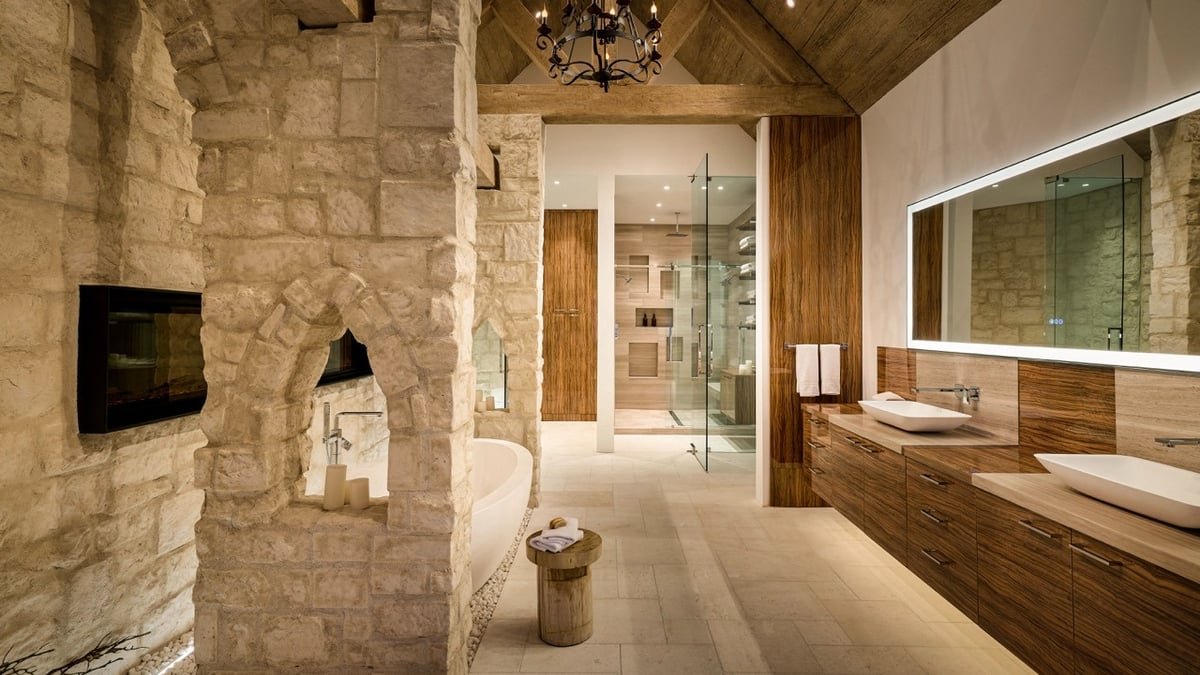
A building is not a fixed image. It is a living thing that responds to the sun’s angle, the color of the sky, and the state of the landscape around it. The same entrance that feels crisp and graphic under a low winter sun can turn soft and enveloping when framed by summer foliage. Yet most design professionals commission a single set of photographs and treat that library as complete. In doing so, they capture one moment of a space that lives through many.
Seasonal photography is the practice of returning to a project across the year to record how it performs under different conditions. For architects, interior designers, builders, and hoteliers, this approach produces a richer, more honest body of work, and it reflects the way clients actually experience a place over time.
Architecture Is Designed for More Than One Day
Thoughtful design anticipates the changing environment. A deep overhang exists to shade a room in July and welcome light in December. A courtyard is planted to bloom in spring and hold structure in winter. When architectural photography documents only a single season, it quietly erases the intelligence built into these decisions.
A space photographed only once shows how it looked, not how it lives.
Consider a residence with generous glazing on its western elevation. In summer, the interior fills with warm evening light and the surrounding trees cast dappled shadows across the floors. In winter, the bare branches let a cooler, cleaner light through, and the room reveals a different character entirely. Both are true. Both are worth showing. A portfolio that includes only one leaves the design half-told.
What Each Season Offers the Frame
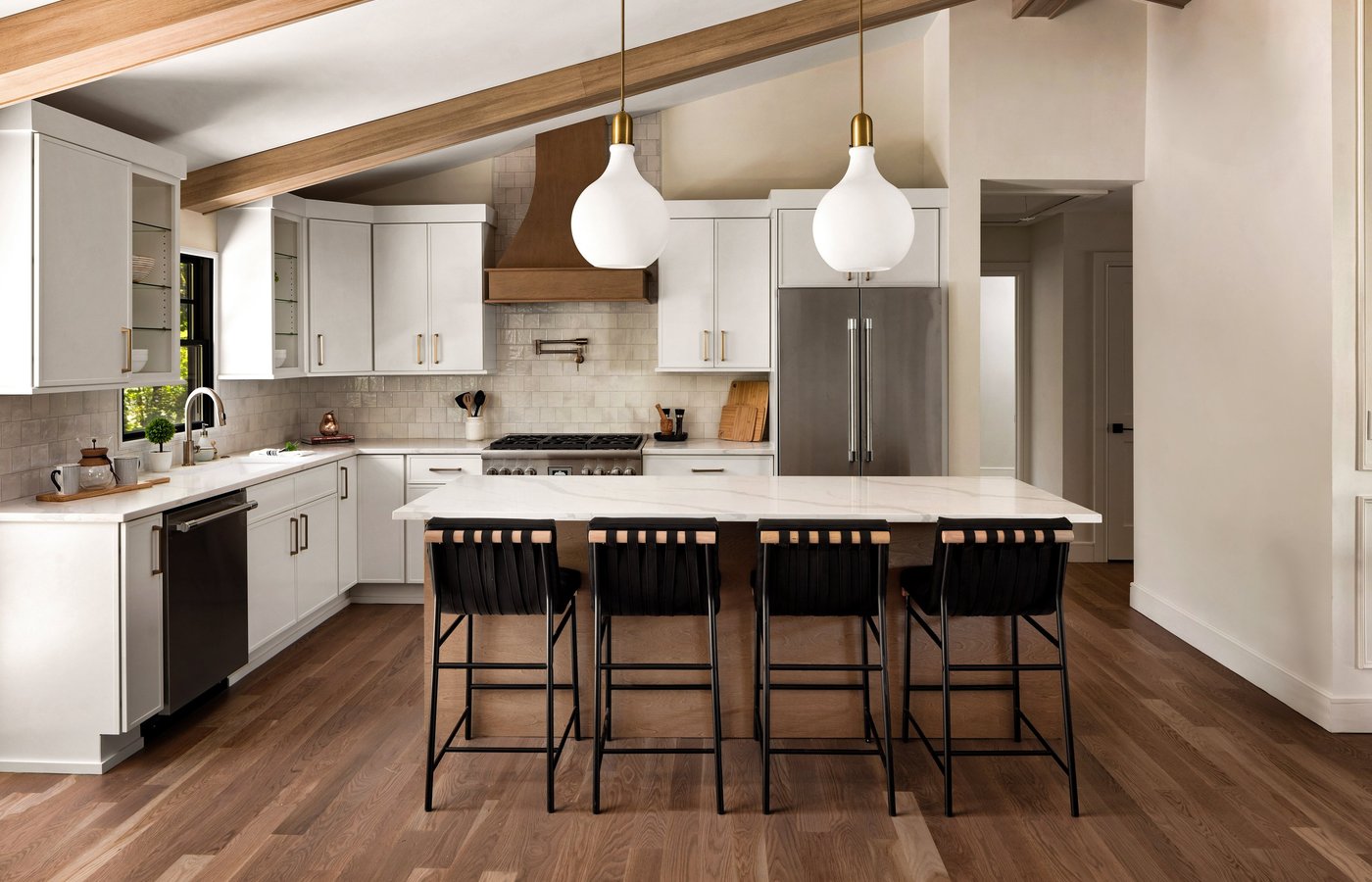
Every season brings its own palette, its own quality of light, and its own opportunities for interior photography and exterior work alike. Understanding these differences helps design professionals plan a photographic program that serves the project rather than the calendar’s convenience.
Spring
Spring introduces fresh growth and a gentle, diffused light that flatters both interiors and gardens. Landscaping looks intentional and alive. For projects where the relationship between building and garden matters, spring is often the moment when that dialogue is clearest.
Summer
Long days and high sun make summer ideal for capturing brightness, openness, and the way a space connects to the outdoors. Pools, terraces, and shaded courtyards read at their most inviting. Twilight lingers, giving generous windows for exterior work.
Autumn
Autumn brings a warmth of tone that few other seasons match. Golden light sits low in the sky, raking across facades and textures in a way that reveals depth and craftsmanship. For hospitality projects seeking atmosphere, this season delivers mood with little effort.
Winter
Winter simplifies. Bare landscapes let architectural form take center stage, and the clean, cool light emphasizes line and structure. Interiors, meanwhile, become studies in warmth and shelter, where lighting design and material choices carry the emotional weight of the image.
- Spring: renewal, soft light, flourishing landscape
- Summer: brightness, indoor-outdoor living, extended twilight
- Autumn: warmth, texture, low golden light
- Winter: form, contrast, interior atmosphere
The Practical Value for Design Professionals
Beyond the aesthetic argument, there is a strategic one. A seasonally documented project gives you a deeper and more versatile image library, which serves marketing across the entire year.
Marketing That Stays Current
A hotel promoting a winter escape needs images that feel like winter. A designer pitching a summer renovation benefits from spaces that radiate warm-weather ease. When your photography aligns with the season your audience is imagining, the message lands with more conviction. A single-season library forces you to promote a snowy retreat with photographs of blooming gardens, and the disconnect quietly undermines trust.
The most persuasive image is one that matches the season your client is already dreaming about.
Depth for Portfolios and Publications
Editors and awards juries respond to bodies of work that demonstrate range and rigor. Showing a project across seasons signals that you understand and value how your work performs over time. It elevates a submission from a snapshot to a considered study, and it gives publications more material to work with when they lay out a feature.
A True Record for Builders and Realtors
For builders, seasonal documentation demonstrates how a structure handles varied conditions, from summer heat to winter light. For realtors marketing a distinctive property, having access to images that suit any listing season removes a common obstacle: the aging, off-season photograph that dates a listing before a viewer even arrives.
Planning a Seasonal Program
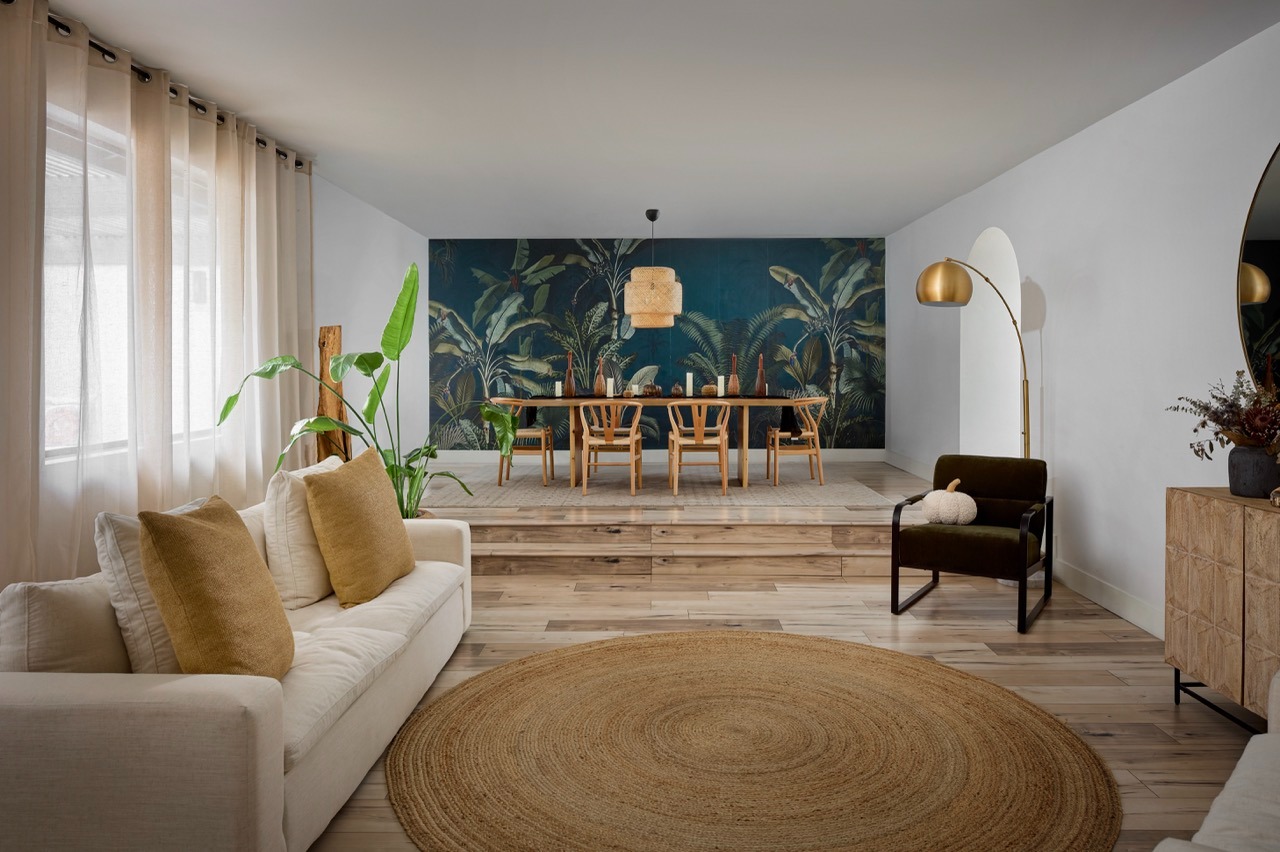
Seasonal photography rewards intention. It is not simply a matter of shooting again whenever the mood strikes. A well-planned program considers which seasons genuinely serve the project and how the images will be used.
Identify the Defining Moments
Not every project needs all four seasons. A courtyard garden may be defined by spring and autumn. A mountain lodge may hinge entirely on the contrast between summer green and winter white. Begin by asking when the space is most itself, and when it is most useful to your marketing.
Coordinate With the Architecture
Some of the strongest seasonal images depend on specific conditions: the angle of a solstice sun through a clerestory, the shadow of a pergola at its longest, the reflection of autumn color in a still pool. Working with a photographer who understands these rhythms means the shoots are scheduled to catch them rather than chasing them.
Build the Library Over Time
Treat photography as an ongoing relationship rather than a one-off transaction. Returning to a project across the year builds a coherent, consistently styled collection. Consistency of approach matters here; images shot with the same eye and the same standards will sit together comfortably regardless of when they were made.
- Map the seasons that best represent the project
- Align shoot dates with light conditions and landscape peaks
- Maintain a consistent style across each visit
- Plan usage in advance so each season earns its place
An Investment in a Living Archive
Design professionals invest deeply in creating spaces that endure. Photography deserves the same long view. A seasonal archive honors the full character of a project and equips you with imagery that stays relevant through every quarter of the year. It turns a fixed record into a living one, and it lets your best work continue to speak in whatever season your audience happens to be in.
If you would like to explore a seasonal photography program for one of your projects, Matthew Lekker Photography would be glad to begin the conversation.