Beyond the Single Session
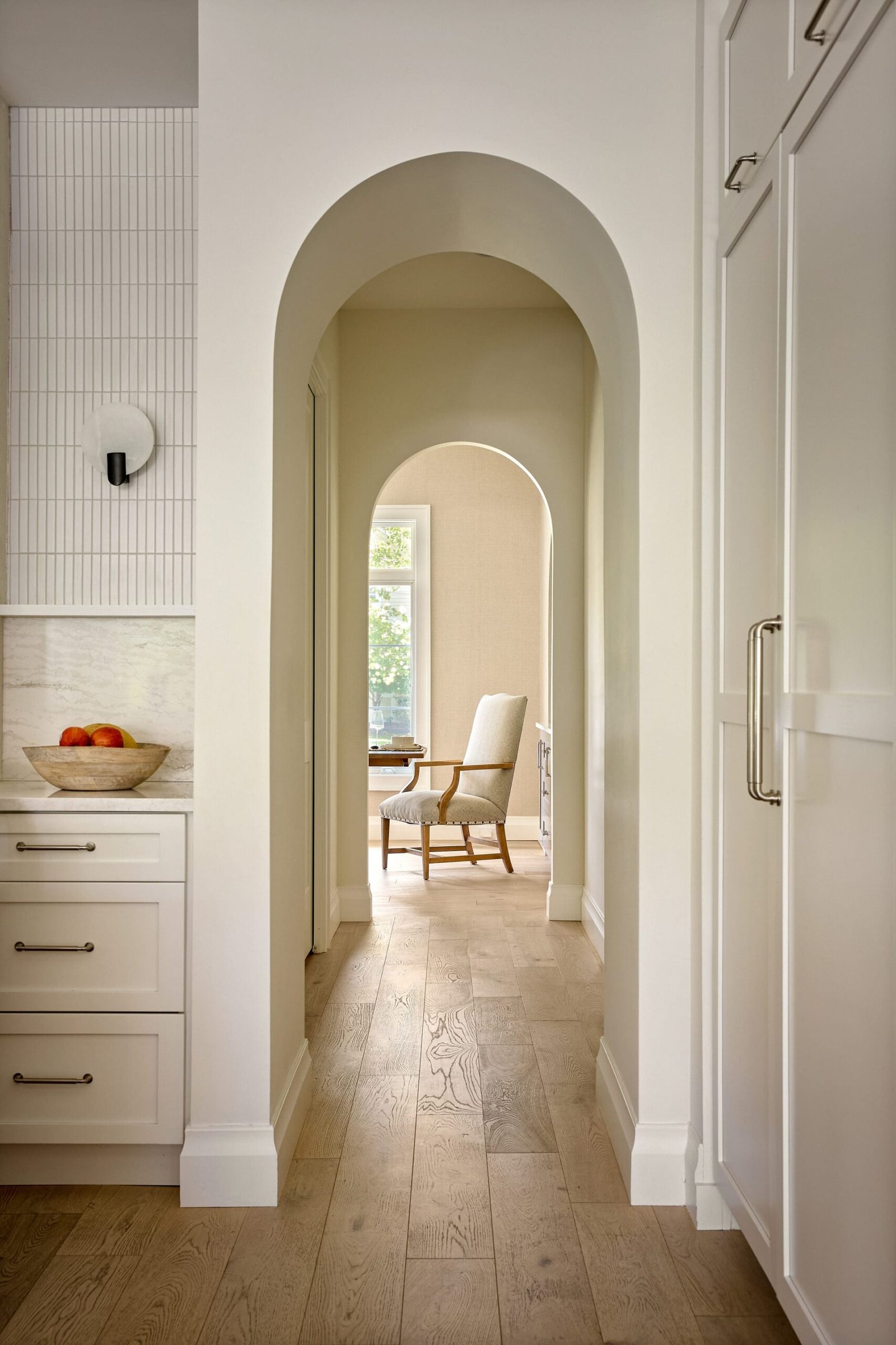
Most projects are photographed once. The scaffolding comes down, the last light fixture is installed, the client wants images for the portfolio, and a photographer arrives to capture the space at what feels like its definitive moment. That approach has a logic to it, and for many purposes it is enough. But it also treats architecture as if it were finished the day construction ended, when in truth a building or interior only begins its real life once people move through it.
Photographing a space over time is a different discipline. It asks us to return, to observe how a room settles into use, and to build a visual record that reflects the way design actually performs rather than the way it looked on handover day. For architects, interior designers, builders, and hoteliers, this longer view can be one of the most quietly persuasive tools in a marketing archive.
What a Single Shoot Cannot Show
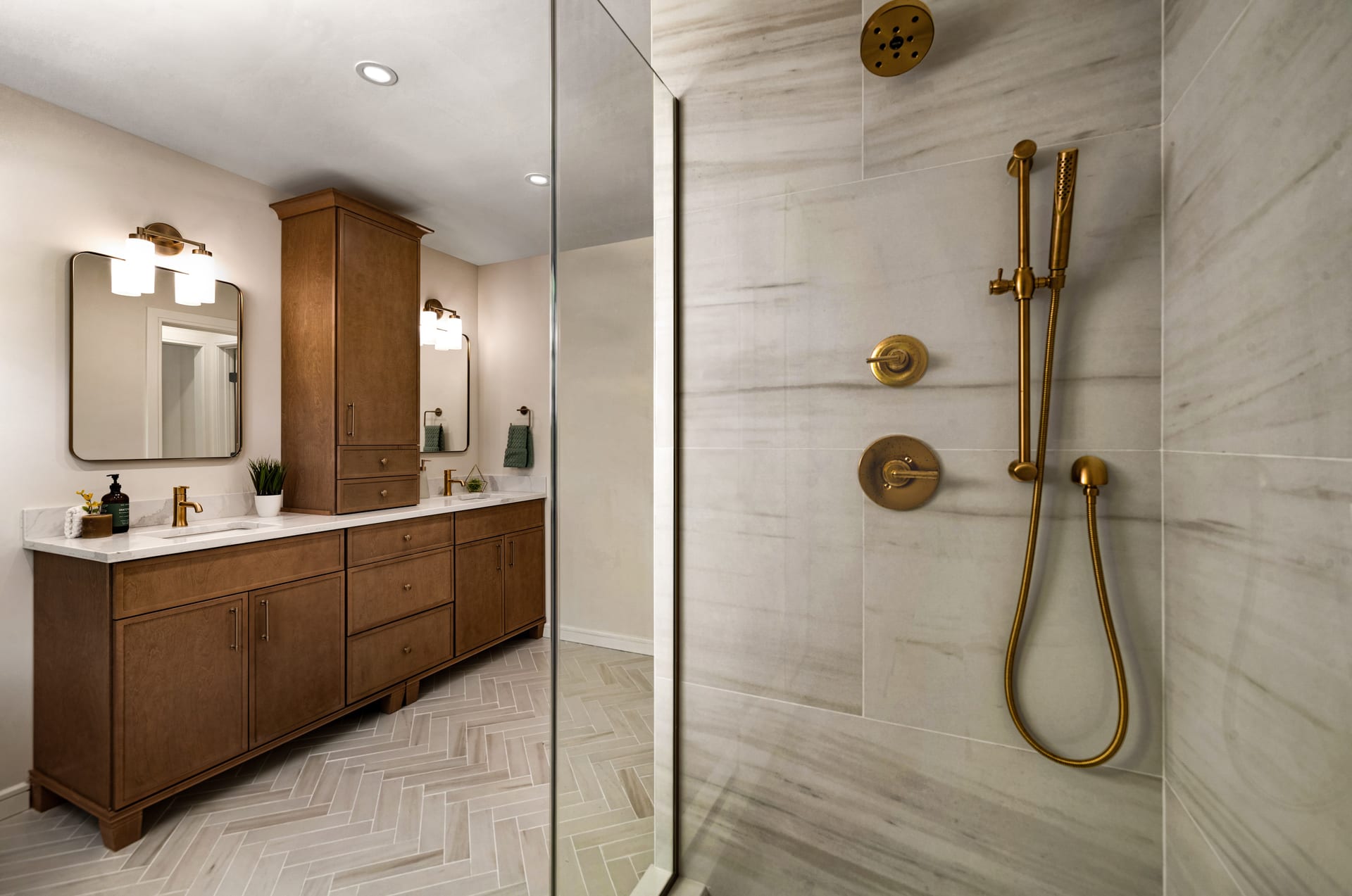
An architectural photography session is a snapshot of intention. It shows the space as designed, styled to its best, lit to flatter its proportions. This is valuable and necessary. Yet it captures only one version of a place that will continue to evolve.
Consider what changes after the photographer leaves. Furniture is rearranged to suit how a family truly lives. A hotel lobby fills with the movement of guests. Plants mature, patinas develop, art is hung and rehung. Seasons shift the light across a wall in ways no single morning can reveal. These are not flaws to be avoided. They are the evidence that a design works.
A building only begins its real life once people move through it.
When we photograph a space across months or years, we document not just the concept but its resilience. We show that a material ages gracefully, that a floor plan adapts to changing needs, that a room designed for calm still feels calm long after the styling team has gone home.
The Case for Design Professionals
There are practical reasons a longer approach rewards the people who create spaces for a living.
For Architects and Builders
A completed project photographed at handover shows craftsmanship in its pristine state. The same project revisited after a year shows durability, weathering, and the way natural materials respond to their environment. This second set is quietly powerful in conversations with prospective clients who worry about how a design will hold up over time. It moves the discussion from promise to proof.
For Interior Designers
Interior photography captured immediately after installation can occasionally feel staged, precisely because it is. Returning to a lived-in interior offers a warmer, more relatable story. The best of these images retain the discipline of the original composition while gaining the honesty of daily use. They demonstrate that a designer creates spaces meant to be inhabited, not merely admired.
For Hoteliers
A boutique hotel is never truly static. Menus change, seasonal decor comes and goes, the garden matures, and the atmosphere shifts between a quiet weekday morning and a full weekend evening. Photographing a property at intervals builds a library that reflects this range, giving marketing teams fresh material without the cost of reconceiving every campaign from scratch.
For Realtors
While a listing demands immediate, current images, agents who work repeatedly with the same developers or luxury properties benefit from a visual history. Twilight in winter, garden in bloom, interiors dressed for different markets: a considered archive lets an agent match the image to the moment.
How to Approach Longitudinal Photography
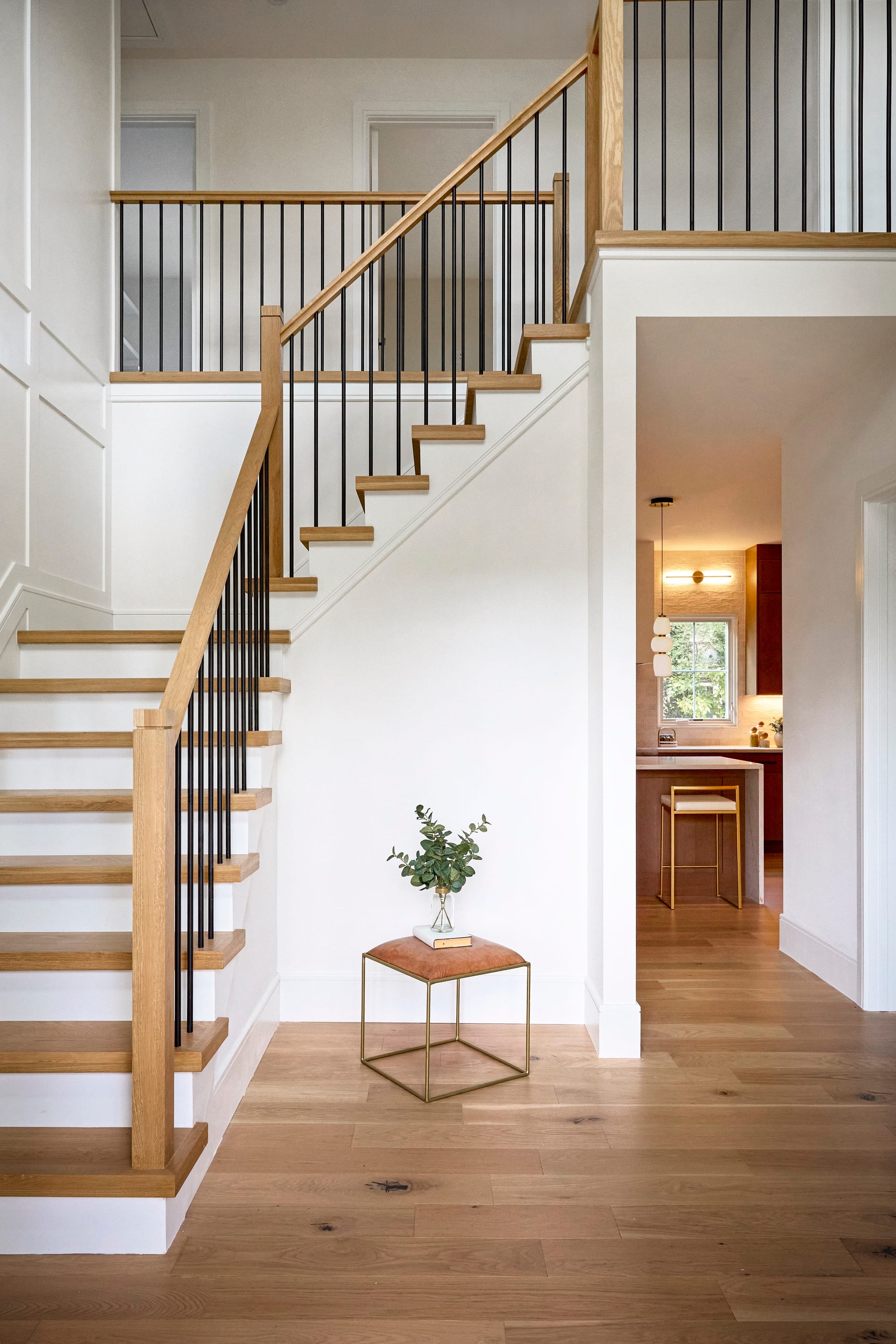
Documenting a space over time is not simply about shooting more often. It requires intention from the outset so that the resulting images form a coherent body of work rather than a scattered collection.
- Establish anchor viewpoints. Identify a handful of key compositions to revisit on each return. Consistent vantage points let the changes speak clearly, because the frame itself remains a constant.
- Plan around light and season. Decide in advance which times of day and year matter most for the space, and schedule returns to capture that range deliberately.
- Balance consistency with discovery. Repeat the anchor shots, but leave room to respond to what the space has become. Some of the most valuable frames are ones no one could have planned.
- Keep a considered archive. Organise the work so that sequences read chronologically. The story of a space unfolding is only legible if the images can be seen in relation to one another.
This is a collaboration that rewards trust. When a photographer knows a space intimately, having watched it across seasons, the resulting work carries a depth that a first visit rarely achieves.
The Editorial Instinct
The most compelling design magazines have long understood the appeal of revisiting. A house featured at completion becomes far more interesting when we later see it filled with the owner’s life, the walls slightly imperfect, the garden overgrown in the best possible way. The narrative arc, from clean intention to lived reality, is inherently engaging.
The story of a space unfolding is only legible if the images can be seen in relation to one another.
Design professionals can borrow this instinct. Rather than viewing photography as a one-time transaction tied to a project’s completion, consider it an ongoing record of your work in the world. Each return adds to a story that grows more valuable as it lengthens, and that no competitor can replicate because it belongs entirely to the spaces you have made.
A Patient Kind of Value
There is a certain restraint required to photograph over time. It asks for patience and a willingness to let a space reveal itself rather than to insist on a single perfect frame. But the payoff is a form of documentation that is both more truthful and more distinctive.
In a market saturated with pristine, near-identical launch images, a body of work that shows how a design lives, ages, and adapts stands apart. It communicates confidence, care, and a genuine belief in the longevity of your work. For any professional whose reputation rests on creating spaces that endure, that is a message worth telling patiently.
If you would like to explore how a longer, more considered approach to architectural and interior photography might serve your practice, we would be glad to hear from you at Matthew Lekker Photography.