The Surface That Looks Back
Reflective materials hold a particular place in architectural photography. Glass, polished stone, water, and mirror all introduce a second image inside the frame, one that the camera records as faithfully as the room itself. For design professionals, these surfaces are often the most considered elements in a space, chosen for the way they expand a room, double a view, or carry daylight into corners that would otherwise fall dark. Photographing them well requires understanding that a reflection is not an accident to be avoided but information to be composed.
The difficulty is that a reflective surface shows the photographer what is in front of it, not only what is behind the lens. A pane of glass can reveal the tripod, the lighting stand, the open door to a cluttered corridor. A mirror above a vanity can return the reflection of a window, a ceiling fixture, or the photographer standing in plain view. Managing these surfaces is less about equipment and more about discipline: deciding what the reflection should contain before pressing the shutter.
Reading What a Reflection Adds
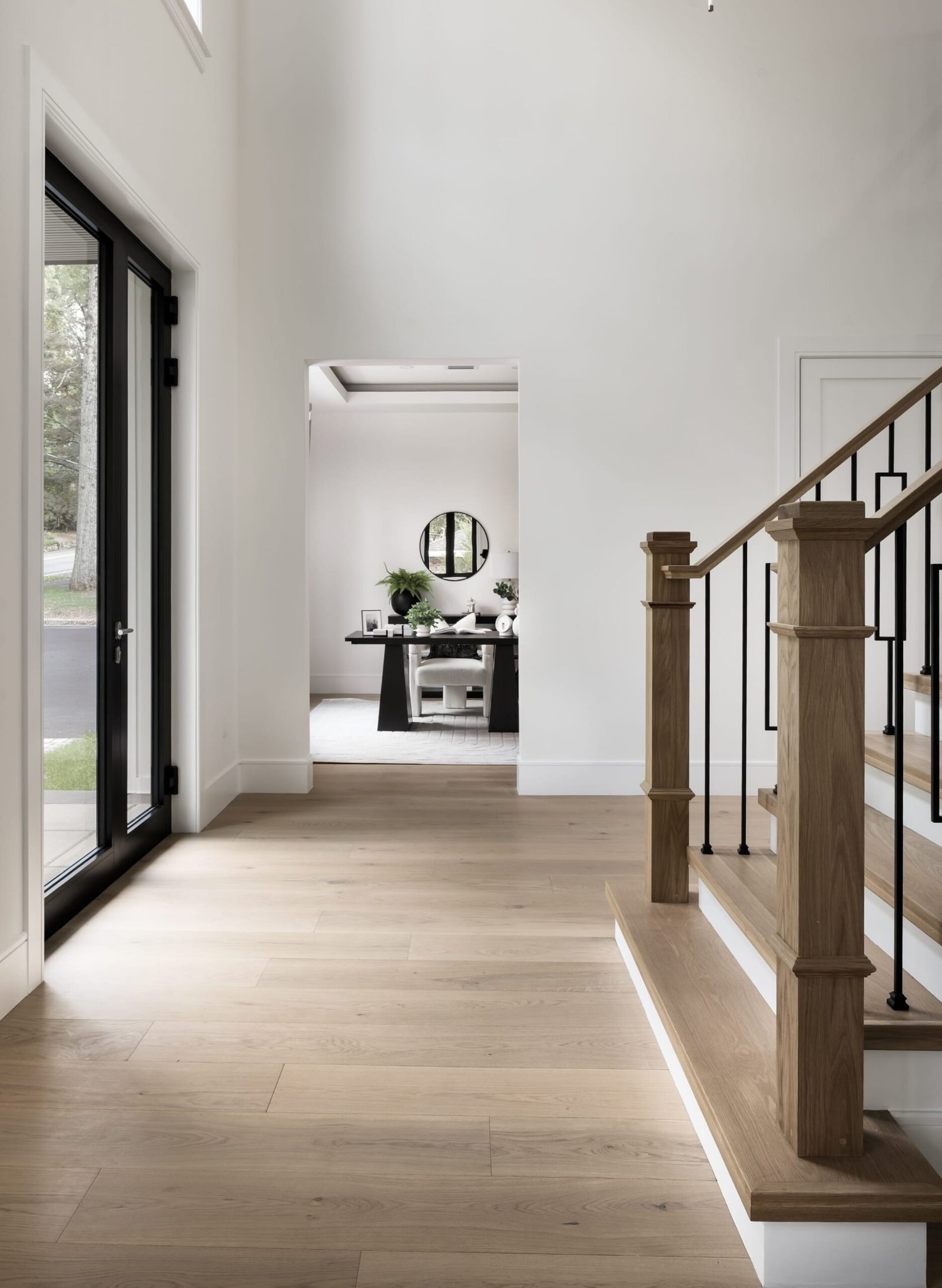
Every reflective surface in a space was specified for a reason. A mirrored wall in a boutique hotel lobby makes a modest room feel generous. A reflecting pool in front of a facade settles the building into a sense of calm symmetry. Floor-to-ceiling glazing dissolves the boundary between interior and landscape. When we photograph these spaces, the reflection should reinforce the intention the designer already set in motion.
This means studying the reflection as a compositional element in its own right. What does the mirror give back to the frame? Does the glass carry the sky, a tree line, a neighbouring facade worth keeping? A reflection can double a beautiful view or betray an ugly one, and the camera does not discriminate between them.
A reflection is not an accident to be avoided but information to be composed.
When the Reflection Helps
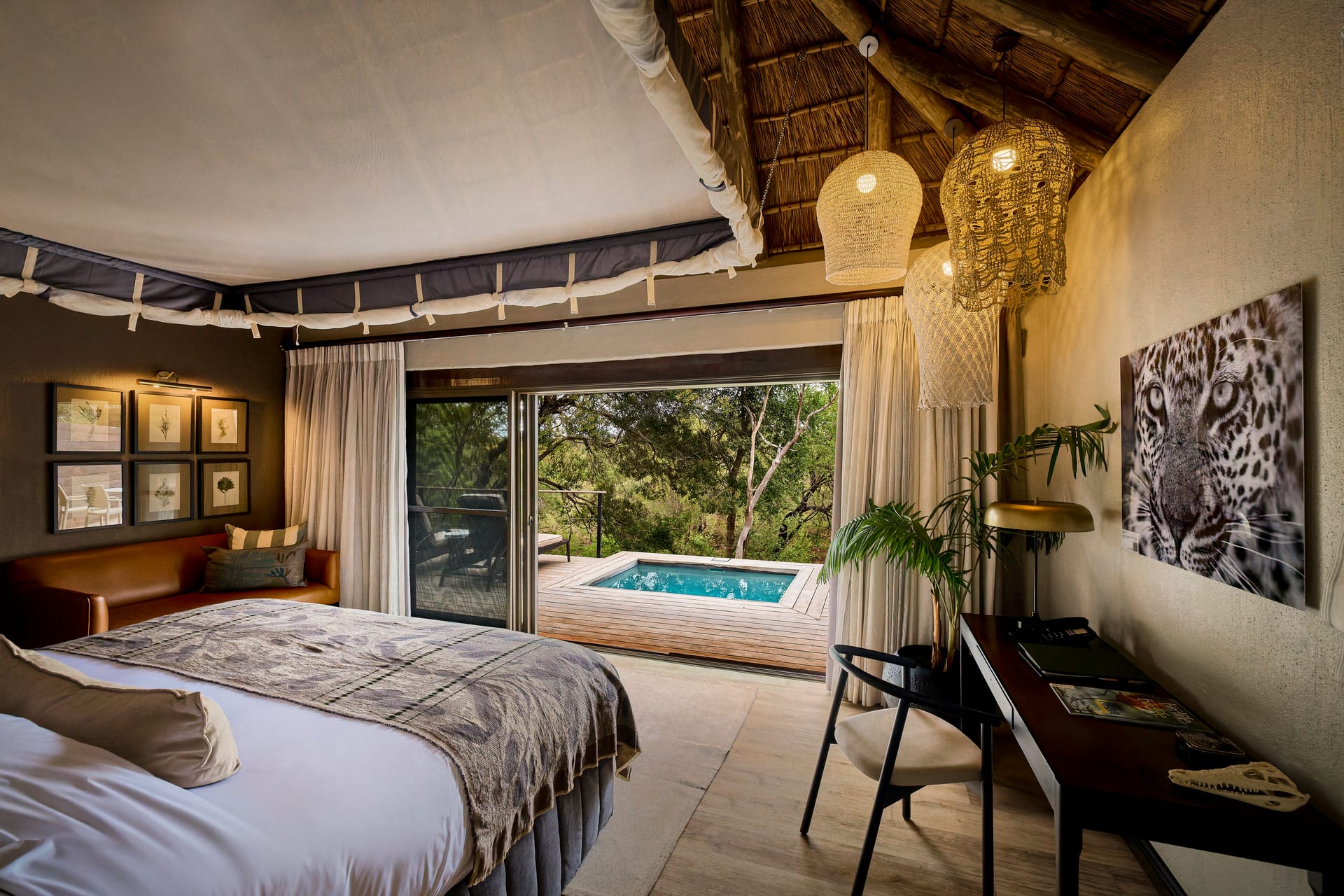
In interior photography, a well-placed mirror can bring a second light source into the frame, carrying brightness across a room and softening the fall of shadow. Water features can lend a facade stillness and a sense of ground. In both cases the photographer’s task is to position the camera so the reflection delivers something worth seeing: a considered view, an architectural rhythm repeated, a suggestion of depth beyond the visible wall.
When the Reflection Distracts
The same surfaces can undermine an image just as easily. A mirror that returns a tangle of lighting gear, a window that shows the parking lot, a glossy countertop that mirrors an overhead fixture as a hard white blob, all of these compete with the subject. The skill lies in anticipating these problems during the scouting stage and shifting the vantage point before they become part of the record.
The Angle of Incidence
The governing principle for photographing reflective surfaces is simple physics: the angle at which light strikes a surface equals the angle at which it leaves. This means the position of the camera relative to a glossy floor, a pane of glass, or a polished countertop determines exactly what the surface will reflect. A small change in height or lateral position can move an unwanted reflection out of the frame entirely.
Practically, this gives the photographer a set of tools:
- Lowering or raising the camera to change what a glossy floor returns
- Shifting laterally so glazing reflects sky rather than the interior clutter opposite
- Angling slightly off-axis to a mirror to avoid photographing the lens directly
- Adjusting the position of light sources so their reflection falls outside the composition
None of this requires exotic equipment. It requires patience and a willingness to move the camera a few centimetres at a time until the reflection resolves into something intentional.
Glass and the Dissolving Wall
Glazing is central to contemporary architecture, and it presents a particular challenge. Clear glass can read as empty space, as a mirror, or as a frame onto a landscape, depending entirely on the balance of light inside and outside the building. When the interior is brighter than the exterior, the glass turns reflective and shows the room. When the exterior is brighter, the glass turns transparent and the view takes over.
Controlling this balance is one of the quieter crafts of architectural photography. Shooting at the moment when interior and exterior light reach equilibrium allows the glass to show both the room and the view beyond, a condition that reads as natural and complete. This is often why twilight serves glazed buildings so well: the artificial interior light and the fading daylight meet, and the glass stops choosing sides.
When interior and exterior light reach equilibrium, the glass stops choosing sides.
Timing the Transition
For a glazed facade, the window of balance can last only a few minutes. This is where scouting and preparation earn their keep. Knowing which way a building faces, when the surrounding light will fade, and where interior fixtures sit allows the photographer to be ready at the exact moment the glass becomes legible rather than opaque.
Water as a Second Composition
Water introduces reflection with movement. A still reflecting pool can mirror a facade almost perfectly, offering a symmetry that photographs with great calm. The slightest breeze, however, breaks that mirror into texture. Neither state is wrong; they simply serve different intentions. A perfect mirror emphasises order and repose, while a gently broken surface suggests life and atmosphere.
Working with water means watching the surface as closely as the building. A long exposure can smooth ripples into stillness, while a shorter one preserves the pattern of the moment. The decision should follow the mood the space is meant to convey.
Mirrors in Interior Work
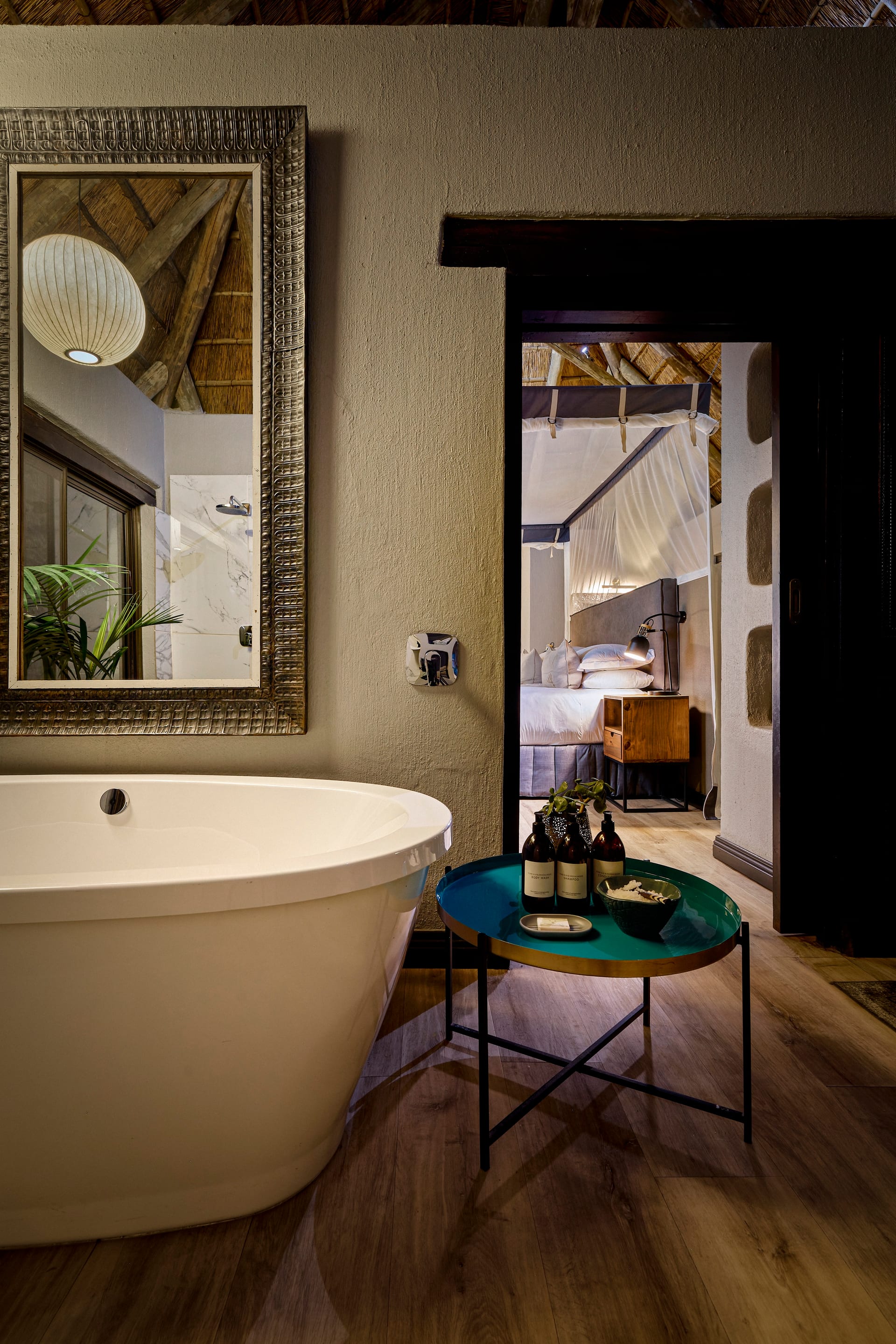
In interior photography, mirrors demand the most careful choreography. They are frequently placed exactly where a photographer would naturally stand, above a basin, along a hallway, behind a bar. Because the mirror returns whatever faces it, the photographer must often work from an angle, use the mirror to reveal a flattering portion of the room, or accept a composition that includes the mirror’s content as a deliberate secondary image.
Handled with care, a mirror can enrich the story of a room by showing a feature that would otherwise lie outside the frame, a window, a piece of art, a glimpse of an adjoining space. Handled carelessly, it exposes the mechanics of the shoot.
A Discipline of Looking Twice
What reflective surfaces ask of us, more than anything, is a habit of looking twice. Once at the subject, and once at what the subject’s surfaces return to the camera. Design professionals who understand this tend to produce better briefs and better spaces to photograph, because they are already thinking about how glass, water, and mirror behave under scrutiny. The best images of these materials do not hide their reflective nature; they make it a considered part of the composition.
If you are preparing to photograph a space defined by glass, water, or mirror, we would be glad to discuss how to make those surfaces work in your favour.
Add us as a preferred source on Google
Add as preferred source