The Plane We Stand Beneath
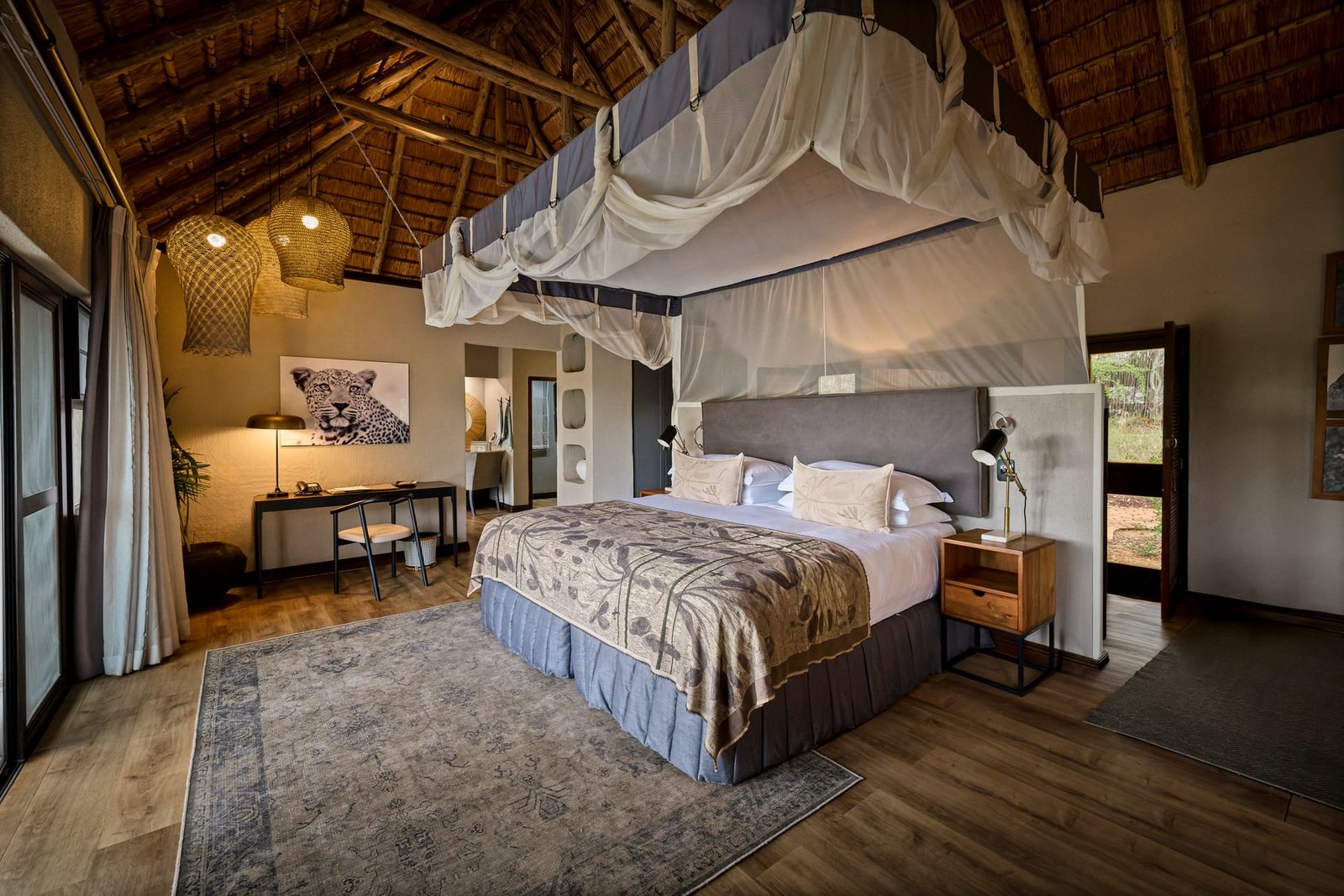
In most photographs of a room, the ceiling is the first thing to be cropped away. We tilt the camera down to catch the furniture, the flooring, the way light pools across a console table. The overhead plane becomes a thin band at the top of the frame, or disappears entirely. Yet anyone who has stood in a space with a soaring vaulted ceiling, or beneath a low timber soffit, knows how completely that surface governs the feeling of a room. In architectural photography, the ceiling is often the most honest record of how a space was conceived.
For architects and interior designers, the ceiling is rarely an afterthought. It carries structure, acoustics, mechanical services, and lighting. It sets proportion. A coffered ceiling, an exposed concrete slab, a run of oak battens, a plaster cove that softens every edge of a room, these are decisions made early and lived with daily. When a photograph ignores them, it quietly removes a layer of the design story.
Why the Ceiling Gets Overlooked
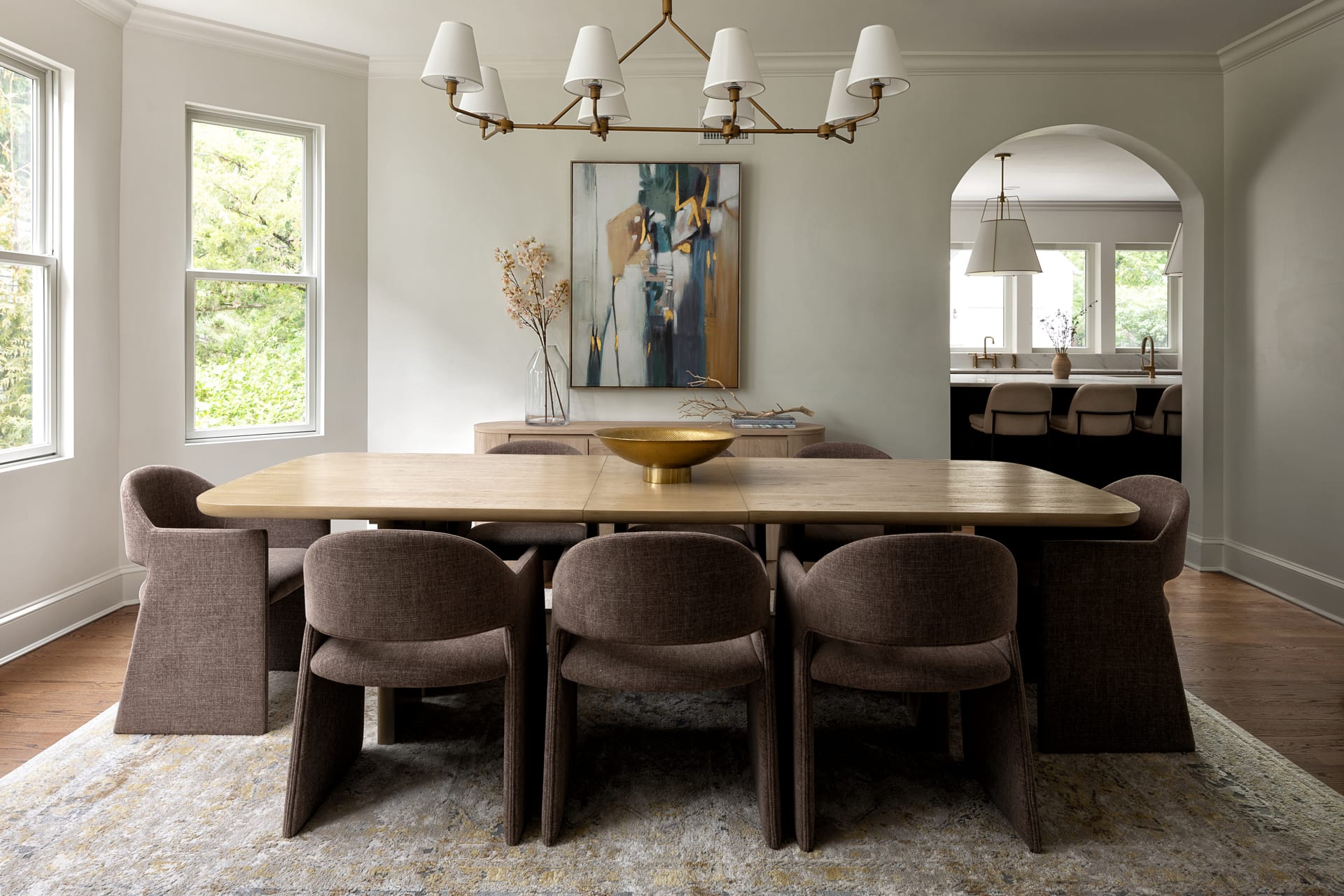
There are practical reasons the ceiling escapes attention. It is usually the least decorated plane, the one without objects to anchor the eye. It often sits in shadow, lit indirectly and rendered flat. And conventional framing, with the camera held level and the verticals kept true, naturally favors the middle band of a room where life happens.
But there is a deeper habit at work. We photograph rooms the way we move through them, eyes forward, attention at hand height. The ceiling asks us to look up, which is not a reflex. Breaking that habit is the first step toward images that feel considered rather than familiar.
The ceiling is the one surface a room cannot hide behind, because it was drawn before the furniture arrived.
What the Ceiling Reveals
When the overhead plane enters the frame with intention, it does three things at once. It establishes volume, telling the viewer how tall and generous a space truly is. It reveals craft, since beams, cornices, and seamless plaster all read most clearly from below. And it carries light, because so much of a room’s illumination either originates in the ceiling or is shaped by it.
For a boutique hotel, the ceiling of a lobby or restaurant is frequently where the architecture makes its boldest statement. A hotelier commissioning interior photography for a suite should expect the plane above the bed to be part of the composition, not an accident at the edge of it.
How to Bring the Ceiling Into the Frame
Photographing the ceiling well is less about a single technique than about a shift in attention. A few approaches consistently earn their place.
Raise the Camera, Then Reconsider the Tilt
A higher camera position naturally includes more of the overhead plane while keeping the room grounded. The instinct is to tilt up, but a deliberate tilt changes everything: verticals begin to converge, and the ceiling appears to lean back and expand. Used carelessly this reads as distortion. Used with intention it conveys height and drama, which is why it suits cathedral ceilings, double-height atriums, and stairwells more than it suits a standard room.
Use the Ceiling as the Composition
Sometimes the most striking image is the one that abandons the horizon entirely. A direct upward shot of a coffered grid, a skylight, a radial pattern of beams, or an intricate plaster rose can function as a graphic study. These images work best when the structure has genuine rhythm or symmetry, and they give a project portfolio a moment of pause between more conventional room views.
Let Light Model the Surface
A flat, evenly lit ceiling disappears. A raking light that catches the edge of a beam or the shallow relief of a coffer brings the plane forward. Pay attention to how the time of day moves light across the surface, and to how artificial fixtures wash or graze it. The goal is to give the ceiling dimension so the viewer reads its depth, not just its outline.
- Watch for the junction where wall meets ceiling, a cornice or shadow gap that signals the quality of the detailing.
- Note where pendants, tracks, or recessed fittings sit, since their placement is part of the ceiling’s design.
- Look for reflections on glossy or lacquered ceilings, which can either enrich or clutter the frame.
Balance the Plane With the Room
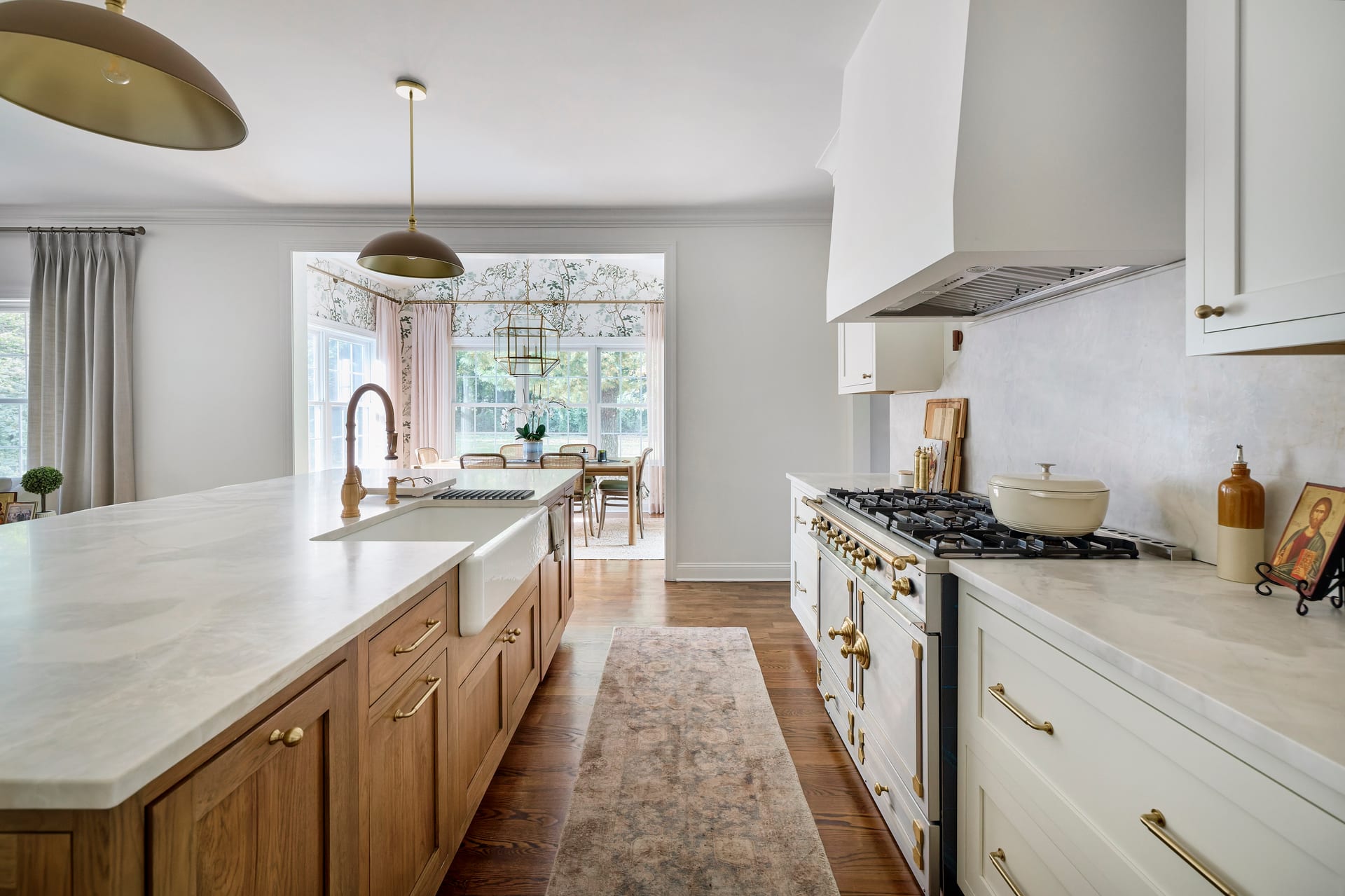
Including the ceiling does not mean sacrificing everything below it. The most resolved interior photography holds both, giving the floor, the furnishings, and the overhead plane a share of the frame so the room reads as a complete volume. This is a question of proportion within the image, deciding how much of each plane earns its place rather than defaulting to the middle.
The Ceiling as a Narrative Device
Across a full set of images, the ceiling can carry a quiet throughline. A home with consistent timber soffits, a hotel with a signature coved detail in every public room, an office with an exposed services aesthetic held throughout, these repetitions give a body of work coherence. Photographing the ceiling with the same care given to the rest of the space lets that intention surface.
A room photographed without its ceiling is a sentence missing its final clause.
For realtors and builders, there is a practical dividend as well. Ceiling height is one of the first things buyers register and one of the hardest to communicate in words. An image that honestly conveys a generous overhead volume does more than any listing description. For architects, a photograph that renders a structural ceiling clearly becomes a record of the engineering and the intent, not merely the finish.
A Discipline of Looking Up
The habit worth building is simple. On arriving in any space, before setting the tripod, look up. Trace where the ceiling meets the walls. Notice where the light lands and where it falls away. Ask what the designer was trying to achieve overhead, and whether the standard framing will honor it or erase it. More often than not, the ceiling offers at least one frame that would otherwise have been lost.
Attending to the overhead plane is part of a larger discipline in architectural and interior photography: refusing to let any surface go unexamined simply because it is unfamiliar to the eye. The rooms that feel most fully rendered are the ones photographed as complete volumes, floor to ceiling, with nothing taken for granted.
If you are preparing to photograph a project where the architecture speaks in every plane, I would welcome a conversation with Matthew Lekker Photography.
Add us as a preferred source on Google
Add as preferred source