Why the Detail Shot Matters
Every space is understood first as a whole, then as a sum of its decisions. The wide view establishes proportion and intent, but it is the detail shot that reveals judgment. A brass pull on a cabinet, the mitered edge of a stone counter, the stitch of a leather chair, the way a shelf meets a wall without a visible bracket. These are the moments where a design professional’s thinking becomes legible, and they deserve a frame of their own.
In architectural photography and interior photography, the detail image carries a particular weight. It slows the viewer down. Where a room shot invites a quick impression, a close study asks for attention, and attention is where craft lives. For architects, designers, and builders, the detail is often the clearest proof of quality, because it shows the parts of the work that cannot be faked.
The wide view establishes intent, but the detail shot reveals judgment.
What a Detail Actually Is
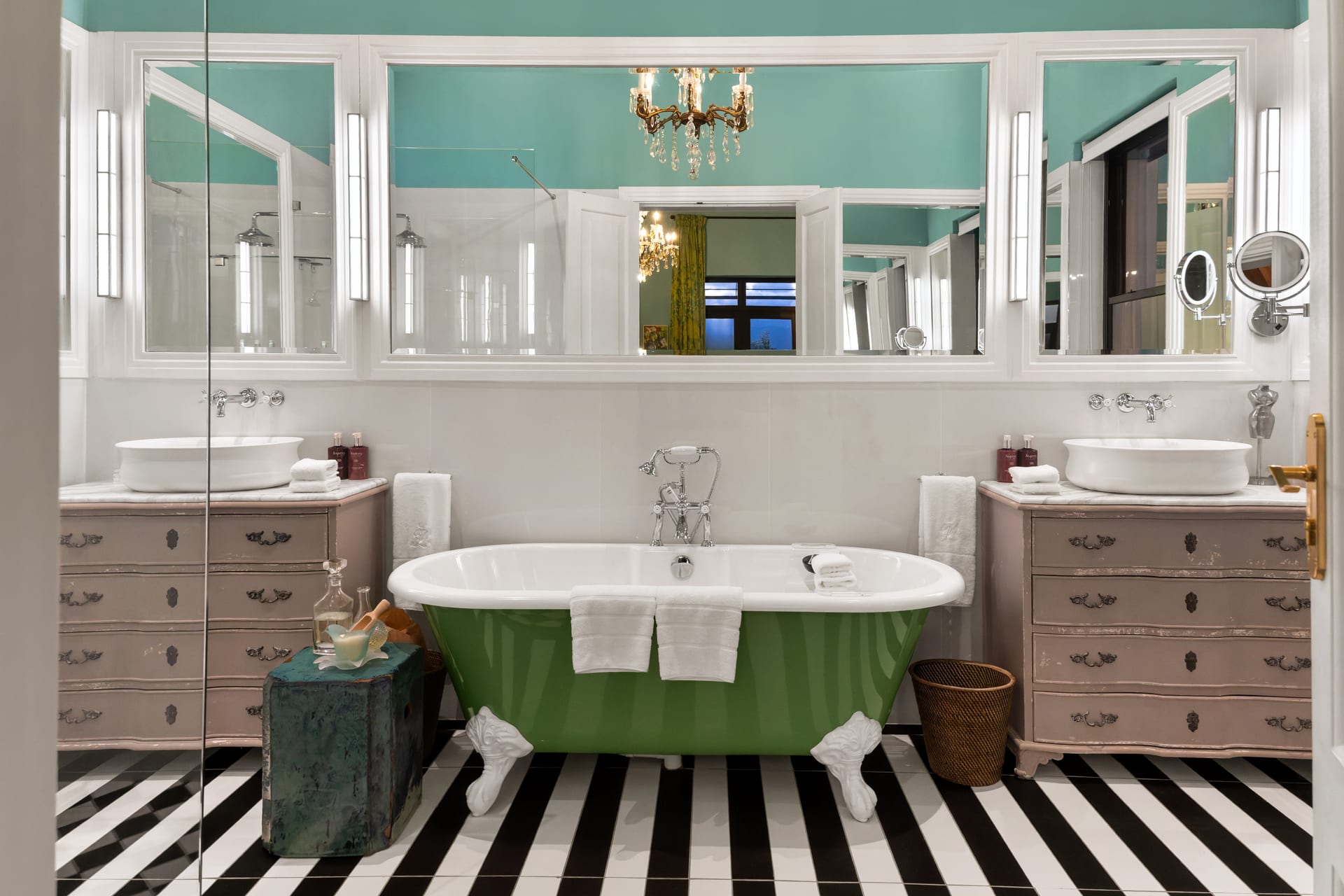
A detail is not simply something small. It is a decision made visible. When you walk a finished space with the intention of photographing its details, you are really looking for evidence of care, and that evidence tends to gather in a few recognizable places.
- Transitions, where one material gives way to another
- Junctions, where planes meet at a corner or an edge
- Fixtures and hardware, where the hand touches the building
- Joinery, where carpentry and cabinetry resolve their seams
- Finishes under raking light, where texture comes alive
Not every small thing is worth a photograph. The art of the detail shot is editing before you ever lift the camera. A detail earns its frame when it tells the viewer something true about the quality or the character of the whole.
Reading a Space for Its Details
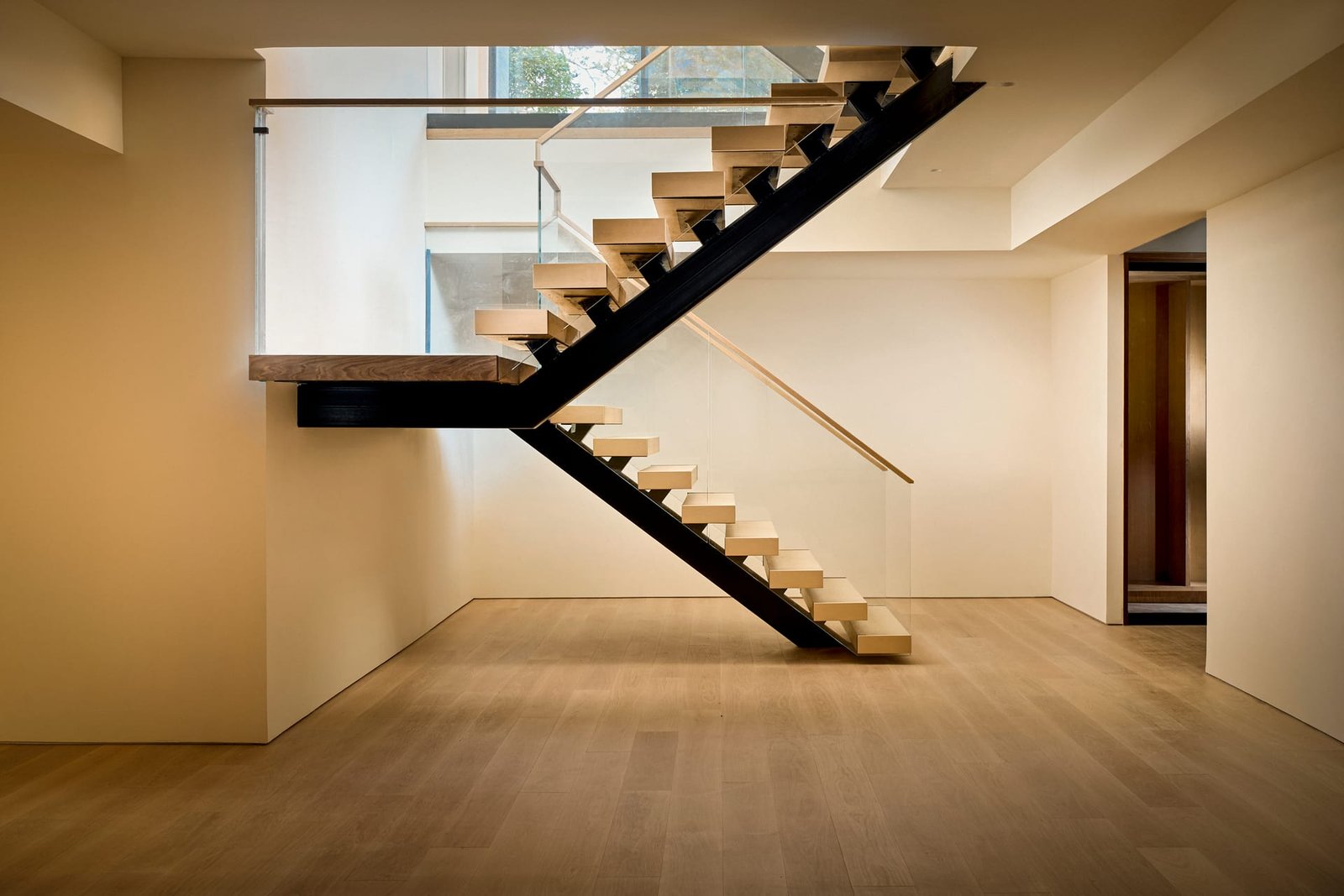
Before photographing, walk the room slowly and let your eye settle on the places where it naturally pauses. The eye is drawn to resolution, to the point where a problem of design or construction has been solved elegantly. A stair that cantilevers without apparent support. A reveal that lets a wall appear to float. A window frame that disappears into plaster. These moments of resolution are the strongest candidates, because they reward a closer look rather than disappointing it.
Composing the Detail
A detail shot lives or dies on its composition, perhaps more than any other image in a set. With less information in the frame, every element has to earn its place. There is nowhere for a careless edge or a distracting highlight to hide.
Isolate With Intention
Decide what the subject is, then remove everything that competes with it. This often means moving closer than feels comfortable, or using a longer focal length to compress the background into a calm field. The goal is not to crop tightly for its own sake, but to let the subject occupy the frame with enough breathing room to feel considered rather than cramped.
Let the Angle Follow the Material
Different materials reward different light and different vantage points. Polished surfaces need control over reflections, so the camera position matters as much as the light. Matte and textured finishes come alive under raking light, where a low, glancing angle rakes across the surface and lifts every grain and seam. The direction you shoot from should serve the material rather than habit.
With less in the frame, every element has to earn its place.
Mind the Depth of Field
Detail work tempts photographers toward a shallow focus, and a soft background can be lovely when it supports the subject. But in architectural and interior photography, shallow focus should be used with restraint. A joint photographed with only a sliver in focus can read as vague rather than precise. When the point of the image is craftsmanship, enough depth of field to render the detail cleanly usually serves the work better than a dramatic blur.
Light for the Small Things
Light that flatters a whole room is not always the light that flatters a detail. A detail shot gives you the freedom to shape light for a single purpose, and that freedom is worth using.
For hardware and metalwork, soft directional light reveals form without harsh hotspots. For stone and timber, a raking light brings out depth and figure. For fabric and upholstery, even, gentle light lets color and weave read honestly. Because the area is small, you can modify the light precisely, flagging a window, bouncing a soft fill, or waiting for a cloud to soften the sun. The smaller the subject, the more control you have, and the more that control shows.
True Color in Close Study
When a detail isolates a single finish, accurate color becomes essential. A sample of walnut, a specific paint, a particular grout line, these are often chosen deliberately and must be rendered faithfully. Mixed light sources are the most common culprit behind color that drifts. Where possible, photograph a detail under a single, consistent light so the tone the designer selected is the tone the viewer sees.
The Detail in a Sequence
A detail image rarely stands entirely alone. It functions as punctuation within a larger set, offering rhythm between the wider establishing views. A sequence that moves from the full room, to a vignette, to a single close study gives the viewer a sense of discovery, as though they are learning the space the way they would in person.
For a boutique hotel, this might mean pairing the view of a suite with the detail of a bedside lamp and the turned leg of a writing desk. For a residence, it might be the kitchen in full, then the precise meeting of countertop and backsplash. The detail confirms what the wide shot promises, and together they build trust in the quality of the work.
How Professionals Use Detail Images
Design professionals rely on detail photography in ways that go beyond the portfolio.
- Architects use them to document how a difficult junction was resolved
- Interior designers use them to showcase sourcing and material pairings
- Builders use them as evidence of workmanship and finish quality
- Hoteliers use them to communicate the texture of an experience
- Realtors use them to signal care and value in a listing
In each case, the detail shot does quiet, persuasive work. It tells the viewer that someone paid attention, and that attention is contagious.
The Discipline of Restraint
The most common mistake with detail photography is doing too much of it. A set overloaded with close-ups loses the hierarchy that makes each one meaningful. A few well-chosen details, placed deliberately, carry more weight than a gallery of fragments. Choose the decisions that define the space, photograph them with care, and let them speak.
If you are preparing to document a project where the small decisions deserve to be seen, I would welcome a conversation with Matthew Lekker Photography.
Add us as a preferred source on Google
Add as preferred source