Beyond the Single Frame
Much of the conversation around architectural photography centers on the individual image: where the camera stands, how the light falls, what the edge of the frame includes. These are essential decisions. But a space is rarely understood through one photograph alone. A project is experienced over time, through movement and arrival, through the way one room gives onto the next. To convey that experience, the images must work together as a set.
The sequence is the quiet architecture beneath a body of work. It governs how a viewer moves through a project they will never physically visit. For architects, interior designers, and hoteliers presenting their work to clients, publications, and guests, the order and pacing of a gallery is as consequential as any single hero shot.
A single photograph shows a room, but a considered sequence reveals a building.
The Logic of Arrival
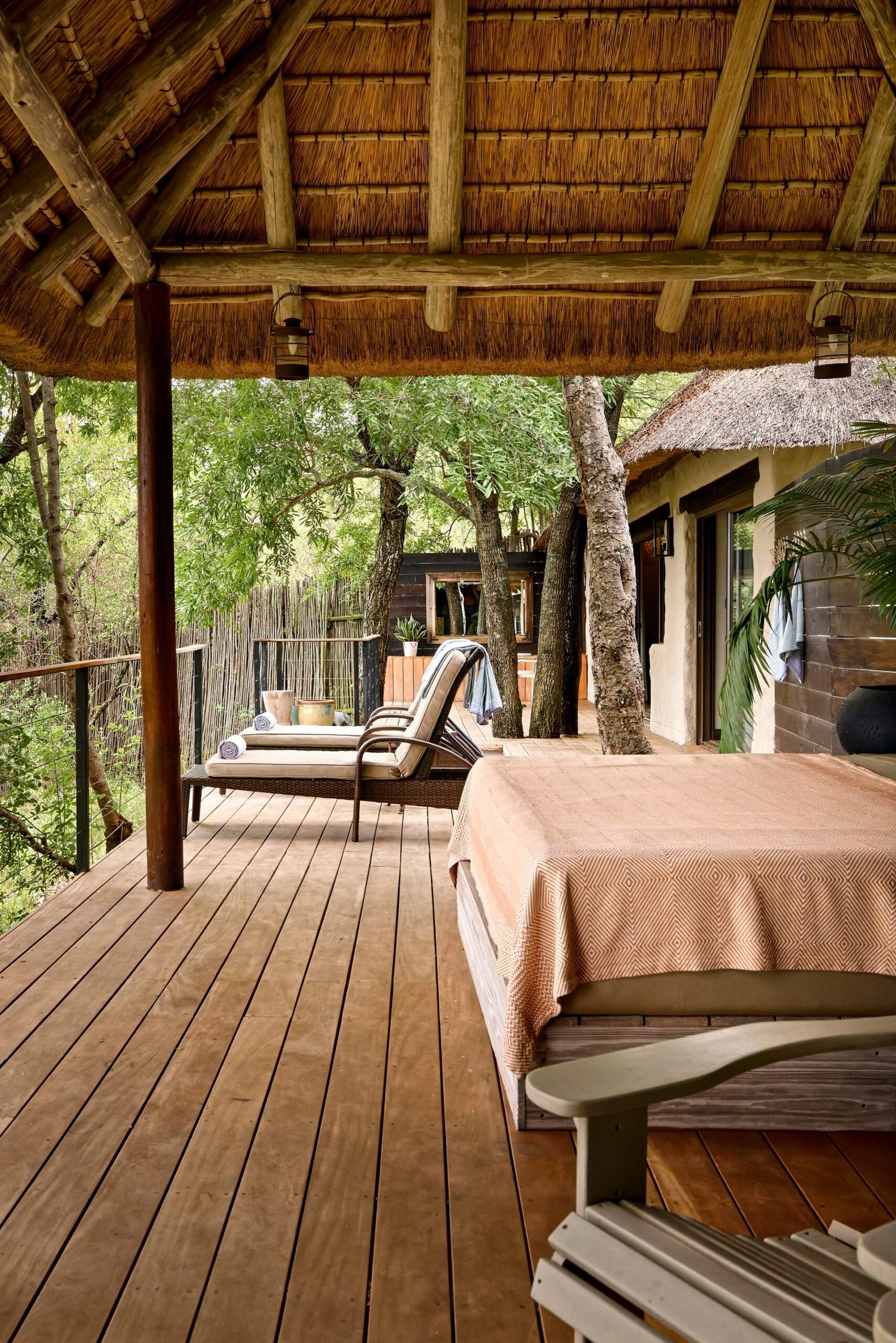
Every good sequence begins with a sense of place. The first image sets expectations: it tells the viewer what kind of space this is, what mood governs it, and where they are standing. In exterior work, this is often the establishing shot, the one that situates the building in its landscape or street. In interior photography, the opening frame might be a view through an entry, a threshold that promises more without revealing everything.
What matters is restraint. The opening image should not be the most saturated or dramatic one in the set. It should invite rather than overwhelm, offering enough context to orient the viewer and enough mystery to carry them forward.
Establishing the Frame of Reference
Scale, orientation, and tone are all established early. If the first few images read cool and quiet, a warmer frame later will land with greater effect. If the opening shot shows a long horizontal view, a tight vertical detail becomes a deliberate change of rhythm. The early images build a vocabulary the rest of the sequence can draw upon.
Pacing and the Rhythm of Scale
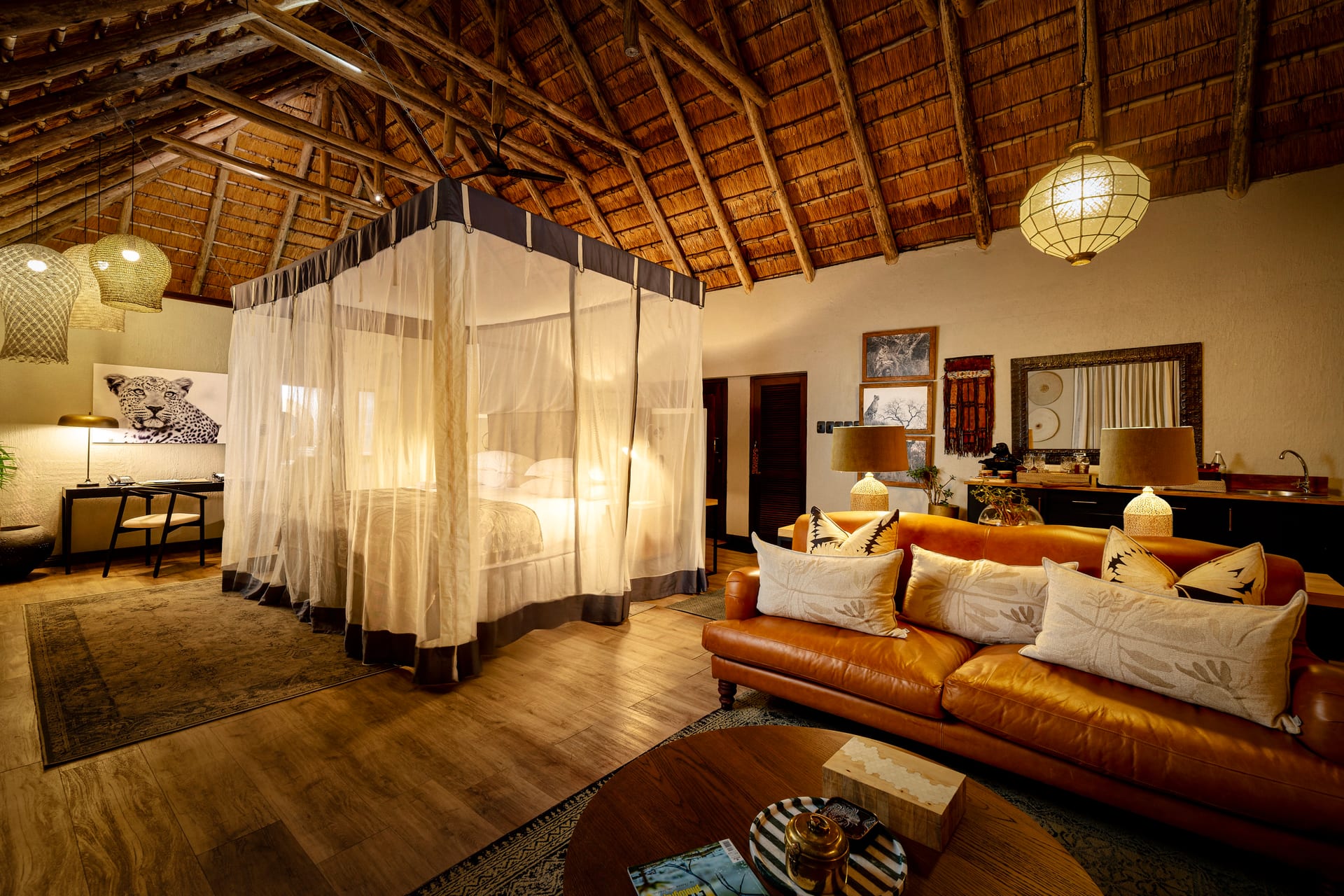
A well-ordered gallery breathes. It alternates between wide and close, between the room and the detail, between the full composition and the small decision. This variation is not decoration; it reflects how we actually perceive spaces. We take in the whole, then our attention settles on a joint, a material, a line of light across a wall.
A sequence built entirely from wide shots feels flat and inventorial, as though documenting furniture placement rather than conveying atmosphere. A sequence built entirely from details feels fragmentary, denying the viewer the context they need to assemble a coherent picture. The craft lies in the interval between.
- Open wide to establish the room and its proportions.
- Move closer to reveal how materials meet and surfaces are finished.
- Return to a medium view that connects the detail back to its setting.
- Shift to an adjacent space to extend the sense of movement.
This cadence gives the eye somewhere to rest and something to anticipate. It is the difference between a slideshow and a story.
Continuity Across the Set
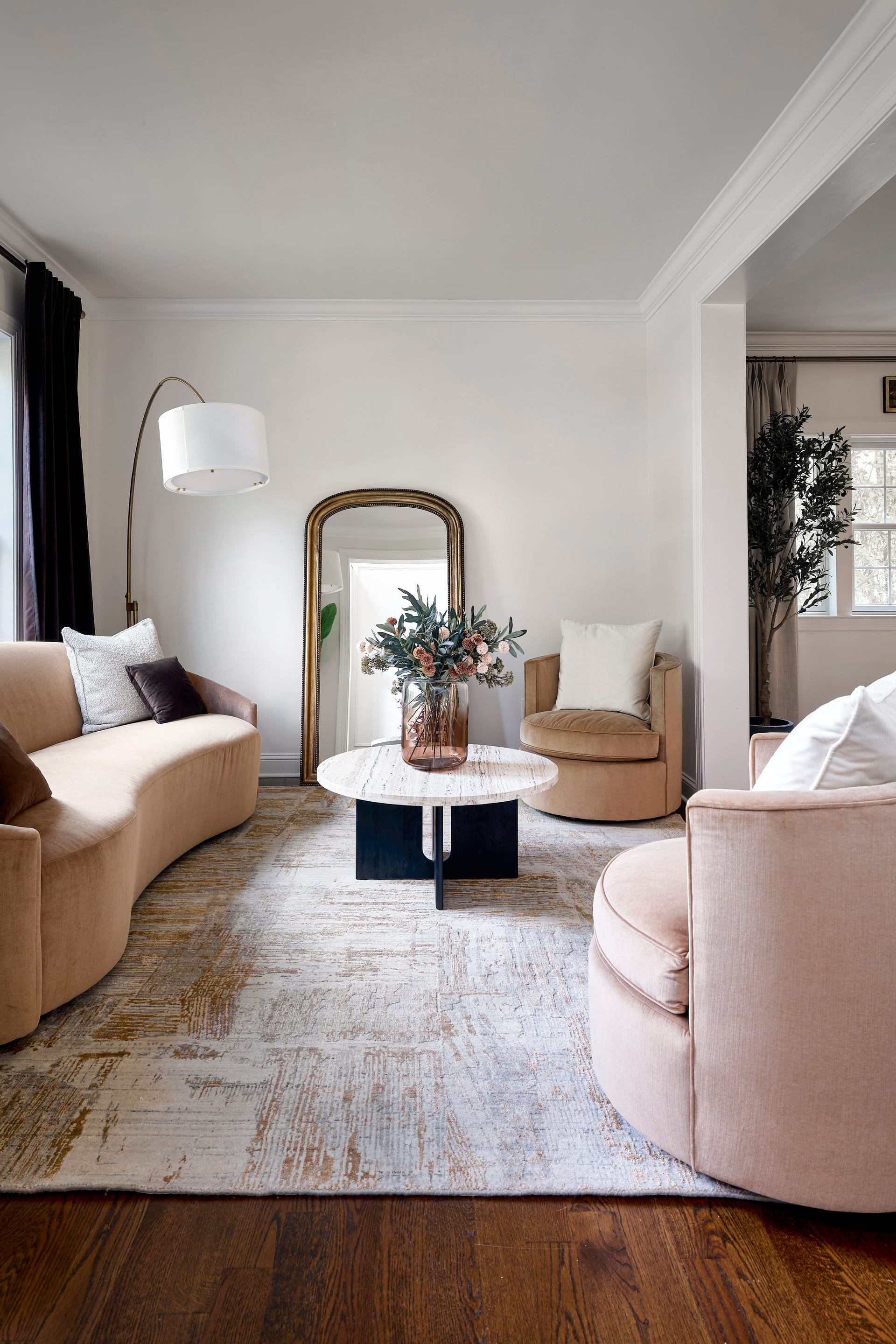
For a sequence to read as a whole, the images must share a consistent language. Light direction, color temperature, and height of vantage should feel related from frame to frame. When one image is warm and golden and the next is flat and overcast, the break in continuity pulls the viewer out of the experience. They notice the photography instead of the space.
This is largely a matter of planning. Photographing a project across a single arc of light, or carefully matching conditions across a shoot, keeps the set coherent. In practice it means thinking about the gallery as a unit before the first exposure is made, understanding which rooms need morning light and which come alive in the afternoon, and ordering the day accordingly.
When images contradict one another, the viewer notices the photography instead of the space.
The Role of Transitions
Thresholds, corridors, and stairwells often feel like afterthoughts in a shot list, yet they are the connective tissue of a sequence. A view through a doorway into the next room tells the viewer where they are going. A frame that catches a stair rising out of sight suggests there is more above. These transitional images carry the sense of movement that makes a set feel like a journey rather than a collection.
Building Toward Something
A sequence benefits from a sense of progression. This does not require a dramatic climax, but it does reward intention. Perhaps the set moves from the public rooms toward the private, from daylight toward dusk, from the general to the particular. Perhaps it builds to a single resolved view that gathers the whole project into one frame.
For a boutique hotel, the sequence might trace a guest’s arrival: the facade, the entry, the lobby, the room, the view from the window at the end of the day. For a residence, it might follow the natural rhythm of how the home is lived in. The underlying principle is the same. Order carries meaning, and meaning sustains attention.
Editing With Discipline
The temptation is always to include more. A strong sequence is often defined by what it leaves out. Two similar views of the same room dilute each other; choosing the better one strengthens both the image and the set around it. A gallery that is tightly edited respects the viewer’s time and holds their attention to the end.
When reviewing a set, consider each image in relation to its neighbors rather than in isolation. Ask what each frame contributes that the others do not. If an image repeats information already conveyed, it weakens the rhythm. The goal is a sequence where every photograph earns its place.
- Remove redundant angles of the same space.
- Keep transitions that carry the eye forward.
- Favor variety of scale over quantity of frames.
- Let the strongest image anchor the set without crowding it.
Why the Sequence Matters to Your Work
For design professionals, the sequence is how a project is remembered. A publication editor scans a gallery for narrative before considering any single image. A prospective client forms an impression of a studio from the way its portfolio unfolds. A guest browsing a hotel’s website is persuaded less by one striking photograph than by the coherent world the images build together.
Thinking in sequences means thinking the way architecture itself is experienced: in time, in movement, in relation. It is the discipline that turns a set of competent photographs into a considered account of a space.
If you are preparing to present a project and want that account told with clarity and intention, Matthew Lekker Photography would be glad to begin the conversation.
Add us as a preferred source on Google
Add as preferred source