The Decision Made Before the Shutter
Long before the light is read or the furniture is adjusted, a quieter decision has already shaped the photograph: the choice of lens. In architectural photography and interior photography, focal length is not a technical afterthought. It is a way of seeing. It determines how much of a room enters the frame, how the walls relate to one another, and how a viewer’s eye moves through the space once the image is made.
Design professionals often think of a photograph as a faithful record of a room. In truth, every lens offers its own version of that room. A wide lens and a longer lens standing in the same spot will describe entirely different spaces. Understanding why is the first step toward commissioning images that honor the work rather than distort it.
What Focal Length Actually Does
Focal length governs angle of view. A wide-angle lens gathers a broad sweep of a room into a single frame. A longer lens narrows that view, isolating a portion of the space and compressing the distance between near and far elements. Neither is more honest than the other. They simply tell different truths.
The temptation, particularly in smaller interiors, is to reach for the widest lens available. It fits everything in. It makes a modest room look expansive. But width comes at a cost, and that cost is paid in the integrity of the proportions a designer worked so carefully to achieve.
Every lens offers its own version of a room, and none of them is the room itself.
The Wide Lens and Its Distortions
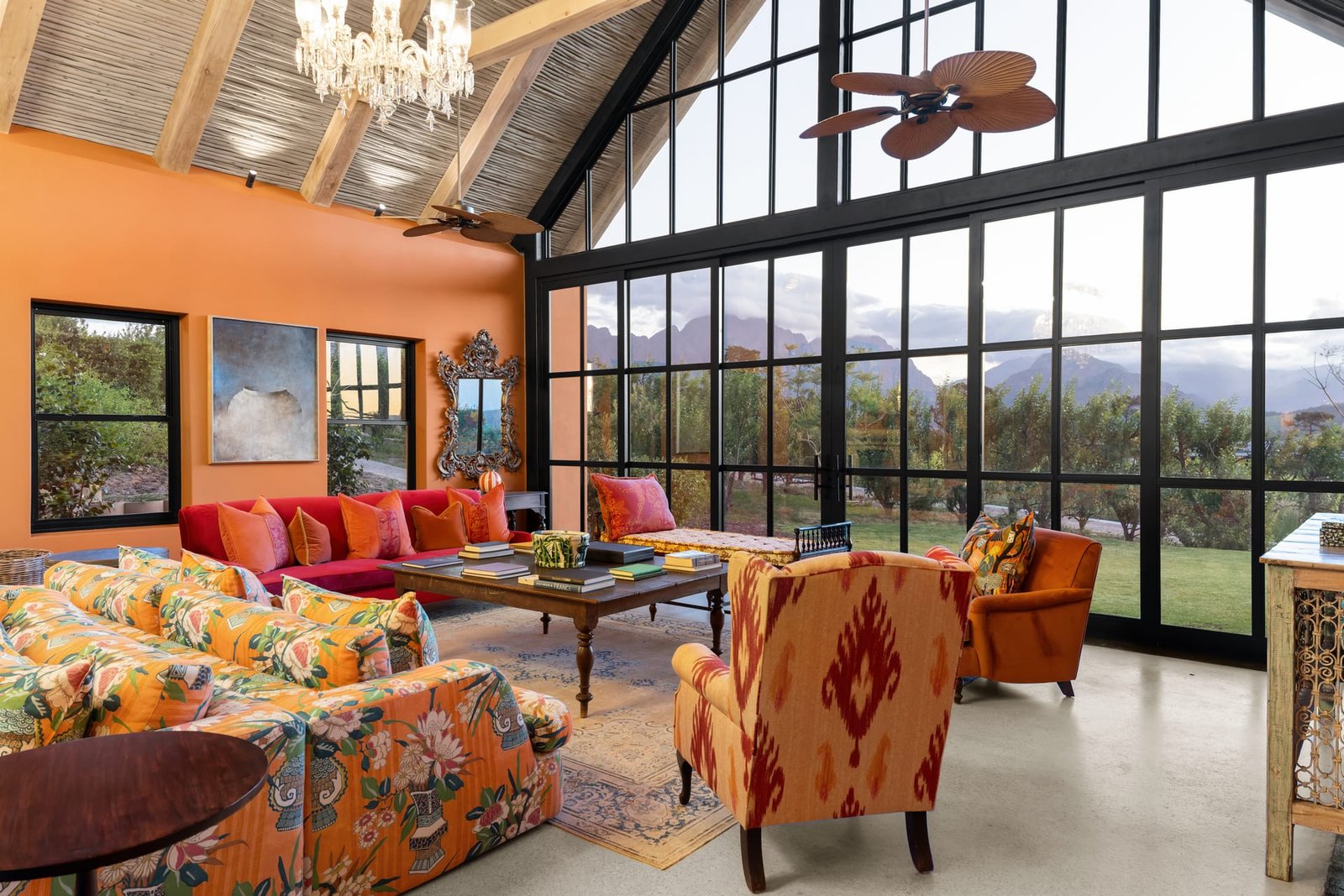
Very wide focal lengths stretch space outward toward the edges of the frame. A sofa placed near the corner of an image appears longer than it is. A hallway seems to recede at an unnatural pace. Ceiling heights exaggerate. The eye registers these effects even when the viewer cannot name them, and the result is a subtle sense that something is off.
This matters enormously for the people who live inside these spaces professionally. A kitchen island that reads as a vast monolith, or a boutique hotel suite that appears cavernous and cold, does the design a quiet disservice. The image may generate interest, but it sets an expectation the physical room cannot meet. For realtors, this gap becomes disappointment at a showing. For hoteliers, it becomes a guest who feels misled before they have unpacked.
The Longer Lens and Its Honesty
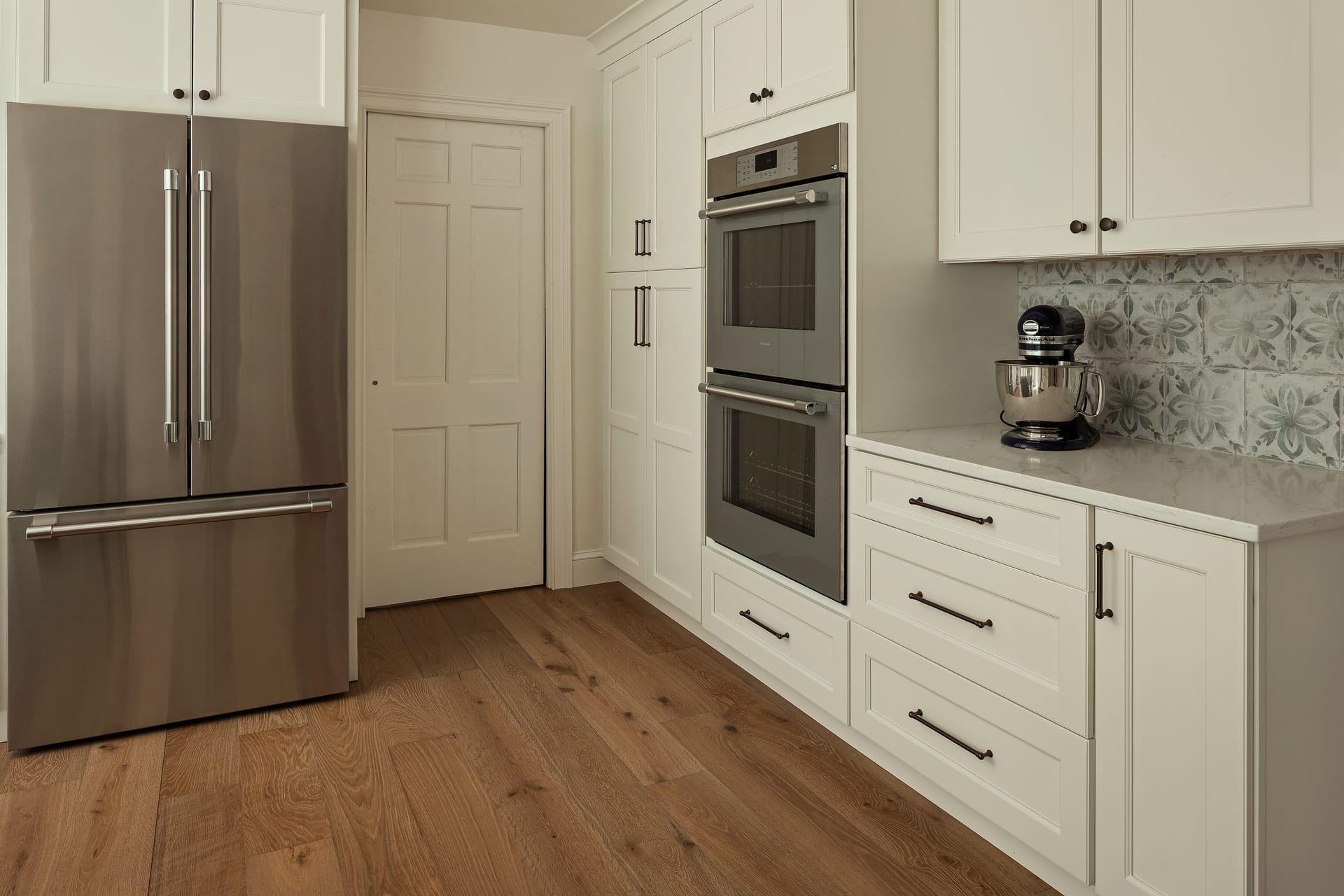
A moderate or longer focal length behaves more like human vision. Proportions settle. Furniture sits in correct relation to the architecture. The compression that comes with a longer lens can also be a gift: it draws distant elements closer, layering foreground and background into a composition that feels considered and calm.
The trade-off is coverage. A longer lens sees less, which means the photographer must choose what to include with more discipline. This is rarely a limitation. It is an invitation to compose rather than to catalog, to make an image about something specific rather than about everything at once.
Matching Lens to Intention
The right focal length is the one that serves the purpose of the image. A photograph made to document a floor plan has different needs than a photograph made to evoke the atmosphere of a reading corner. Before any lens is mounted, the question worth asking is simple: what is this image meant to do?
- Establishing views that orient the viewer to a whole room often benefit from a moderately wide lens, used carefully and from a considered distance rather than pressed into a corner.
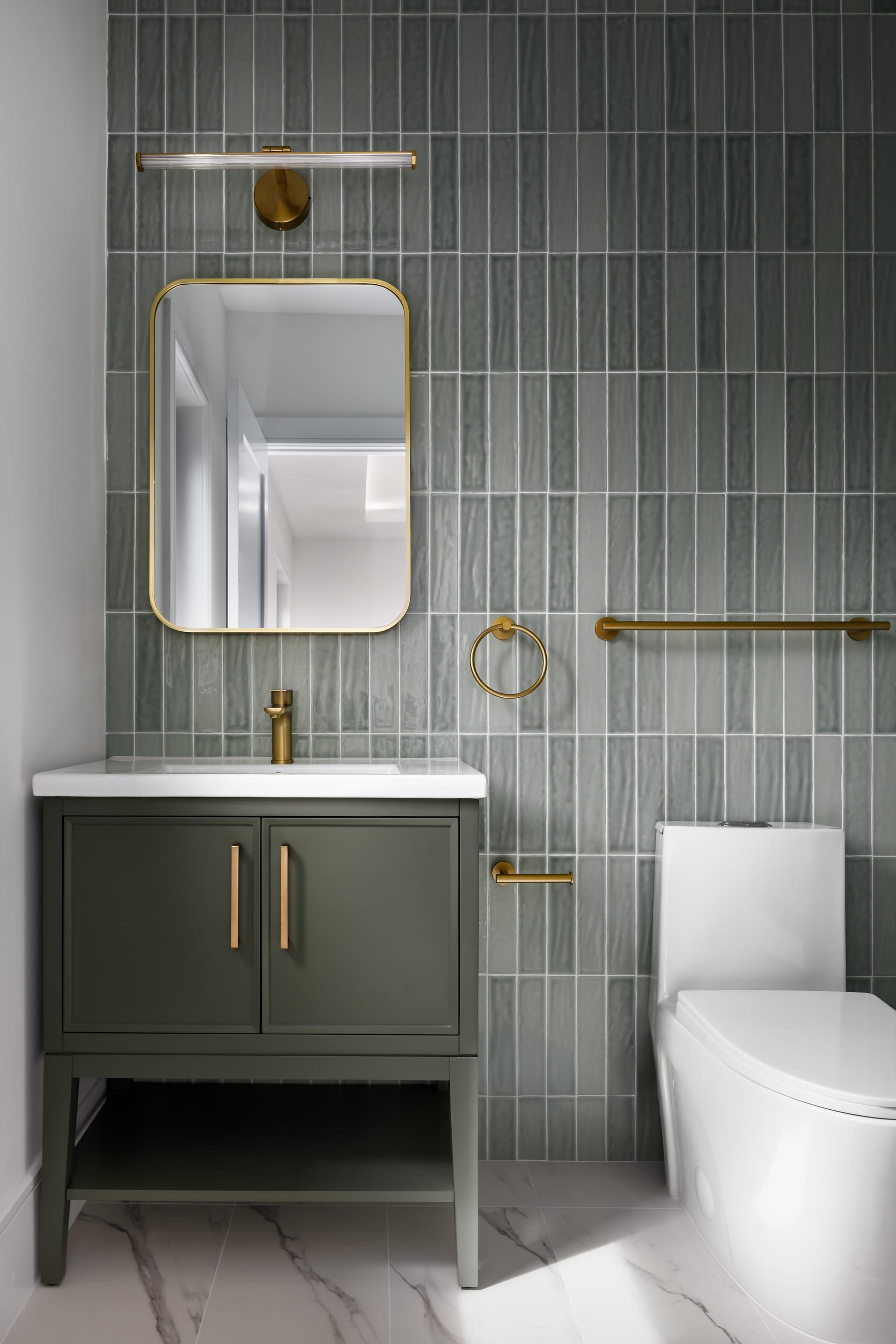
- Vignettes and detail-driven frames that capture a material, a furniture grouping, or the meeting of two surfaces reward a longer focal length that isolates and flatters.
- Exterior architecture frequently calls for lenses that keep vertical lines true, preserving the dignity of a facade without the drama of exaggerated perspective.
A thoughtful photographer carries a range of focal lengths precisely so that each space can be answered with the lens it needs, rather than forced into the lens that happens to be attached.
Distance Is Part of the Equation
Focal length never works alone. Where the camera stands and which lens it carries are two halves of a single decision. Backing away with a longer lens and stepping forward with a wider one can both frame the same amount of a room, yet they produce different images entirely. The longer, more distant approach tends to preserve proportion. The closer, wider approach tends to amplify it.
In practice, this means a photographer often chooses to stand farther back and use a longer lens whenever the space allows, accepting the geometry that gives the truest sense of scale. When a room is tight, the craft lies in managing width without surrendering to it, correcting where correction is possible and composing to minimize where it is not.
Where the camera stands and which lens it carries are two halves of a single decision.
What This Means for Your Project
For architects and interior designers, understanding focal length offers a vocabulary for the conversation that precedes a shoot. If a particular proportion is central to the design intent, say so. If a long sightline is the defining gesture of a space, the right lens can protect it. The more a photographer understands what the work is trying to achieve, the better the lens choices can serve that intention.
For builders and realtors, the practical reward is images that generate genuine interest without overpromising. A home that photographs honestly builds trust, and trust is what moves a property. For hoteliers, honest focal length translates to guests whose first impression in person matches the image that drew them, which is the foundation of a good review before a word is written.
None of this requires technical fluency on the client’s part. It requires only an awareness that the lens is a choice, and that the choice carries consequences for how the work is ultimately seen. The best photographs of a space feel inevitable, as though no other framing were possible. Reaching that sense of inevitability begins with a lens selected for the room rather than imposed upon it.
The Quiet Discipline of Choosing Well
Focal length is one of the least visible decisions in architectural and interior photography and one of the most consequential. It shapes proportion, atmosphere, and the honesty of the final frame. Chosen with care, it allows a space to speak in its own voice. Chosen carelessly, it speaks over the work it was meant to serve.
If you have a project that deserves to be seen in its true proportions, I would welcome the opportunity to discuss it with you at Matthew Lekker Photography.
Add us as a preferred source on Google
Add as preferred source