The Decision Made Before the Shutter
Long before light is measured or an edge is drawn, one decision quietly governs every architectural photograph: where the camera stands. Camera position is the first commitment a photographer makes in a room, and it is the one that cannot be corrected afterward. A frame can be lightened, a color balanced, a stray object retouched. But the vantage point is fixed at the moment of capture, and it determines what the viewer will believe about the space long after they have stopped looking.
For design professionals, this is worth understanding clearly. A space you have labored over does not simply appear in a photograph. It is interpreted through a single chosen position, and that position carries a point of view. The camera does not report a room. It argues for one.
The camera does not report a room; it argues for one.
Why Vantage Point Governs Everything Else
Every other element of interior photography answers to the vantage point. Composition, proportion, the reading of depth, the relationship between foreground and background, the way one material meets another across the frame all follow from where the lens is set. Move the tripod a foot to the left and a hallway opens into an invitation. Move it a foot to the right and the same hallway closes into a wall.
This sensitivity is easy to underestimate. In a room we walk through, we experience space in motion, gathering it from dozens of angles. A photograph must distill all of that into one honest position. The skill lies in finding the vantage point that carries the most truth about the space in a single view.
Height Is Half the Decision
Camera height is often overlooked, yet it shapes a photograph as decisively as its lateral position. Most well-considered interior photography sits lower than eye level, frequently between forty and fifty inches from the floor. This is not arbitrary. A lower vantage point keeps vertical lines convergent in a controlled way, gives furniture its proper weight, and preserves the sense of a floor plane receding naturally into the room.
Raise the camera too high and rooms flatten, tabletops become empty planes, and the space begins to feel surveyed rather than inhabited. Lower it too far and ceilings loom while floors dominate. The correct height is the one at which the room feels the way it does to a person who belongs there, standing with intention rather than passing through.
The Question of One Wall or Two
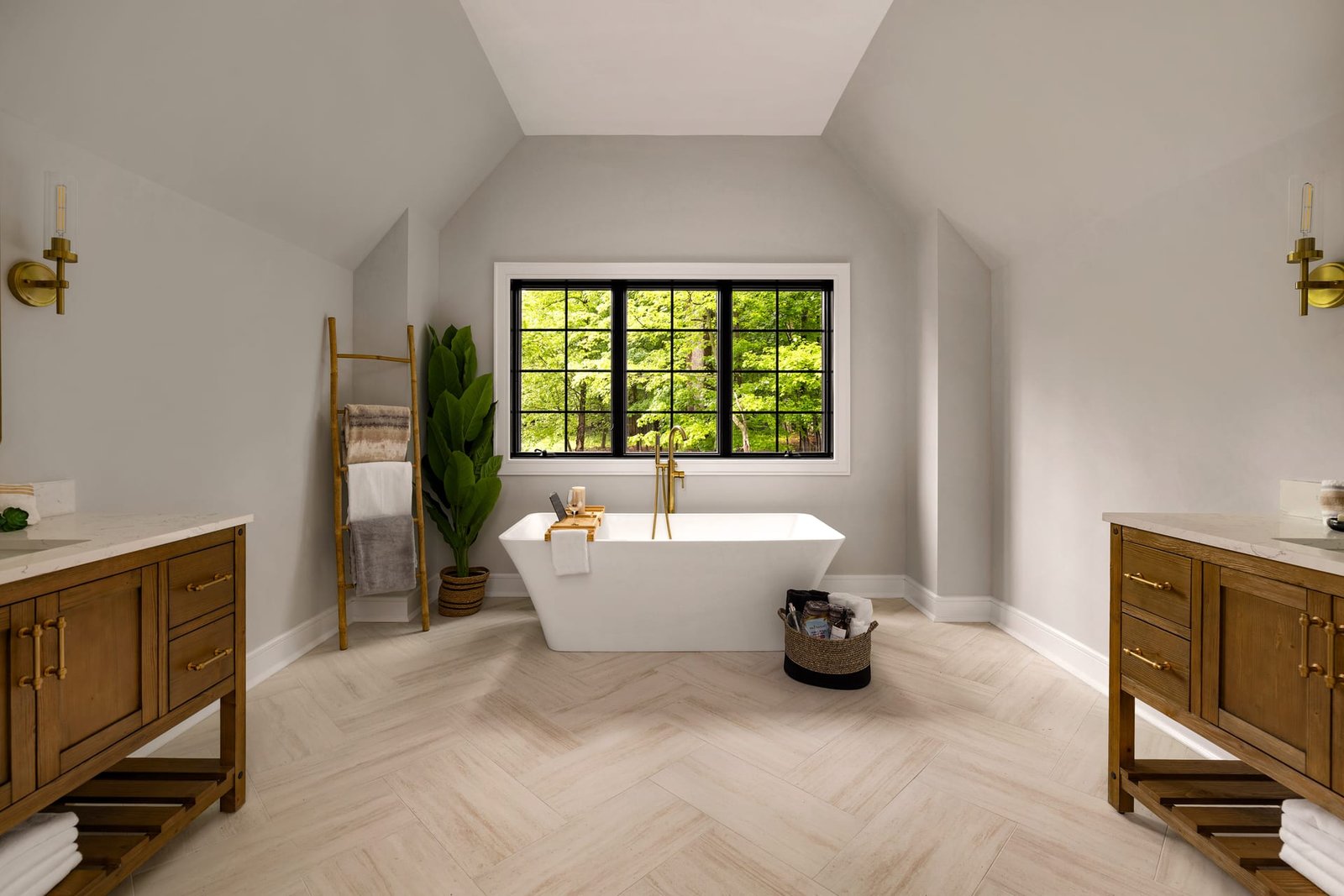
A recurring choice in architectural photography is whether to shoot straight into a single wall or to work from a corner, capturing two walls at once. Each carries a distinct effect.
- A frontal, one-wall vantage point produces calm, symmetry, and formality. It suits rooms with a clear axis, a centered fireplace, or a composition meant to feel resolved and still.
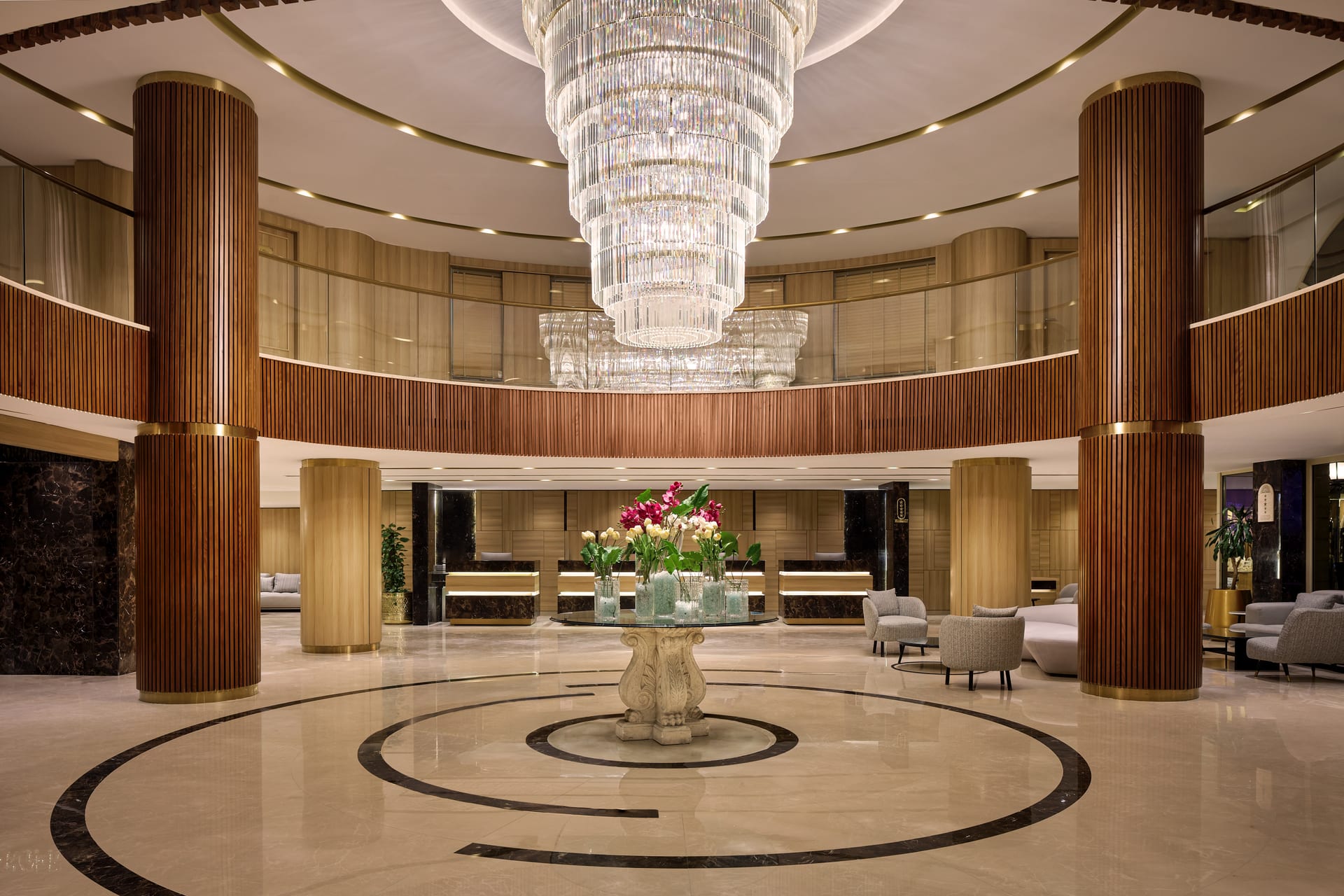
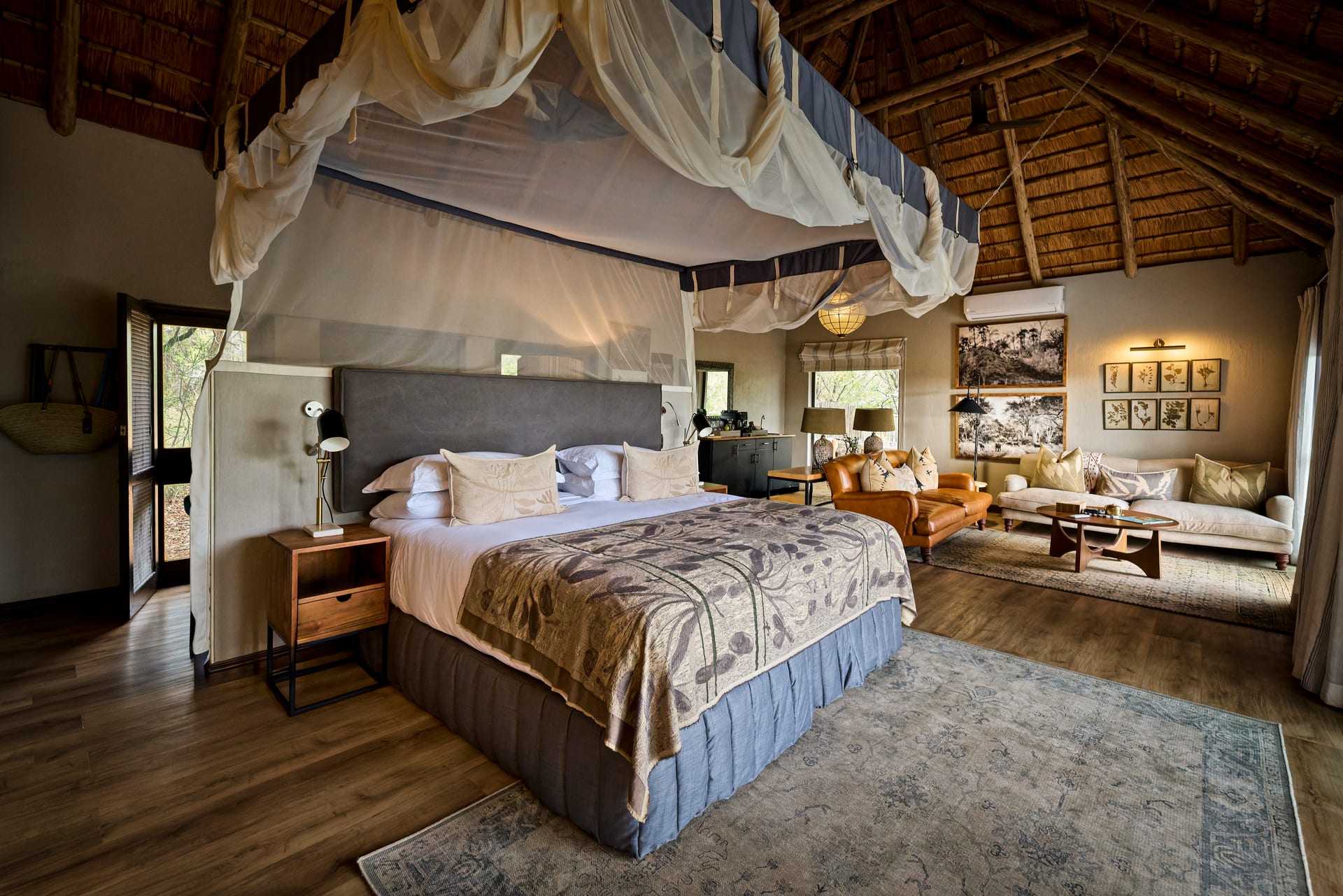
- A two-wall, corner vantage point introduces depth, movement, and dimensionality. It shows how planes meet and how a room turns, which often reads as more dynamic and spatially generous.
Neither is superior. The frontal view honors order; the corner view honors volume. The decision should follow the character of the space and the story the images are meant to tell.
Vantage Point and the Truth of a Space
There is an ethical dimension to camera position that matters especially to builders, realtors, and hoteliers. A vantage point can flatter a room dishonestly, exaggerating a small space with an extreme wide angle from a doorway, or hiding an awkward proportion behind a foreground object. Such images may impress briefly, but they set up a disappointment. A guest, a buyer, or a client who arrives to find the space narrower than it appeared feels quietly misled.
The more durable approach is to find the vantage point that shows a space at its genuine best, without deception. Every room has a position from which it reads most clearly and most generously, where its proportions are honest and its intentions legible. Finding that position is the work.
Every room has a position from which it reads most clearly, and finding it is the work.
Reading a Room for Its Best Position
When entering an unfamiliar space, an experienced photographer moves through it slowly before setting anything down. This is not hesitation. It is the search for the vantage point, and it follows a set of questions that design professionals can usefully understand.
Where does the space want to be seen from?
Most rooms have a natural point of arrival, a threshold or a turn where the composition of the interior first resolves. That instinctive position is often, though not always, the strongest vantage point, because it aligns with how the space was designed to be experienced.
What must be included, and what must be excluded?
A vantage point is defined as much by what it leaves out as by what it captures. The right position includes the elements that define the room, its defining window, its material palette, its spatial logic, while excluding clutter, awkward transitions, or competing focal points that dilute the image.
How does the light behave from here?
Camera position and light are inseparable. A vantage point that faces a window may deliver luminous depth or blown-out glare depending on the hour. One that turns away from the light may render the room flat. The best position balances what the room offers spatially with how light falls across it at the time of the shoot.
The Discipline of Fewer, Truer Frames
There is a temptation, particularly with fast digital capture, to photograph a room from many positions and choose later. In practice, this often produces a set of mediocre frames rather than one considered image. The stronger discipline is to decide on the vantage point deliberately, commit to it, and refine everything within it.
For interior photography and architectural work alike, a handful of images made from carefully chosen positions will always serve a portfolio better than a large set made without conviction. Each frame should feel inevitable, as though the space could not have been shown any other way.
What This Means for Your Project
When you commission photography of a building or interior, the vantage points chosen become the definitive record of your work. They are how the project will be judged by future clients, publications, and peers who will never stand in the room themselves. Understanding that the camera position is a considered argument, not a neutral capture, changes how you collaborate with a photographer.
The best results come from a shared attention to where the camera stands, informed by your knowledge of why the space was designed as it was, and by the photographer’s sense of how it will read as an image.
If you are preparing to document a completed space and want each image made from its truest vantage point, I would welcome the conversation at Matthew Lekker Photography.
Add us as a preferred source on Google
Add as preferred source