The Question Behind the Schedule
Before a lens is chosen or a tripod set, one decision quietly shapes the entire result: when to photograph. The time of day determines the angle of light, the temperature of color, the length of shadow, and the mood a space will carry into the finished image. In architectural photography and interior photography alike, timing is not a logistical afterthought. It is a creative decision made hours before the shutter is pressed.
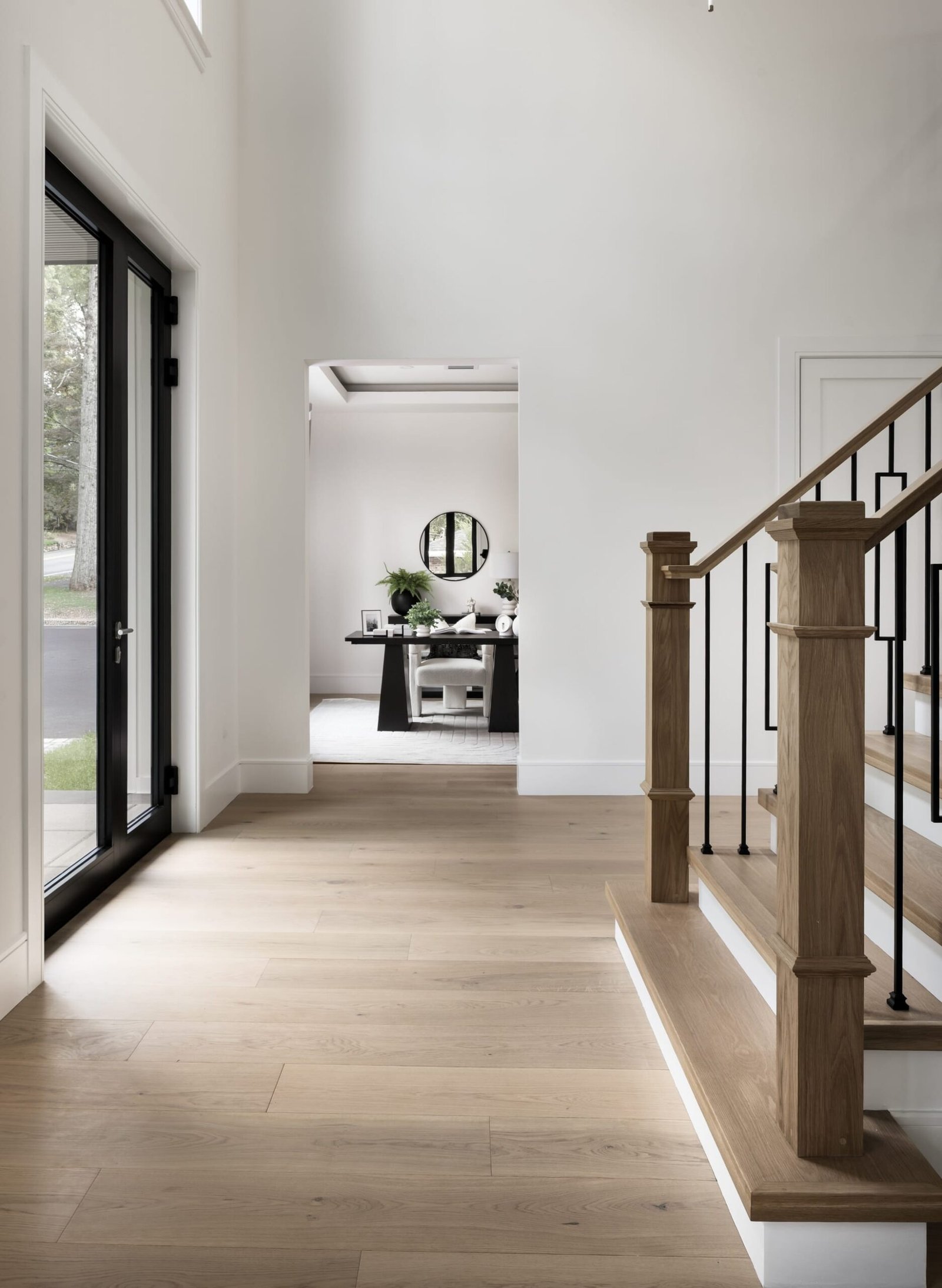
Design professionals often think first about the space itself: how it is furnished, how it is styled, how clean the glass is. All of this matters. But a beautifully prepared room photographed at the wrong hour will read as flat, cold, or unconvincing. The same room, caught when its light is generous, needs almost nothing else.
Every room has one hour when it looks most like itself, and the work is learning to find it.
How Light Moves Through a Building
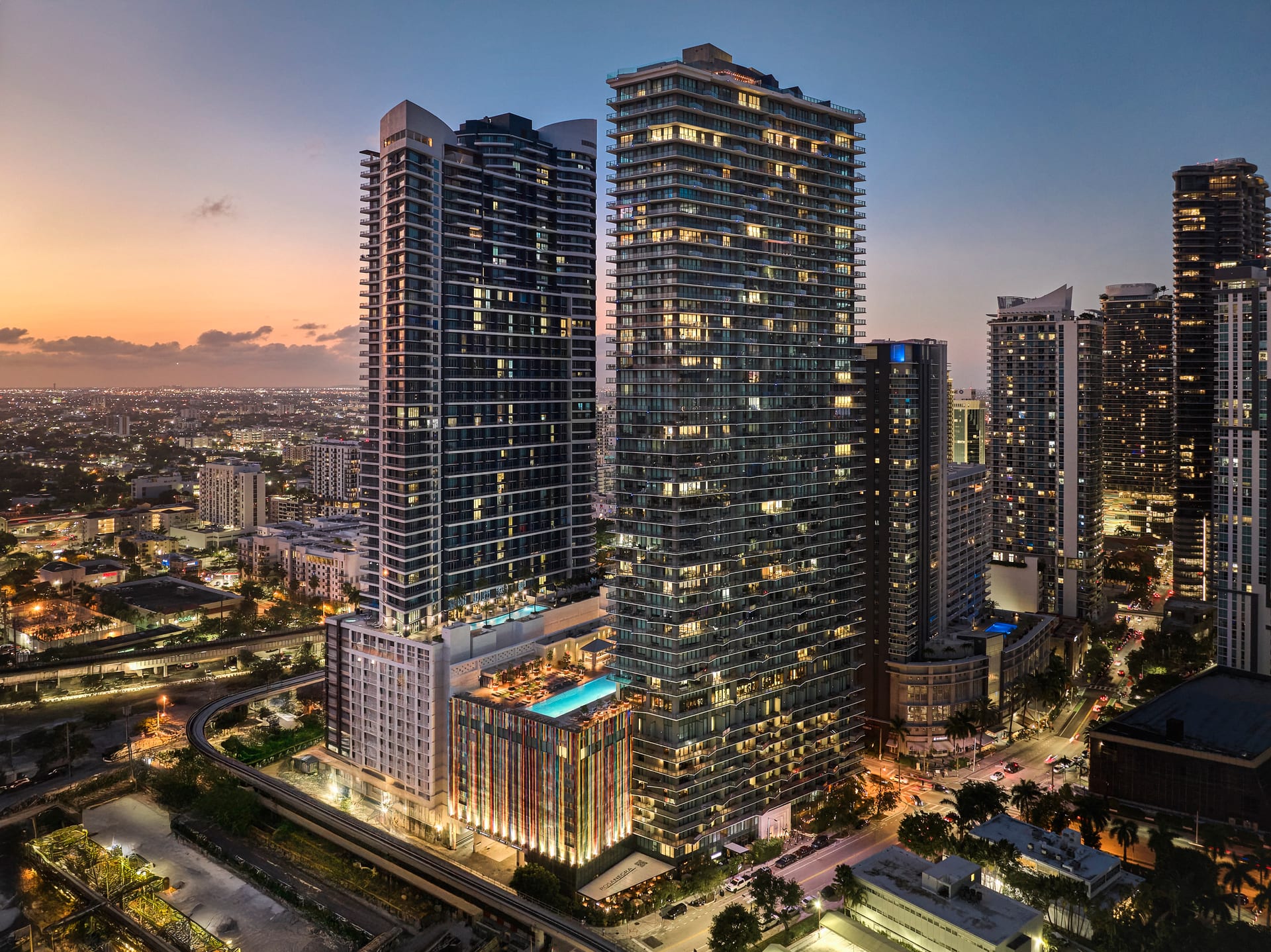
A building is not static across a day. Sunlight travels, and each room receives it differently depending on orientation, window size, and the depth of the plan. An east-facing bedroom is luminous at breakfast and quiet by afternoon. A west-facing living room holds its best light late, when the sun lowers and pours across the floor. A north-facing studio never receives direct sun at all, which is precisely why artists prize it: the light is even, soft, and unchanging.
Understanding this movement is the first step toward scheduling a shoot with intention. Rather than treating a property as a single location to be captured in one pass, it helps to see it as a sequence of rooms, each with its own moment of readiness.
Reading Orientation Before Arrival
Much of this can be planned in advance. A floor plan and a compass, or a simple sun-path application, will reveal how light enters a space long before anyone arrives with a camera. For a full shoot, the goal is to build an order of operations: photograph each room when its light is at its best, moving through the building the way the sun does.
- East-facing spaces early, while the light is direct and warm.
- South-facing spaces through the middle of the day, when they are brightest.
- West-facing spaces in the afternoon and toward evening.
- North-facing spaces at almost any hour, taking advantage of their steady, diffuse quality.
The Hours That Serve Interiors
Interior photography rarely benefits from harsh midday sun striking directly through glass. Strong beams create blown highlights, deep shadows, and a jarring contrast that no camera reads gracefully. The most flattering interior light is often indirect: bright sky filling a room without a hard sunbeam cutting across it. This is why overcast days, so often lamented, can be a quiet gift indoors. The light becomes a soft, wraparound source that reveals color and material honestly.
When direct sun is desirable, and sometimes it is, for the drama of a cast rectangle on a timber floor, it should be treated as an intentional element rather than an accident. A single shaft of light landing where the composition wants it can make an image. The same shaft falling across a face-height mirror or a screen will undo it.
The Value of the Slow Morning
There is a practical case for beginning early. Morning light tends to be cleaner and more predictable, the air clearer, the interior undisturbed. For occupied homes and boutique hotels, the early hours also offer stillness: no guests, no traffic, no shifting activity to work around. A space photographed before the day has crowded into it carries a calm that is difficult to recover later.
The Hours That Serve Exteriors
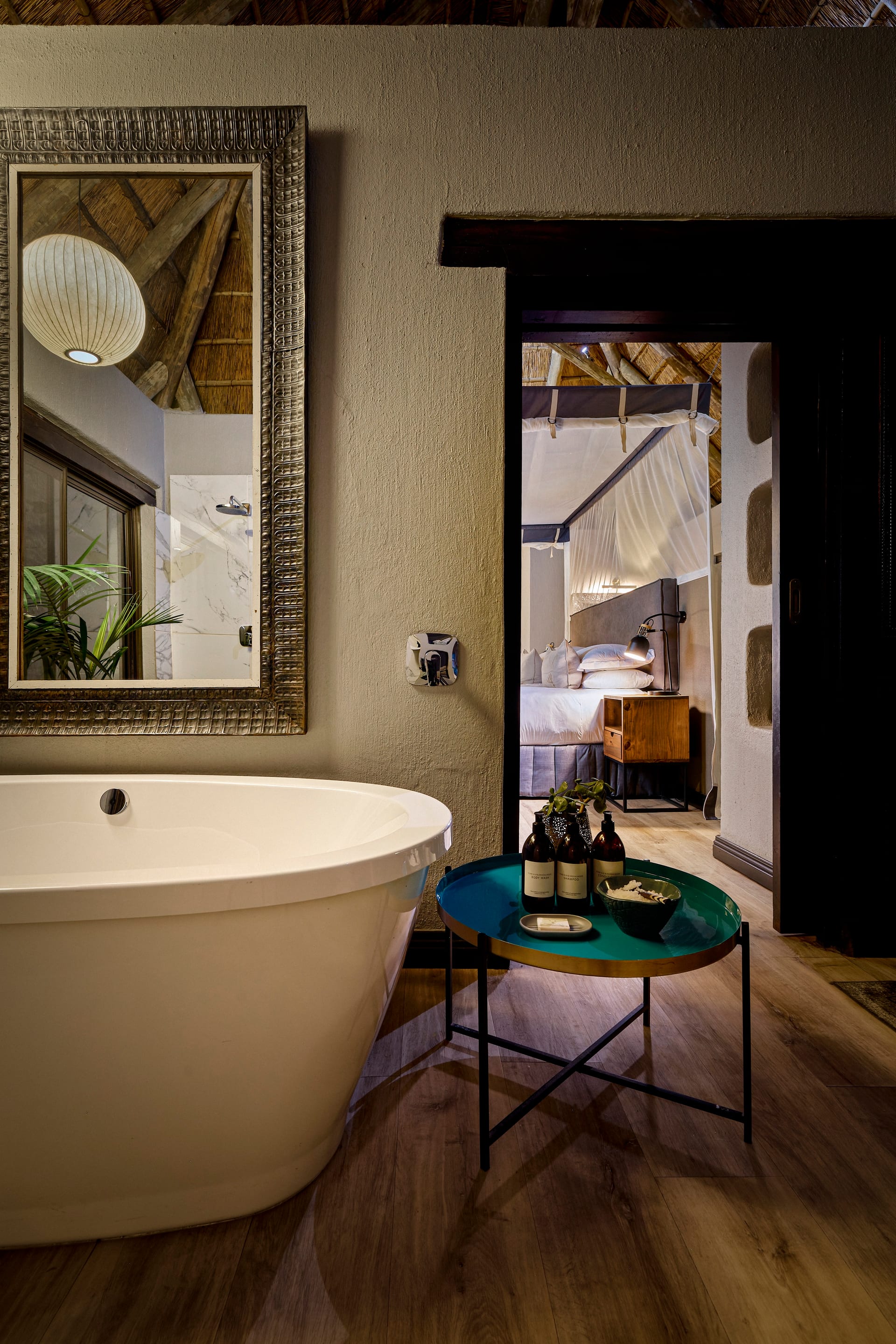
Exteriors follow a different logic. The flat overhead light of midday tends to erase the very forms an architect worked to shape. Facades look dimensionless, materials lose their grain, and the building recedes into its surroundings. The low, raking light of morning and late afternoon does the opposite: it grazes across surfaces, drawing out texture, revealing depth, and giving the structure its weight.
Choosing between morning and afternoon for an exterior usually comes down to which face of the building matters most and where the sun will be to light it. A north-facing entrance in the northern hemisphere may never receive flattering direct light, which changes the strategy entirely and may push the best image toward the blue softness after sunset.
Light does not simply illuminate a building; it decides whether the building has form at all.
When the Space Dictates the Hour
Not every decision is the photographer’s alone. Some spaces have a defining moment written into their design. A restaurant conceived for candlelit evenings should not be photographed as a bright daytime room; that image would misrepresent what the designer built. A sunroom exists to be seen full of sun. A hotel bar earns its atmosphere after dark. In these cases, the right time of day is the one the space was made for.
This is where conversation with the design professional becomes essential. The photographer needs to understand the intended experience of the space, its rhythm of use, and the mood it is meant to hold. A room photographed at the hour it was designed to be inhabited will always feel more truthful than one caught at a merely convenient time.
Balancing Interior and Ambient Light
The times around dawn and dusk offer a particular opportunity: a window in which the light outside and the light inside reach a natural balance. Interior lamps glow warmly, windows retain detail rather than blowing to white, and the whole image settles into equilibrium. These windows are brief, often only twenty or thirty minutes, which is why they must be anticipated rather than discovered.
Building a Shoot Around Time
For architects, interior designers, and hoteliers commissioning a full set of images, the practical takeaway is this: the schedule is part of the creative brief. A shoot planned around light will always outperform one planned around convenience. This may mean starting before sunrise, breaking through the harsh middle hours, and returning as the light softens. It may mean two visits rather than one.
The reward is a body of work in which every image looks inevitable, as though the space could not have been photographed any other way. That sense of rightness is not luck. It is the result of asking, early and carefully, when a space looks most like itself, and then arriving at exactly that hour.
To plan a shoot around the light your spaces deserve, I invite you to get in touch with Matthew Lekker Photography.
Add us as a preferred source on Google
Add as preferred source