Before the Camera Arrives
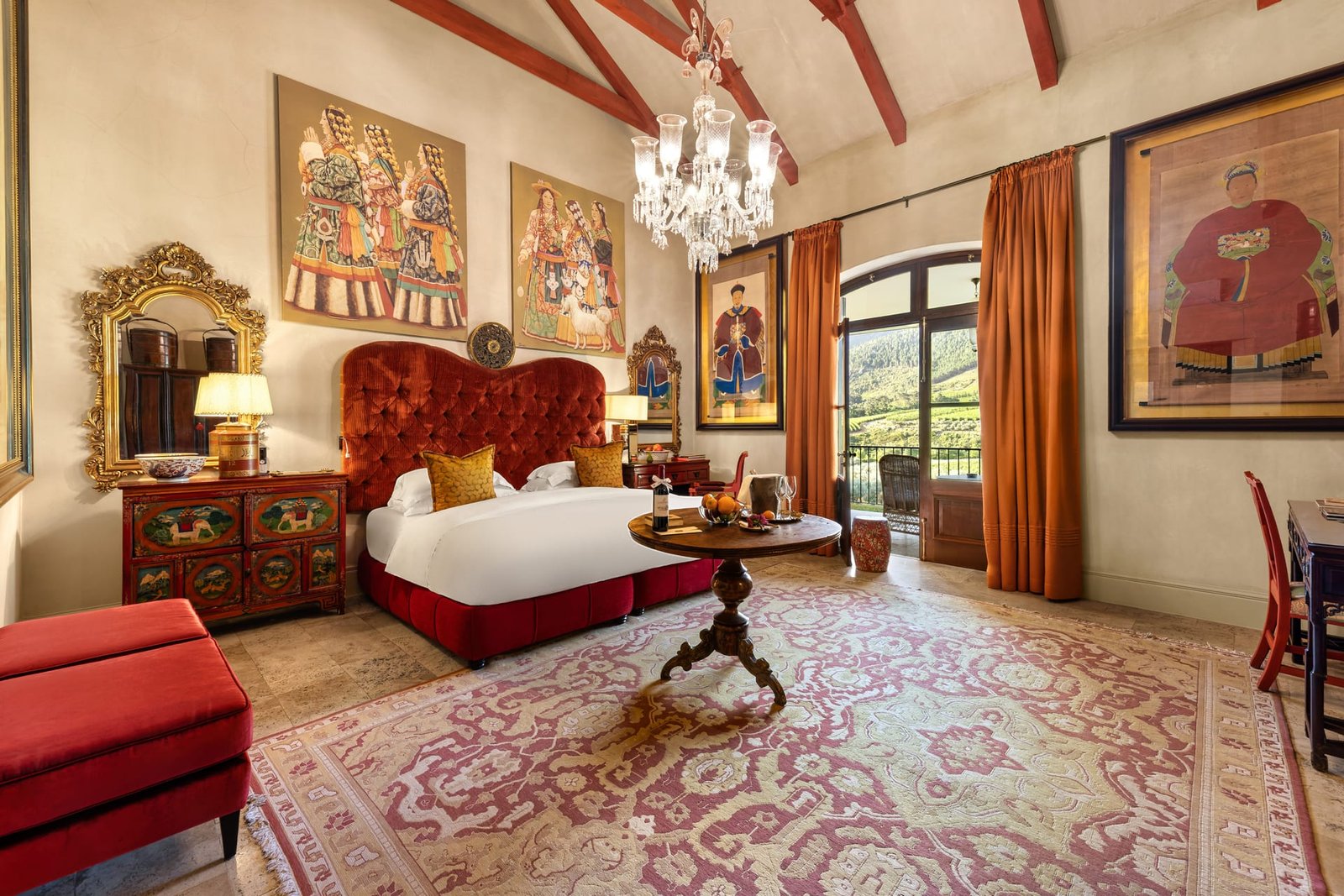
Every photograph of a room is, in part, a record of decisions made before the shutter ever opened. The camera is honest to a fault. It gathers everything in front of it with equal attention: the considered arrangement of a sofa and the forgotten charging cable behind it. In architectural photography and interior photography alike, the hour spent preparing a space often determines more about the final image than any choice made afterward.
For architects, interior designers, builders, and hoteliers, this is a quietly important idea. A space you know intimately can hide small distractions from your own eye. You have stopped seeing the thermostat on the feature wall, the tangle of cords beneath the console, the slightly crooked stack of books. The camera has not. Preparation, then, is less about dressing a room to deceive and more about clearing away the noise so the design can speak plainly.
The camera is honest to a fault, gathering the considered arrangement and the forgotten cable with equal attention.
What Staging Really Means
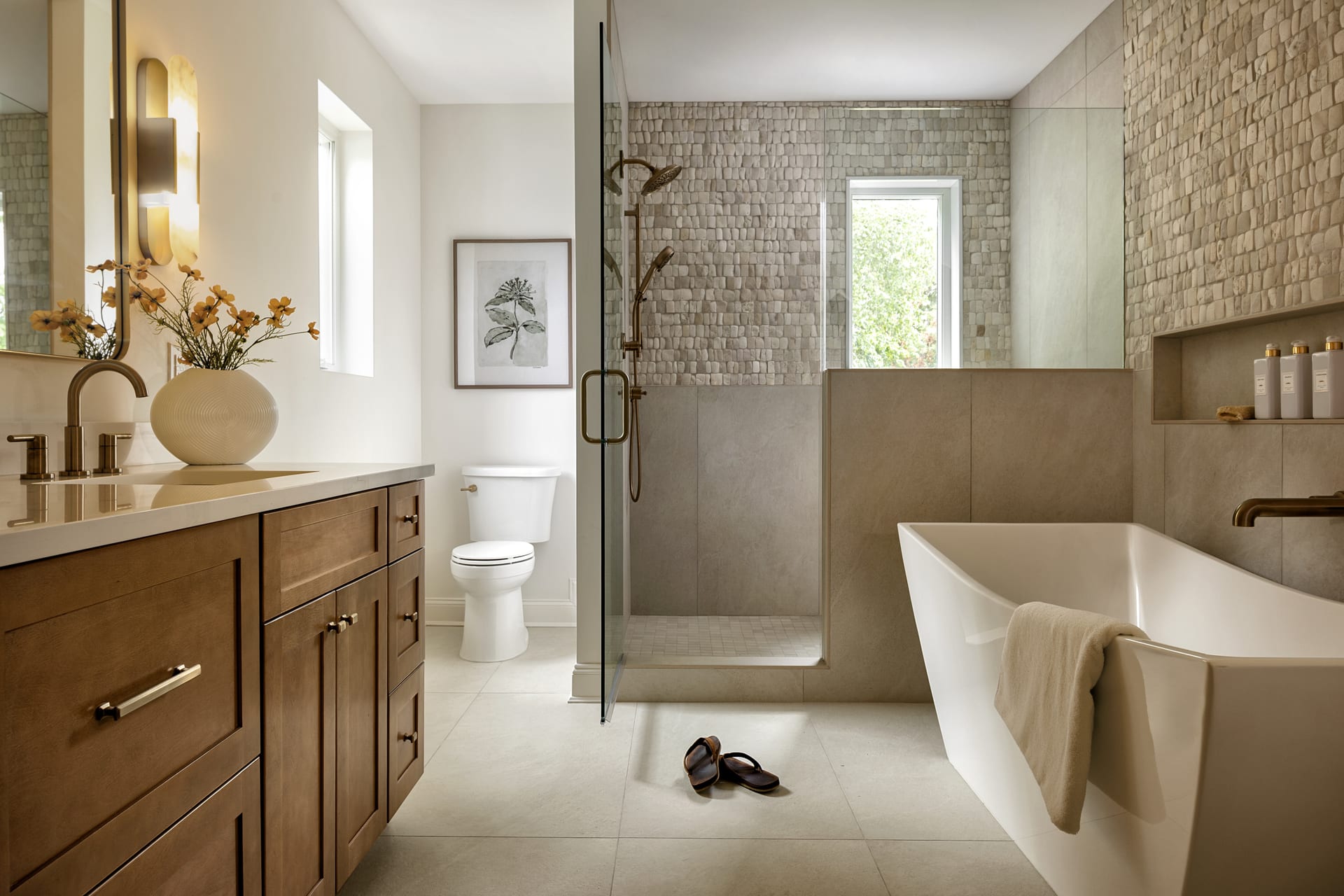
There is a difference between staging and styling, and it is worth keeping the two distinct. Styling adds: a bowl of fruit, a folded throw, a branch in a vessel. Staging, in the sense that matters most before a shoot, is often about subtraction. It is the discipline of removing what does not belong so the intended composition can be read without interference.
The most photogenic spaces are rarely the most heavily dressed. They are the ones where every visible element has a reason to be there. A well-prepared room feels calm because nothing in it competes for the viewer’s attention. That calm is what allows the architecture to hold the frame.
The Case for Restraint
Design professionals sometimes assume that more props will make a space feel richer on camera. In practice, the opposite is usually true. A surface crowded with objects flattens in a photograph, and the eye finds no place to rest. A single considered object on a clean plane reads with far more confidence. When in doubt, remove one more thing than feels comfortable, then look again.
A Practical Checklist
Preparation benefits enormously from a shared understanding between the photographer and the design team. The following is a starting point, adaptable to any interior, that helps a space arrive at its best on the day.
- Clear all everyday clutter: remotes, cables, tissue boxes, cleaning supplies, and personal items unless they serve a specific narrative.
- Address the small hardware that dates or distracts, from adhesive notes to visible warning labels on new furniture.
- Clean glass, mirrors, and polished surfaces thoroughly, as reflections magnify every smudge.
- Check that all light fixtures use matching, working bulbs of a consistent color temperature.
- Straighten what should be straight and soften what should be soft: level frames, plumped cushions, considered folds.
- Confirm that greenery is healthy and that any cut stems or flowers are fresh.
None of this is glamorous work. Much of it is the same care a good host extends before guests arrive. But it is precisely this attention that separates a competent image from a memorable one.
Reading the Space Through the Lens
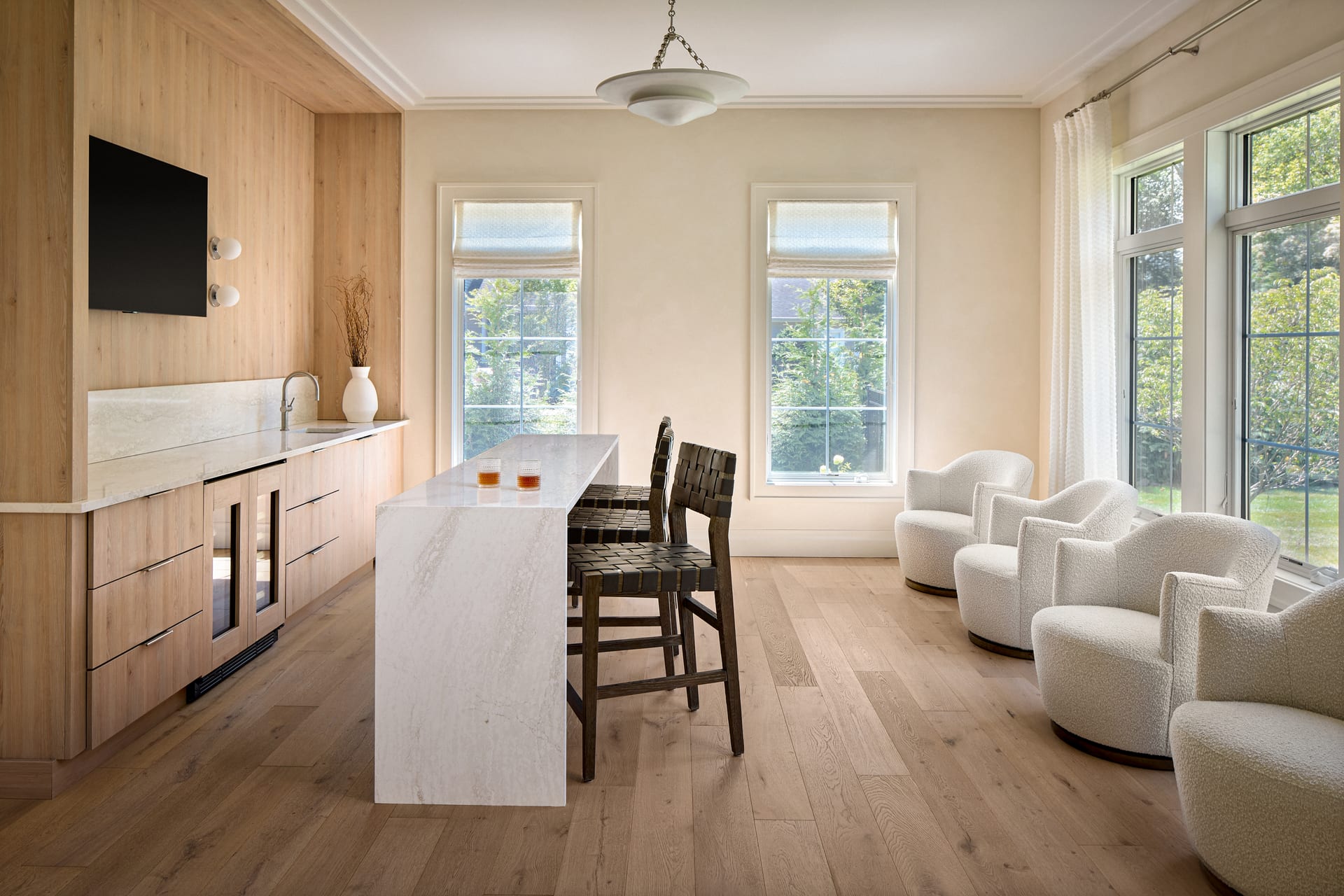
One of the quiet advantages of working with a photographer is that the camera offers a second, disciplined pair of eyes. A room can look resolved when viewed from the doorway and reveal an entirely different set of problems through a fixed frame. The line of a table might clip awkwardly against a window. A chair might block a sightline that gives the space its depth.
This is why the most productive shoots involve preparation that continues throughout the day rather than ending when the first frame is captured. Each composition asks its own questions. A cushion that reads well in a wide shot may need repositioning for a tighter view. The best results come when the design professional and the photographer treat staging as an ongoing conversation, adjusting the space to serve each specific image rather than one general idea of the room.
A room can look resolved from the doorway and reveal an entirely different set of problems through a fixed frame.
The Half-Life of a Perfect Arrangement
A styled space does not hold indefinitely. Cushions settle, light shifts, and the room slowly relaxes back toward its lived-in state. This is a reason to work with intention and sequence, staging each area fully as it comes into frame rather than attempting to hold an entire property in pristine condition for hours. A photographer who understands this will plan the day’s movement through a building accordingly, capturing spaces while they are at their sharpest.
Staging for Different Audiences
The right level of preparation depends on who the images are ultimately for. A hotel marketing its guest experience benefits from a sense of warmth and occupancy: a book resting open, a coffee set for two, the suggestion of a life being lived well. A builder documenting a completed project may want the opposite, a clean and neutral record that lets prospective clients project their own vision onto the space.
For realtors, the balance is subtle. Rooms should feel welcoming and cared for without appearing so specifically decorated that a buyer cannot imagine themselves there. The goal is aspiration tempered by openness. Interior designers, meanwhile, usually want the fullest expression of their intent, every material and pairing shown at its considered best.
Understanding the purpose of the images before staging begins prevents wasted effort and disagreement on the day. A brief conversation about audience and use often does more to shape a successful shoot than any amount of last-minute rearranging.
The Long View of Preparation
It can be tempting to treat staging as a chore to be rushed, a hurdle before the real work of photography begins. In truth, it is part of the photography. The image and the preparation are inseparable, two halves of a single act of care. A space that has been thoughtfully readied gives the photographer room to concentrate on light, composition, and timing rather than firefighting distractions in the frame.
For design professionals, this is also an investment in how the work will be remembered. Photographs outlast the project itself. They become the portfolio, the marketing, the record by which the work is judged long after the last invoice is settled. An hour of preparation is a small price for images that continue to earn their place for years.
The most enduring interior photography and architectural photography share this quality: they feel effortless, as though the space simply looked that way. That effortlessness is always the product of effort, most of it made before the camera was ever raised.
If you are preparing a space for the camera and would value a considered eye on the process, Matthew Lekker Photography would be glad to talk through your project.
Add us as a preferred source on Google
Add as preferred source