
The Hour That Belongs to the Room
There is a moment, near the beginning and end of each day, when sunlight arrives at a low angle and enters a building sideways rather than from above. Photographers call it the golden hour, though inside a room its effect is quieter and more particular than the term suggests. Rather than flooding a space, this light reaches across floors, climbs walls, and settles into corners that midday sun never touches. For interior photography, it is one of the most generous conditions available, and one of the most fleeting.
Design professionals often think of natural light as a constant backdrop. In practice, it is a moving instrument. The same room reads as flat and administrative at noon and becomes layered, warm, and dimensional an hour before sunset. Understanding this rhythm is the difference between a competent record of a space and an image that carries the feeling of being there.
Why Low Light Flatters Interiors
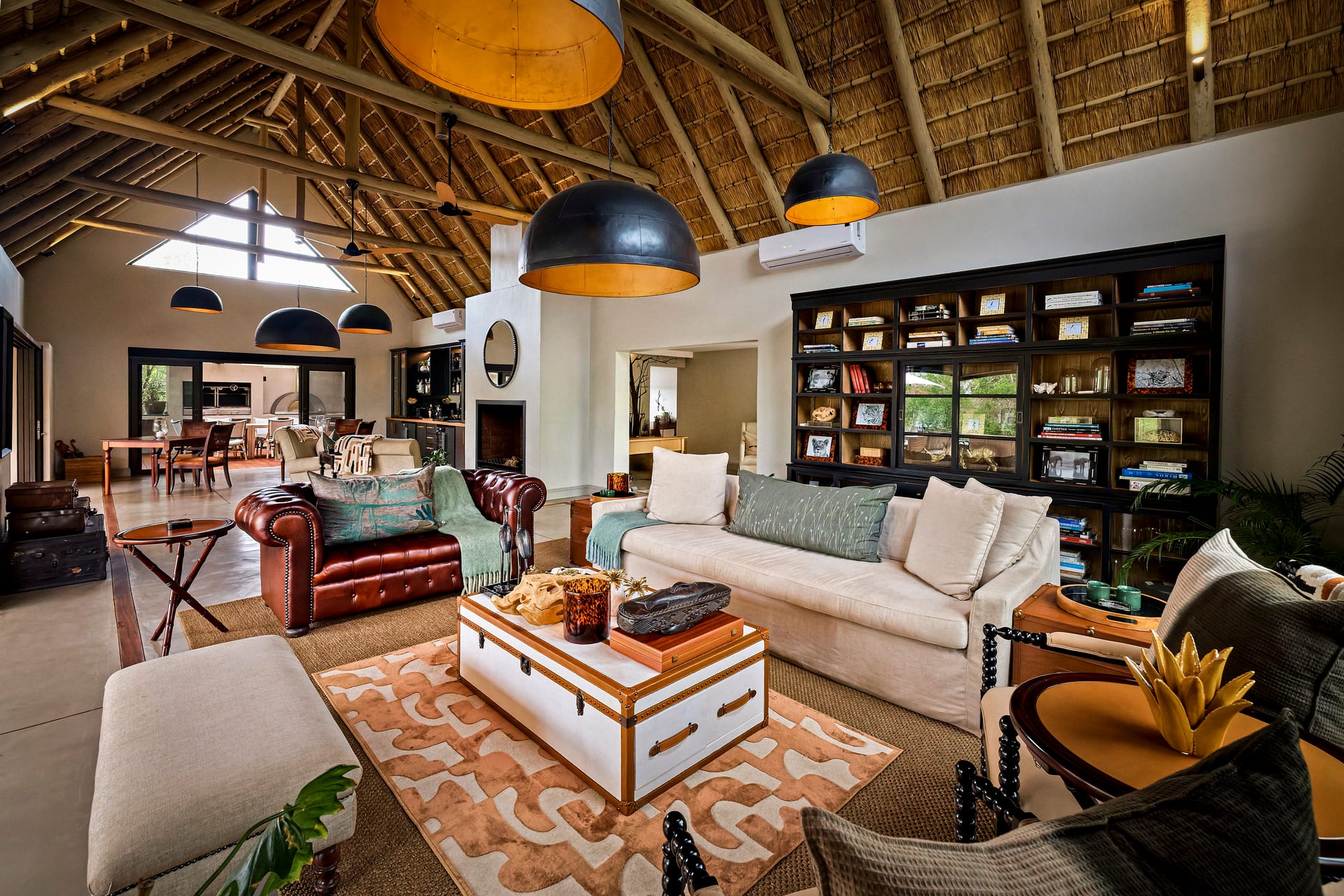
When the sun sits high, light falls vertically and reaches only the tops of surfaces. Countertops brighten, but the fronts of cabinets, the faces of walls, and the vertical planes that define a room stay comparatively dim. The result is a space that looks correct but inert. Low-angle light does the opposite. It travels horizontally, grazing across surfaces and revealing the very qualities that architects and interior designers labour over.
Texture becomes legible. Plaster, timber grain, brushed metal, and woven textile all depend on raking light to show their character. A wall that appears featureless at midday can reveal its hand-troweled finish when the sun crosses it at a shallow angle.
Low light does not merely brighten a room; it interviews every surface it touches and asks each one to speak.
There is also the matter of colour temperature. Golden hour light carries warmth that softens the clinical edge of a space. Whites gain a subtle honey undertone, timber deepens, and shadows fall toward a gentle blue rather than a hard black. For hospitality interiors in particular, this warmth reads as welcome, comfort, and ease, precisely the emotional register a hotelier wants a guest to anticipate.
The Directional Gift
Because the light enters from one side, it creates gradients across the frame. A living room photographed at this hour has a bright edge near the window and a soft falloff toward the far wall. That gradient gives the image depth and guides the eye through the space. Even without changing furniture or camera position, the room simply looks more considered.
Reading a Building Before the Shoot
The golden hour is only useful if it reaches the rooms you intend to photograph. This is where planning separates a productive shoot from a disappointing one. Every building has a relationship with the sun that changes through the year, and the orientation of key rooms determines when they receive that low, directional light.
- East-facing rooms receive the morning version of golden hour, cooler and often quieter, ideal for bedrooms and breakfast spaces.
- West-facing rooms come alive in the late afternoon, with deeper warmth that suits living areas and lounges.
- North and south rooms, depending on hemisphere, may never receive direct low sun and instead rely on soft, indirect daylight, which has its own understated appeal.
A brief visit or a conversation about window orientation before the shoot lets us assign the right room to the right hour. For a full interior, this often means sequencing the day so each space is photographed when its light is at its best, rather than working room by room in the order they happen to appear.
The Weather Variable
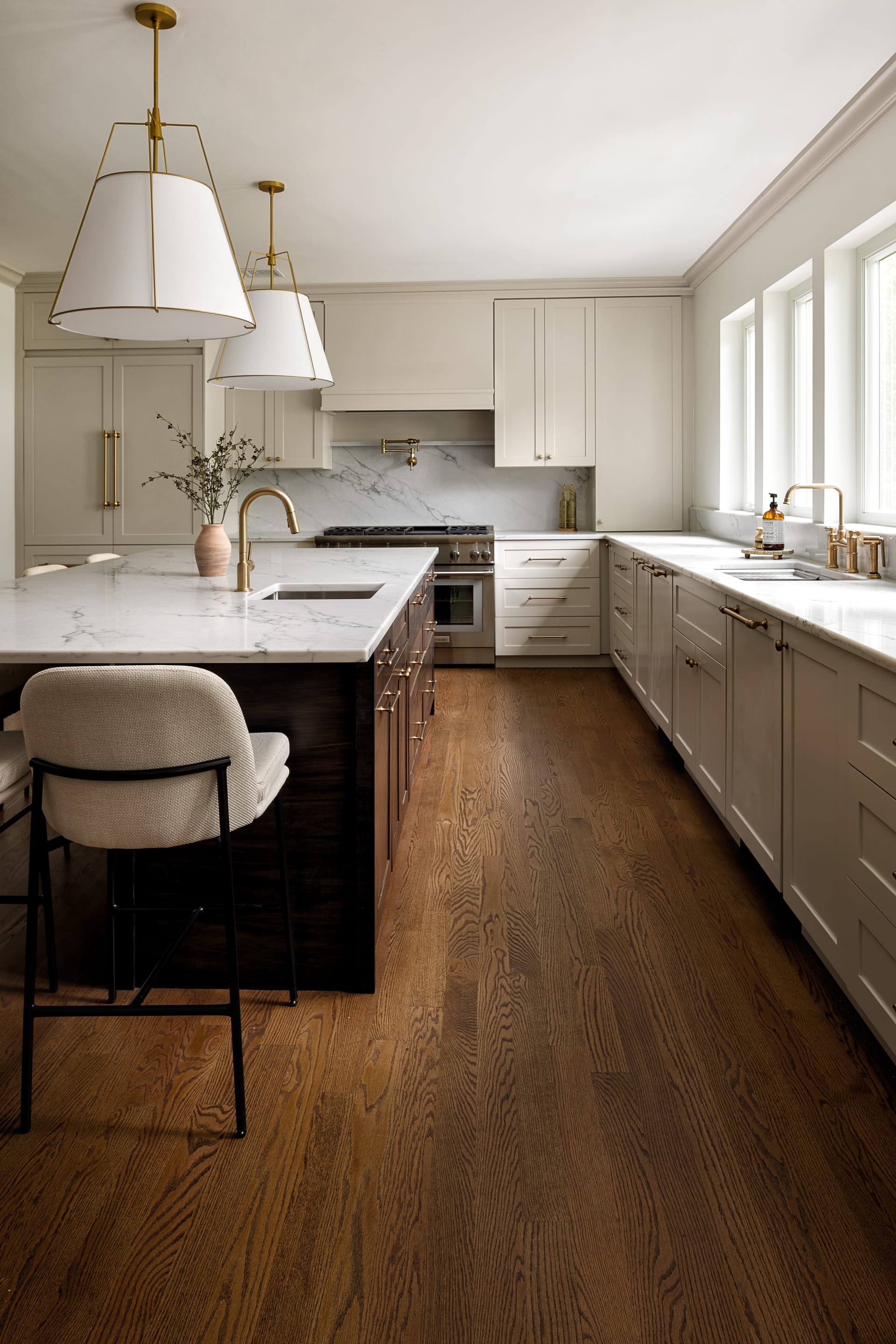
Clear skies produce the crisp, defined shafts of light most people associate with golden hour. A thin overcast, however, can be equally valuable. It diffuses the warmth into a soft, even glow that fills a room without harsh contrast. Neither is inherently better. The choice depends on whether the image should feel dramatic and sculptural or calm and enveloping. Knowing what a space needs, and adjusting to the sky on the day, is part of the craft.
Working Against the Clock
The defining challenge of this light is its brevity. The best conditions may last twenty minutes, sometimes less as the sun drops behind a neighbouring building or a stand of trees. This demands preparation. Compositions are decided in advance, camera positions are marked, and styling is finished before the light arrives. When the window opens, the work is refinement rather than discovery.
The golden hour rewards those who arrive early and treats latecomers with indifference.
This is also why a considered shot list matters more here than in almost any other condition. There is no time to reconsider the entire approach mid-session. The photographs that will benefit from golden hour are identified beforehand, and the remaining images are captured in the steadier light that surrounds it. A well-run shoot uses the whole day intelligently, reserving the peak minutes for the frames that will define the set.
Balancing Interior and Exterior
One of the most valuable qualities of golden hour is how it balances the brightness inside a room with the view beyond the windows. At midday, a bright exterior often blows out to featureless white while the interior sits in relative shadow. As the sun lowers, that gap narrows. The garden, the street, or the coastline outside becomes visible and legible within the same frame as the interior.
For realtors and builders, this connection between inside and outside communicates something a plan cannot. It shows how a room relates to its setting, how a window frames a view, and how the boundary between architecture and landscape is handled. For hospitality clients, it is often the entire proposition, the sense that a space belongs to a place.
When Not to Chase It
Golden hour is a tool, not an obligation. Some interiors are designed around controlled, artificial light and are better represented that way. Minimalist spaces with deliberate restraint can feel overdressed under strong warm light. And a room with no meaningful access to daylight should not be forced into a condition it does not naturally possess. The goal is always honesty to the design, and sometimes that means photographing a space in the flat, neutral light for which it was intended.
The discipline lies in knowing which spaces are elevated by this light and which are diminished by it. That judgement comes from reading the architecture first and reaching for the light second.
If you would like your next project photographed with this kind of attention to light and timing, we would welcome the conversation at Matthew Lekker Photography.
Add us as a preferred source on Google
Add as preferred source