The Case for Shadow
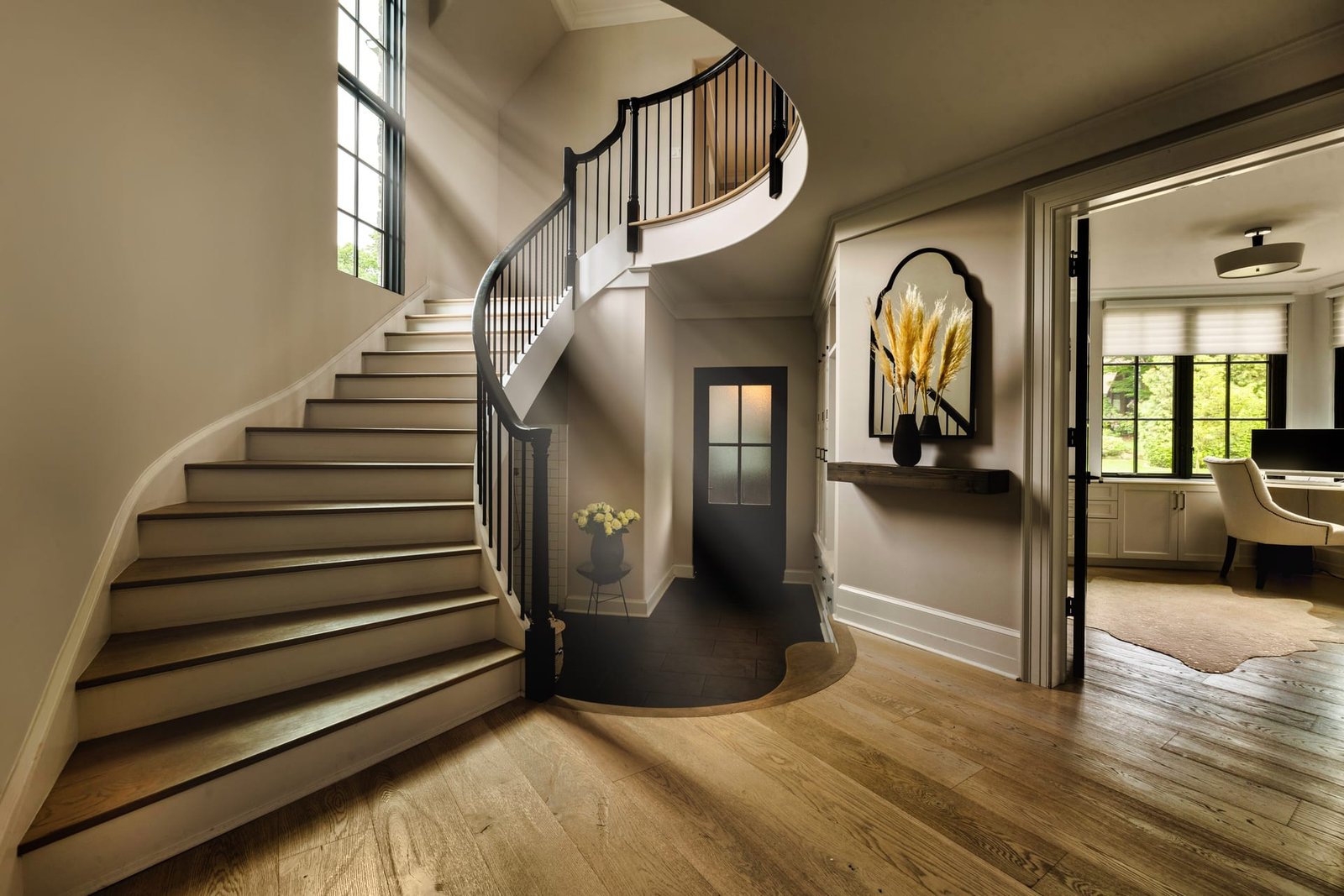
Most conversations about light in architectural photography concern its presence. We speak of where it falls, how warm it reads, whether it arrives soft or direct. Shadow is treated as the byproduct, the thing to manage or minimize. Yet shadow is not the absence of a subject. It is a subject in its own right, and in many photographs it carries as much meaning as the light that defines it.
For design professionals, this distinction matters. A room without shadow reads flat, its surfaces uniform and its volume uncertain. Shadow is what tells the eye that a wall recedes, that a beam projects, that a stair descends. It is the quiet cartographer of every interior, mapping depth onto a two-dimensional frame.
Shadow is not the absence of a subject; it is the quiet cartographer of every interior.
What Shadow Does for a Space
Consider the difference between a room lit evenly from every direction and one lit from a single window. The first flattens. The second sculpts. In interior photography, the goal is rarely to erase shadow but to shape it, so that it explains the architecture rather than obscuring it.
It reveals form
A column, a coffered ceiling, a run of shaker cabinetry, a hand-troweled plaster wall, all of these depend on shadow to read as three-dimensional. Remove the shadow and you remove the evidence of relief. The molding a joiner labored over becomes a line drawing. The texture a plasterer worked by hand becomes a smooth blank. Shadow returns the labor to the surface.
It establishes time
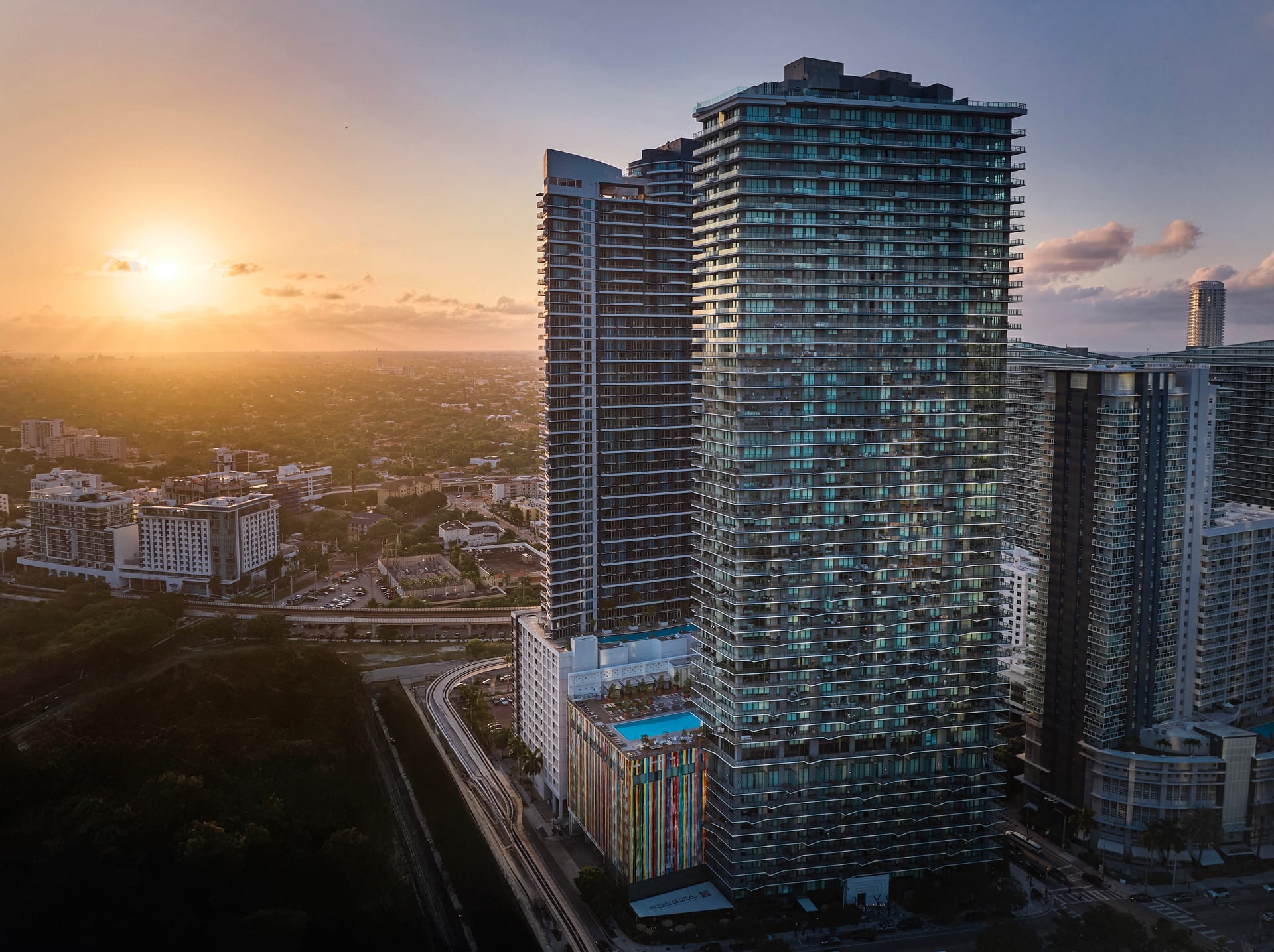
Shadow is honest about the hour. A long, raking shadow across a floor tells us it is early morning or late afternoon. A short, tight shadow beneath a chair speaks of midday. In architectural photography, this is a way to place a building in a lived moment rather than an abstract vacuum. Shadow gives a photograph a sense of when.
It creates hierarchy
A well-placed shadow can subordinate one part of the frame so another can lead. When a foreground falls into shade and a further room glows, the eye travels toward the light. Photographers use this constantly, letting darkness do the work of directing attention that a caption never could.
Hard and Soft: Two Kinds of Absence
Not all shadow behaves the same way, and understanding the difference is essential to controlling the mood of an image.
- Hard shadow comes from a small or distant source, typically direct sun. Its edges are crisp, its contrast high. It is dramatic, graphic, and unforgiving. Hard shadow suits bold architecture, strong geometry, and images that want to feel decisive.
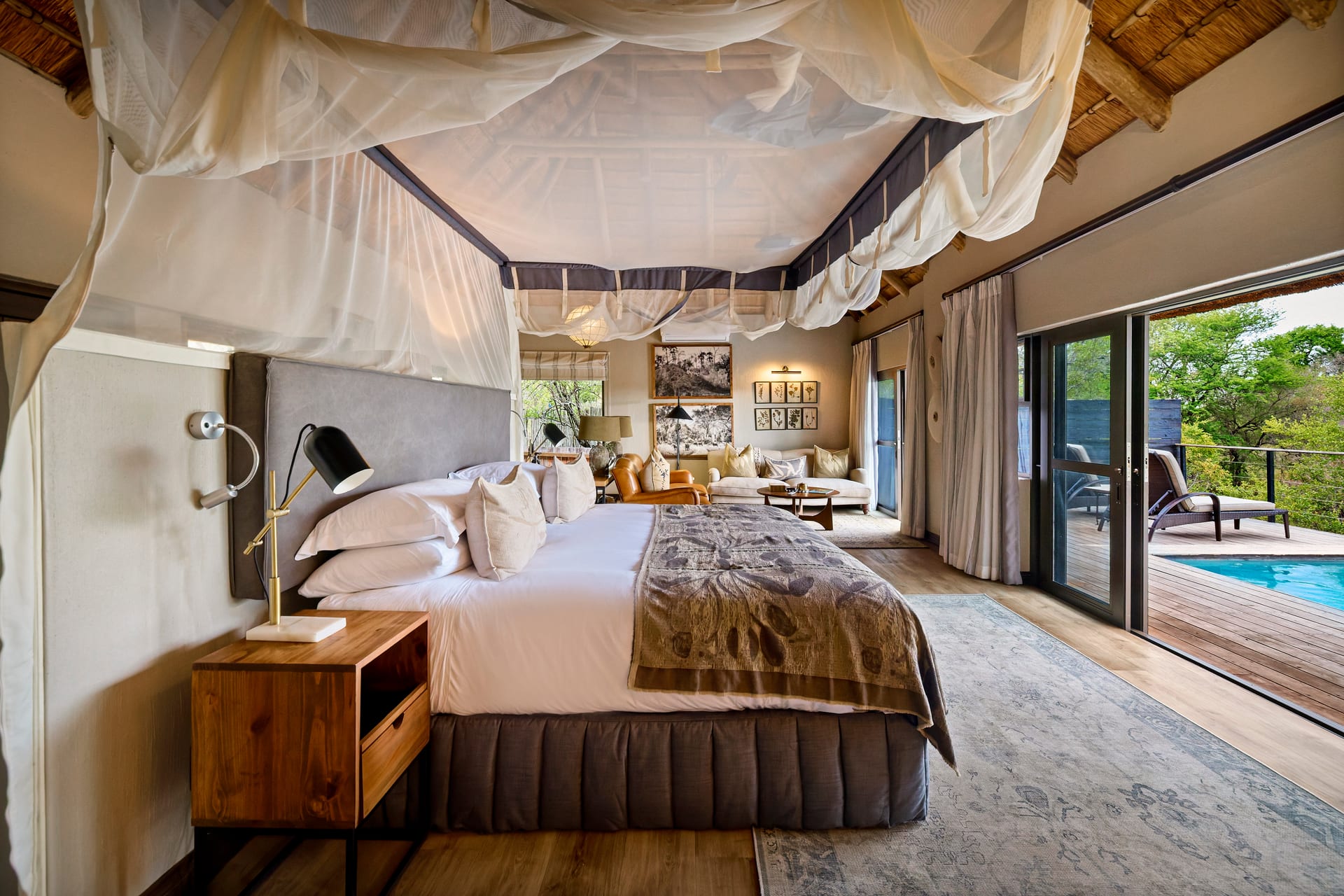
- Soft shadow comes from a large or diffused source, such as an overcast sky or a broad window screened by sheers. Its edges are gradual, its transitions gentle. Soft shadow flatters interiors, materials, and rooms where calm is the intent.
Neither is superior. The choice depends on what the space is trying to say. A concrete civic building may want the discipline of hard shadow. A boutique hotel suite may want the ease of soft shadow settling into the corners. Reading which a space wants is part of the craft.
The Shadow Line as Composition
Beyond mood, shadow is a compositional tool. The boundary where light meets dark, the shadow line, is a drawn element in the frame. It can echo the horizon, reinforce a vertical, or cut a diagonal that animates an otherwise static room.
Watch how a shaft of light lands on a floor. Its edge is a line you can position with the same care you give a doorway or a mantel. Slide the camera or wait for the sun to move, and that line shifts. A photographer who sees shadow lines as compositional partners has more to work with than one who sees only the objects in the room.
The boundary where light meets dark is a drawn element, as deliberate as any doorway in the frame.
When Shadow Goes Wrong
Shadow serves the image only when it is intentional. Left unchecked, it undermines a photograph in predictable ways, and design professionals reviewing proofs should know what to look for.
The muddy corner
When shadow deepens into featureless black, detail disappears. A beautifully specified corner becomes a void. The remedy is not always more light. Often it is a slightly different angle, or a frame timed for when ambient fill lifts the darkness just enough to hold detail.
The competing shadow
A shadow that crosses the hero surface at an awkward moment can fracture the composition. A chair leg throwing a hard line across a rug, or a mullion striping a feature wall, pulls the eye toward an accident rather than the design. These are worth catching on site, not in edit.
The false shadow
Sometimes light equipment introduces shadows the architecture never intended, a lamp casting a second shadow that contradicts the window. Consistency of direction keeps an interior believable. When shadows disagree about where the sun is, the image quietly loses trust.
Working With Shadow on a Shoot
For those commissioning architectural or interior photography, understanding how shadow is handled clarifies why timing and patience matter. A few practical points recur across projects.
- The sun moves, and so does the plan. A shadow that ruins a frame at ten may perfect it at two. Photographing a building often means sequencing rooms to the sun rather than to convenience.
- Overcast is not a lost day. Diffused light produces gentle, even shadow that flatters materials and interiors. Some spaces photograph best under a soft sky.
- Fill is a decision, not a default. Adding light to open a shadow should be a considered choice. Sometimes the shadow is the point, and filling it flattens the very depth that made the room compelling.
- Contrast is set at capture. The relationship between highlight and shadow is best judged on site, where it can still be shaped, rather than rescued afterward.
Seeing Differently
The most useful shift for anyone working alongside a photographer is to stop seeing shadow as a problem to eliminate. In the finest architectural and interior photography, shadow is where the drama lives. It gives weight to a wall, breath to a room, and honesty to a material. It is the half of light that makes the other half legible.
Next time you walk a space you have designed or built, watch the shadows rather than the objects. Notice how they gather in the reveals, slide across the floor, and pool beneath the furniture. That is the structure a camera will find, and the more you understand it, the more you can shape a photograph before it is ever taken.
If you would like to discuss how considered light and shadow might serve your next project, we would be glad to hear from you at Matthew Lekker Photography.
Add us as a preferred source on Google
Add as preferred source