
The Question of Who Belongs in the Room
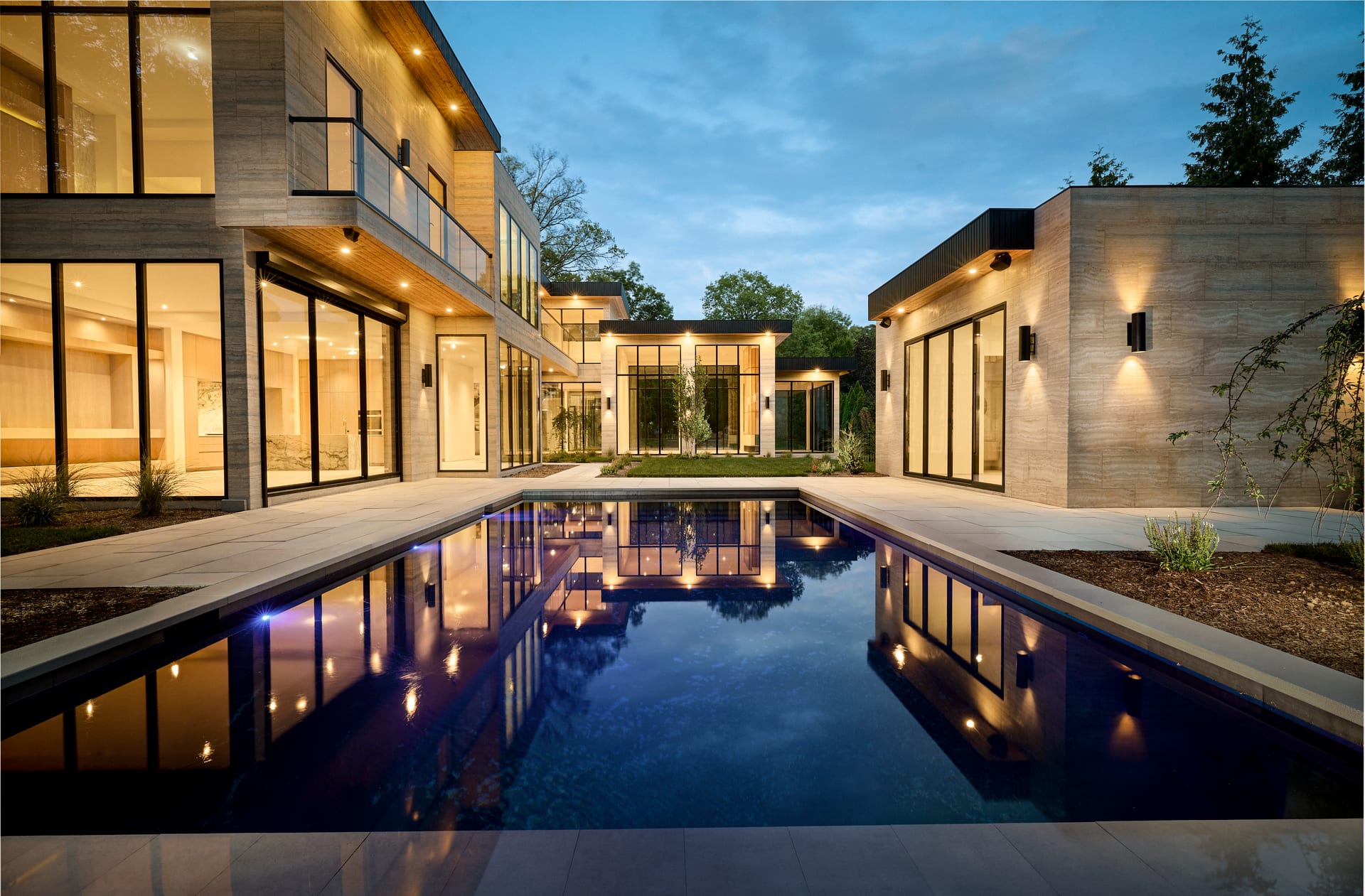
Most architectural photography is made in stillness. The room is emptied, the surfaces are cleaned, the light is allowed to settle, and the space is photographed as an object of design rather than a stage for activity. There is good reason for this. A photograph without people invites the viewer to project themselves into the space, to imagine their own life unfolding across the floor plan. Yet there are moments when a figure in frame does something no empty room can: it tells the truth about scale, use, and atmosphere in a single gesture.
For architects, interior designers, and hoteliers, the decision to include a person is rarely trivial. A figure changes the reading of a space entirely. It shifts the image from a study of form to a record of experience. Understanding when that shift serves the work, and when it distracts from it, is one of the more nuanced judgments in interior photography.
What a Figure Contributes
A well-placed person offers three things at once, and each is worth naming clearly.
Scale That Cannot Be Faked
Furniture can be misleading. A generously proportioned sofa in a modest room can read as ordinary, and a compact chair in a grand hall can flatten the sense of volume. The human body is a fixed reference the viewer trusts instinctively. When a person stands beneath a soaring atrium or moves along a corridor, the architecture acquires a dimension the eye can measure against its own experience.
Life and Intended Use
A hotel lobby is designed to be occupied. A restaurant is designed to be dined in. Photographing these spaces entirely empty can feel honest to the architecture yet dishonest to the purpose. A single guest crossing a lobby, or a pair seated at a window table, restores the space to its reason for existing.
A figure in frame does not fill a room so much as explain it.
Direction and Movement
People carry implied motion. A figure walking away leads the eye deeper into the composition. Someone pausing at a threshold suggests the transition between two spaces. Used deliberately, a person becomes a compositional device as much as a subject, guiding attention through the image the way a line of sight or a run of flooring might.
When to Leave the Room Empty
Restraint remains the more common and often wiser choice. There are clear cases where a person weakens rather than strengthens the frame.
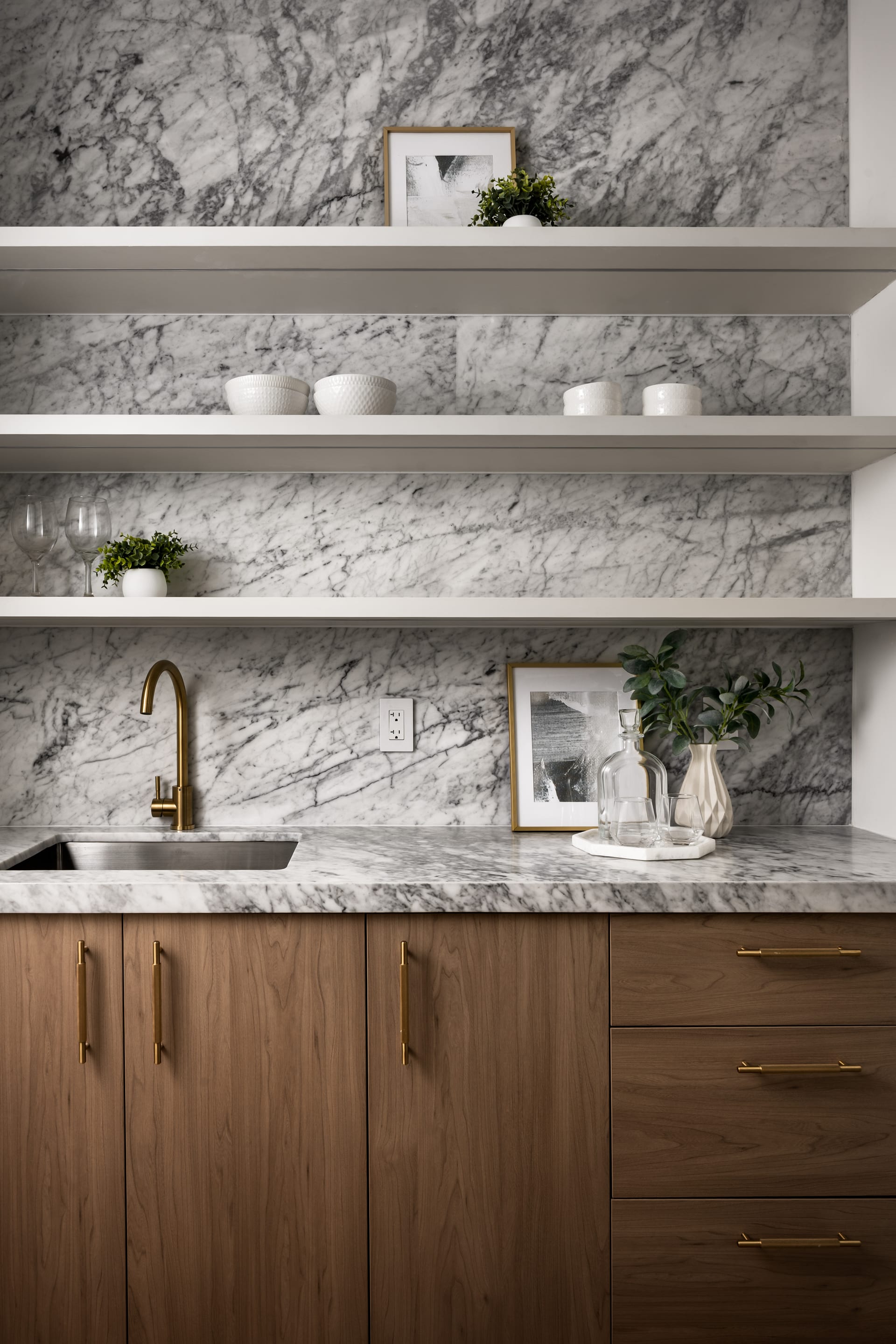
- When the subject is a specific detail of joinery, material, or finish that a figure would compete with.
- When the client needs a clean architectural record for portfolio, awards submission, or archival purposes.
- When the space is intimate enough that a figure would dominate rather than accompany the composition.
- When a realtor needs the viewer to imagine their own occupancy, unencumbered by someone else’s presence.
The empty room is not a failure of ambition. It is a decision that trusts the design to speak. The presence of a person should be introduced only when it answers a question the empty frame leaves open.
Staged Versus Natural Presence
The most persistent risk in placing people within architectural photography is the drift toward the generic. We have all seen the stock-image version: the model in a crisp outfit gazing thoughtfully out of a window, or the couple laughing at a kitchen island over an empty bowl. These images announce their own artifice. They photograph an idea of life rather than life itself, and viewers register the falseness immediately.
The alternative is not documentary chance but careful naturalism. A figure should look as though they arrived at the moment before the shutter opened and will leave the moment after. This means clothing that suits the space rather than a fashion editorial, posture that reads as unstudied, and placement that respects the architecture rather than crowding it. Often the most effective approach is to photograph someone from behind or in partial profile, so the person becomes a presence rather than a portrait.
The goal is not to show who uses the space, but to prove that it can be used.
Practical Notes for the Shoot
When a figure is planned into a shoot, a few working principles hold across nearly every setting.
- Keep wardrobe quiet. Muted tones that harmonize with the palette prevent the figure from pulling focus.
- Favor movement caught mid-gesture over static poses. A slight blur in a walking figure can read as more honest than a frozen stance.
- Position the person to reinforce the architecture’s lines, not to obscure them. A figure against a blank wall reads better than one in front of a feature the client commissioned the shoot to celebrate.
- Photograph both the populated and the empty version of every setup. This gives the client and their audiences options for different uses.
The Hospitality Exception
Boutique hotels and restaurants occupy a category of their own. Here, the human presence is frequently essential rather than optional, because the product being sold is an experience. A spa photographed without a single person can feel clinical. A bar at dusk gains enormously from the suggestion of gathered company. In these settings, the challenge is to convey warmth and occupancy while keeping the space, not the people, as the clear protagonist.
The most refined hospitality imagery treats people almost as atmosphere: soft, partially lit, present at the edges of the frame. The architecture and interior design remain in sharp focus, while the human element lends the image its pulse. This balance is delicate, and it rewards a photographer who understands the difference between illustrating a lifestyle and honoring a space.
A Matter of Intention
Whether to include a figure comes down to the same question that governs every other decision in architectural and interior photography: what does this image need to communicate, and to whom. A designer building a portfolio, a builder documenting craftsmanship, a hotelier marketing an experience, and a realtor selling possibility each have different answers. The presence of a person is a tool, precise and powerful, to be reached for only when it clarifies the story the space is meant to tell.
Handled with care, a single figure can turn a competent photograph of a room into a photograph that feels inhabited, credible, and alive. Handled carelessly, it undermines the very design it was meant to serve. The discipline lies in knowing which outcome the moment calls for.
If you are weighing how to photograph your next project, with or without a human presence in frame, Matthew Lekker Photography would be glad to talk it through with you.
Add us as a preferred source on Google
Add as preferred source