
The Problem With Photographing Size
A camera flattens the world into two dimensions, and in doing so it quietly strips away one of the most important qualities of any built space: its scale. Standing inside a room, we feel its volume through our bodies. We sense the height of a ceiling as we look up, the length of a hallway as we imagine walking it, the weight of a stone wall as we pass a hand across it. The lens receives none of this. It records geometry and light, but it cannot record the felt experience of size. That translation is left to the photographer.
For architects, interior designers, and builders, this matters enormously. So much of the value in a project lives in its proportions. A generous ceiling, a considered floor plan, a room that breathes. If those qualities do not survive the photograph, the work is misrepresented. A grand space can look ordinary. A carefully compressed nook can read as cramped rather than intimate. Scale is not a technical footnote in architectural photography. It is often the whole point.
A camera records geometry and light, but it cannot record the felt experience of size.
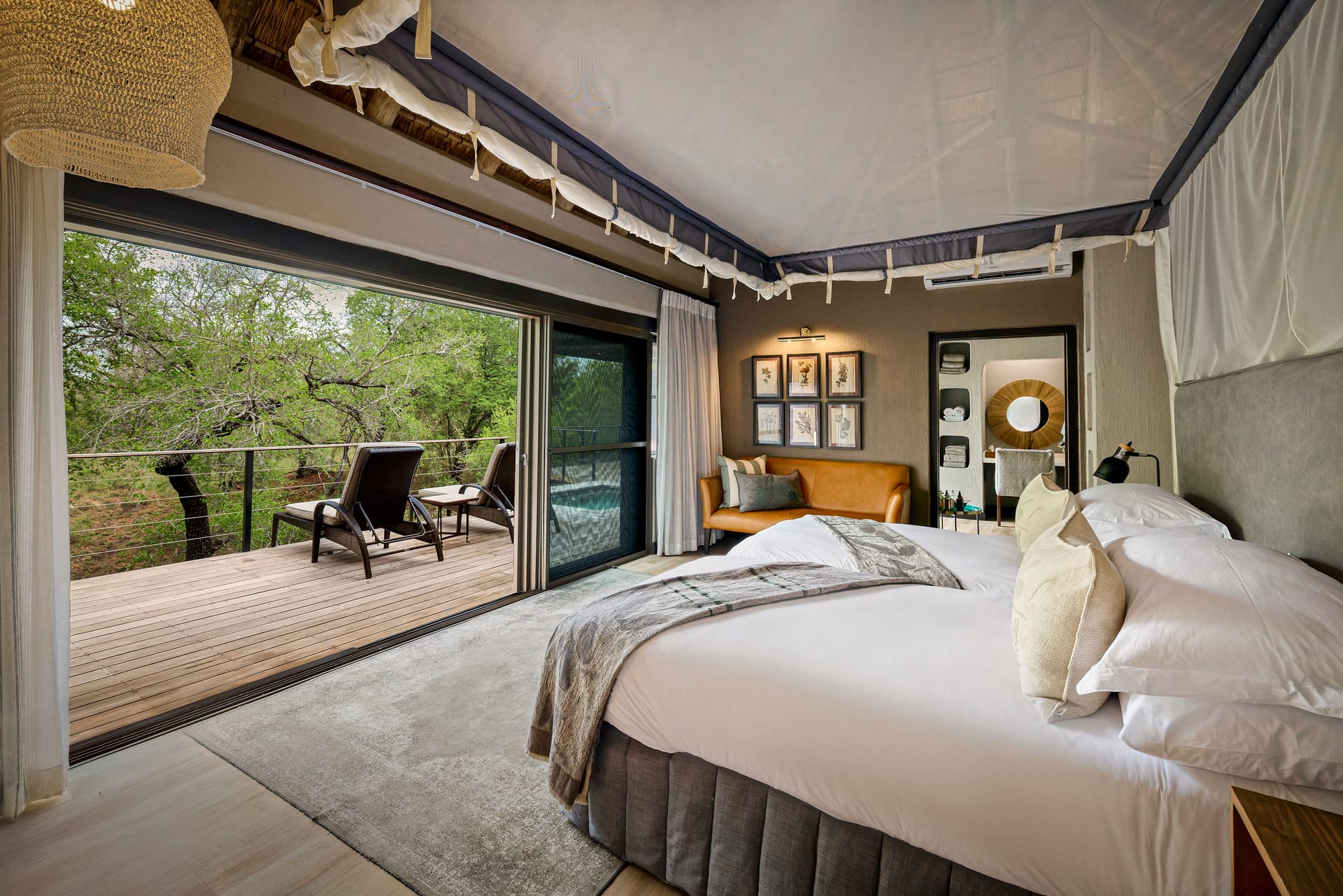
Why Scale Collapses in the Frame
The first reason scale falters is the absence of the body. In person, we are always the reference. We know how tall a doorway is because we walk through it. Remove the viewer’s physical presence and the image loses its anchor. A wall of glass and a modest window can occupy the same rectangle in a frame if there is nothing to tell them apart.
The second reason is the behavior of lenses. Wide-angle lenses, often reached for in interior photography to capture a full room, exaggerate the space between near and far objects. This can make a room feel larger, but it does so dishonestly, stretching proportions in ways the eye never experiences. Telephoto compression does the opposite, pulling distant elements forward and flattening depth. Neither is wrong, but both must be used with an understanding of how they bend our sense of size.
The Missing Reference
Scale reads when the eye finds something it already knows. We carry an internal library of familiar sizes: a chair, a step, a book, a light switch, the height of a door handle. When one of these appears in a photograph, the mind measures everything else against it. Strip a room of every recognizable object and the viewer has no way to gauge how big it truly is. This is why a beautifully minimal, empty space can paradoxically feel scaleless rather than expansive.
Building Scale Into the Photograph
The good news is that scale can be composed deliberately. It is not left to chance. A thoughtful photographer builds in the cues that let a viewer read size correctly, restoring what the lens removed.
Anchor the Frame With the Familiar
Including objects of known size gives the eye its reference points. Furniture is the most reliable of these. A dining chair, a sofa, a bar stool all carry dimensions the viewer understands intuitively. Even a single stem of glassware on a wide table can quietly communicate the length of that surface. The aim is not to clutter the frame but to leave enough recognizable elements that proportion becomes legible.
- Position a piece of furniture where it can be read against the room’s largest dimension.
- Let a doorway or staircase remain visible to signal ceiling height and vertical rhythm.
- Keep at least one human-scaled object in view when photographing very large or very minimal spaces.
Use Layers to Restore Depth
Depth and scale are close companions. A photograph with a clear foreground, middle ground, and background gives the eye a path to travel, and that journey communicates distance. Shooting through a doorway into a further room, or letting a piece of furniture sit close to the lens while the space recedes behind it, builds a sense of how far the space extends. Flatness reads as smallness; layered depth reads as generosity.
Flatness reads as smallness, while layered depth reads as generosity.
Choose the Lens With Intention
The temptation to fit everything into one frame often leads to overly wide focal lengths, which distort proportion at the edges and exaggerate near-far relationships. A more moderate lens tends to render scale as the eye would perceive it. When a wider view is genuinely needed, it should be chosen knowingly, with awareness of how it will stretch the room. Sometimes the more honest portrait of a large space comes from a tighter frame that captures a fragment convincingly rather than the whole thing distorted.
Scale for Different Kinds of Spaces
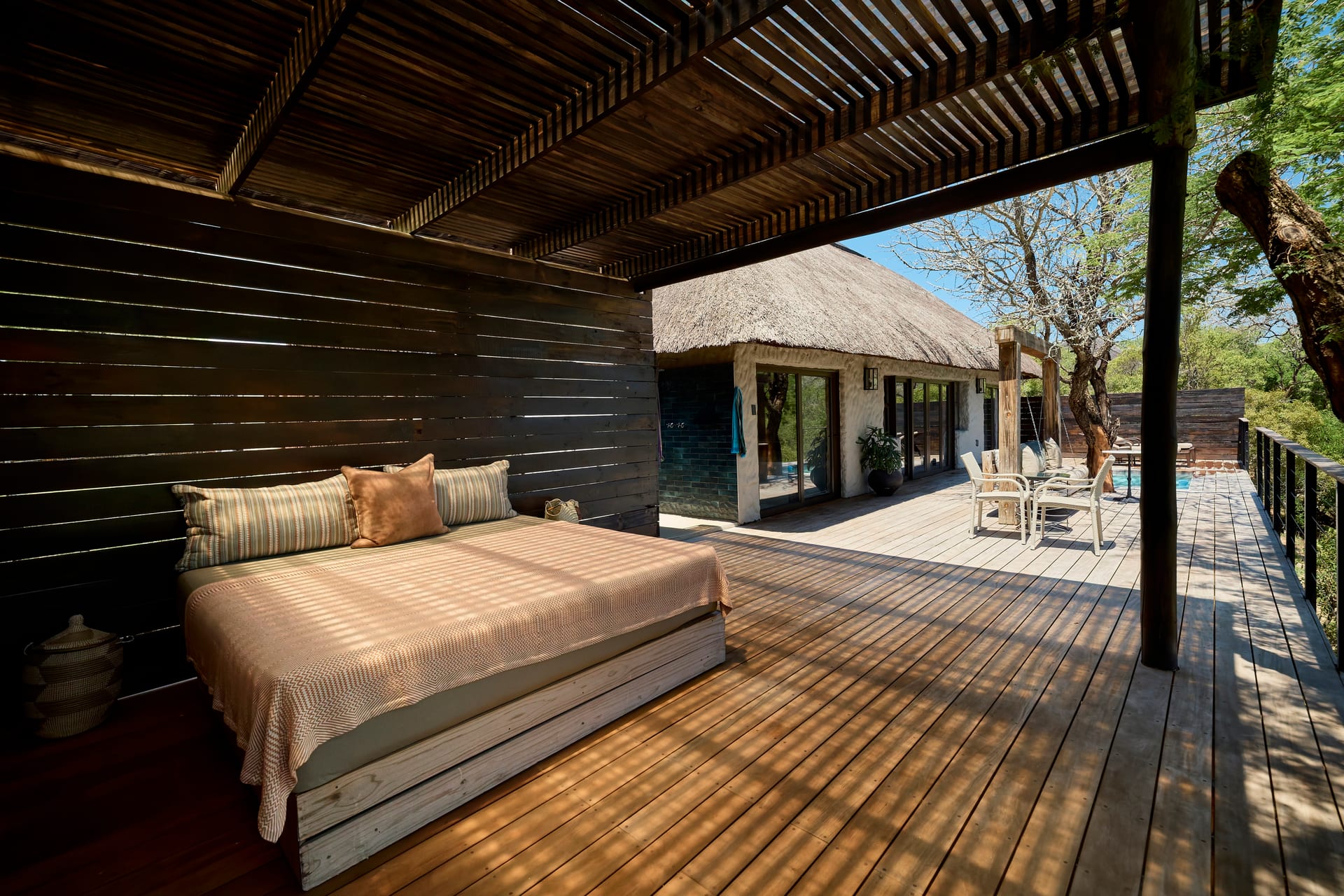
The strategy shifts with the subject. For hoteliers, a lobby or suite must feel both spacious and inviting, which means using furniture and layered sightlines to convey volume without emptiness. For realtors, buyers want to understand how a room lives, so recognizable elements that suggest daily use are essential to reading size accurately. For architects presenting a civic or commercial project, the challenge is often the opposite: conveying vastness in a way the frame tends to shrink. Here, a person placed deliberately in the distance can do what no object can, giving the eye an unmistakable measure of grandeur.
The Case for Human Scale
Nothing communicates size like a human figure, precisely because we measure everything against ourselves. In the largest spaces, a single person, small in the frame, transforms a photograph. A soaring atrium becomes genuinely soaring when a figure below reveals just how far the ceiling climbs. Used sparingly and thoughtfully, the human presence is the most direct scale cue available, though it must be weighed against the desire for a clean, uninhabited image.
The Discipline of Reading Size
Getting scale right begins before the shutter, at the moment of walking a space. The photographer’s task is to notice what makes a room feel the size it is, then to protect those qualities in the frame. Where does the eye find its footing? What object tells the truth about the ceiling? Which sightline reveals the depth the plan intended? These questions turn a technically correct photograph into an honest one.
For design professionals, this is where the real value lies. A photograph that respects scale represents the work as it was conceived. It lets a client feel the proportion of a room they will never stand in, and it lets the care that went into those proportions carry into every viewing. Scale, handled well, is invisible. The viewer simply believes the space, which is exactly the point.
If you are preparing to photograph a project where proportion is central to its character, Matthew Lekker Photography would be glad to talk through how best to make its scale read true.
Add us as a preferred source on Google
Add as preferred source