The Twilight Frame
There is a moment, usually lasting no more than twenty minutes, when a building appears to hold two light sources in balance. The sky retains a deep, saturated colour, and the interior glows from within. Photographers call this the blue hour, though the name understates its brevity. For architectural photography, this narrow window is among the most valuable of the day, and among the most demanding to capture well.
The twilight frame is not simply a pretty version of the same image made at noon. It changes what a building communicates. A structure that reads as cool and geometric in daylight becomes warm and inhabited at dusk. The story shifts from form to atmosphere, from the object to the experience of being inside it. For design professionals, understanding this shift is the first step toward using it with intention.
Why Dusk Works
The power of a twilight image comes from balance. During the day, the sky is far brighter than any interior, so windows read as blank or blown out. At night, the reverse is true: the sky goes black and the building floats in a void. The blue hour is the brief period when exterior and interior light approach equal intensity, allowing both to register in a single frame.
This balance produces several effects that daylight cannot. The sky holds colour rather than washing out. Interior lighting becomes legible, revealing how a space is designed to feel after dark. Landscape lighting, pool edges, and pathway fixtures come into their own. The building stops being a shape and starts being a place.
A twilight image trades the clarity of form for the intimacy of atmosphere, and that trade is often worth making.
The window is real, and it is short
The usable portion of blue hour lasts roughly fifteen to twenty-five minutes, depending on latitude and season. This is not a suggestion to arrive early; it is a hard constraint. Everything that can be prepared in advance must be prepared in advance, because the light will not wait for adjustments made in the moment.
Planning the Twilight Shoot
A successful dusk image is almost entirely won before the light arrives. The photographer typically scouts the composition in daylight, locks the camera position, and waits. When the sky begins to turn, there may be time for only two or three carefully considered frames.
For the design professional coordinating the shoot, a few things matter enormously:
- Interior lighting must be considered. Every lamp, sconce, and fixture that will appear in frame should be on, and the intended lighting scheme should be finalised before the day begins.
- Warm and cool sources should be reconciled. A room mixing daylight-balanced downlights with warm table lamps can look disjointed at dusk. Decide on the mood in advance.
- Exterior fixtures deserve attention. Pathway lights, uplighting on facades, and pool illumination transform a twilight exterior. If they are decorative rather than functional, ensure they work.
- The space must be fully styled. There is no time to move a chair once the light turns. Styling should be complete an hour ahead.
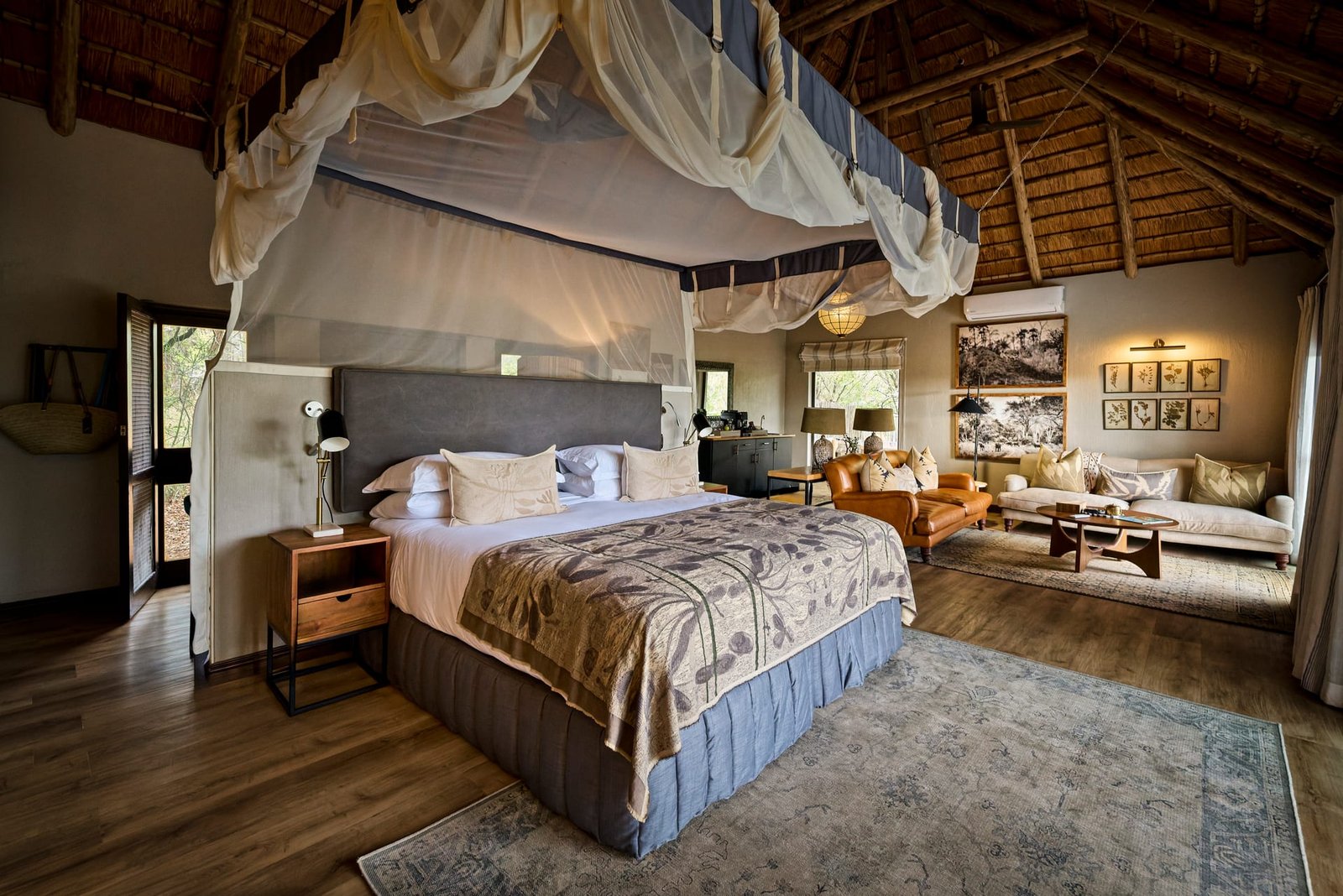
This is where interior photography and architectural photography converge. A dusk exterior often depends on interior styling being visible through the glass, and a dusk interior depends on the sky beyond the windows retaining its colour. The two disciplines cannot be treated separately.
What the Camera Does That the Eye Cannot
The human eye adjusts constantly, so we rarely notice how quickly light shifts at dusk. The camera, holding a fixed exposure across a longer moment, reveals the transition with precision. A well-made twilight photograph frequently blends several exposures, capturing detail in the bright interior, the mid-toned facade, and the deep sky, then reconciling them into a single natural image.
This is not manipulation so much as translation. The goal is to render the scene as a person standing there would remember it, rather than as any single exposure could record it. The memory of a place at dusk is warmer, richer, and more balanced than a camera left to its own devices would suggest.
The twilight photograph does not exaggerate a place; it restores the impression the eye formed and the sensor could not hold.
When Twilight Is the Right Choice
Not every project benefits from a dusk treatment, and part of using it well is knowing when to reserve it.
Hospitality and boutique hotels
For hoteliers, the twilight frame is often the definitive image. It conveys warmth, invitation, and the feeling of arrival after a day of travel. A lobby glowing behind glass, a terrace lit for the evening, a pool holding the last colour of the sky: these are the images that make a property feel like a destination rather than an address.
Residential architecture
For architects and builders, dusk emphasises how a home lives at night. It shows the relationship between inside and outside, the way light spills across a threshold, and the quiet drama of a well-composed facade against a coloured sky. It is particularly effective for homes designed around glazing and connection to landscape.
Realtors and listings
A single twilight image can anchor a property listing, offering the emotional counterpoint to the clarity of daylight interiors. It is best used sparingly, as the hero rather than the whole set.
The Cost of the Frame
It is worth being candid about what twilight demands. Because the window is short, a photographer can usually produce only one or two twilight compositions per evening. Capturing three dusk exteriors of the same building may require three separate days. This affects scheduling and budget, and it should be discussed early rather than assumed.
The practical implication is simple: choose the twilight frames deliberately. Identify the one or two views that most benefit from the treatment, and let the rest of the project be served by daylight. A single exceptional dusk image, given the time it deserves, will always outperform several rushed ones.
A Note on Weather and Season
Clear skies are not always ideal. A cloudless dusk can read as an even gradient, while a scattering of high cloud catches colour and gives the sky texture. Overcast evenings, by contrast, tend to lose the blue hour entirely, collapsing quickly from grey to black. Season matters too: summer twilights are longer and softer, winter ones abrupt. Planning around these variables is part of treating the twilight frame as the considered work it is.
Approached with patience and preparation, dusk photography rewards the design professional with images that carry genuine feeling, capturing not just how a building looks, but how it lives once the sun has gone.
If you are planning a project that would benefit from the atmosphere of the twilight frame, I would welcome the opportunity to discuss it with you.
Add us as a preferred source on Google
Add as preferred source