The Assumption Worth Questioning
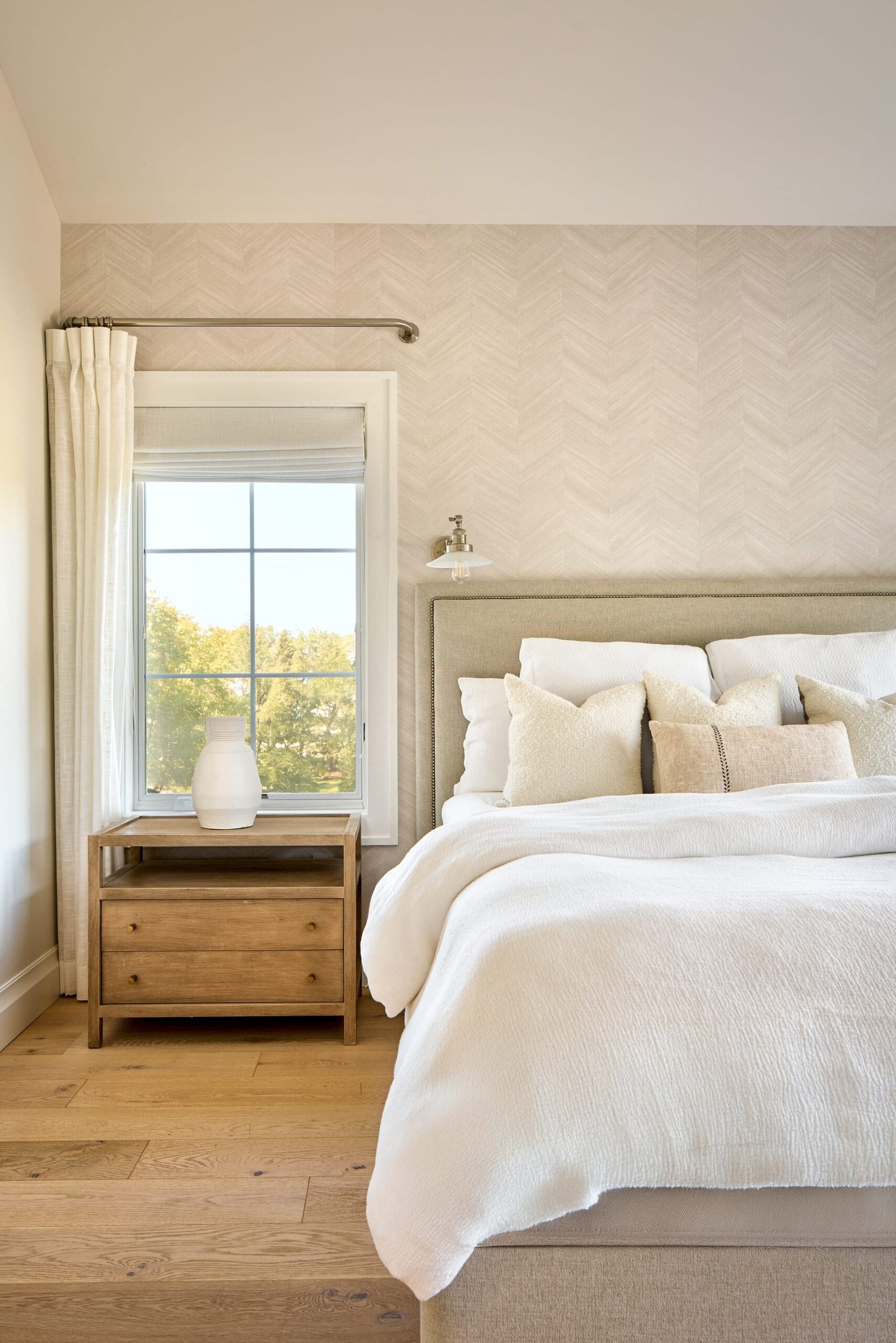
There is a widely repeated belief that the finest light for photography arrives in the golden hour, that brief window after sunrise or before sunset when the sun sits low and the world turns amber. For exterior architectural photography, this can hold true. But interiors follow a different logic entirely. A room does not glow simply because the sky does. It responds to orientation, window placement, ceiling height, and the depth to which daylight can travel across a floor. Timing an interior shoot around the golden hour, without understanding how a specific space behaves, is one of the more common ways a beautiful room ends up looking flat on camera.
The truth is that every interior has its own peak, a moment in the day when light enters at the right angle, fills the room evenly, and reveals the materials and proportions the designer intended. Finding that moment requires observation rather than a rule of thumb.
How a Room Actually Receives Light
Before scheduling any interior photography, it helps to think about a room as a vessel that fills and empties with daylight over the course of a day. An east-facing living space is luminous at breakfast and quiet by afternoon. A west-facing kitchen may stay dim until the sun swings around, then flood with warm, directional light that can be either flattering or overwhelming. North-facing rooms, prized by artists for good reason, offer soft and consistent illumination that changes little throughout the day.
These behaviours matter because they determine not only brightness but mood. Direct sun creates strong shadows and high contrast, which can flatten subtle tones and blow out pale surfaces. Indirect daylight wraps around objects gently, preserving the texture of linen, stone, and timber that so much interior design depends upon.
A room does not glow simply because the sky does; it glows when light enters at the angle the space was built to receive.
Reading a Space in Advance
Whenever possible, a photographer benefits from visiting a space, or reviewing detailed information about it, before the shoot day. Knowing which way the windows face, how large they are, and what sits outside them allows the schedule to be built around the light rather than against it. A scout the day before, at the intended shooting hour, removes most of the guesswork.
- Note the orientation of each key room and the times its windows admit direct sun.
- Watch how light moves across floors and walls, and where hard shadows fall.
- Identify rooms that will never receive strong daylight and plan supplementary lighting for them.
- Consider what lies beyond the glass, since a neighbouring wall or tree can shape the quality of light entering.
Why Midday Is Not the Enemy
Another persistent myth is that the middle of the day produces harsh, unusable light. Outdoors, the overhead sun can be unkind. Indoors, the story is often reversed. Midday frequently delivers the most even ambient light a room will see, particularly on a bright but overcast day when the sky acts as an enormous softbox. For interiors filled with pale walls and considered furnishings, this diffused overhead light can be ideal, rendering colours accurately and keeping contrast within a workable range.
This is why an interior shoot is rarely a single-hour affair. A thoughtful schedule moves through a property room by room, following the light as it travels, capturing each space when it looks its best rather than forcing every frame into one narrow window.
The Overcast Advantage
Designers sometimes worry when the forecast turns grey, but for interior photography a soft, cloud-covered sky is often a gift. It eliminates the distracting patches of hard sunlight that streak across floors and furniture, and it allows a photographer to balance the interior against the view outside without one overpowering the other. Bright, cloudless days can be more difficult, since the contrast between a sunlit window and a shaded corner tests the limits of what a single exposure can hold.
Blending Daylight With What the Room Provides
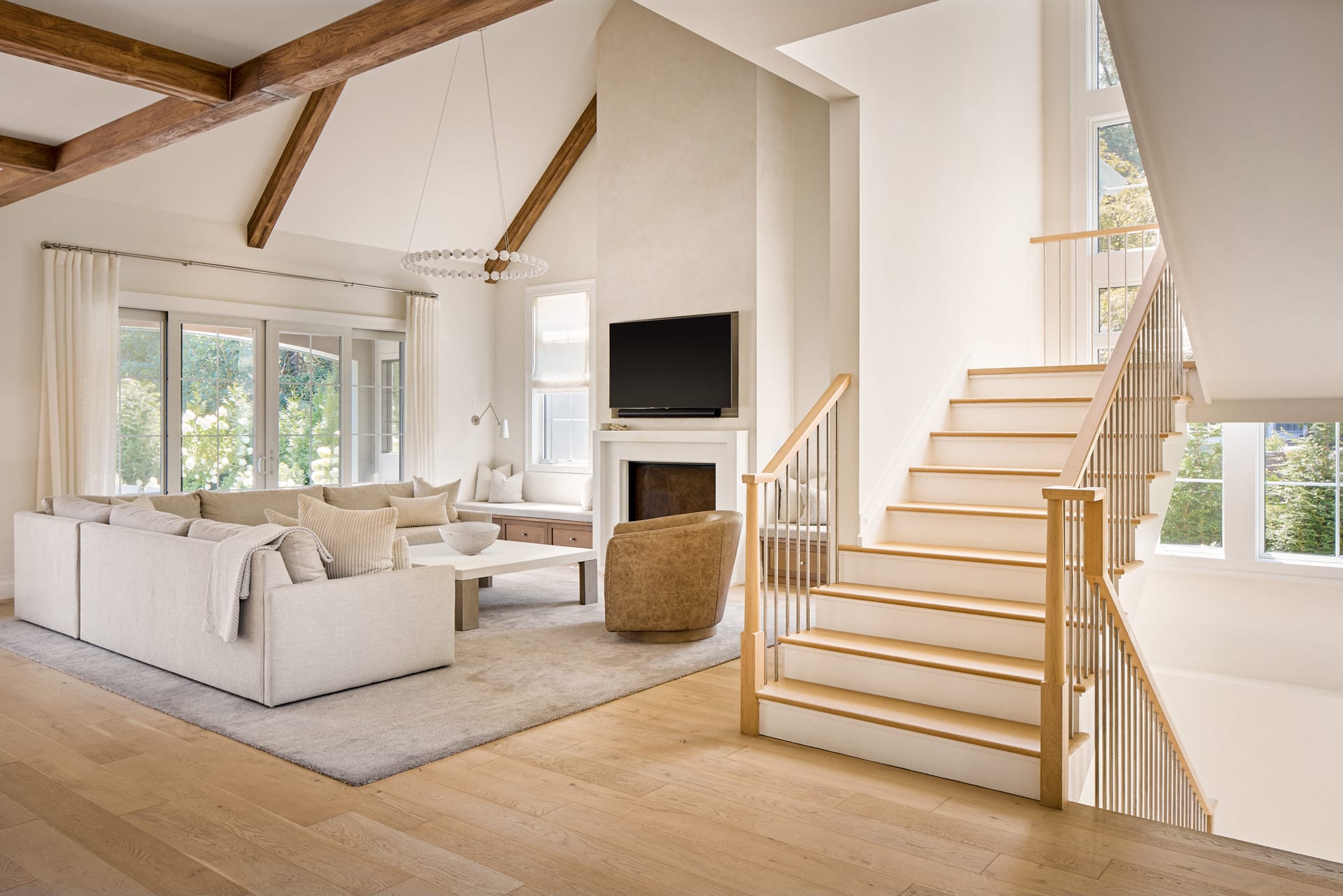
The most convincing interior images usually combine natural light with the fixtures already present in the space. Turning on lamps, pendants, and under-cabinet lighting adds warmth and depth, and signals that a room is lived in rather than staged. The art lies in balance. When the ambient daylight and the artificial sources are matched in intensity, the result feels natural and inviting. When they compete, the image reads as either cold or artificially yellow.
This balancing act is far easier to achieve at certain times of day. Early morning and late afternoon, when exterior light softens, allow interior fixtures to register without being overwhelmed. This is where the golden hour retains some genuine value for interiors, not because of its colour, but because the reduced contrast between inside and out makes a harmonious blend possible.
The best interior light is not chased across the sky; it is anticipated, room by room, hour by hour.
Building a Shoot Around Real Timing
For design professionals commissioning photography, understanding this rhythm changes how a shoot is planned and how expectations are set. A property is not photographed in the order the rooms are numbered. It is photographed in the order the light favours them. A hotel’s east-facing breakfast room may be first on the schedule, its west-facing lounge saved for late afternoon, its windowless spa lit entirely by considered artificial sources whenever convenient.
This approach asks for a little flexibility. It may mean beginning earlier than expected, or reserving a particular hero space for a specific hour. In return, it delivers images in which every room appears at its most persuasive, with light that feels intrinsic to the design rather than imposed upon it.
Practical Points for the Brief
- Share the property’s orientation and floor plan when arranging the shoot.
- Flag the spaces that matter most, so their ideal light can be prioritised.
- Allow a full day for a substantial property rather than compressing it into a golden hour or two.
- Trust that grey skies are frequently better for interiors than brilliant sunshine.
Understanding how a space receives light is not a technical footnote. It is central to whether a room reads on camera as it does in person, and it separates a hurried set of images from a considered visual record of good design.
If you are planning to photograph an interior and want the timing to serve the space rather than a convenient rule, Matthew Lekker Photography would be glad to talk it through with you.
Add us as a preferred source on Google
Add as preferred source