Why Furniture Is a Photographic Decision
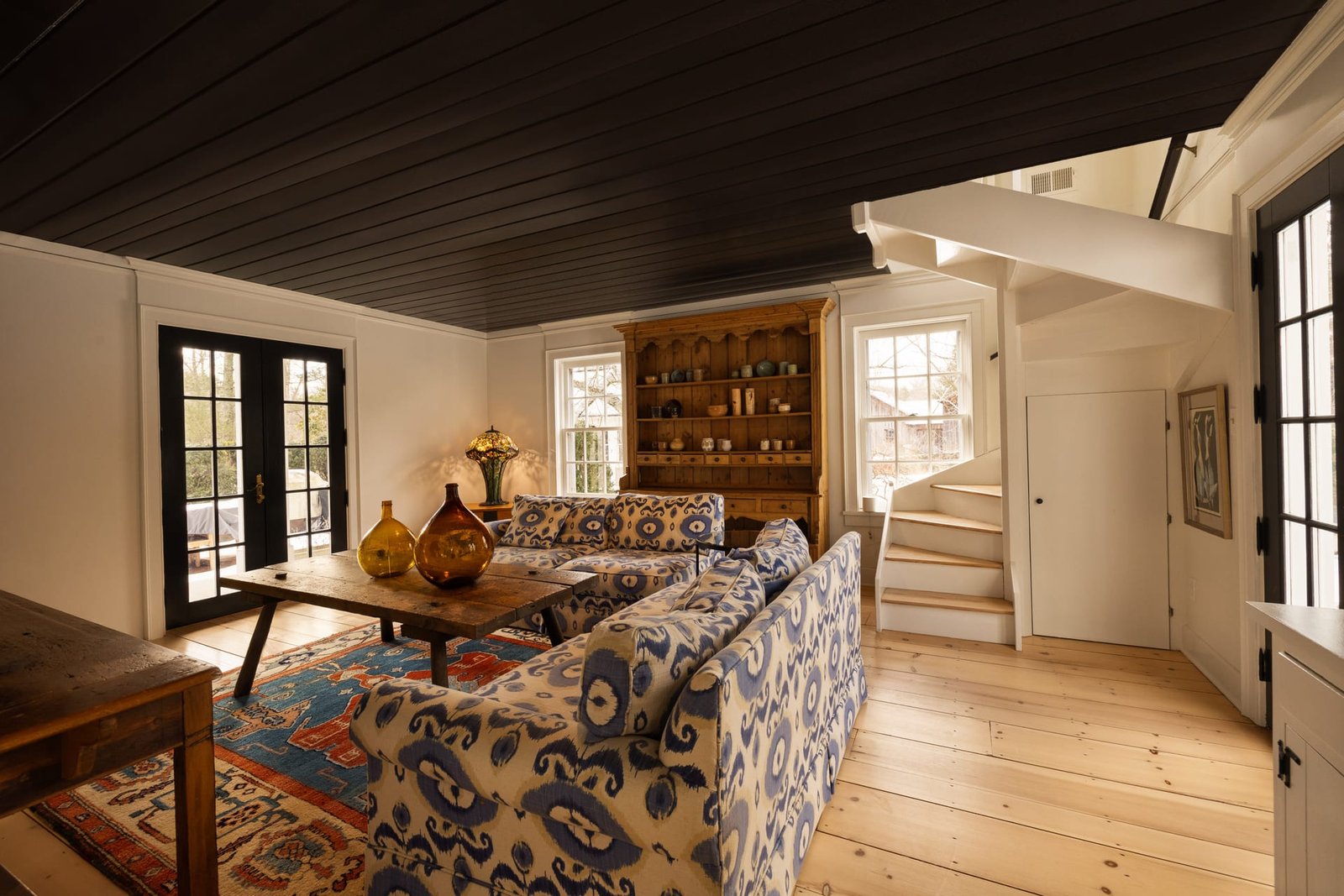
A room is rarely photographed as it is lived in. It is photographed as it is intended to be understood. Between those two states sits the furniture, and the way it is arranged determines whether an interior photograph reads as considered or merely occupied. For architects, interior designers, builders, and hoteliers, the furnishings in a frame do more than fill space. They establish scale, direct the eye, and tell the viewer how a room is meant to be used.
In interior photography, furniture is the vocabulary of the space. A single chair angled toward a window suggests contemplation. A dining table laid for two implies intimacy; laid for eight, it implies gathering. These are not accidental readings. They are choices, and they can be made deliberately before a single frame is captured.
The mistake many spaces make is treating furniture as fixed. In daily use it is fixed, because it serves comfort and habit. For the camera, it becomes flexible again. A sofa may need to move six inches toward the wall to open a sightline. A coffee table may need to shift off-centre to sit correctly within the frame. What looks balanced in the room and what looks balanced through the lens are not always the same thing.
Furniture is the vocabulary of a space, and how it is arranged determines whether a photograph reads as considered or merely occupied.
The Problem of Too Much
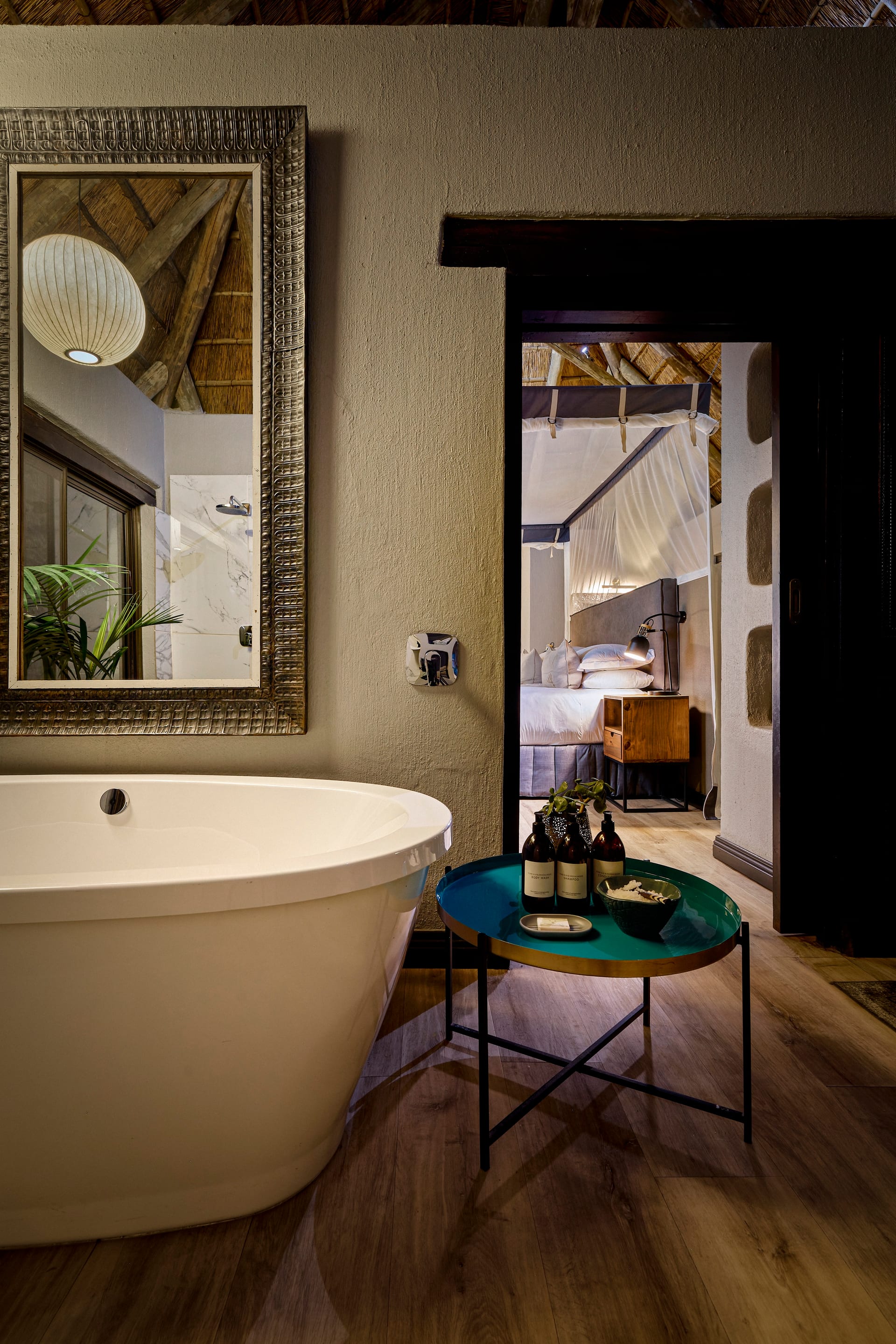
Rooms designed for living tend to accumulate. Cushions multiply, side tables gather objects, and every surface acquires a small population of things. Much of this is invisible in person because the eye edits automatically. The camera does not edit. It records every item with equal attention, and the result can feel crowded even when the room itself feels calm.
The most useful preparation before an architectural photography session is subtraction. Remove more than feels comfortable, then step back and assess. A room photographs better with breathing space around its key pieces. This is not about emptying a space until it looks unlived in. It is about giving each element enough room to be seen clearly.
What to Consider Removing
- Excess cushions and throws that obscure the line of a sofa
- Small decorative objects that clutter shelves and surfaces
- Duplicate furniture that serves the same function in a single view
- Anything worn, mismatched, or visibly out of keeping with the design
- Practical items such as remotes, chargers, and stray paperwork
Once the room is pared back, individual pieces can be reintroduced with intention. A well-chosen object placed deliberately carries more weight than a dozen scattered without thought.
Arrangement and the Reading of a Room
Furniture placement guides the viewer through the frame. The eye enters an image and looks for a path, and furnishings provide that path. A room where every piece sits parallel to the walls can feel static and flat. A slight rotation of a chair, or a table pulled forward from a corner, introduces depth and movement that the lens registers immediately.
Consider how the arrangement relates to the vantage point. In interior photography, the camera is often placed in a corner to capture two walls and the volume between them. Furniture arranged for that specific view will look ordered; furniture arranged for the person sitting on the sofa may look confused from the corner. The two priorities can be reconciled, but only if placement is treated as part of the photographic process rather than an afterthought.
The camera does not edit; it records every item with equal attention, which is why subtraction is the most useful preparation of all.
Scale and Proportion
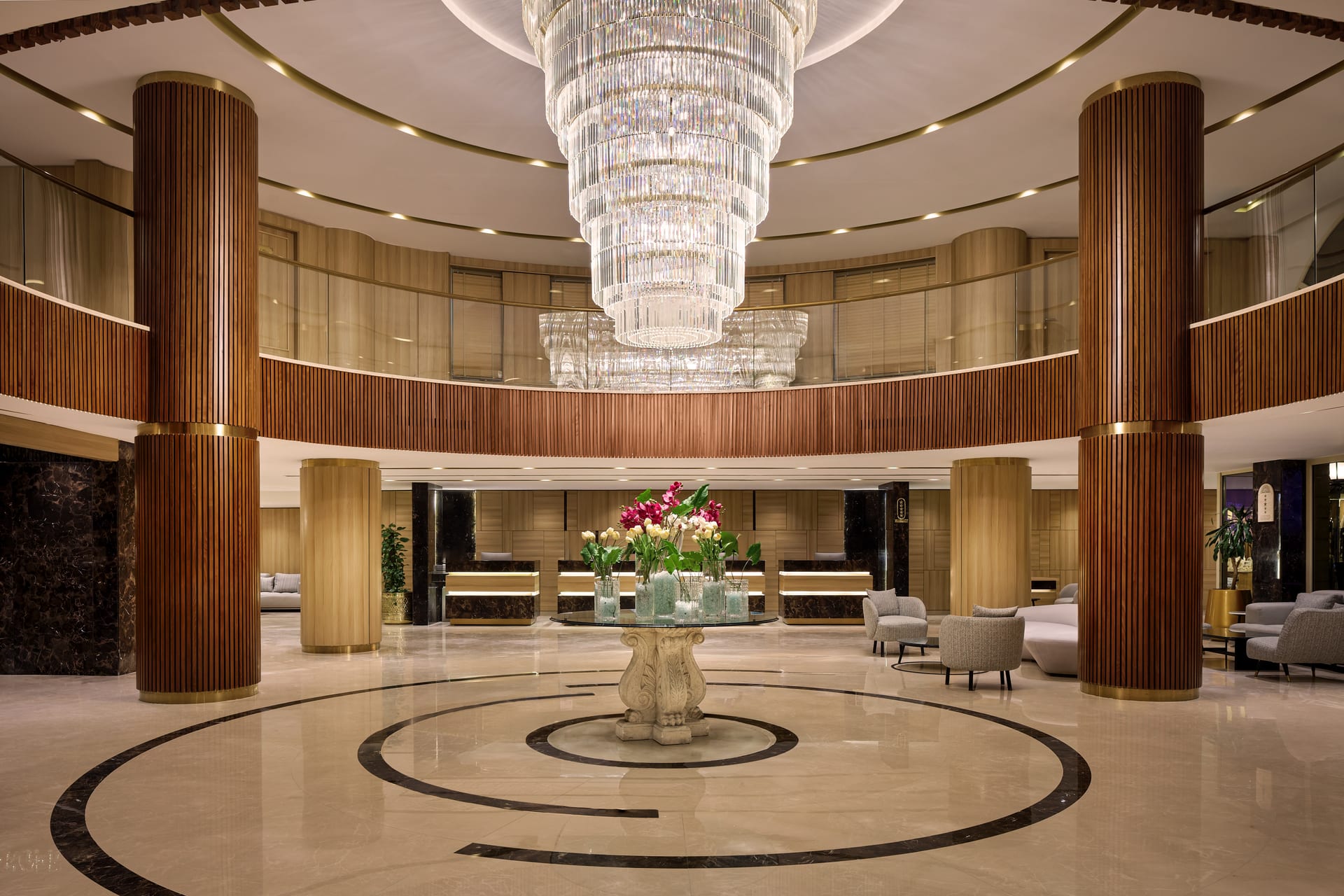
Furniture is one of the clearest ways a photograph communicates the size of a room. A generous sofa in a modest room can make the space feel cramped, while pieces proportioned to the volume let the architecture read at its true scale. Hoteliers photographing guest rooms and suites should pay particular attention here, since prospective guests judge spaciousness almost entirely through furnishings. A bed styled crisply, with clear floor around it, communicates comfort and generosity far more effectively than a room packed to demonstrate value.
Condition, Detail, and the Close Look
The camera rewards care and punishes neglect. Crumpled upholstery, uneven cushions, and dust that goes unnoticed in person become distractions in a high-resolution image. Before a shoot, furnishings should be treated with the same attention a stylist would give a set. Fabric smoothed, edges squared, legs aligned. These small acts accumulate into the difference between an image that looks professional and one that looks improvised.
Practical Preparation Before the Shoot
- Steam or press upholstery, bedding, and curtains to remove creases
- Fluff and square cushions so they hold a clean shape
- Check that furniture legs and feet sit level and unmarked
- Wipe down surfaces that will catch light, especially glass and polished wood
- Remove protective plastic, tags, and packaging from newly delivered pieces
For builders and realtors staging a property, this preparation is often the single most cost-effective investment in the final images. Well-kept furnishings signal a well-kept building, and that impression carries through every frame.
Styling Without Overstyling
There is a line between styling that supports a space and styling that overwhelms it. The goal of interior photography is to present the design honestly and at its best, not to construct a scene that the room could never actually be. A carefully placed book, a single vase of stems, a folded throw at the foot of a bed. These touches add life. A surface crowded with props to suggest lifestyle tends to read as staged and hollow.
The most persuasive images feel effortless. That effortlessness is the product of considerable effort, most of it invested before the camera is set. When designers and photographers collaborate on furniture and styling ahead of the shoot, the resulting photographs carry a quiet authority that no amount of post-production can replicate.
Bringing It Together on the Day
The strongest results come from treating furniture as a shared language between the design professional and the photographer. The designer understands the intent of the space; the photographer understands how that intent will translate through the lens. A brief conversation before the shoot about which views matter most, which pieces are essential, and where flexibility exists will save time and produce better images.
Furniture is never neutral in a photograph. It is always saying something about how a space is meant to feel and function. The task is simply to make sure it says what you intend, clearly and without distraction.
If you are preparing to photograph an interior and want it styled and captured with genuine care, Matthew Lekker Photography would be glad to hear from you.
Add us as a preferred source on Google
Add as preferred source