The Question of Where to Stand
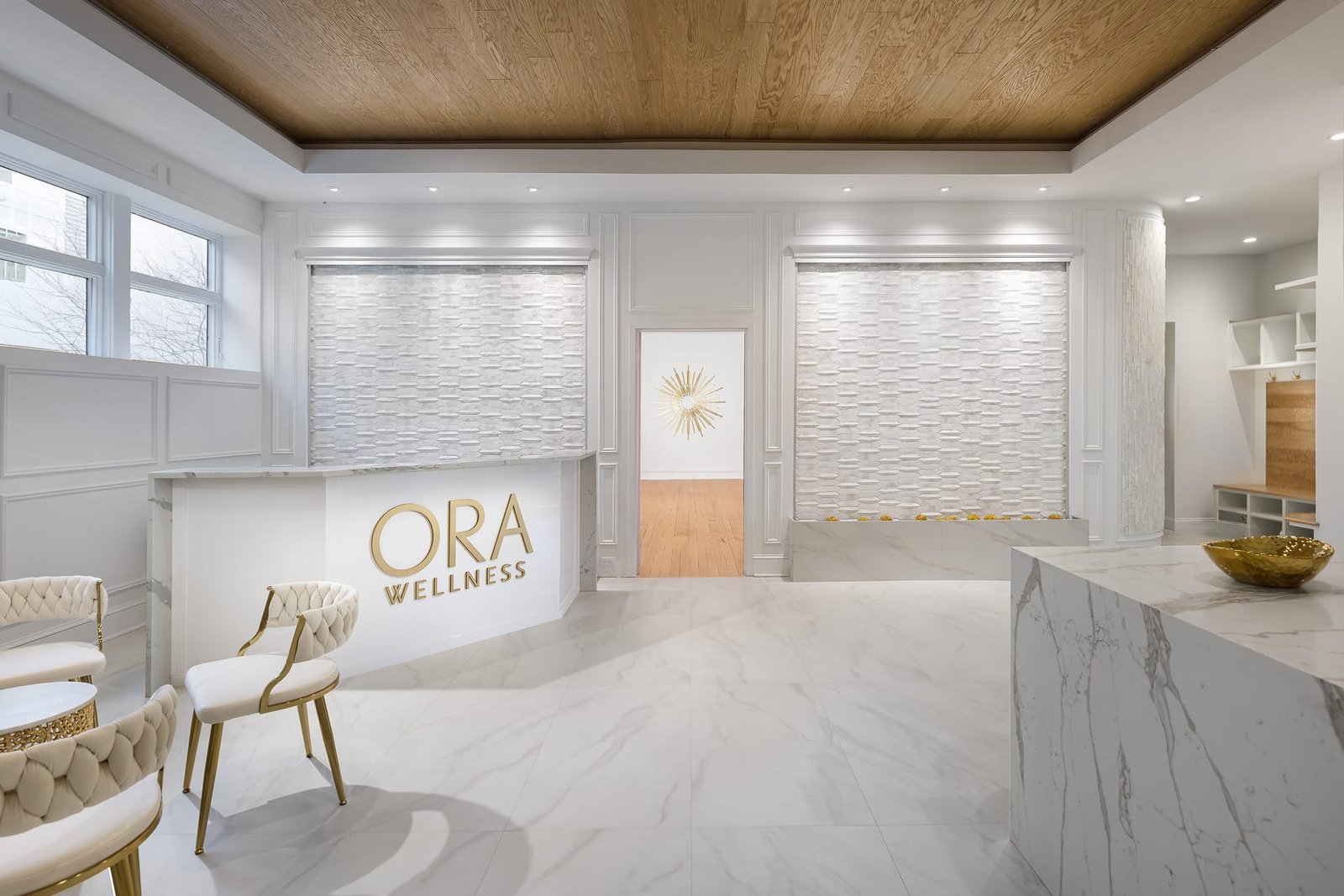
Before a single frame is made, a decision governs everything that follows: where to place the camera. In architectural photography, the choice of vantage point is not incidental. It determines how a space is understood, what the eye is invited to notice, and whether a room feels generous or cramped, ordered or chaotic. Every project has a handful of positions from which it reads at its best, and one that reads better than all the others. We call it the hero angle.
The hero angle is the viewpoint that expresses the intention behind a space with the least effort and the greatest clarity. It is not always the most obvious position, and it is rarely the one a phone naturally gravitates toward. Finding it is a discipline that rewards patience, and for design professionals commissioning work, understanding it changes how you brief and how you evaluate the results.
What Makes an Angle the Hero
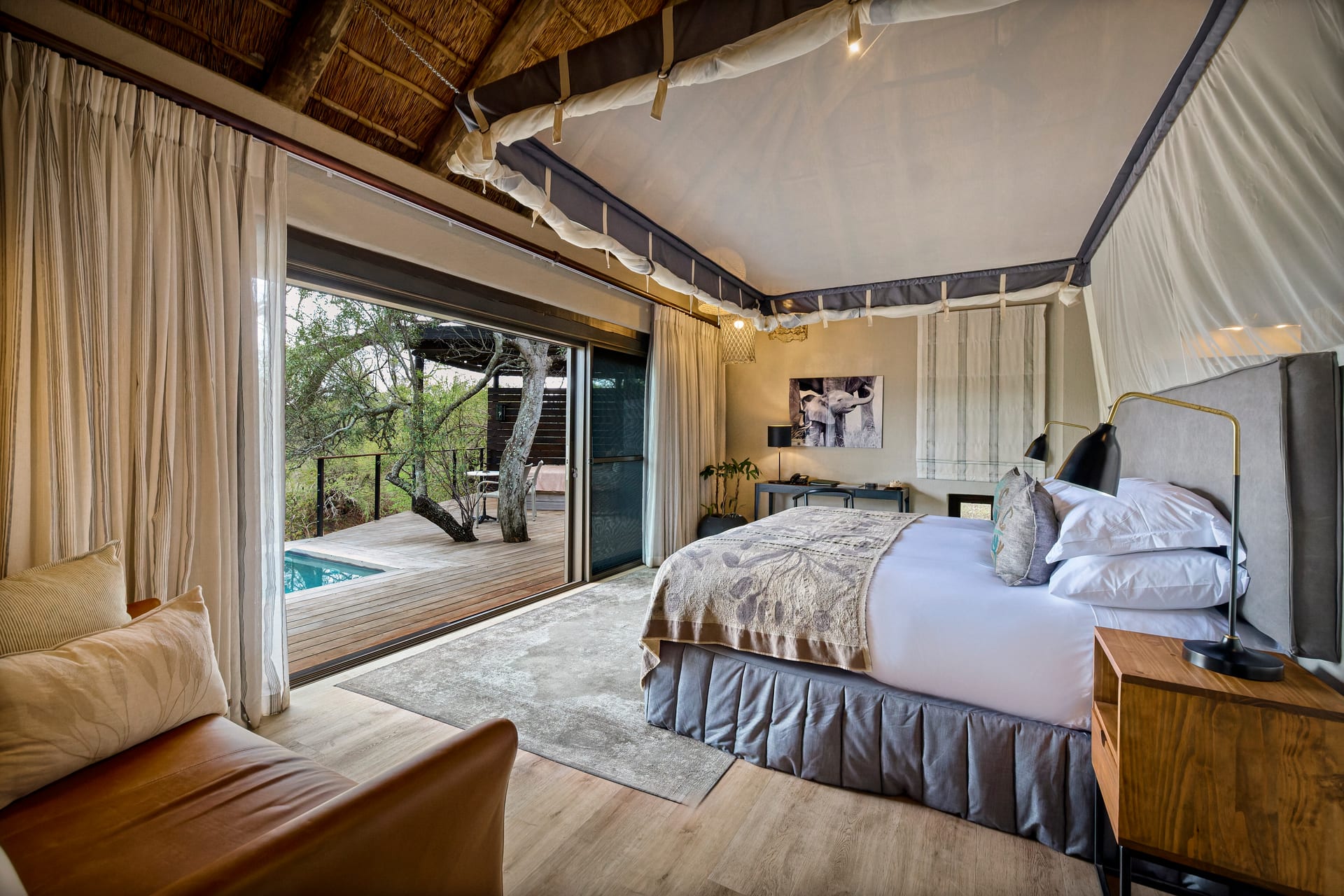
A hero angle does several things at once. It establishes the geometry of a room, it leads the eye through the composition in a deliberate order, and it holds the defining gesture of the design at its centre. In a residential interior, that might be the relationship between a window, a hearth, and a seating arrangement. In a hotel lobby, it might be the axis that carries a guest from entrance to reception. In architecture, it is often the vantage from which the massing of the building resolves into a coherent form.
The hero angle is the viewpoint that expresses the intention behind a space with the least effort and the greatest clarity.
The best angles tend to share certain qualities. They offer depth, giving the eye a foreground, a middle ground, and a distance to travel into. They respect the vertical lines of the structure, keeping walls and door frames true. And they frame the space so that the primary subject is unmistakable while secondary elements support rather than compete.
Depth Over Width
A common instinct is to press into a corner and capture as much of a room as possible. This produces width but flattens depth, and it often introduces distortion that stretches the nearest surfaces unnaturally. The hero angle usually favours depth. Standing slightly off the corner, or shooting down the length of a room rather than across it, creates layers that the eye reads as spaciousness. A space photographed for its depth feels inhabitable. A space photographed only for its width feels catalogued.
The Anchoring Line
Strong interior and architectural images almost always contain a line that organises the frame: a run of cabinetry, the edge of a table, a threshold, a beam. The hero angle positions this line so that it draws the viewer inward rather than pushing them to the edge. When you look at a photograph and feel calm rather than restless, an anchoring line is usually doing quiet work beneath the surface.
How to Search for It
Finding the hero angle is a process of walking the space slowly and watching how relationships shift with each step. Small movements matter. A change of half a metre can align two elements that were fighting one another, or open a sightline that was previously blocked. Height matters as much as position; lowering the camera can lend grandeur to a ceiling, while raising it can reveal the logic of a floor plan.
- Walk the full perimeter before committing, noting where sightlines open up.
- Watch how light falls across surfaces from each position, and how it changes through the day.
- Test both eye level and lower positions to see which honours the proportions.
- Identify the single element the image must communicate, then place the camera to serve it.
- Notice what falls into the corners of the frame, since distractions there quietly undermine an otherwise strong composition.
For design professionals, this is where a considered walkthrough before the shoot pays dividends. Knowing which spaces carry the concept, and which details you most want remembered, allows the search for the hero angle to be purposeful rather than exploratory.
When the Hero Angle Is Hidden
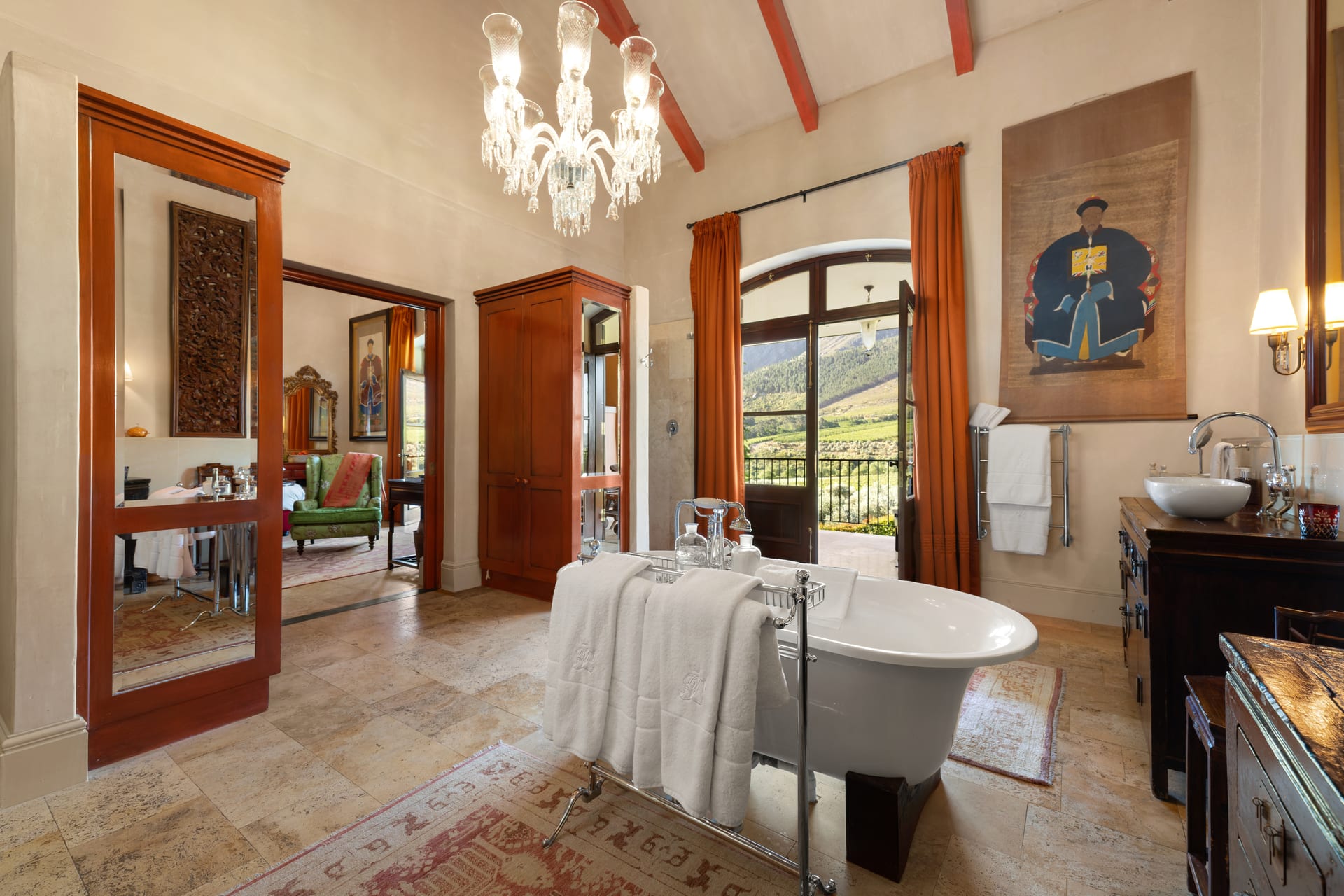
Not every space offers its best viewpoint willingly. Awkward proportions, structural columns, or a difficult approach can conceal the strongest position. In these cases the hero angle is often found by subtraction rather than addition: removing what clutters the frame, closing a door that leads nowhere useful, or shifting a single piece of furniture to complete a line. The angle was always there; it simply needed the space edited around it.
A space photographed for its depth feels inhabitable, while a space photographed only for its width feels catalogued.
There are also spaces where no single position captures everything, and the honest response is to let the hero angle carry the essence while supporting frames fill in the rest. This is where the difference between amateur and professional interior photography becomes clear. The professional does not try to force one image to do the work of five. They identify the frame that must succeed, give it their full attention, then build a considered set of images around it.
Why It Matters for Your Work
For architects and builders, the hero angle is how a project is remembered long after completion. It becomes the image that circulates, the one that represents years of work in a single glance. For interior designers, it is the frame that carries the atmosphere of a room into a portfolio or a magazine. For hoteliers, it is the vantage that persuades a guest to book before they have set foot inside. For realtors, it is the difference between a listing that is scrolled past and one that invites a second look.
The hero angle also disciplines the entire shoot. Once it is established, every other decision falls into place around it: which supporting angles to capture, how to sequence the images, where the detail shots belong. It functions as the keystone of the visual story, and without it a set of images can feel like a collection of rooms rather than a portrait of a place.
Trusting the Search
The temptation is always to settle for the first competent viewpoint. Yet the difference between competent and compelling is often a few careful minutes of looking. The hero angle rewards the photographer who resists the easy frame and keeps searching until the space reveals how it wishes to be seen. That patience is invisible in the final image, but its absence is not.
If you are preparing to photograph a completed project and want images built around its true vantage, we would welcome the conversation at Matthew Lekker Photography.