The Myth of the Perfect Sky
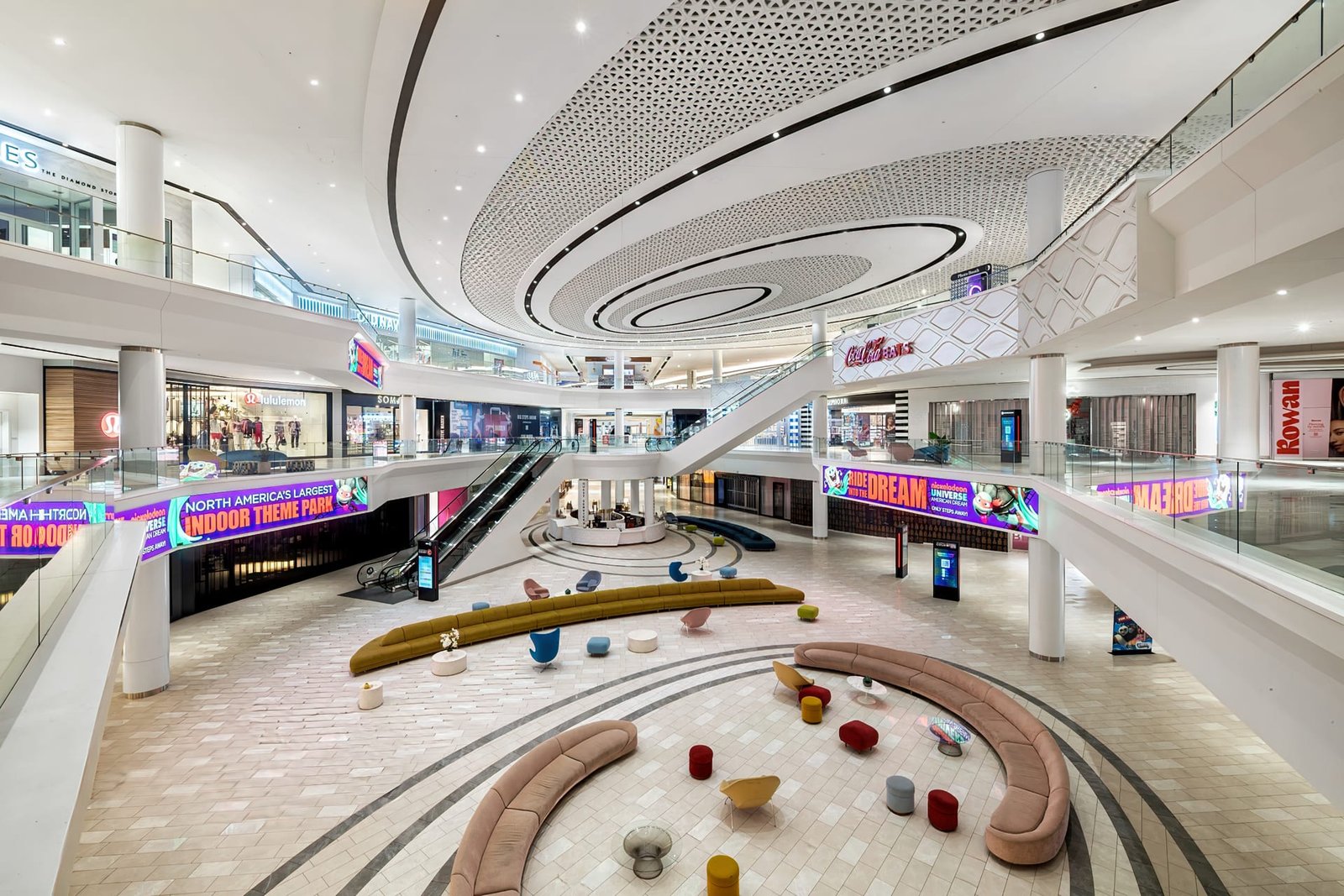
There is a persistent belief among design professionals that a building deserves blue skies and clean sunshine, and that anything less is a compromise. Reschedule, wait, hope. But weather is not an interruption to architectural photography. It is one of its most expressive tools. A flat grey sky, a passing storm, a morning fog settling into a valley: each of these carries meaning, and each can serve a building in ways that a cloudless afternoon cannot.
Commissioning photography of a completed project is often a matter of timing pressure. Deadlines for awards submissions, portfolio launches, and marketing campaigns rarely align with meteorological ideals. Understanding how different conditions read on camera allows you to plan with confidence rather than anxiety, and to recognise the moments when imperfect weather is in fact the better choice.
What Overcast Light Actually Does
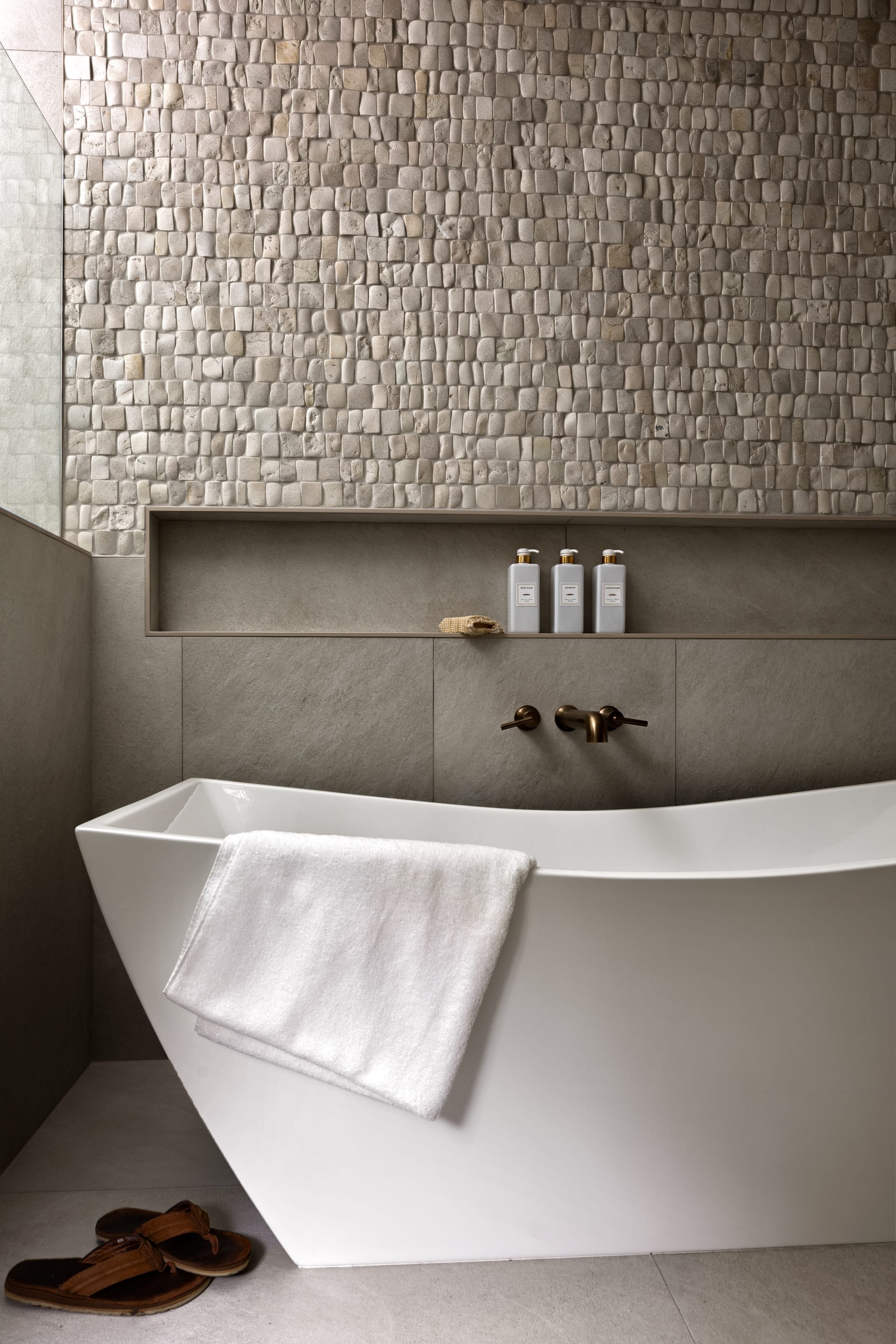
An overcast sky is a softbox the size of the horizon. It removes the hard, directional shadows of full sun and replaces them with even, wraparound illumination. For interior photography, this is frequently ideal. Direct sunlight streaming through a window creates extreme contrast that no sensor handles gracefully: blown highlights on one wall, deep shadow on the other, and a colour cast that fights with the interior palette.
Soft daylight, by contrast, lets a room read as it was designed. Material textures come forward. Joinery, plaster, stone, and textile reveal their true tone. The eye is not pulled toward a bright patch on the floor but moves calmly through the space, exactly as an interior designer intended.
An overcast sky is a softbox the size of the horizon, and for interiors it is often the most generous light there is.
For exteriors, overcast conditions demand more thought. A white, featureless sky can flatten a facade and drain a composition of energy. The remedy lies in composition rather than complaint: frame tighter, let the architecture fill more of the image, and reduce the sky to a supporting role. A muted sky can also lend a quiet, contemporary restraint that suits certain buildings far better than a postcard blue.
When Drama Serves the Architecture
Some buildings ask for weather. A raw concrete form, a coastal structure, a mountain retreat, or an industrial conversion often gains gravity from moody conditions. Storm light, with its sudden shafts breaking through cloud, can turn a competent image into a memorable one. The contrast between a dark sky and a sunlit facade creates a natural spotlight, drawing the eye precisely where the architect would want it.
The key is intention. Dramatic weather is not a substitute for a strong composition; it is an amplifier. A well-considered frame becomes more powerful under charged skies, while a weak one simply becomes a weak image with an interesting background.
Reading the Sky Before the Shoot
Experienced photographers watch the sky the way sailors do, tracking movement and anticipating the brief windows when conditions peak. A break in cloud may last ninety seconds. Rain clearing at dusk can produce a saturated, reflective ground plane and a sky washed clean of haze. These moments cannot be scheduled, but they can be prepared for by being on location, set up, and ready to respond.
Fog, Mist, and Atmosphere
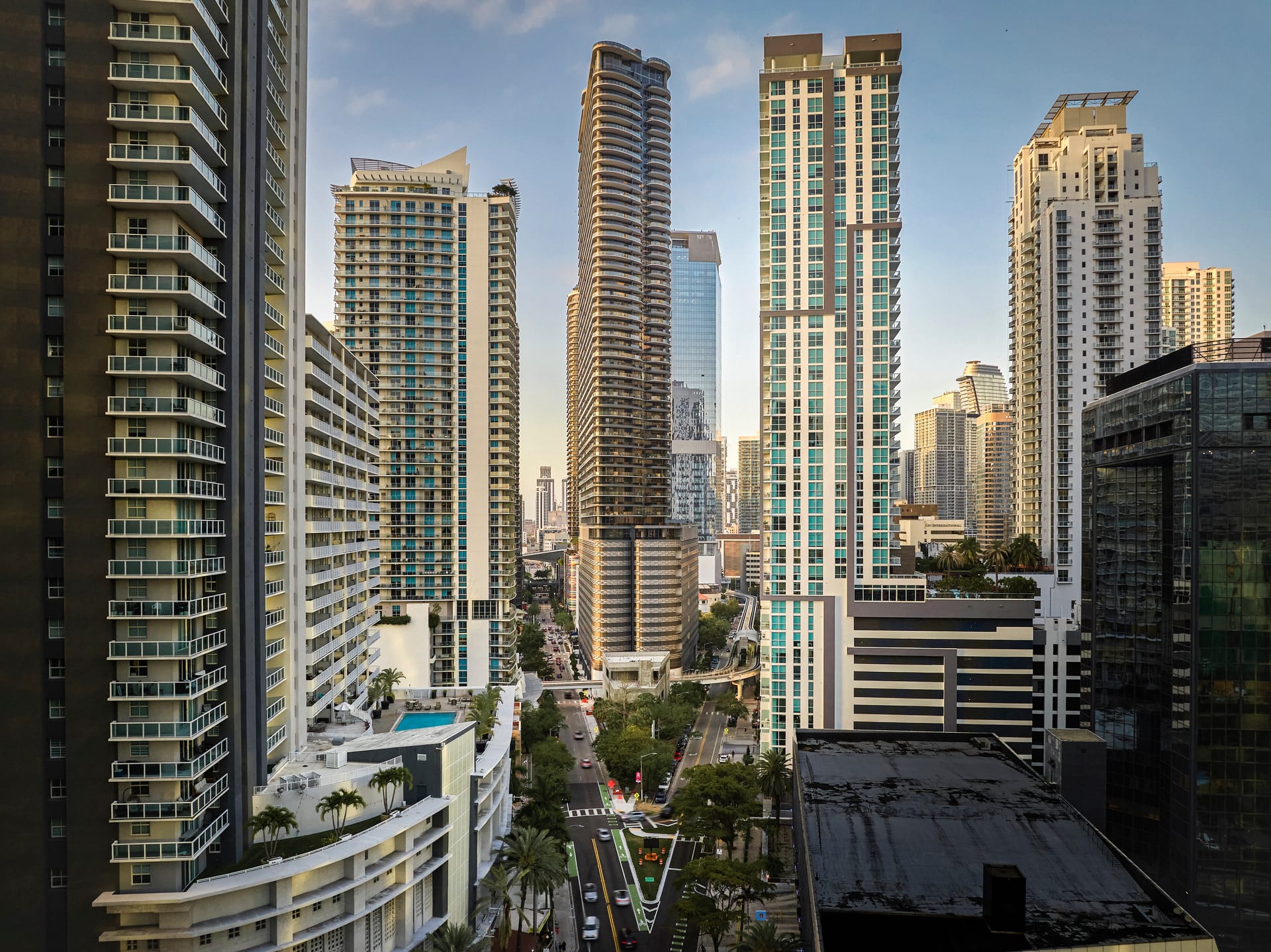
Fog is among the most underused conditions in architectural photography. It simplifies a scene, stripping away distracting backgrounds and isolating a building against a soft neutral field. It introduces depth, as nearer elements read darker and more defined while distant ones fade. For a project set among other structures or busy surroundings, fog offers a rare gift: a clean canvas.
Mist also lends a sense of quiet and permanence. A hotel emerging from morning haze suggests calm and retreat, qualities that hoteliers spend considerable effort trying to communicate. The atmosphere does the storytelling.
- Fog flattens and simplifies busy contexts into a single tone.
- Mist adds depth by separating foreground and background.
- Light haze softens harsh midday sun into something workable.
- Post-rain air is often the clearest and most saturated of all.
Rain and Wet Surfaces
Rain itself is rarely photographed directly, but its aftermath is invaluable. Wet paving, glistening timber decking, and puddles that mirror a facade all add richness and reflection. A twilight image gains enormously from a wet ground plane, which catches and multiplies the ambient light and the glow of interior fixtures.
Rain rarely appears in the frame, yet the surfaces it leaves behind can carry an entire image.
For builders and realtors, this matters practically. A driveway or courtyard that looks ordinary when dry can appear considered and luxurious when photographed shortly after rain. The material simply reads differently when wet, and often more expensively.
Planning Around Uncertainty
Because weather cannot be commanded, the professional response is flexibility built into the plan. This is where a considered approach protects the project.
Build in Alternatives
An interior-heavy shoot can proceed happily under grey skies, so pairing exterior priorities with interior fallback work means no day is wasted. If the morning is flat, the team works inside; if the sky opens in the afternoon, exteriors move up the schedule.
Hold a Window, Not a Date
Where possible, agree a range of days rather than a single fixed one. A two or three day window gives the photographer room to choose the strongest conditions, and the difference in the final images can be considerable. For hospitality and architecture work destined for print or awards, this latitude is worth negotiating.
Trust Editorial Judgement
Part of the value a photographer brings is knowing which condition suits which building. A brutalist structure and a light-filled coastal home want entirely different skies. Sharing your intentions for the images, whether calm and editorial or bold and dramatic, allows the weather strategy to align with the message you need the photographs to carry.
Seeing Weather as Material
The most useful shift for design professionals is to stop treating weather as a binary of good and bad. Sunshine is not automatically good, and grey is not automatically a problem. Each condition is a material with its own properties, to be selected for the building and the story at hand. Clear light suits crisp geometry and shadow play. Soft light suits interiors and subtle material palettes. Dramatic light suits bold forms. Fog suits isolation and quiet.
Approached this way, the weather question stops being a source of stress and becomes another dimension of the creative brief, one that thoughtful architectural and interior photography turns to advantage rather than fighting against.
If you are planning to photograph a project and would like to plan around the conditions that will serve it best, Matthew Lekker Photography would be glad to hear from you.