The Quiet Failure of a Flattering Frame
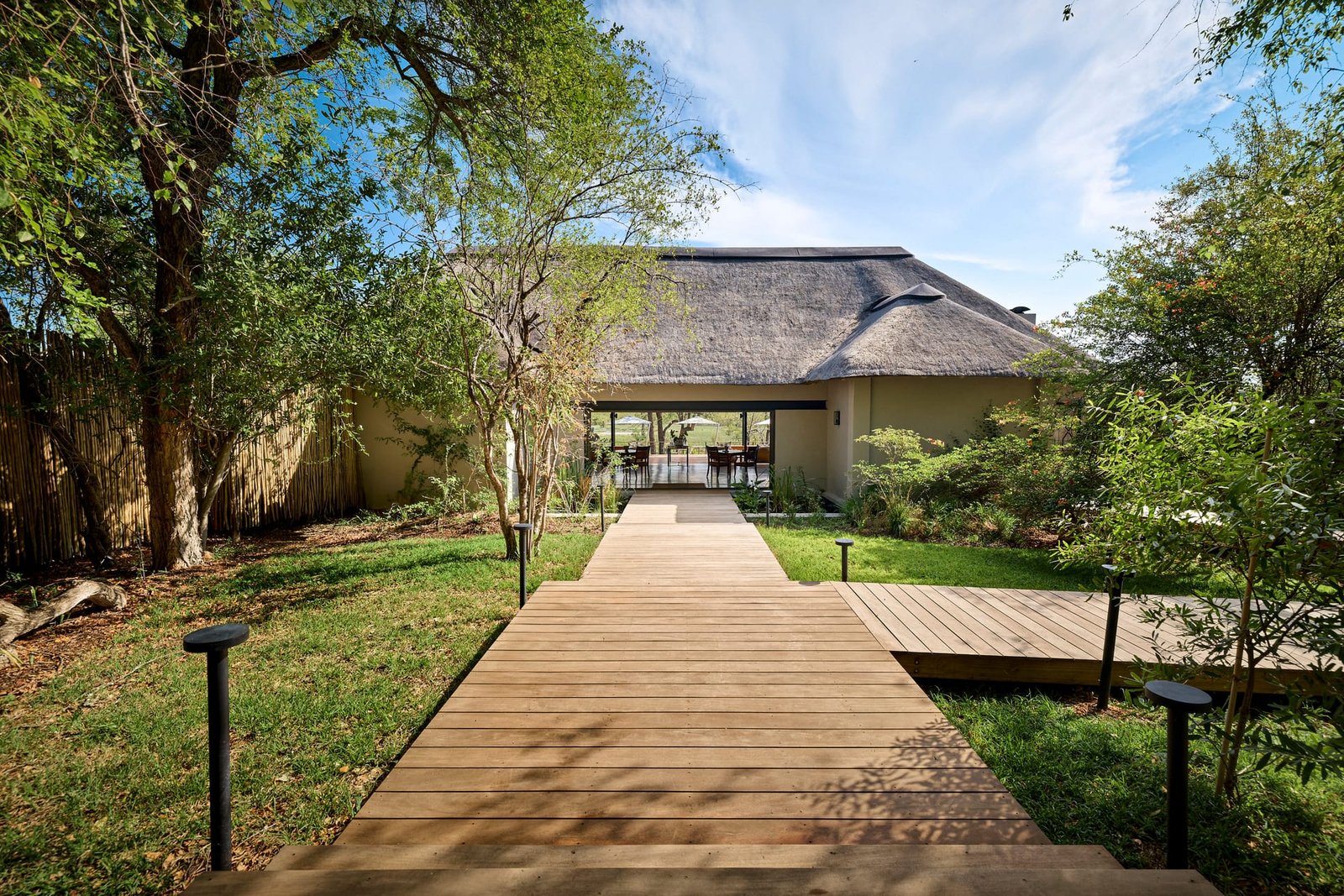
Of all the qualities a photograph must carry, scale is among the most easily lost. A room can be generous in person and cramped on screen. A soaring atrium can flatten into an ordinary corridor. A compact studio apartment can appear, through the wrong lens, to sprawl in a way that misleads. In architectural photography, getting scale right is not a technical afterthought. It is central to whether an image tells the truth about a space.
For design professionals, this matters more than it might first appear. When an architect shares a project, when an interior designer builds a portfolio, when a builder documents completed work, the viewer is trying to understand not only how a space looks but how it feels to stand inside it. Scale is the bridge between those two experiences. Lose it, and the photograph becomes decorative rather than descriptive.
Why Cameras Distort What Our Eyes Understand
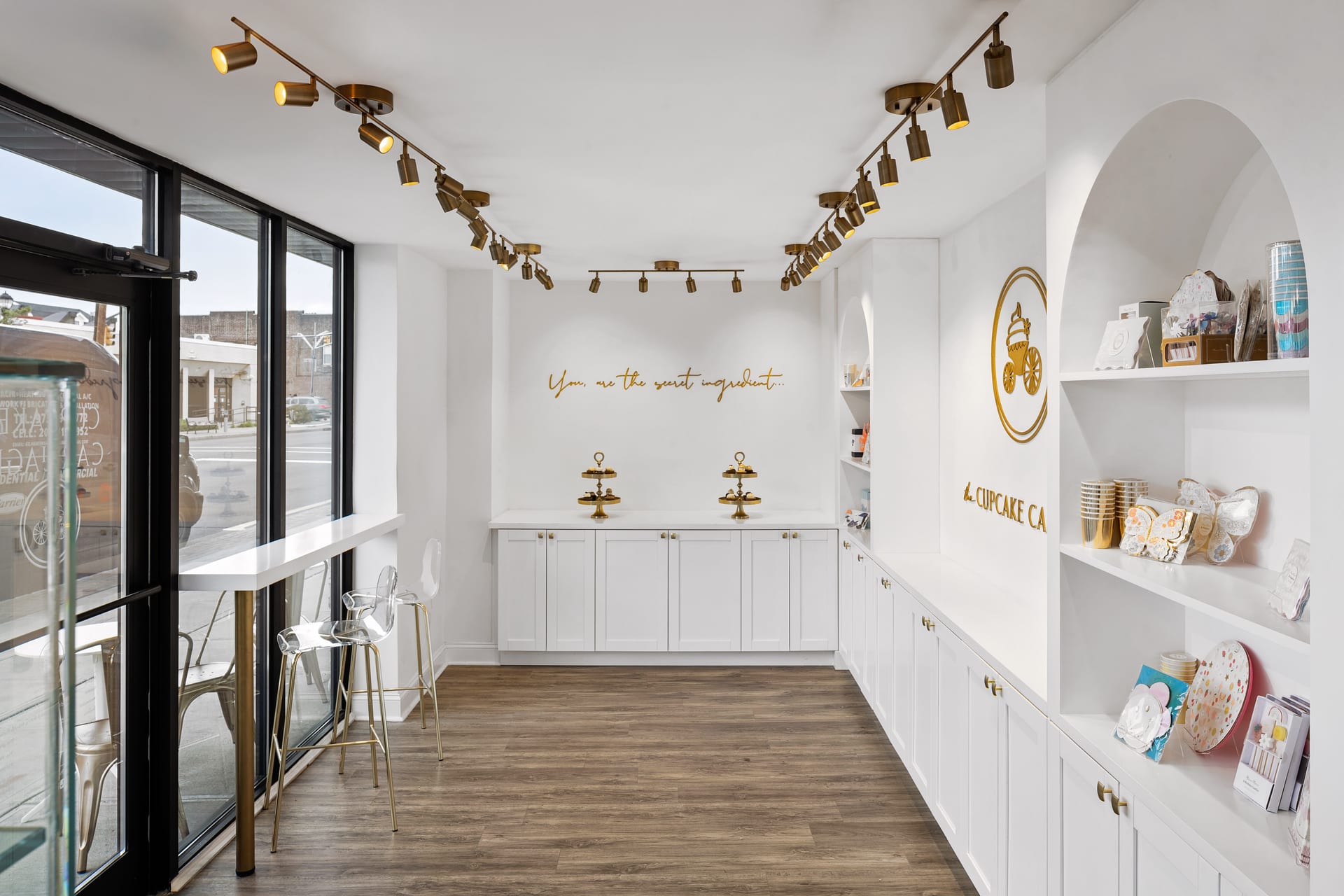
The human eye reads a room in motion. We turn our heads, we walk through, we register the height of a ceiling against our own bodies and the width of a hallway against the reach of our arms. A camera does none of this. It captures a single, fixed slice of space, and in doing so it strips away many of the cues we rely on to judge size.
Wide-angle lenses compound the problem. They are indispensable for interior photography, because they allow a full room to be seen in one frame. But they also exaggerate the distance between foreground and background, stretching near objects and shrinking far ones. Used carelessly, a wide lens can make a modest room look cavernous, which sounds appealing until a prospective buyer or guest arrives and feels deceived.
Scale is the bridge between how a space looks and how it feels to stand inside it.
The opposite error is just as common. A longer focal length compresses space, which can make a grand room feel tighter than it is. Neither distortion is dishonest by nature. Both are simply the physics of optics. The work of the photographer is to understand these tendencies and to compose against them, so that the final image reads at a size close to the felt experience of the room.
The Cues That Restore a Sense of Size
Because a photograph cannot let a viewer walk through a space, it must supply reference points instead. These are the visual anchors that tell the eye how large something truly is.
Familiar Objects
Everyday elements carry known dimensions. A dining chair, a door, a kitchen bench, a light switch, a stair tread. When these appear in frame, the viewer measures the room against them almost unconsciously. A dramatic ceiling means little until a standard doorway sits beneath it to give it proportion. In hospitality photography, a made bed or a bedside lamp performs the same quiet service, grounding a suite in a scale the guest can imagine.
Layered Depth
A room shown as a single flat plane offers no sense of how far back it extends. By composing with a clear foreground, middle ground, and background, a photograph rebuilds the depth the camera tends to collapse. An object placed thoughtfully in the near field, a piece of furniture in the middle distance, a window beyond, together they let the eye travel through the space and register its true extent.
The Human Figure
Nothing establishes scale like a person, though this must be used with intention. A single figure at the far end of a gallery instantly communicates its length. A guest seated in a lobby gives a hotel its true generosity. The presence need not be prominent; often a suggestion of human occupation is enough to calibrate everything else in the frame.
Composition as a Measuring Tool
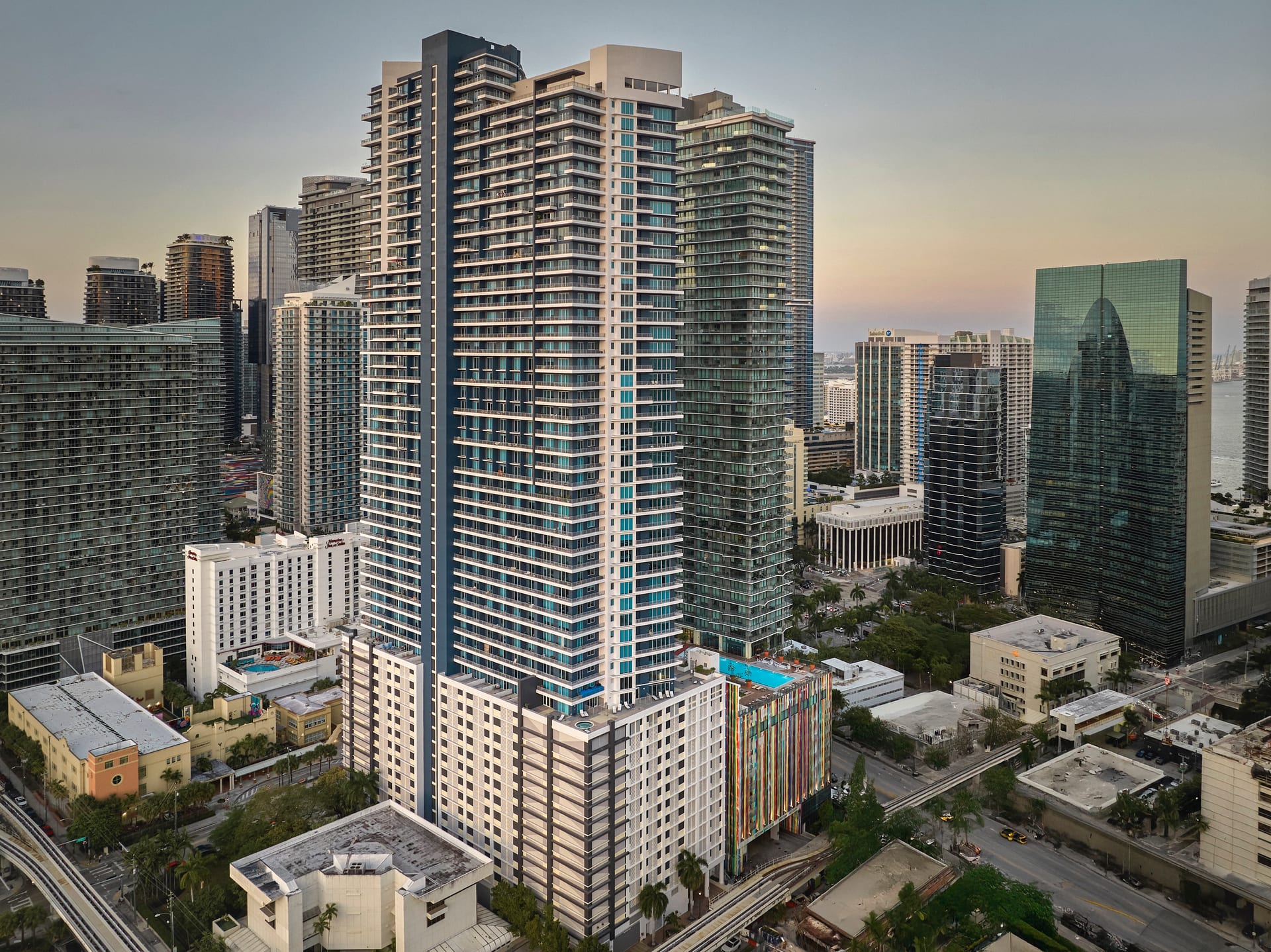
Beyond individual cues, the way a frame is built either supports or undermines scale. Ceiling height is one of the most misread dimensions in interior photography, because the camera is usually positioned lower than eye level to keep vertical lines true. A low viewpoint can shorten a ceiling on screen. The remedy is often a considered adjustment of camera height and a careful choice of what to include above the eyeline, so that the vertical volume of a room is honoured rather than clipped.
Framing edges matter too. Allowing a doorway or a window frame to sit at the edge of the composition gives the viewer a threshold, a boundary they can read against the interior beyond. These architectural elements are ready-made rulers, and a photographer who works with them rather than around them produces images that feel measured and honest.
A dramatic ceiling means little until a standard doorway sits beneath it to give it proportion.
Practical Considerations for the Shoot
For design professionals preparing a space, a few decisions made in advance make scale far easier to capture faithfully:
- Leave key furniture in place. An empty room removes the very reference points that make size legible.
- Keep sightlines open. A view from one room into another reveals the relationship between spaces and their combined generosity.
- Consider where a figure might stand. If people are to appear, planning their placement in advance produces a more natural and useful sense of scale.
- Note the ceiling. If height is a defining feature of the design, flag it, so the composition can be built to celebrate it.
Honesty as the Guiding Principle
There is a temptation, particularly in real estate photography, to make every space appear as large as possible. It is a short-lived advantage. A photograph that oversells a room sets an expectation the space cannot meet, and the disappointment that follows undermines trust. The more durable approach is accuracy. A well-proportioned image, one that reads at the size the room genuinely offers, serves the viewer and the professional alike.
This is where architectural and interior photography rewards patience. Getting scale right is rarely about a single dramatic frame. It is about the quiet accumulation of correct choices: the right focal length, the right height, the right anchors, the right depth. Done well, the result is a photograph that a viewer can inhabit in their imagination, standing where the camera stood and understanding, without being told, exactly how large the space around them is.
The finest architectural photographs are trusted precisely because they measure honestly, and that trust is what turns an image into a lasting record of a design.
If you are preparing to photograph a project and want its true proportions honoured, we would welcome the opportunity to discuss it with you at Matthew Lekker Photography.