Why Order Is Its Own Kind of Composition
Most conversations about architectural photography focus on the individual frame: the perspective, the light, the lens. These matter deeply. But there is a quieter craft that shapes how a project is ultimately understood, and it happens after the shutter has closed. It is the art of sequence, the deliberate ordering of images so that a body of work reads as a narrative rather than a collection.
A space is never experienced all at once. You arrive, you pause, you move through, you notice. A well-built photographic sequence honours that rhythm. It leads the viewer from the general to the specific, from arrival to intimacy, from the whole to the detail. For architects, interior designers, and hoteliers presenting their work, this ordering is not a cosmetic afterthought. It is the difference between a viewer glancing and a viewer understanding.
A single photograph shows a room, but a considered sequence tells the story of a place.
The Grammar of a Visual Narrative
Just as a sentence has structure, a photographic sequence has grammar. Certain images function as openings, others as transitions, and others as resolutions. When these roles are respected, the work moves with confidence. When they are ignored, even beautiful images can feel scattered.
The Establishing Frame
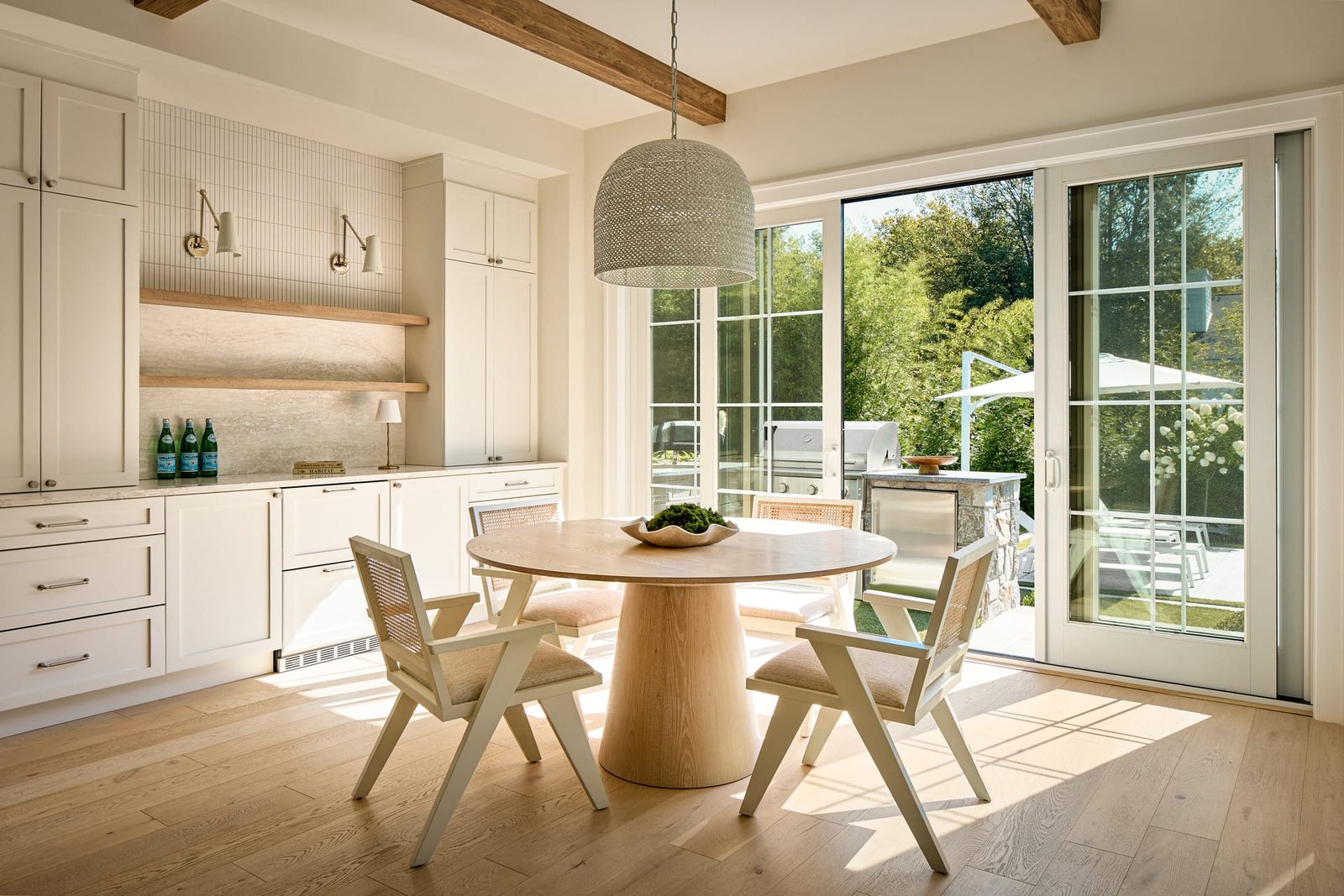
Every sequence needs a point of entry. This is usually the widest, most contextual image, the one that answers the question the viewer instinctively asks first: where am I. In architectural photography, this might be an exterior that places the building in its landscape or street. In interior photography, it is often the hero view of a principal space, taken from the natural threshold where a person would first pause.
The establishing frame sets tone as much as geography. A restrained, cool opening prepares the eye for something different than a warm, layered one. Choose it with the same intention you would bring to the first sentence of a letter.
The Transitional Image
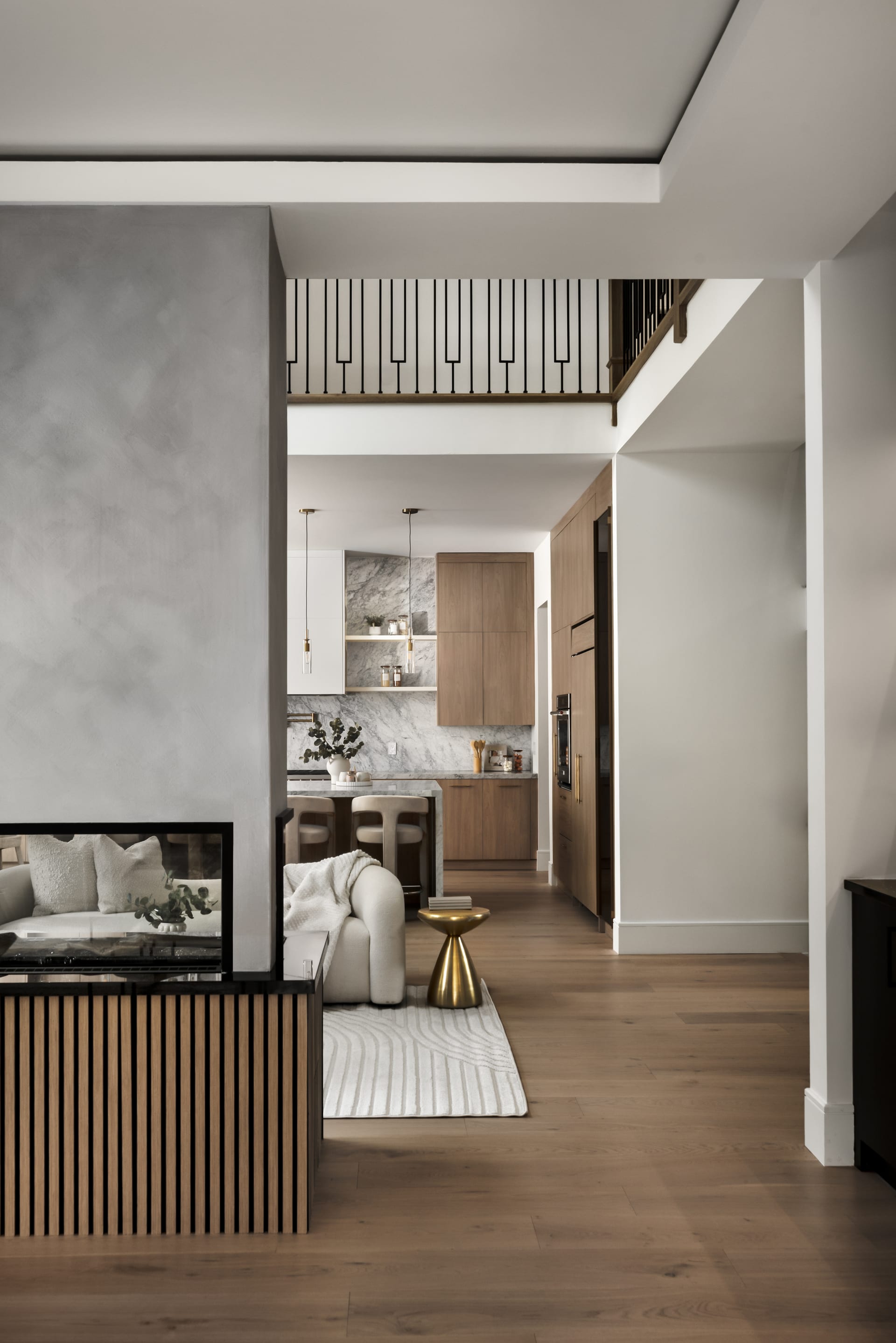
Between the wide view and the intimate detail sits the connective tissue of the sequence. Transitional images carry the eye from one space into the next. A doorway that frames the room beyond, a hallway that gestures toward light, a stair that implies ascent. These images give the viewer a sense of movement, of passing through, that mirrors the lived experience of the building.
Transitions are frequently underused. Designers often want to show the finished rooms and nothing between them, but the spaces in between are where architecture reveals its logic. A sequence without transitions can feel like a slideshow of unrelated stages.
The Detail and the Resolution
Details reward the viewer who has stayed with the story. A joint, a material meeting, the way afternoon light falls across a plaster wall. Placed late in a sequence, these images feel earned, like the closing notes of a piece of music. They confirm the care that the wider frames only implied.
Building a Sequence That Breathes
The most common mistake in presenting a project is density without rhythm: twenty strong images placed one after another with no variation in scale or pace. The eye tires. A sequence needs breath, an alternation between expansive and close, bright and shadowed, populated and still.
Consider these principles when arranging a set of images:
- Alternate scale. Follow a wide view with a medium or detail shot rather than another wide view. Contrast keeps attention alive.
- Respect the path of movement. Order images the way a visitor would encounter the spaces, not the order in which you happened to photograph them.
- Vary the light. A sequence that shifts between morning clarity and evening warmth suggests a place lived in across the day.
- Let a hero image lead. The strongest frame usually belongs near the beginning, but hold something memorable in reserve for the close.
The spaces in between are where architecture reveals its logic.
These are guidelines, not rules. A hospitality project might open on a detail of texture to establish mood before the wider reveal. A residential interior might resolve on an exterior at dusk. The intelligence lies in knowing why you are breaking a pattern, not simply that you can.

Sequence Across Different Uses
The same set of images may need to be sequenced differently depending on where it lives. A project on a studio website, a submission to an editorial publication, and a listing prepared by a realtor each carry different expectations.
Editorial and Portfolio
Here the narrative can be slow and considered. A magazine spread often begins with a full-bleed establishing image and unfolds across pages with a deliberate cadence. A portfolio benefits from the same patience, giving each project a clear arc rather than a wall of thumbnails.
Marketing and Sales
For a realtor or a builder, the sequence must front-load its strongest argument. Attention is brief, and the first three images often decide whether a viewer continues. The narrative principle still holds, but it compresses. Lead with the most compelling and complete view, then support it with the rooms and details that sustain interest.
Hospitality
For a boutique hotel, sequence is closely tied to feeling. Guests are choosing an experience, not simply a room. A sequence that moves from arrival to public spaces to the quiet of a guest room, punctuated by details of material and light, communicates the character of a stay in a way that any single image cannot.
Planning for Sequence Before the Shoot
The strongest sequences are anticipated, not assembled from leftovers. When a shoot is planned with the eventual narrative in mind, the photographer captures the connective and transitional images that a story requires, rather than only the obvious hero frames.
This is where a conversation about intended use pays real dividends. If the goal is an editorial feature, the coverage should support a long, unfolding read. If the goal is a fast-moving listing, the priority shifts to breadth of clear, complete views. Knowing the destination shapes not only what is photographed but how the final set will be ordered and delivered.
A thoughtful photographer thinks in sequences from the moment they arrive on site, reading how the spaces connect and imagining how a viewer will eventually move through them on a page or a screen. The result is a body of work that feels inevitable, each image following the last with a quiet sense of purpose.
The Reward of a Considered Order
When a project is presented in a sequence that respects the experience of the space, something changes in the viewer. They stop looking at pictures and start understanding a place. The architecture makes sense. The design intention becomes legible. The work is trusted, because it has been shown with care.
For design professionals, this trust is the entire point. Your work deserves to be understood, not merely admired in fragments. Sequence is the discipline that carries a viewer from the first frame to a genuine sense of the whole.
If you are preparing to photograph a project and want it presented as a story worth reading, Matthew Lekker Photography would be glad to talk with you.