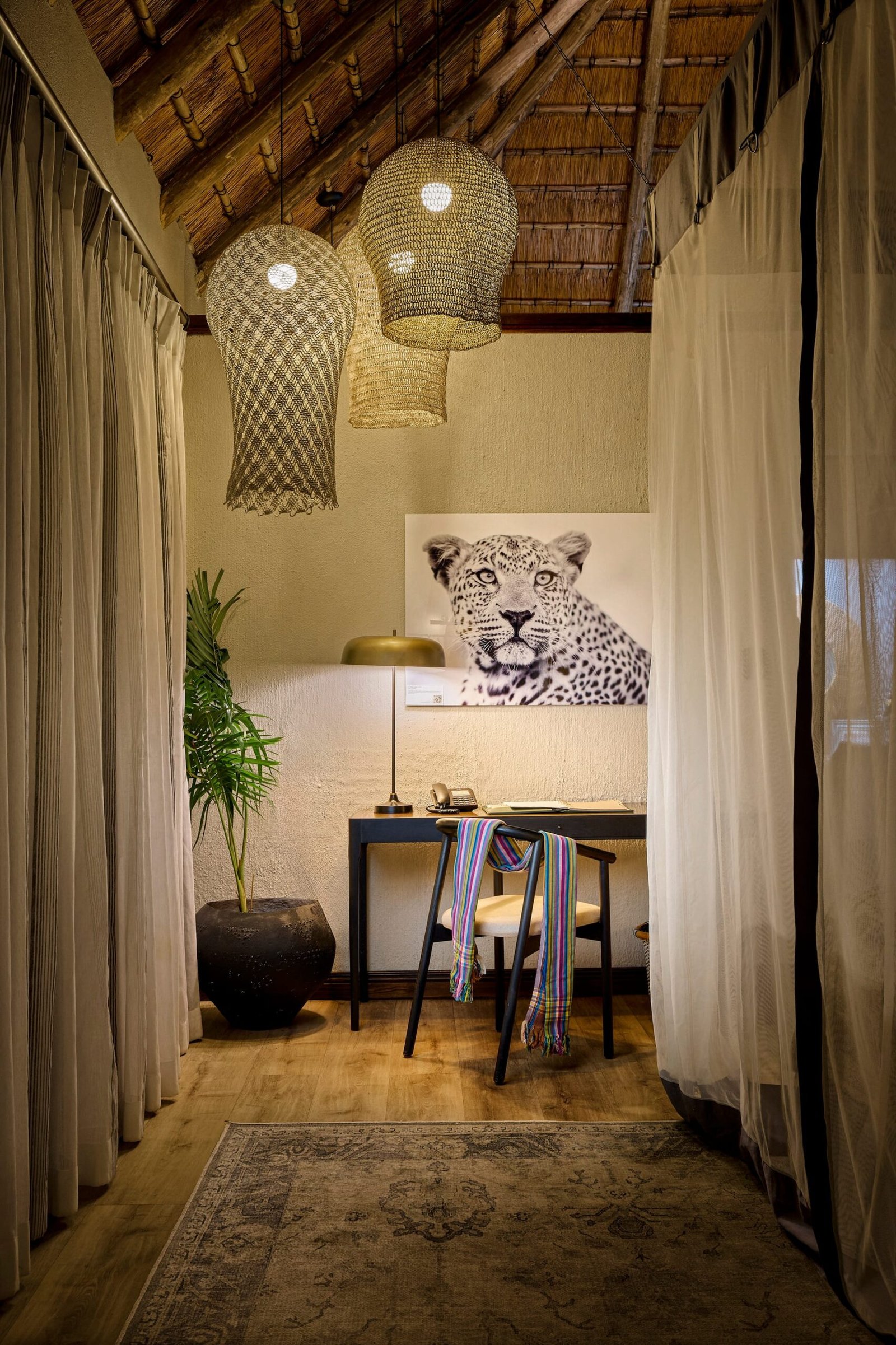
Beyond the Single Frame
Much of the conversation around architectural photography concerns the individual image: the hero angle, the corrected vertical, the moment of light. But projects are rarely experienced through a single photograph. A magazine feature, a portfolio page, a hotel website, a competition submission — each presents a set of images in a particular order. That order is not incidental. It shapes how a viewer understands the building before they have consciously registered a single detail.
Sequence is the quiet architecture beneath a body of work. A room photographed beautifully but placed at the wrong point in a series can read as an afterthought. The same image, positioned with intent, can become the moment a project turns. For architects, interior designers, and hoteliers who rely on photography to represent their work, understanding sequence is as valuable as understanding composition.
Sequence is the quiet architecture beneath a body of work.
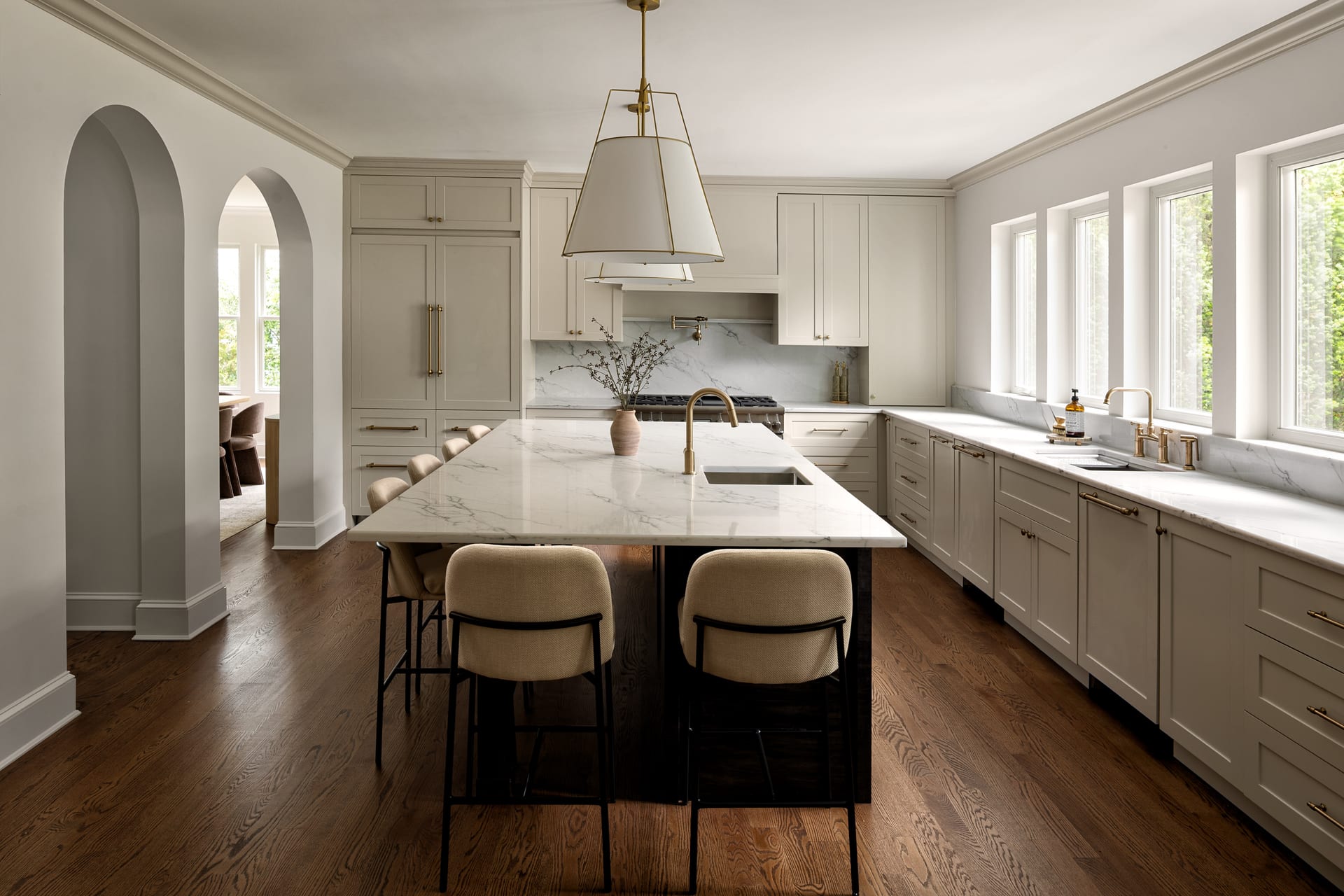
How a Viewer Moves Through a Set
People read a set of photographs the way they read a building — by moving through it. There is an entrance, a progression, and a sense of arrival. A well-ordered sequence honours that instinct. It gives the viewer a place to begin, a rhythm to follow, and a reason to keep looking.
This borrows directly from how the building itself is designed. Architecture already contains a sequence: the approach, the threshold, the reveal of a primary space, the quieter rooms beyond. A thoughtful edit does not fight this logic. It translates the experience of moving through the space into the experience of moving through the images.
The Establishing Image
Every sequence needs an opening that situates the viewer. This is usually the widest or most characteristic frame — the exterior that announces the building, or the primary interior that defines the project’s spirit. Its job is orientation. It tells the viewer what kind of place they are about to enter and sets the tonal register for everything that follows.
An establishing image should be generous rather than clever. Save the unusual angle and the tight detail for later. First, give the viewer their bearings.
The Progression
From the opening, the sequence moves inward. This middle passage is where most of the storytelling happens. Wide views give way to more considered angles; primary spaces lead to secondary ones; the general resolves into the particular. The pacing here matters. Too many similar wide shots in succession and the eye tires. Too many details in a row and the viewer loses their sense of place.
A useful principle is alternation. Follow a broad interior with a detail that lives inside it, then open out again into a new space. This rhythm keeps a viewer grounded while rewarding their attention.
The Resolution
Sequences benefit from an ending, just as they benefit from a beginning. A closing image might be a twilight exterior, a quiet corner, or a final detail that gathers the project’s themes into one frame. It signals completeness. The viewer leaves with a sense that they have seen the whole, not merely a fragment.
Rhythm, Scale, and Contrast
A strong sequence varies its scale deliberately. Interior photography and architectural work both offer a natural range — from the sweeping context of a full room to the intimacy of a joinery detail. Moving between these scales gives an edit texture and prevents monotony.
Consider the following contrasts as tools for pacing a set:
- Wide against tight — a full room followed by a single material moment
- Bright against shadowed — a light-filled space beside a quieter, more contemplative frame
- Exterior against interior — the building’s public face against its lived-in heart
- Symmetry against the oblique — a straight-on view balanced by an angled one
None of these contrasts should feel forced. They emerge naturally from a well-shot project, but they only serve the story if the edit places them in relationship to one another.
An image gains or loses meaning depending on what precedes it.
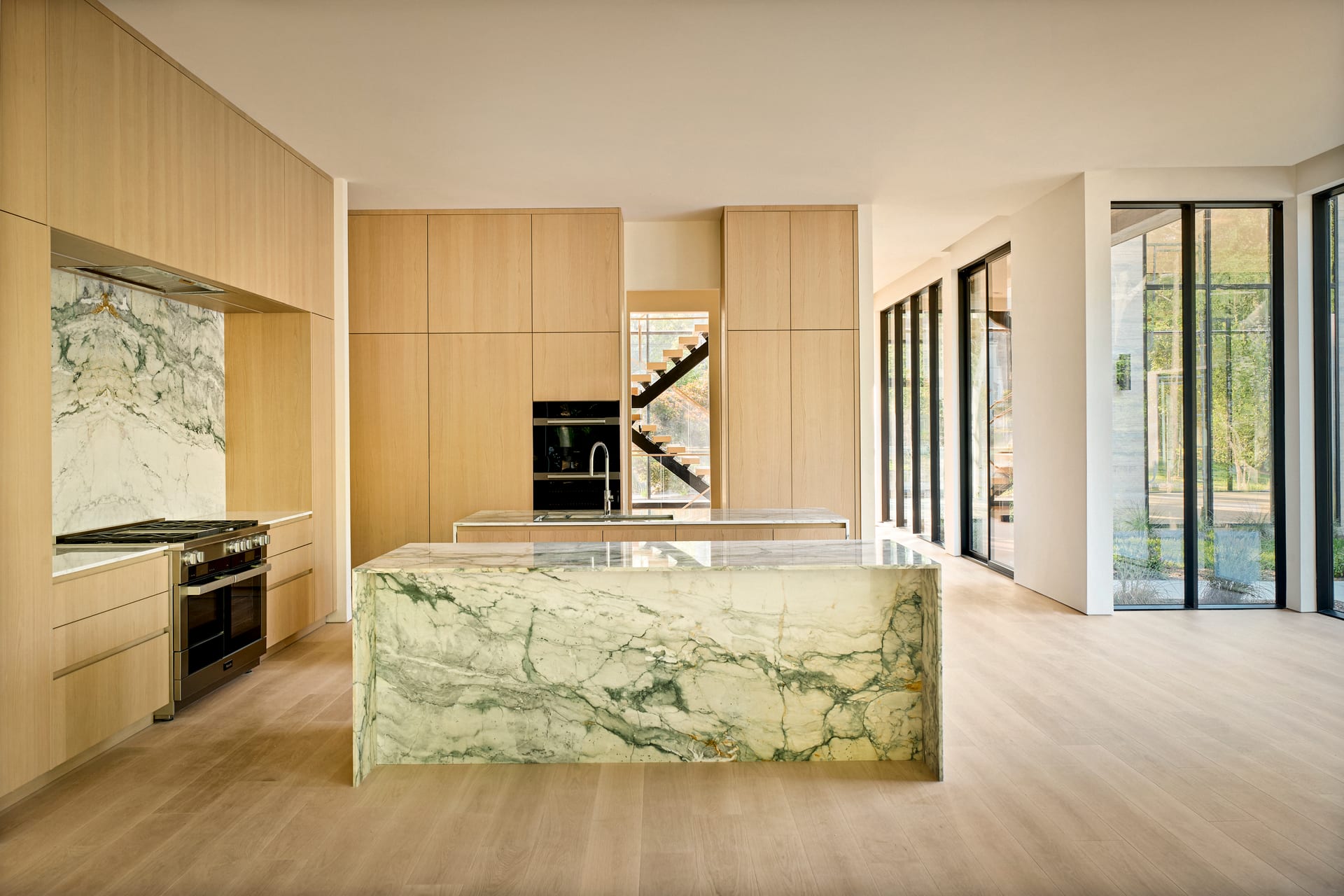
Why the Order Changes the Meaning
An image gains or loses meaning depending on what precedes it. Place a photograph of a stairwell after a wide lobby shot and it reads as a continuation of the journey. Place the same stairwell image after a bedroom detail and it feels disconnected, a jump the viewer has to reconcile. The photograph has not changed. Its context has.
This is why sequencing is an editorial act, not a technical one. It asks what a project is fundamentally about and then arranges the evidence to make that argument clear. A boutique hotel might be about the quality of its light, and so the sequence leads with morning interiors and closes at dusk. A private house might be about its relationship to landscape, and so exteriors and views punctuate the interiors throughout. The order carries the thesis.
Sequencing for Different Destinations
The same set of images may need different orders depending on where they will live. A portfolio, a print feature, and a booking page each ask something distinct.
The Portfolio
Here the priority is range and confidence. The sequence should demonstrate command across scales and conditions, opening strongly and maintaining a consistent quality throughout. Weaker frames dilute the whole; a shorter, tighter edit almost always reads as stronger.
The Editorial Feature
Print and long-form digital features allow a slower, more narrative sequence. There is room for the establishing image to breathe, for the progression to unfold, and for a genuine resolution. This is where the storytelling logic of sequence is most fully expressed.
The Commercial Page
For a hotelier or realtor, the first image does heavy work — it must invite and reassure within seconds. The sequence then supports a decision rather than a contemplation. Clarity and warmth take precedence over surprise.
Editing With Restraint
The discipline of sequencing is inseparable from the discipline of selection. A set is only as strong as its weakest included frame. Design professionals often want to show everything a project contains, but a photograph included out of completeness rather than conviction weakens the sequence around it. It is better to show twelve images that build a clear story than twenty that dilute it.
When reviewing an edit, a simple test helps: remove any image and ask whether the story is poorer for its absence. If the sequence holds without it, it likely belongs elsewhere, or nowhere. What remains is a body of work that moves with intention, carrying the viewer through the project the way the architecture itself intended them to move.
If you are preparing to present a project and want its photographs to read as a considered whole, Matthew Lekker Photography would be glad to talk it through with you.
Add us as a preferred source on Google
Add as preferred source