Rethinking the Hour Everyone Chases
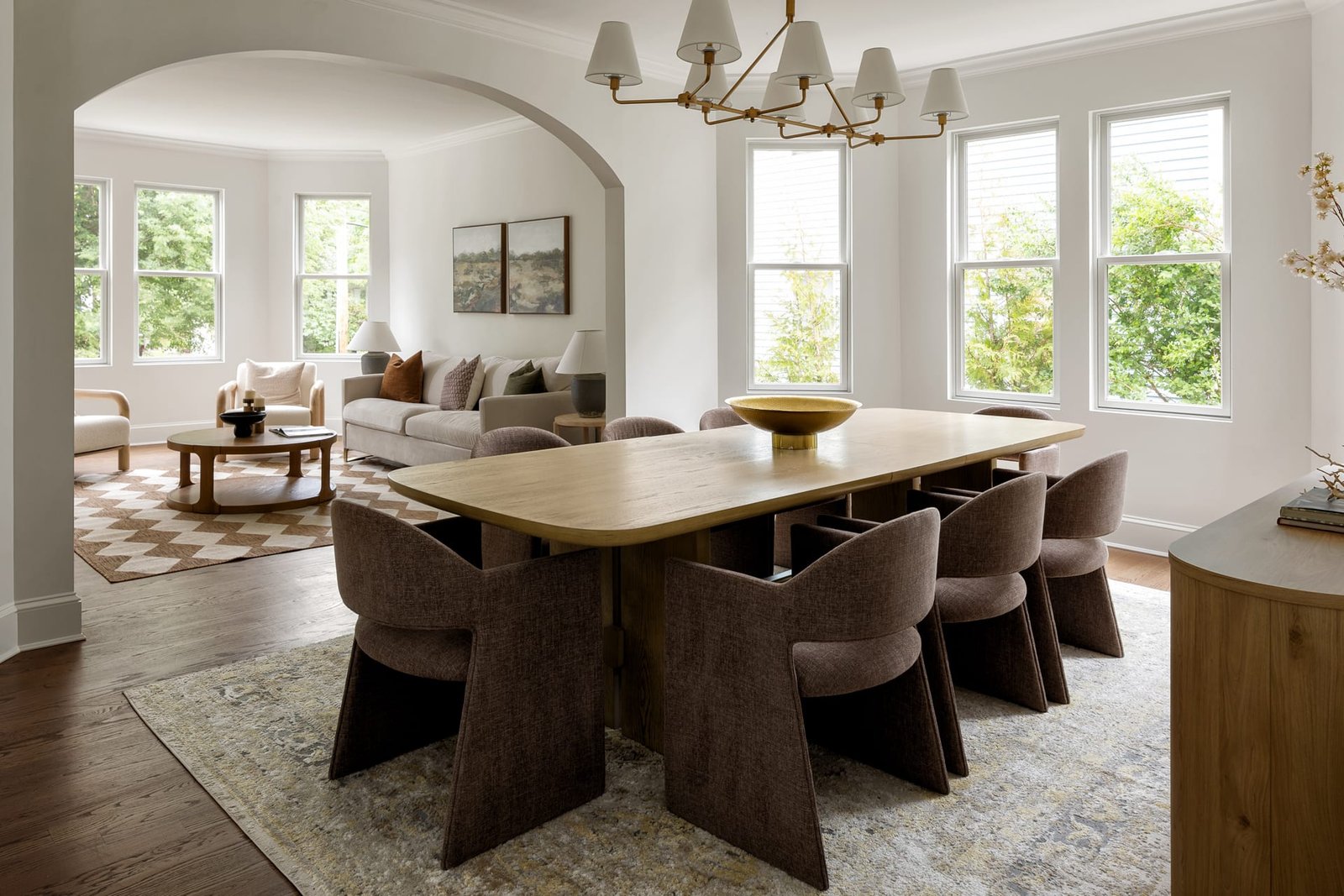
Ask most people to name the best time to photograph a building and they will point to golden hour, that brief warm window near sunrise and sunset. It is a beautiful moment, and it earns its reputation on exterior facades bathed in low, raking light. But for those of us working in architectural photography and interior photography every week, the truth is more nuanced. A building is not a single subject with a single ideal moment. It is a collection of spaces, each with its own orientation, its own glazing, and its own relationship to the sun across the course of a day.
Treating an entire shoot as though it hinges on one flattering hour is a common and costly assumption. It leads to rushed sessions, missed rooms, and images that flatter the exterior while leaving the interiors underserved. The more useful question is not when is the light best, but when is the light best for this particular space.
A building is not a single subject with a single ideal moment, but a collection of spaces each waiting for its own hour.
Every Room Keeps Its Own Schedule
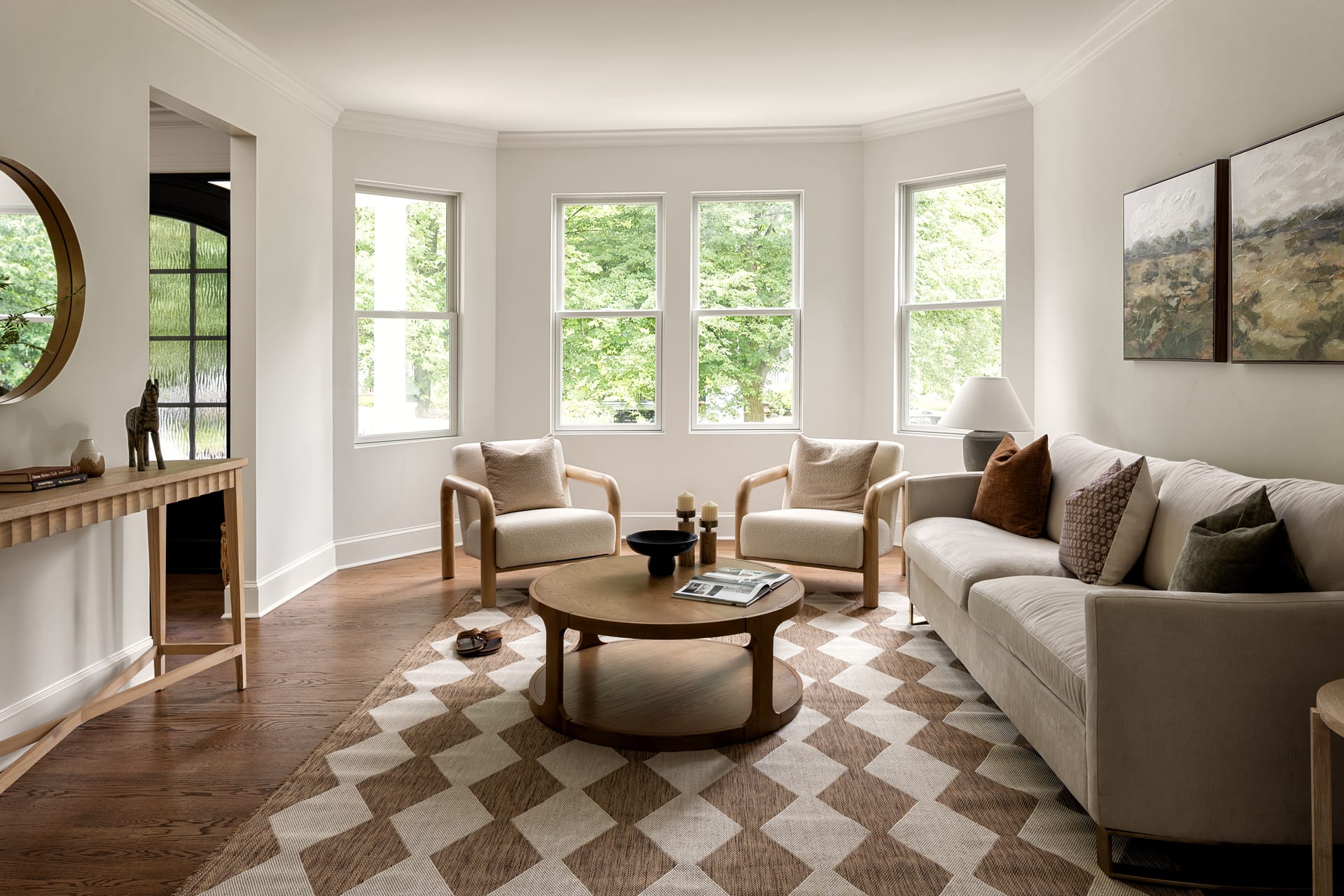
A north-facing living room and a west-facing terrace do not peak at the same time. This is the foundation of thoughtful scheduling. Before a shoot, it helps to think of a property as a series of appointments, each room asking to be photographed when the light serves its geometry and materials most honestly.
Orientation Sets the Clock
The direction a room faces determines when daylight enters and how it behaves once inside.
- East-facing spaces come alive in the early morning, when direct sun spills across floors and warms the palette. By afternoon they turn quiet and even.
- North-facing rooms (in the northern hemisphere) receive soft, consistent light for much of the day, making them forgiving and ideal when the schedule is tight.
- West-facing spaces hold their drama for late afternoon and evening, when the sun lowers and light reaches deep into the room.
- South-facing rooms can be brilliant but demanding, often requiring midday timing or careful management of strong contrast.
The Quiet Case for Overcast
Bright sun is not always the ally it appears to be. Interiors in particular often photograph best under a soft, diffused sky, when window light arrives gently and shadows lose their hard edges. Overcast conditions flatten harsh contrast, reveal true material color, and allow the eye to move calmly through a space. Many of the most refined interior images are made on days that would disappoint a landscape photographer.
Building a Shot List Around Light
Once we accept that spaces perform at different times, the shot list stops being a simple inventory of rooms and becomes a timed sequence. This is where planning turns a full day into a productive one rather than a scramble against the sun.
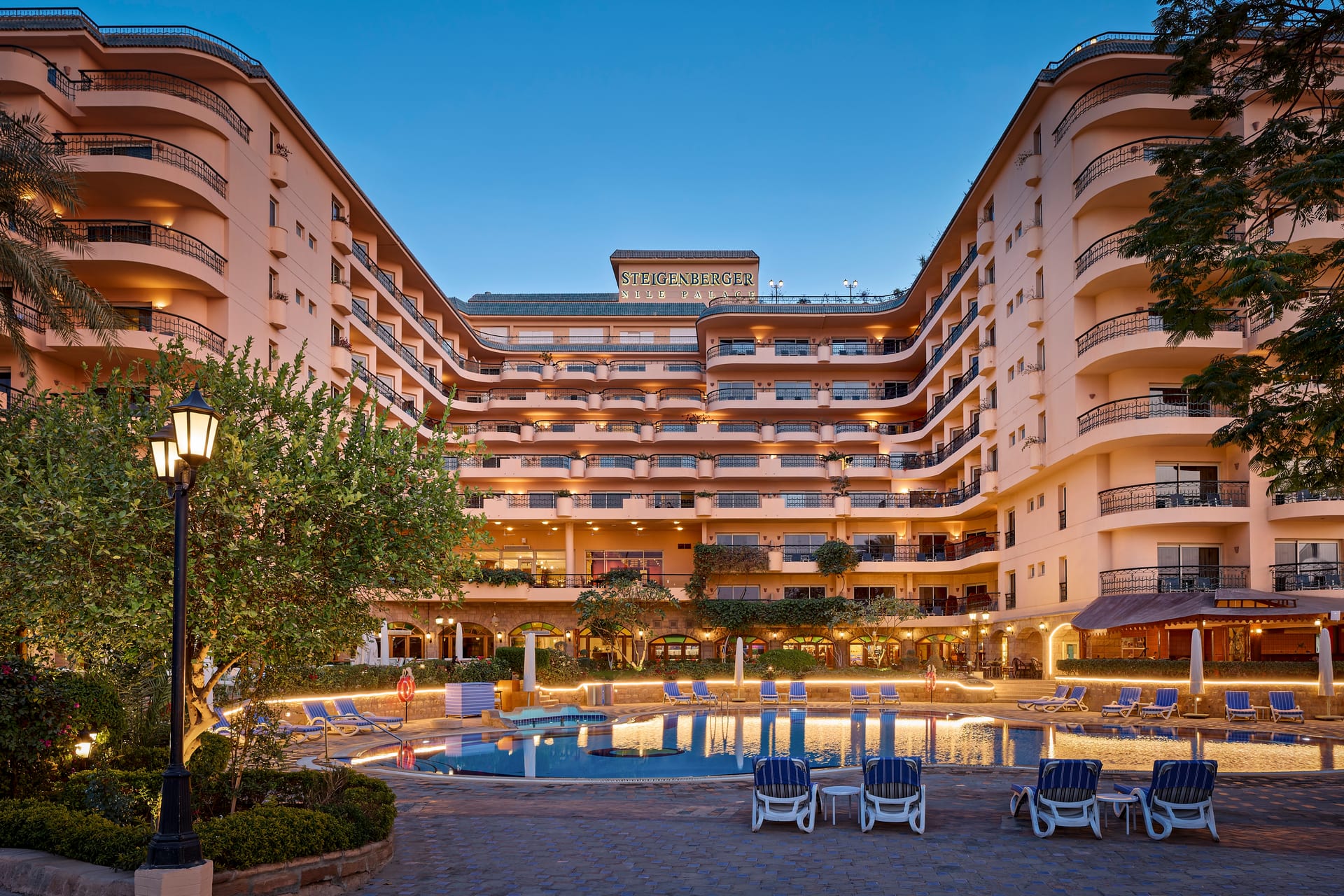
A well-ordered day might begin with the east-facing breakfast room at first light, move through north-facing and interior spaces during the steady midday hours, and reserve the west-facing living area and exterior for the final stretch before dusk. The exterior twilight image, with interior lights glowing against a deepening sky, often closes the day and rewards the wait.
The most productive shoot day is not the longest one, but the one sequenced so each space is photographed at its own best hour.
Anchoring the Day with Hero Frames
Within any project there are one or two images that will carry the story, the frames destined for the portfolio homepage or the magazine spread. These deserve to be scheduled first, before anything is left to chance. Everything else can flex around them. When a hero exterior calls for twilight and the hero interior calls for morning, the day is built to honor both, and the lesser frames fill the hours between.
Practical Preparation for Design Professionals
The value of this thinking is that it invites collaboration well before the camera arrives. Architects, interior designers, builders, and hoteliers who understand how light will move through their spaces can help shape a schedule that does the work justice.
- Walk the space at different times. If you have access before the shoot, observe how sunlight enters each key room across a day. Note the rooms that glow and the ones that fall flat.
- Flag the priority spaces. Tell your photographer which rooms and angles matter most for your brand or listing, so those receive their ideal hour rather than whatever remains.
- Consider the season. The sun sits lower and warmer in winter and climbs high in summer, changing both the angle of entry and the length of the usable day.
- Allow a longer window. A property with rooms facing several directions cannot be captured well in two rushed hours. The best results come from a day shaped around the sun’s arc.
When to Wait, and When to Work
There is a discipline in patience. Sometimes the right response to a room is to move on and return when the light has turned. A space that resists the camera at noon may become effortless at four o’clock. Recognizing this rhythm, rather than forcing every frame in sequence, is part of what separates hurried real estate coverage from considered architectural work.
At the same time, waiting is not always the answer. Supplemental lighting, careful exposure blending, and thoughtful composition can coax a difficult room into looking its best outside its natural hour. The goal is never to be held hostage by the sky but to understand it well enough to work with it or around it, whichever the project requires.
The Twilight Reward
Few images repay patience like the twilight exterior. In the narrow window after sunset, the sky holds a deep, even blue while interior lights read as warm and inviting. Balance between inside and outside is at its most natural, and the building appears both grounded and alive. It is worth ending a long day for, and it rarely lasts more than twenty minutes.
Timing as a Creative Decision
The golden hour is not a myth because it fails to deliver. It is a myth because it suggests a single moment of grace when, in reality, a building offers many. Understanding that each space keeps its own schedule transforms timing from a superstition into a creative tool. For design professionals, this means the difference between a set of images that merely document a project and a set that presents it at the height of its intended experience.
If you are planning to photograph a space and want a shoot shaped thoughtfully around its light, I would welcome the chance to talk it through with you.